Owen Bradley
 The rechargeable versus alkaline argument is usually settled with a slogan: rechargeables save money, alkalines are wasteful. The truth is more interesting, because the two chemistries fail and succeed in genuinely different places. Rechargeable NiMH cells dominate anything that drains batteries quickly, while alkaline still holds a real advantage in devices that sip power over years. Choose wrongly and you either throw money away on disposables or find a dead rechargeable in a device you needed working. This comparison covers cost per year, voltage differences, self-discharge, leak risk, and the specific devices where each chemistry belongs, so the cells you buy in 2026 actually match the job.
The Two Chemistries in Plain Terms
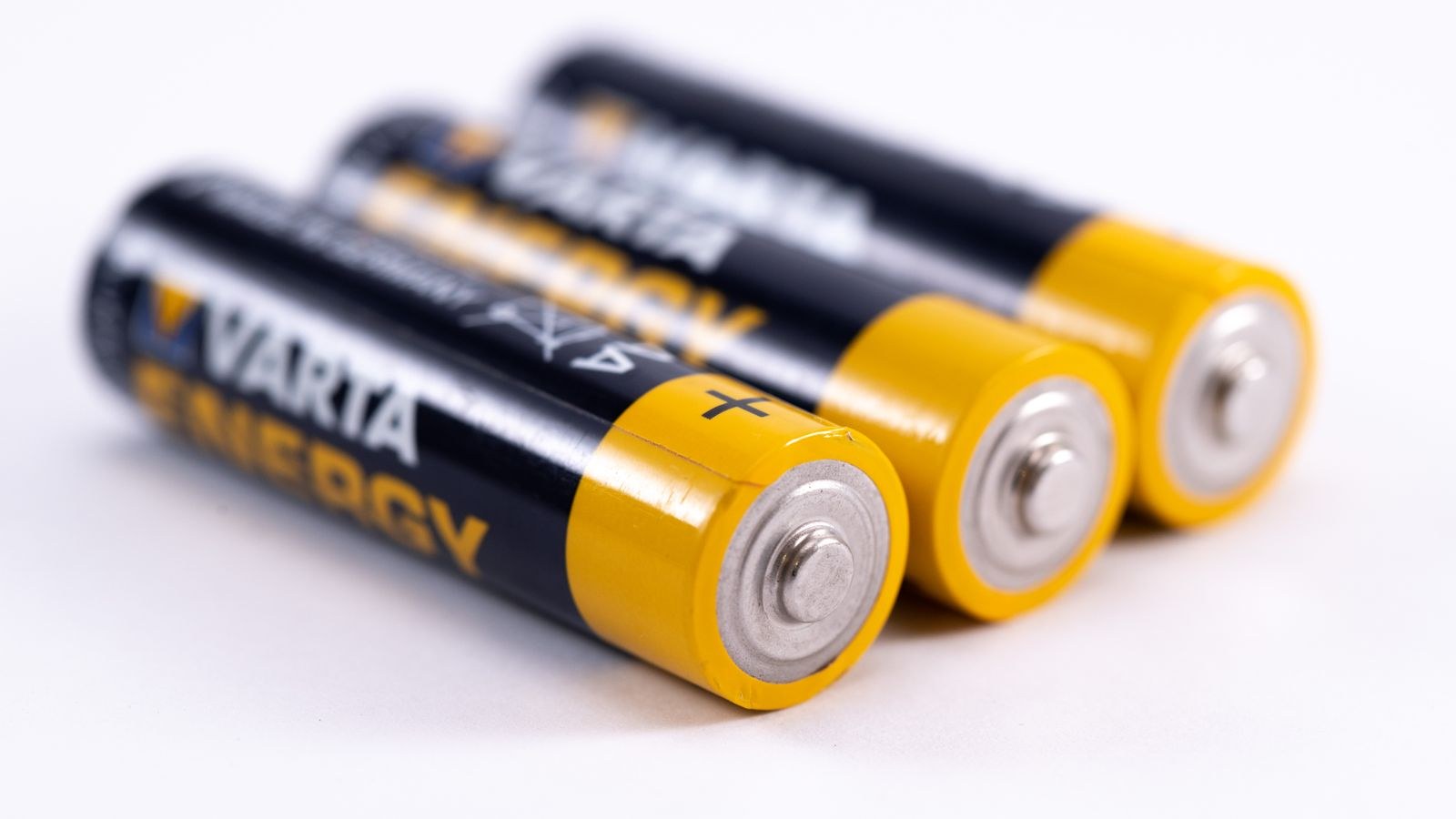
Alkaline batteries use a zinc and manganese dioxide reaction in an alkaline electrolyte. They are primary cells, meaning the chemical reaction runs one way and cannot be meaningfully reversed. Their strengths are high energy density, an extremely long shelf life, availability in every shop, and a very low unit price.
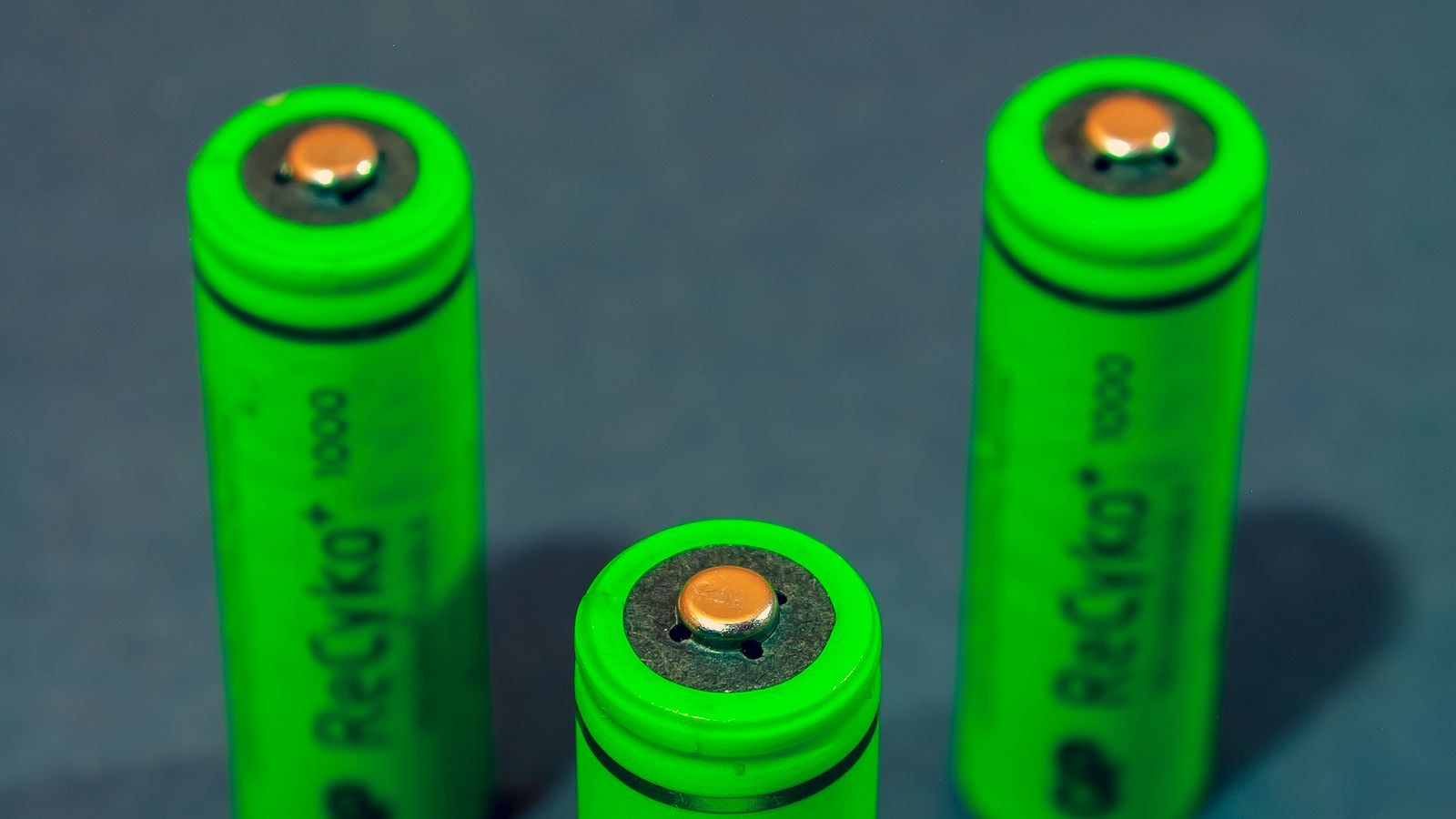
Rechargeable AA and AAA cells today are almost always nickel-metal hydride, or NiMH. These are secondary cells: the reaction reverses under an applied current, allowing hundreds of cycles from one physical battery. Modern low self-discharge NiMH cells fixed the technology’s biggest historical flaw, holding most of their charge for a year or more in storage rather than going flat in weeks. Lithium primary cells form a third category, expensive but exceptional in cold weather and long-life applications.
The Voltage Difference That Confuses Everyone
A fresh alkaline AA reads about 1.5V; a charged NiMH reads about 1.2V. That gap looks alarming and causes people to assume rechargeables are weaker. In practice it rarely matters, because an alkaline cell’s voltage sags steadily as it discharges, spending most of its working life below 1.3V anyway. NiMH holds a flat 1.2V until it is nearly empty, then drops sharply.
The result is that NiMH often outperforms alkaline in real devices even at lower nominal voltage, because it sustains current better under load. The exceptions are devices with a voltage-based battery meter, which may show a NiMH cell as half empty from the start, and a small number of gadgets designed strictly around 1.5V that refuse to operate below a threshold.
Cost Per Year: Running the Numbers
The economics depend entirely on how fast a device drains cells. Take a household that uses four AA batteries per month across game controllers, a wireless mouse, and children’s toys: roughly 48 cells a year. At typical alkaline prices that is a recurring cost every year, forever.
Now replace those with a set of eight NiMH cells and a charger. The upfront cost is several times a single pack of alkalines, but good NiMH cells survive hundreds of cycles and often last five to ten years. Spread over that lifespan the cost per charge becomes a rounding error, and the electricity used to recharge a AA cell is a fraction of a penny. For a high-drain household, rechargeables typically pay for themselves within the first year and save substantially thereafter.
Flip the scenario to a wall clock that runs eighteen months on one alkaline AA. Over ten years that is about seven cells. A rechargeable would need recharging repeatedly over the same period because of self-discharge, costing more effort than the disposables cost money. This is the whole argument in one comparison: drain rate decides the winner, not chemistry loyalty.
Where Rechargeables Clearly Win
- Game controllers and wireless peripherals, which drain cells in weeks and are easy to swap.
- Digital cameras and flashes, where high current output favours NiMH’s ability to hold voltage under load.
- Children’s toys, especially motorised ones that empty a set in days.
- Torches used regularly, including camping and workshop lights.
- Portable speakers and radios that run for hours at a time.
High-drain devices also expose alkaline’s weakness directly. Under heavy current an alkaline cell’s internal resistance causes its voltage to collapse, so a camera flash recycles slowly and a motorised toy runs sluggishly well before the cell is truly empty. NiMH keeps delivering. Rechargeable cells are also the natural fit for lighting you use often; our guide to rechargeable battery powered lighting covers how to size a set for lamps that run several hours a night, and the roundup of the best battery lamps shows which designs are friendliest to swapping cells.
Where Alkaline Still Makes Sense
Low-drain and emergency devices are alkaline’s home ground. A cell that must sit untouched for a year and still work rewards alkaline’s excellent shelf life, which commonly runs five to ten years in storage. Wall clocks, remote controls, kitchen scales, thermostats, and torches kept for power cuts all fall into this group.
Safety devices deserve particular thought. Smoke alarms are designed around a specific battery type and a low-battery chirp calibrated to that chemistry’s discharge curve. Because NiMH holds a flat voltage and then drops suddenly, it can give far less warning before failing, and many alarm manufacturers explicitly specify alkaline or lithium cells. Our roundup of the best AA batteries for smoke detectors explains those requirements, and if you are choosing hardware rather than cells, the guides to the best battery smoke detectors and best battery operated smoke alarms cover sealed long-life units that remove the decision entirely.
Cold Weather and Extreme Conditions
Neither alkaline nor NiMH loves the cold, though NiMH generally copes better than alkaline, whose output falls sharply below freezing. For genuinely cold applications such as outdoor trail cameras or winter camping gear, lithium primary AA cells outperform both by a wide margin and weigh less, at a considerably higher price. They are a specialist tool, not an everyday choice.
Leak Risk and Device Damage
Leaking is the most expensive difference between the two. Alkaline cells generate hydrogen gas as they discharge and age, and when internal pressure builds, potassium hydroxide electrolyte escapes through the seal. That crusty white residue is corrosive, and it destroys contacts, spring terminals, and circuit boards. The classic scenario is an exhausted alkaline left in a rarely used remote for a year.
NiMH cells use a sealed steel casing and a different electrolyte, and they leak far less often. That alone is an argument for rechargeables in anything valuable, such as a camera, a measuring instrument, or a good torch. The practical rules apply either way: never mix old and new cells, never mix brands or chemistries in one device, remove batteries from anything you will not use for months, and replace a whole set at once rather than swapping one weak cell.
Choosing and Caring for Rechargeables
Capacity is printed in mAh, and higher is not automatically better. High-capacity cells around 2,500mAh suit heavy-drain devices but self-discharge faster and often survive fewer cycles. Low self-discharge cells around 1,900mAh to 2,000mAh retain roughly 70 to 85 percent of their charge after a year in a drawer, making them the sensible default for a household that wants cells ready when needed.
The charger matters as much as the cells. A cheap timer-based charger runs for a fixed period regardless of state, overcharging partly full cells and cooking them over time. A smart charger monitors each cell independently, stops when full, and often offers a refresh or capacity test mode. Independent channels also let you charge two cells rather than being forced into pairs. Store charged cells at room temperature, avoid leaving them fully flat for months, and expect gradual capacity loss rather than sudden death as they age.
A Simple Household Strategy
- Buy one good smart charger and enough low self-discharge NiMH cells to fill your high-drain devices twice over.
- Keep a small stock of alkalines for clocks, remotes, and emergency torches.
- Use the manufacturer-specified chemistry in smoke alarms, which usually means alkaline or lithium.
- Label sets so cells are charged and discharged together and stay matched.
- Remove cells from seasonal or stored items to eliminate leak damage entirely.
- Recycle both types properly at a collection point rather than binning them.
Frequently Asked Questions
Are rechargeable batteries always cheaper overall?
Only in devices that drain cells quickly. In a clock or remote that runs a year or more per battery, alkaline is cheaper and far less trouble than repeated recharging.
Will the lower 1.2V of NiMH harm my device?
Almost never. Alkaline spends most of its discharge below 1.3V anyway, so devices are designed for the range. Only voltage-sensitive gadgets and battery meters behave differently.
Can I use rechargeables in a smoke alarm?
Generally no. Manufacturers usually specify alkaline or lithium because NiMH drops voltage suddenly and may not trigger the low-battery warning in time.
Why did my alkaline batteries leak?
They were left in the device after being fully discharged, or mixed with cells of a different age. Removing exhausted cells promptly prevents almost all leak damage.
How long do NiMH cells last?
Good low self-discharge cells commonly survive several hundred cycles and five to ten years, gradually losing capacity rather than failing outright.
Final Thoughts
Rechargeable versus alkaline is not a contest with one winner; it is a sorting exercise. Send NiMH to everything that drains fast, where it repays its cost within months and delivers stronger performance under load with far less leak risk. Keep alkaline for clocks, remotes, and emergency kit, where a decade of shelf life beats any efficiency argument, and follow the manufacturer’s specification in smoke alarms without improvising. Buy a proper smart charger rather than the cheapest one, choose low self-discharge cells, and pull batteries out of anything going into storage. Sort your devices that way once and you will spend less, waste less, and stop finding corroded contacts in equipment you cared about.