Owen Bradley
 Mesh took over the office chair market for one simple reason: it breathes. Sit on a padded foam seat for eight hours in a warm room and you will feel the difference within the first afternoon. But breathability is only half the story, and plenty of people buy a mesh chair expecting a cloud and end up with a hard front edge digging into their thighs. This guide explains how mesh office chairs actually work, where they beat padded seating, where they quietly lose, and how to judge tension, frame quality and durability before you commit. By the end you should be able to tell a genuinely supportive mesh chair from one that just looks the part.
What “Mesh” Actually Means on a Chair
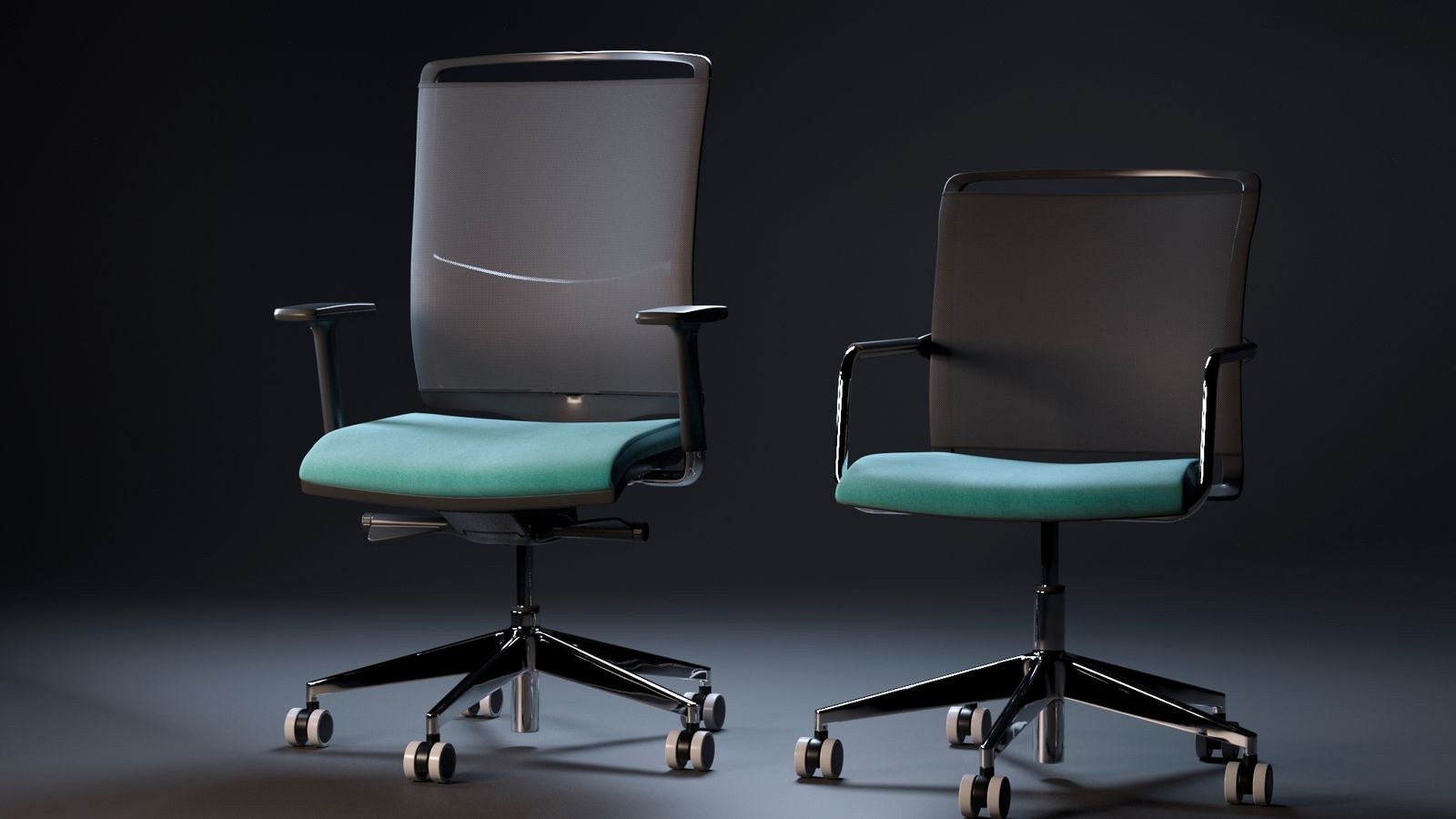
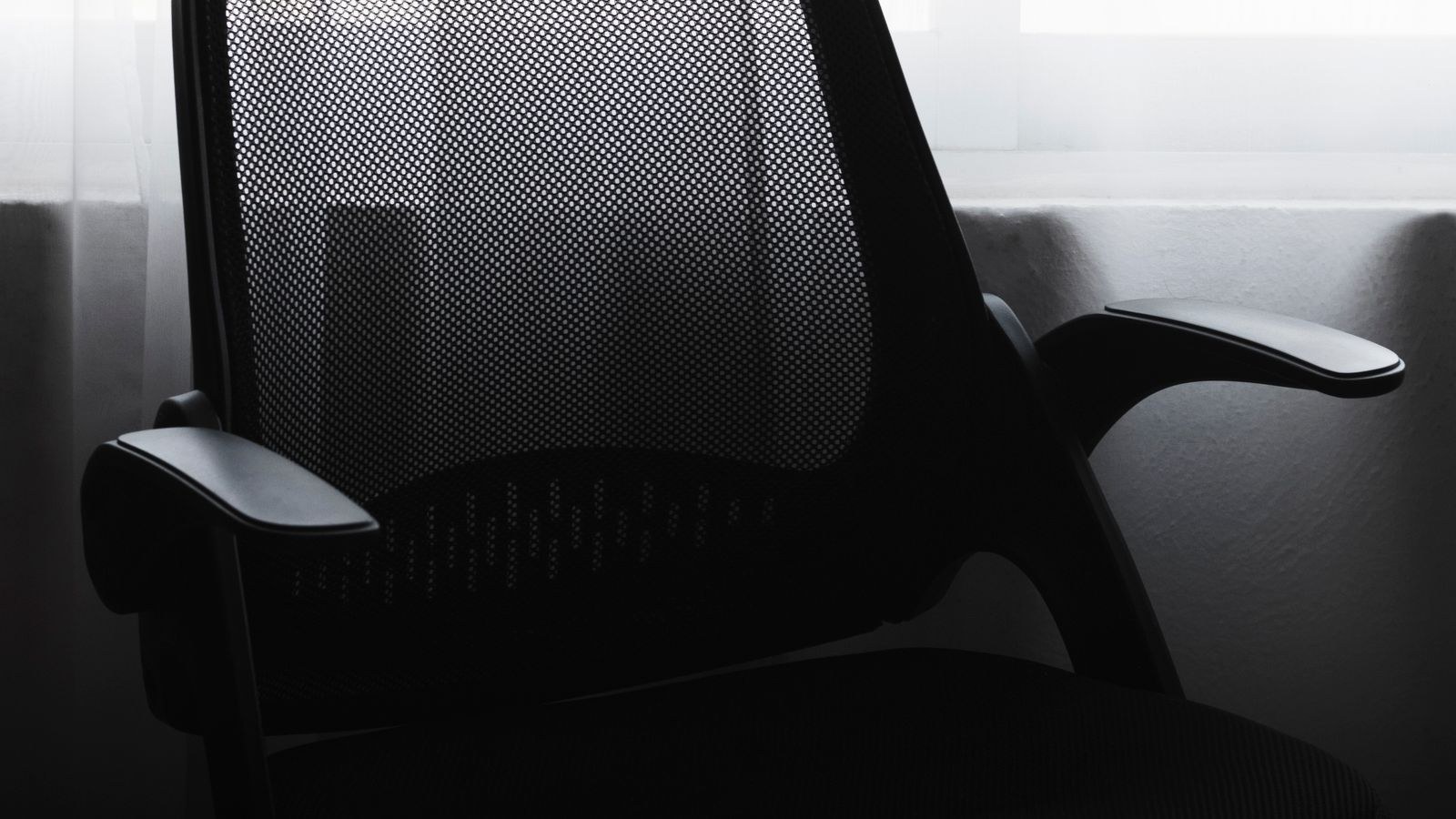
Mesh is an elastomeric textile stretched across a rigid frame, so it supports you by tension rather than compression. A foam seat squashes under your weight; a mesh panel stretches and suspends you inside the frame. Because air passes straight through the weave, body heat and moisture escape instead of building up.
Not all mesh is equal, though. Cheap chairs use a loose polyester weave stapled over a plastic ring, which sags within months. Better chairs use a knitted elastomer with varying density across the panel, so the middle gives more than the edges and the material springs back to shape when you stand. When you shop, press your palm hard into the centre of the backrest. Good mesh resists smoothly and rebounds instantly; poor mesh feels either like a trampoline or like a stiff net over nothing.
Breathability: The Real Advantage
Airflow is the reason mesh exists. A padded chair traps a warm, humid microclimate against your back and under your thighs, and that discomfort is one of the most common reasons people fidget, stand up early or blame the chair for back pain that is really just heat. Mesh solves that almost completely on the backrest, where a panel of open weave sits directly against your shirt.
The gain is largest if you work in a room without air conditioning, if you sit in direct sun for part of the day, or if you simply run warm. It also matters for gaming sessions, where you stay put for hours at a stretch. If temperature is your main complaint about your current chair, mesh is the single highest-impact change you can make, and our roundup of the best mesh office chairs is the fastest place to see how different weaves and frames compare.
Mesh Backs Versus Full Mesh
Many chairs pair a mesh backrest with a conventional foam-and-fabric seat pan. This hybrid is often the sweet spot: you get airflow where you sweat most while keeping a cushioned seat that spreads pressure through your sit bones. Full-mesh chairs, with a suspended seat as well, breathe better still but demand much higher build quality, because a badly designed mesh seat concentrates pressure along the front lip. If you want the cooling without the seat gamble, a mesh-back hybrid is the safer default for most buyers.
Support: Where Mesh Wins and Where It Struggles
A well-tensioned mesh back conforms to your spine continuously rather than in the few places foam happens to touch. That makes it excellent at distributing pressure and at accommodating people who shift position frequently through the day. Because the panel flexes, a single chair can fit a wider range of body shapes than a moulded foam back with a fixed lumbar bump.
Where mesh struggles is at the edges. Every mesh panel must attach to a frame, and that frame is hard. On the seat, the front edge sits directly behind your knees; if the frame is too high or too shallow, it presses on the underside of your thighs and restricts circulation. On the back, a narrow frame can dig into your shoulder blades. Look for chairs where the seat frame is recessed or wrapped in a soft edge, and where the mesh runs slightly beyond the frame line rather than stopping abruptly.
Mesh Tension Is the Spec Nobody Lists
Tension determines whether a mesh chair feels supportive or hammock-like, yet it almost never appears on a spec sheet. Too loose and you sink into a sling, losing the upright posture the chair was supposed to encourage. Too tight and the surface behaves like a hard board with none of mesh’s conforming benefit. The practical test is to sit fully back and see how far the panel deflects. Roughly two to three centimetres of give at the lumbar area, with the frame never contacting your spine, is the range most people find comfortable. If you can feel the frame through the mesh, the tension is wrong for your weight.
Lumbar Support in a Mesh Chair
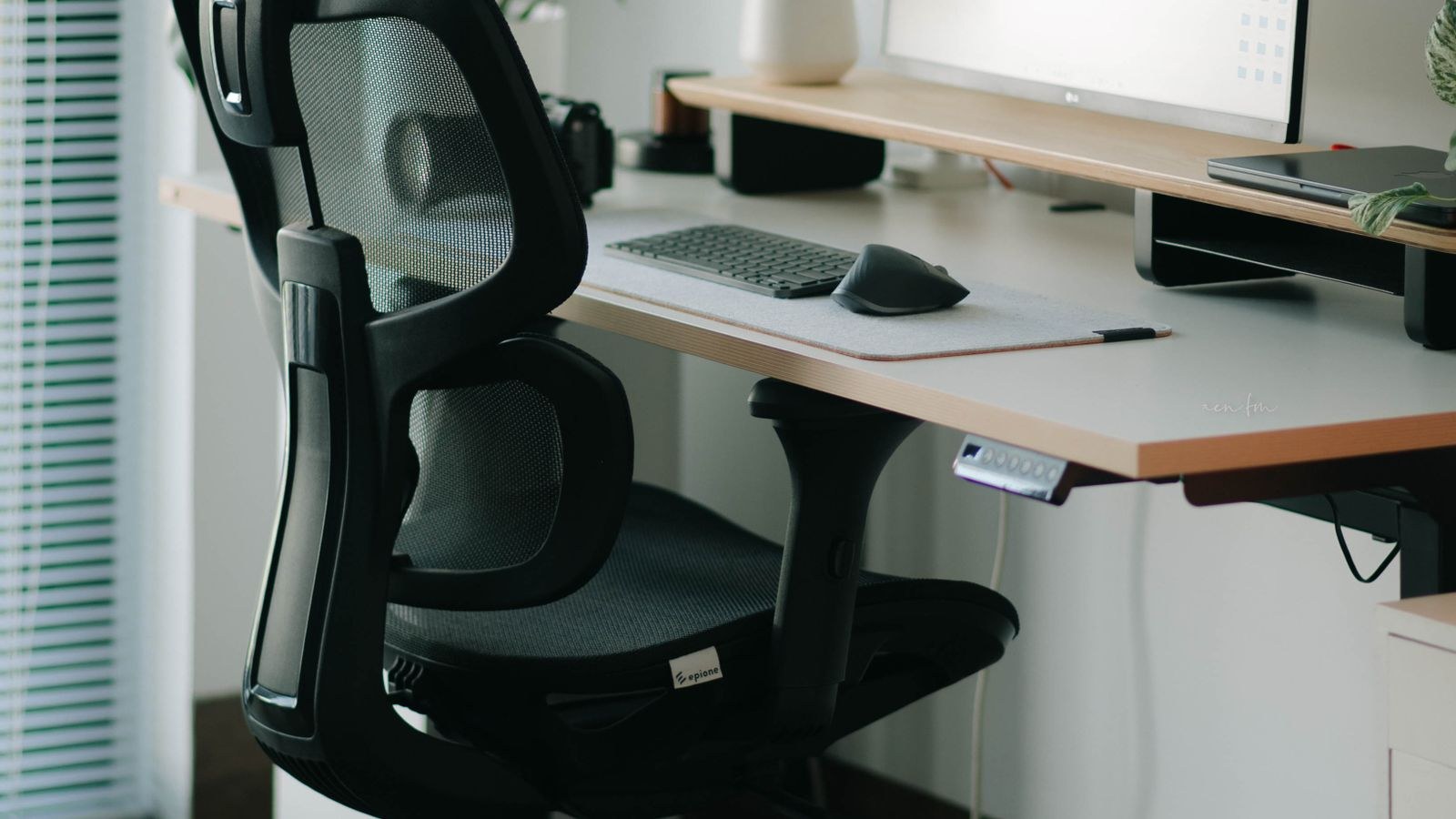
Because mesh flexes, lumbar support has to be engineered separately rather than sculpted into foam. There are three common approaches. A fixed lumbar curve builds the shape into the frame, which is cheap and works if your spine happens to match it. An adjustable lumbar pad slides up and down behind or in front of the mesh, letting you place the support exactly at your belt line. The best implementations tension a separate lumbar band across the lower panel so the support scales with how hard you lean.
Height adjustment matters more than pressure adjustment. Most lower back pain from office chairs comes from support landing too high, above the natural inward curve of the lumbar spine. Prioritise a chair whose lumbar element moves vertically over one that only lets you dial firmness. If you are comparing candidates side by side, the best mesh desk chairs list is useful for spotting which support systems are genuinely adjustable rather than decorative.
Durability: How Long Does Mesh Last?
The honest answer is that it depends entirely on the material. Quality elastomeric mesh from a reputable manufacturer holds its tension for a decade or more and is often covered by a long warranty that explicitly includes the mesh panel. Budget polyester mesh, by contrast, relaxes progressively; after a year or two the seat develops a permanent dish and the back loses its spring. Once mesh stretches, it does not come back.
Three warranty details tell you a lot. Check whether the mesh itself is covered or only the frame and gas lift. Check the stated weight rating, and treat anything at the low end as a sign of light construction. Check whether the mesh is replaceable, because on better chairs the panel is a serviceable part rather than glued into the shell. Foam has the opposite failure mode: it compresses and flattens, which is usually more gradual but equally terminal.
Cleaning and Maintenance
Mesh is easy to keep clean because there is nothing for dust to sink into. Vacuum it monthly and treat spills with mild soapy water. Tighten the seat and armrest bolts twice a year; a wobbling frame stresses the mesh unevenly and accelerates sagging on one side.
Mesh Versus Fabric Versus Leather
Each surface has a clear best-use case. Mesh wins on airflow, weight and conforming support, and it suits warm rooms and long sitting sessions. Padded fabric wins on cushioning and initial comfort, works better in cold rooms, and is usually cheaper at a given build quality, but it traps heat and stains more easily. Leather and faux leather win on appearance and wipe-clean convenience, and they suit formal or executive settings, but they are the hottest option of the three and faux leather in particular tends to crack at stress points over time.
A practical rule: choose by the problem you are solving. If you overheat, buy mesh. If your current chair feels too hard, buy padding. If the chair sits in a client-facing room, leather may earn its place. For a fuller side-by-side breakdown of the trade-offs, see our comparison of mesh vs fabric vs leather desk chairs.
Mesh for Gaming and Long Sessions
Gaming chairs have traditionally been padded racing-style shells, which look dramatic but turn into personal saunas over a four-hour session. Mesh alternatives have grown quickly for exactly that reason. The requirements differ slightly from office use: gamers lean back further, use armrests more aggressively for controller and mouse support, and value recline range highly. Look for a strong tilt mechanism with a lockable range, four-way armrests, and a headrest that adjusts in both height and angle. If that is your use case, the best full mesh gaming chairs roundup covers models built for long recline sessions rather than desk posture alone.
Budget Tiers and What Each One Buys
At the entry level you get a mesh back over a foam seat, a basic tilt, height-adjustable armrests and a fixed lumbar curve. These are a real upgrade over a plain padded chair for heat, but expect the mesh to relax within a couple of years. In the mid range you gain adjustable lumbar height, four-way armrests, a synchro-tilt that reclines the back and seat at different rates, and noticeably better mesh with a longer warranty. This tier is where most people should land.
At the top end you pay for engineered elastomeric mesh with zoned tension, seat depth adjustment, replaceable parts and long warranties. Buy the lowest tier that includes adjustable lumbar height and seat depth, then spend the difference on a monitor arm. Browsing a broad list such as the best mesh chairs makes the jump between tiers easier to see.
Common Mistakes When Buying a Mesh Chair
- Judging by a two-minute sit. Mesh feels firm at first and softens perceptually over an hour. Test for at least fifteen minutes if you can.
- Ignoring the seat front edge. This is the number one comfort failure in full-mesh chairs. Check for thigh pressure specifically.
- Assuming all mesh breathes equally. A tightly woven, coated mesh can be nearly as warm as fabric. Hold it up to the light and look for open weave.
- Skipping seat depth. A seat that is too deep forces you forward off the lumbar support, undoing the chair’s main benefit.
- Buying on appearance. A slim frame photographs beautifully and often means less material where support is needed.
A Five-Point Checklist Before You Buy
- Does the lumbar support move up and down? Height adjustment matters more than firmness.
- Can you adjust seat depth? You want two to three fingers of clearance behind your knees.
- Is the front seat edge soft or recessed? Press it hard with your thumb and see what the frame does.
- Does the warranty cover the mesh itself? Frame-only coverage tells you what the maker expects to fail.
- Do the armrests adjust in width and depth? Fixed arms force your shoulders into the chair’s dimensions, not yours.
Frequently Asked Questions
Are mesh chairs bad for your back?
No, provided the lumbar support is positioned correctly and the mesh is properly tensioned. Back complaints from mesh chairs almost always trace to support sitting too high, a seat that is too deep, or a sagging panel on a worn-out budget chair rather than to mesh as a material.
Do mesh seats sag over time?
Cheap polyester mesh does, often noticeably within one to two years. Engineered elastomeric mesh from a manufacturer offering a long warranty on the panel itself holds tension far longer. The material grade, not the mesh concept, determines the outcome.
Is a mesh seat as comfortable as a padded one?
For most people a padded seat feels more comfortable in the first ten minutes, while a good mesh seat feels better after two hours because it neither traps heat nor develops hot spots. If you are unsure, a mesh back with a padded seat gives you both benefits.
How do I stop the front edge digging into my thighs?
Lower the seat until your feet rest flat, then shorten seat depth if the chair allows it. A footrest helps if pressure persists.
Final Thoughts
Mesh is not automatically better than foam; it is better at a specific set of things. It removes heat, conforms across a wide range of body shapes, and stays light and easy to clean. In exchange it demands more from the frame, punishes cheap materials with visible sagging, and can pinch at the seat edge when badly designed. Shop with that trade in mind. Check the tension, insist on adjustable lumbar height and seat depth, read what the warranty actually covers, and pick the cheapest chair that clears those bars rather than the most expensive one in the showroom. Do that and a mesh chair will keep you cooler and better supported through every long working day in 2026.