Owen Bradley
 Walk into any audio store and you will find two speakers that look almost identical sitting side by side at wildly different prices. One has a power cord and a volume knob. The other has nothing but a pair of metal binding posts on the back. That single difference, whether the amplifier lives inside the speaker or outside it, changes how you wire your system, what else you have to buy, and how easily you can upgrade later. Understanding powered vs passive speakers is the fastest way to stop comparing the wrong products against each other. This guide explains what each design actually is, where each one shines, and how to decide which belongs on your desk, in your den, or under your television.
The Core Difference in One Paragraph
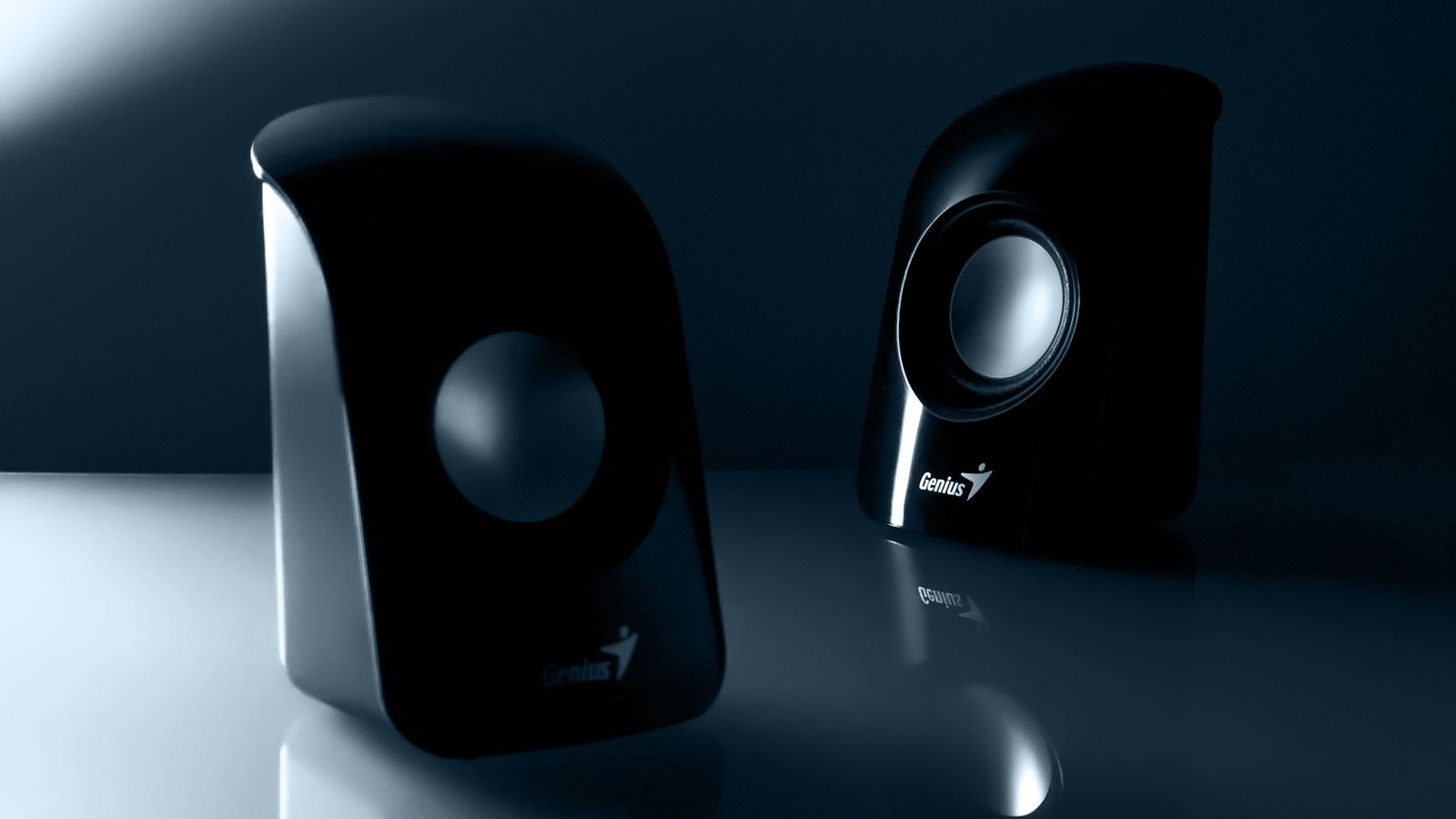
Every loudspeaker needs an amplifier, because the signal coming out of a phone, a turntable, or a streaming device is far too weak to move a driver. A passive speaker has no amplifier inside it. It relies on an external amplifier or receiver, connected with two-conductor speaker cable, to supply the power. A powered speaker has the amplifier built into the cabinet, so it plugs into a wall outlet and accepts a line-level or digital signal directly from your source.
That is the whole distinction. Everything else, the wiring, the price comparison, the upgrade path, and the sound quality arguments, flows from where the amplifier lives.
Powered Versus Active: Not Quite the Same Thing
The terms get used interchangeably, but purists draw a line. A powered speaker simply has an amplifier built in, usually one amplifier feeding a conventional passive crossover that splits the signal to the tweeter and woofer. A true active speaker splits the signal electronically first, then feeds each driver its own dedicated amplifier. Active designs give the engineer precise control over each driver and are the standard in professional studio monitoring.
In practice most consumer products marketed as active are simply powered, and the marketing rarely clarifies. If bi-amplification matters to you, check the specification sheet for separate wattage figures per driver rather than trusting the label on the box. Our comparison of the best active speakers highlights which models genuinely use dedicated amplification per driver.
What You Have to Buy With Each
A pair of powered speakers is usually a complete system. Plug them into power, run a cable from your source, and you have sound. Most include the input selection, volume control, and often Bluetooth or a USB input, meaning the box on the shelf is the entire signal chain after your phone or computer.
A pair of passive speakers is one component of a system. You also need an amplifier or an AV receiver rated to drive them, speaker cable in a suitable gauge for the run length, and possibly a digital-to-analogue converter or a phono stage depending on your sources. That is three or four purchases instead of one, and each has its own compatibility questions.
This is why price comparisons mislead. A pair of powered speakers at a given price includes amplification that a passive pair at the same price does not. Once you add the cost of a decent integrated amplifier, the passive system typically lands well above the powered one for equivalent performance. Where the passive route wins is at the higher end, and in flexibility over the long term. Our guide to the best amplifier for speakers covers how to size an amplifier to a given sensitivity and impedance so you do not undershoot.
The Case for Powered Speakers
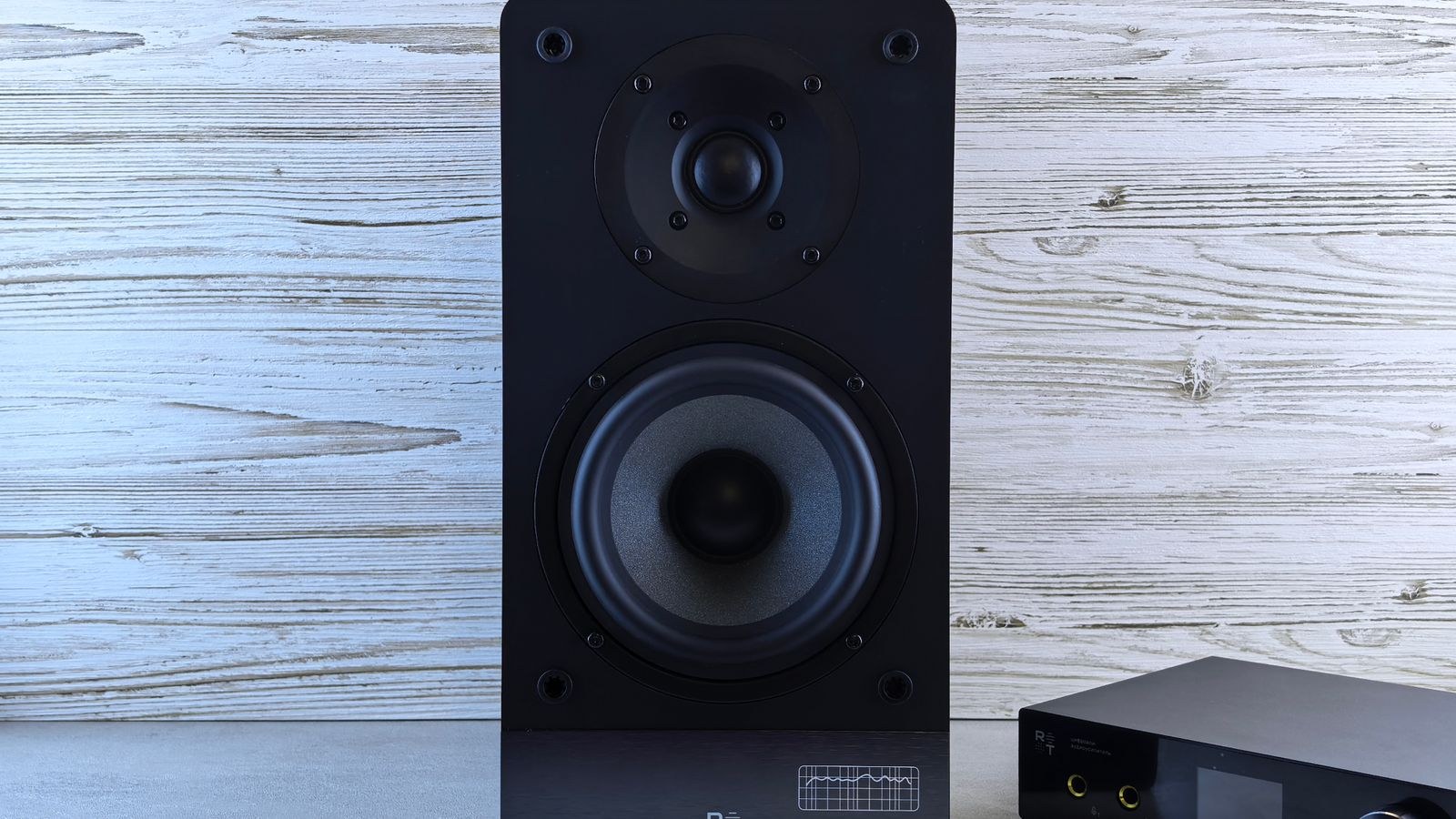
Simplicity is the headline benefit, but it is not the only one. Because the manufacturer knows exactly which drivers the internal amplifier will drive, the amplifier can be matched precisely to those drivers. There is no risk of buying an underpowered receiver that clips and cooks a tweeter, and no chance of an impedance mismatch. The engineering is done for you.
Powered designs also make room for digital signal processing. Many include correction filters that flatten the response, protective limiters that prevent over-excursion, and sometimes a room compensation switch for placement near a wall. That processing is only possible when the amplifier and the drivers ship as one unit.
The practical advantages matter day to day too. Fewer boxes means fewer cables, less shelf space, and one fewer thing to power on. For a desk setup, a bedroom, a small apartment, or any situation where a rack of separate components is unwelcome, powered speakers are the obvious answer. Browse the best powered speakers for options that cover everything from nearfield desktop use to full living room duty.
The Drawbacks Nobody Mentions in the Ad
Every powered speaker needs mains power at its location, which means a wall outlet or an extension lead running to each cabinet. On a desk that is trivial. On a bookshelf across the room from the nearest socket, it is an eyesore or a wiring job.
There is also the question of what happens when the electronics fail. In a passive system, a dead amplifier is a replaceable box and your speakers are untouched. In a powered speaker, an amplifier failure can mean the whole cabinet needs service, and if the model is discontinued, parts may be unavailable. Amplifier modules also generate heat inside the enclosure, which is one reason well-designed powered speakers ventilate the rear panel.
Finally, upgrading means replacing everything. You cannot swap in a better amplifier later, because the amplifier is not a separate purchase.
The Case for Passive Speakers
Passive speakers give you a modular system, and modularity is a genuine long-term advantage. You can keep a beloved pair of cabinets for a decade and change amplifiers three times as your budget or taste evolves. You can add a second pair for another room, run a multi-zone amplifier, or move to a full surround receiver without discarding anything.
Choice is far wider too. The overwhelming majority of speakers built above the mid-range are passive, so if you are shopping for a specific cabinet size, driver material, or brand character, the passive market is where you will find it. The same applies to home cinema, where an AV receiver drives five, seven, or more channels and expects passive speakers throughout. Our shortlist of the best passive speakers covers standmount and tower options for both music and surround duty.
Passive systems also keep the heat-generating electronics away from the drivers and away from the cabinet, and they need only a single mains outlet for the amplifier rather than power at each speaker location.
Which Setup Suits Which Room
For a computer desk, powered is almost always right. The listening distance is short, the source is a computer with a digital output, and space for a separate amplifier rarely exists. Look for a design with a USB or optical input so you can bypass a noisy motherboard audio circuit entirely. Compact models built for exactly this job appear in our roundup of the best powered bookshelf speakers.
For a den, a bedroom, or a small living room used mainly for streaming and casual listening, powered speakers still make strong sense, particularly ones with Bluetooth or network streaming built in. The whole system is two boxes.
For a dedicated listening room, a large open-plan space, or any home cinema with surround channels, passive is the more sensible foundation. Multi-channel amplification is centralised in the receiver, every channel gets consistent power, and future upgrades touch one component rather than five cabinets.
Does One Sound Better Than the Other?
Neither topology has an inherent sonic advantage. A well-engineered powered speaker with a matched amplifier and digital correction can outperform a passive speaker driven by an unsuitable receiver. An excellent passive speaker paired with a capable amplifier can outperform a powered speaker built to a budget where the internal electronics were the first thing compromised.
What actually determines sound quality is driver quality, cabinet construction, crossover design, and how well the speaker suits the room it is placed in. Those factors dwarf the powered versus passive question. Judge specific products, not categories.
Specifications That Actually Matter
- Wattage, honestly quoted. Look for continuous RMS power into a stated impedance, not peak or “maximum” figures. A powered speaker quoted at 50W RMS per channel is more useful information than one quoted at 300W peak.
- Sensitivity and impedance, for passive. A speaker rated 87dB at 4 ohms demands substantially more from an amplifier than one rated 91dB at 8 ohms.
- Inputs. Powered speakers vary enormously here. Confirm you have the connection your source needs: analogue RCA, 3.5mm, optical, coaxial, USB, or a phono input if you own a turntable without its own preamplifier.
- Subwoofer output. A line-level sub output on a powered speaker saves you buying a separate crossover later.
- Master and satellite wiring. Most powered pairs put the electronics in one cabinet and run a cable to the other, so check which side has the sockets before planning your layout.
Common Mistakes to Avoid
The most expensive mistake is comparing a powered pair against a passive pair on price alone and forgetting to add an amplifier to the passive column. Price the complete system in both cases, including cable, and the comparison becomes fair.
The second is buying passive speakers first and choosing an amplifier afterwards from whatever is on sale. An amplifier that cannot deliver enough clean current into your speakers’ impedance will clip, and clipping is what destroys tweeters. Decide the pair, read the sensitivity and impedance, then buy amplification with headroom.
A third is ignoring mains power placement for powered speakers. Measure the distance from each intended speaker position to the nearest outlet before you buy, because retrofitting power to a shelf across the room is a bigger job than running a length of speaker cable.
Frequently Asked Questions
Can I connect passive speakers to a powered speaker?
No. A powered speaker’s output goes to its own drivers and has no facility to drive an external passive cabinet. You would need a separate amplifier for the passive pair.
Do powered speakers work with a turntable?
Only if a phono stage sits somewhere in the chain. Some powered speakers include a switchable phono input, and many turntables have a built-in preamplifier. If neither does, you need an external phono stage between the two.
Are studio monitors the same as powered speakers?
Most studio monitors are powered or fully active, but they are voiced for a flat, revealing response rather than an enjoyable one. They can be excellent for desktop listening if you like accuracy over warmth, and they are usually designed for nearfield distances.
Which lasts longer?
Passive speakers, generally, because they contain no electronics to fail and no capacitors ageing under heat. A well-built passive cabinet can serve for decades while amplifiers come and go around it.
Final Thoughts
The powered versus passive decision is really a question about how you want to live with your system. If you value fewer boxes, guaranteed matching, and a single purchase that works out of the box, powered speakers are a genuinely modern and well-engineered answer. If you value flexibility, a wider choice of cabinets, and a system you can improve one component at a time, passive is the foundation to build on. Decide which of those matters more to you, price the complete chain for each option, and then spend your listening time comparing actual products rather than categories.