Owen Bradley
 A dishwasher is one of the few appliances you interact with every single day, which means the details you overlook at purchase become daily irritations. A machine that is 5mm too tall for the cabinet gap, a rack layout that refuses to take your dinner plates, a drying system that leaves plastics soaking wet, or a motor loud enough to drown out the television in an open-plan kitchen: none of these show up in a headline spec, and all of them shape whether you like the appliance. This dishwasher buying guide walks through the decisions that actually matter in 2026, from width and installation type to decibel ratings, rack design, drying technology, and which cycles genuinely earn a place on the dial.
Start With Size and the Space You Have
Dishwasher sizing is largely standardised, which is helpful, but the standards leave less tolerance than people expect. The common full-size width is 60cm, or 24 inches, and it is the format most kitchens are designed around. The slimline alternative is 45cm, or 18 inches, which sacrifices roughly a third of the capacity in exchange for freeing up cabinet space in a narrow kitchen.
Measure three dimensions before shopping: the width of the aperture, the height from finished floor to the underside of the worktop, and the depth from the back wall to the front edge of the cabinet run. Then add a fourth check that people skip: the door swing. A dishwasher door drops forward into the room, and if it collides with an island, an oven door, or a doorway, you will fight it every time you load. Leave clearance for both the door and a person standing in front of it.
Full Size Versus Slimline Capacity
Capacity is quoted in place settings. A full-size machine typically handles twelve to fifteen settings; a slimline usually manages nine or ten. The gap sounds modest but matters in practice, because a smaller machine fills faster and you run it more often, which partly erases the water and energy savings its smaller load implies. As a rough rule, a household of one or two is well served by a slimline, three or more people generally want full size, and anyone who cooks elaborately should size up regardless of headcount, because pots and mixing bowls eat capacity fast.
Freestanding, Integrated, or Semi-Integrated
Installation type determines both look and flexibility. A freestanding machine has finished sides and a visible control panel, stands anywhere with plumbing, and moves with you if you rent. An integrated machine hides behind a cabinet door matching the rest of the kitchen, with controls on the top edge of the door, so the appliance disappears visually. A semi-integrated design splits the difference, taking a cabinet panel on the lower portion while leaving a visible control strip so you can see cycle status without opening the door.
Integrated units cost more, need a door panel, and require accurate installation, but they deliver the seamless kitchen most people want. One practical drawback: with fully integrated controls hidden on the top edge, you cannot glance at remaining time. Many models compensate by projecting a light onto the floor to show the cycle is running. Also consider countertop and slimline portable formats if plumbing is limited, and think about how the machine pairs with your sink setup, since some kitchens benefit from upgrading to one of the best smart faucets at the same time the plumbing is opened up.
Noise: Reading Decibel Ratings Properly
Decibels are the spec that most affects daily comfort and the one shoppers most often ignore. Modern dishwashers usually land somewhere between about 38dB and 55dB. Because the decibel scale is logarithmic, small numeric differences are larger than they look: a drop of 10dB is perceived as roughly half the loudness, not a tenth less.
Where to draw the line depends on your kitchen. In a closed kitchen with a door, anything up to around 48dB is unlikely to bother you. In an open-plan space where the kitchen shares air with the sofa and the television, aim for 44dB or lower, and below 42dB if you run the machine in the evening while people are in the room. Quiet operation comes from heavier insulation, better door sealing, and a brushless motor, all of which add cost, so noise is one of the clearest cases where paying more buys something you notice every day.
Rack Layout and Loading Flexibility
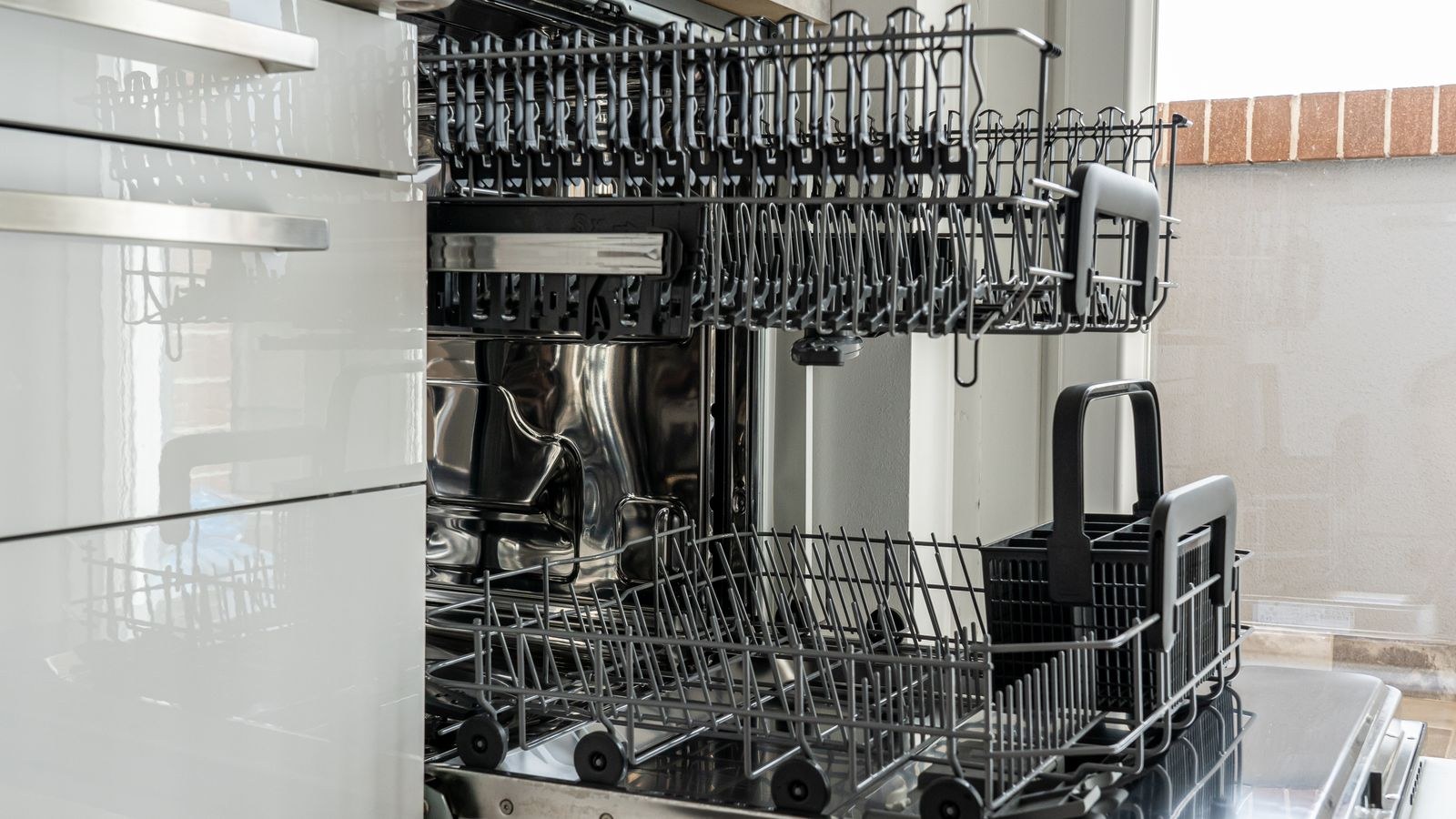
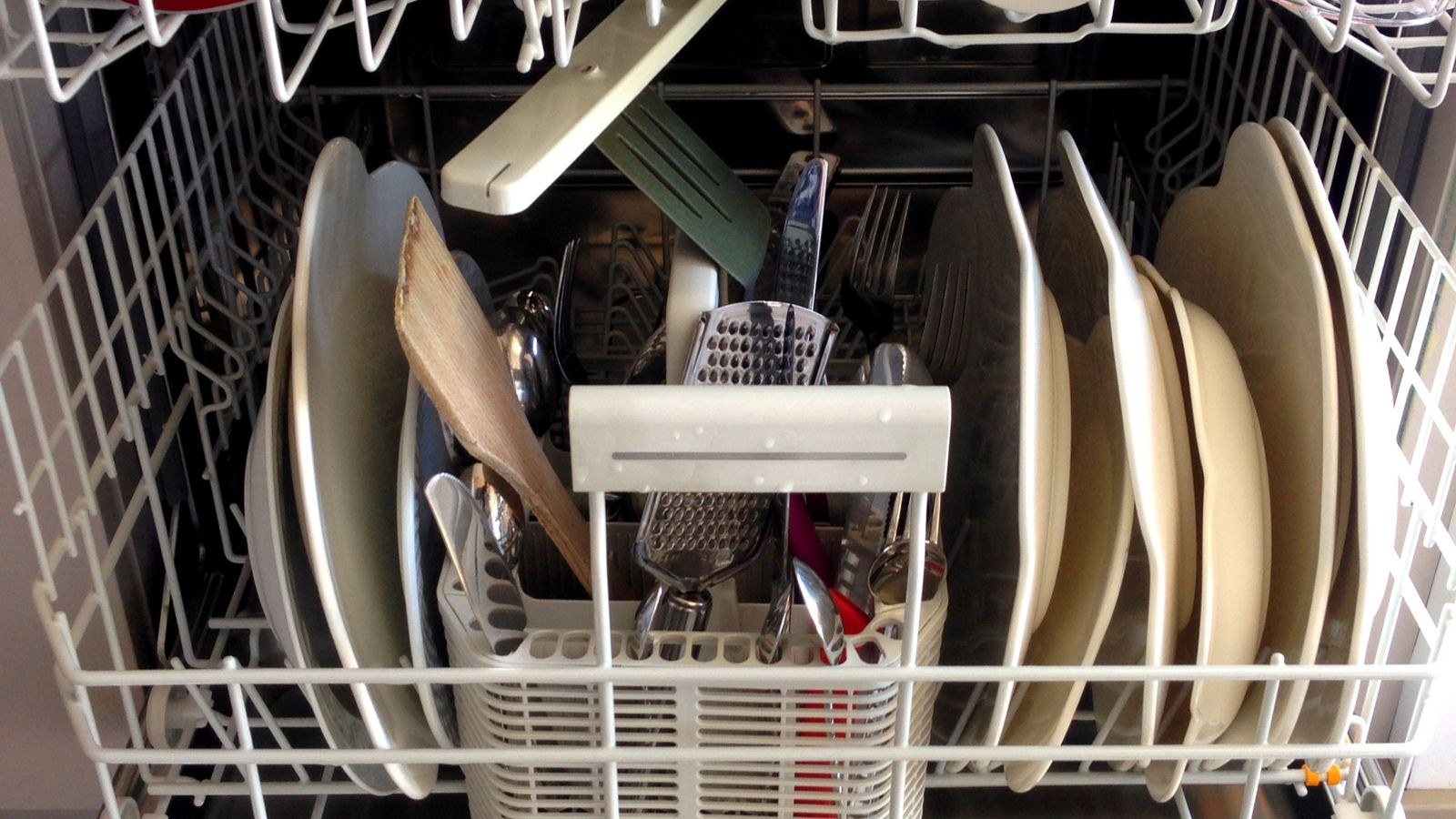
Two machines with identical stated capacity can differ enormously in how much of your actual crockery they swallow, and the difference is rack design. The features worth looking for are adjustability and the ability to reconfigure rather than raw tine count.
- Height-adjustable upper rack so you can raise it for tall plates below or lower it for stemware above.
- Foldable tines in both baskets, which let you flatten sections for pans, casserole dishes, and awkward bowls.
- A third cutlery drawer across the top, which frees the lower basket space a cutlery basket would otherwise occupy.
- Adjustable or removable cup shelves for mugs, small glasses, and utensils.
- Wide tine spacing in at least part of the lower basket, because tightly packed tines refuse thick plates.
If you own large dinner plates, take their diameter with you or check the specification, because plate diameter limits vary and an oversized plate that will not stand upright is a permanent annoyance. Similarly, if you use tall wine glasses regularly, confirm the upper rack height at its raised position.
Drying Systems and Why Plastics Stay Wet
Drying is where machines differ most in perceived quality. There are three common approaches. Condensation drying heats the final rinse and lets the stainless steel tub, which cools faster than the dishes, condense moisture and drain it away. It is efficient and quiet but slow, and it struggles with plastic items that hold little heat. Heated drying uses an element to warm the air, which is faster and more thorough but uses more energy and can warp delicate plastics. Mineral-assisted drying uses a compartment of zeolite that releases heat as it absorbs moisture, delivering strong results with low energy use, though it appears mainly on premium models.
Whichever system you get, rinse aid matters more than people assume. It lowers surface tension so water sheets off rather than beading, which is the difference between clear glassware and spotted glassware. Also leave the door ajar for a few minutes at the end of a cycle; the residual heat finishes the job for free.
Water Softeners and Hard Water
Many dishwashers include a built-in water softener that needs periodic salt. In a hard water area this is not optional cosmetic kit, it is what prevents limescale from coating the heating element and clouding your glasses permanently. Check your local water hardness, set the machine’s softener level to match, and keep the salt reservoir topped up. Combined tablets include a softening agent, but in genuinely hard water they are rarely enough on their own.
Cycles Worth Having and Cycles That Are Filler
Manufacturers advertise long programme lists, but most households use three. The eco cycle is the workhorse: it runs long at a lower temperature and is the one the energy label is measured on, making it the cheapest per load. An auto or sensor cycle uses turbidity sensors to judge soil level and adapt water and time, which is the most convenient default for mixed loads. A quick or express cycle handles lightly soiled dishes when you need them back in an hour.
Beyond that, an intensive programme for baked-on pans is genuinely useful, and a half load or upper basket only option helps small households. Programmes such as glass care and hygiene rinse are nice to have but rarely decisive. Treat a long cycle list as a weak signal and judge the machine on capacity, noise, drying, and build instead.
Efficiency, Running Costs, and Build Quality
Energy labels quote consumption per 100 cycles on the eco programme along with a water figure in litres per cycle. Modern machines use far less water than washing the same dishes by hand under a running tap, so the comparison worth making is between machines rather than between machine and sink. When two models are close on efficiency, weigh the difference against noise and drying quality, which you will notice more.
On build, a full stainless steel tub resists staining and odours better than a plastic one and helps condensation drying work. Look for a solid door hinge and a rack that rolls smoothly when loaded, since sagging rollers are a common long-term failure. Check that the filter is easy to remove and rinse, because a neglected filter is the leading cause of poor cleaning results and bad smells. Regular internal cleaning matters too, and the same maintenance products used elsewhere in the utility room apply here, as covered in our washing machine cleaner guide.
Keeping the Machine Clean
Any water-using appliance accumulates grease, limescale, and biofilm. A monthly maintenance run with a dedicated cleaner clears the spray arms, filter housing, and drain path so the machine keeps performing as designed. Products formulated for appliance interiors are covered in our roundups of the best washing machine cleaners and the wider list of best cleaners for washing machines, while single-dose options are compared in the guide to the best washing machine cleaner tablets. Alongside that, clear the spray arm holes with a pin if they clog and wipe the door seal so residue does not build in the fold.
Common Mistakes to Avoid
The most common error is measuring the width and nothing else, then discovering the height or door swing does not work. The second is buying on capacity while ignoring rack flexibility, which leaves you with a large machine that still cannot take your plates. The third is dismissing decibels as a luxury spec, which becomes obvious the first evening you cannot hear the television.
Two more are worth naming. Overloading is a false economy: dishes that block spray arms come out dirty and get rewashed, doubling the cost of the load. And skipping rinse aid and softener salt in hard water areas causes cloudy glassware and scale that eventually shortens the machine’s life. These are cheap consumables solving expensive problems.
Frequently Asked Questions
Is a slimline dishwasher enough for a family?
Usually not. A 45cm machine suits one or two people or a household that cooks lightly. With three or more people you will run it twice as often, which negates the smaller load’s savings and adds daily hassle.
What decibel rating counts as quiet?
Below about 44dB is quiet enough for open-plan living, and under 42dB is genuinely unobtrusive. Anything around 50dB or above is noticeable in the same room, though fine behind a closed kitchen door.
Do I need to rinse dishes before loading?
Scrape off solids, but do not pre-rinse. Sensor cycles judge soil level from the water, and spotlessly pre-rinsed dishes can cause the machine to select a lighter cycle than the load actually needs.
Why does plastic come out wet?
Plastic holds very little heat, so condensation drying cannot warm it enough to evaporate droplets. Load plastics on the top rack, use rinse aid, and open the door at the end of the cycle to let residual heat finish the job.
Final Thoughts
Buying a dishwasher well means resisting the pull of feature lists and focusing on four things: does it physically fit including the door swing, will its rack layout take the crockery you actually own, is it quiet enough for the room it lives in, and does its drying system suit what you wash. Get those right and the cycle count, smart connectivity, and finish options become preferences rather than decisions. Add rinse aid, keep the filter clean, set the water softener to your local hardness, and a well-chosen machine will run quietly in the background for years, which is exactly what you want from an appliance you use every day.