Owen Bradley
 Childproofing a living room is not about filling the space with plastic gadgets. It is about identifying the three or four things that could genuinely injure a small child, fixing those properly, and then dealing with the everyday annoyances like sticky hands and sharp corners. Tip-over accidents involving furniture and televisions send thousands of children to emergency rooms every year, and almost all of them are preventable with hardware that costs less than a takeaway. This guide walks through how to childproof living room furniture in a single weekend: anchoring the tall pieces, securing the TV, padding the impact points, managing cords and glass, and choosing seating that survives the toddler years without looking like a nursery.

What You Will Need
- Furniture anti-tip straps or L-brackets with the screws rated for your wall type.
- A TV mount or a dedicated TV anti-tip strap kit depending on whether the set is wall-mounted or on a stand.
- A stud finder and, for plasterboard without a stud, heavy-duty toggle anchors.
- Corner guards and edge bumper strips for coffee tables, hearths and console edges.
- Cord shorteners, cable covers and cord clips for lamps, consoles and blinds.
- Cabinet and drawer latches for anything storing small items, batteries or cleaning products.
- Outlet covers, ideally the sliding self-closing plate type rather than the plug-in caps a determined toddler can remove.
- A drill, screwdriver, spirit level and tape measure.
Step-by-Step Childproofing
- Get down to their eye level first. Before you buy anything, crawl the room on your hands and knees. You will see cords hanging within reach, a table edge exactly at forehead height, coins under the sofa and a bookcase shelf that makes a perfect ladder. Write down what you find. This five-minute exercise is more useful than any generic checklist because it reflects your actual room.
- Anchor every tall or top-heavy piece. Bookcases, shelving units, media consoles, tall speakers and any chest of drawers all need securing to the wall. Locate a stud with a stud finder and drive the bracket screw into solid timber. If there is no stud where you need one, use a heavy-duty toggle anchor rated well above the furniture weight, not a basic plastic plug. Fit two straps per unit, spaced wide, so the piece cannot pivot on a single point.
- Test the anchor properly. Once fitted, pull firmly on the top of the unit. It should not move at all. A strap that allows an inch of lean is not doing its job, and slack in a fabric strap is the most common installation error. Tighten until it is taut against the wall.
- Secure the television. A flat-screen on a stand is one of the highest-risk items in the room because it is heavy, top-heavy and irresistible to climb. Wall mounting is the safest option. If it must stay on a console, use a TV-specific strap kit that bolts into the VESA mounting holes on the back of the set and into the furniture or wall. Never rely on the TV’s own plastic foot.
- Clear the climbing route. Even an anchored unit is a hazard if a child can scale it. Move remote controls, toys, snacks and anything else attractive off high shelves, since a child climbing to reach a toy is the exact scenario most tip-over accidents describe. Keep the lower shelves for heavy, dull items and never store anything appealing above head height.
- Pad the impact points. Coffee tables, side tables, fireplace hearths and console edges all sit at head height for a toddler learning to walk. Fit corner guards on the four corners and edge strips along any run of sharp edge. Clean the surface with alcohol first or the adhesive will lift within a week. A glass-topped coffee table is worth swapping out entirely rather than padding, or at minimum replace it with a soft ottoman during these years.
- Deal with cords and blinds. Shorten every lamp and appliance cord so no loop hangs within reach, run cables behind furniture in a cover, and tie or fit an inline cleat to blind cords so no loop exists at all. Looped cords are a strangulation risk and dangling power cables can pull a heavy lamp down onto a child.
- Latch and empty the low storage. Fit latches on any cabinet or drawer within reach, then go one step further and simply relocate the genuinely dangerous contents. Button batteries, remote controls, cleaning sprays, candles, matches and anything small enough to swallow should live above adult shoulder height, not behind a latch a toddler will eventually defeat.
- Cover outlets and check the fireplace. Replace exposed sockets with self-closing outlet plates. If you have a working fireplace or stove, fit a fixed hearth gate rather than a freestanding screen, which will simply be pushed over.
- Re-audit every few months. A room that is safe for a crawler is not safe for a climber. As soon as the child starts pulling to stand, then climbing, repeat the eye-level crawl and reassess. The hazards move upward as they grow.
Choosing Furniture That Works With Small Children
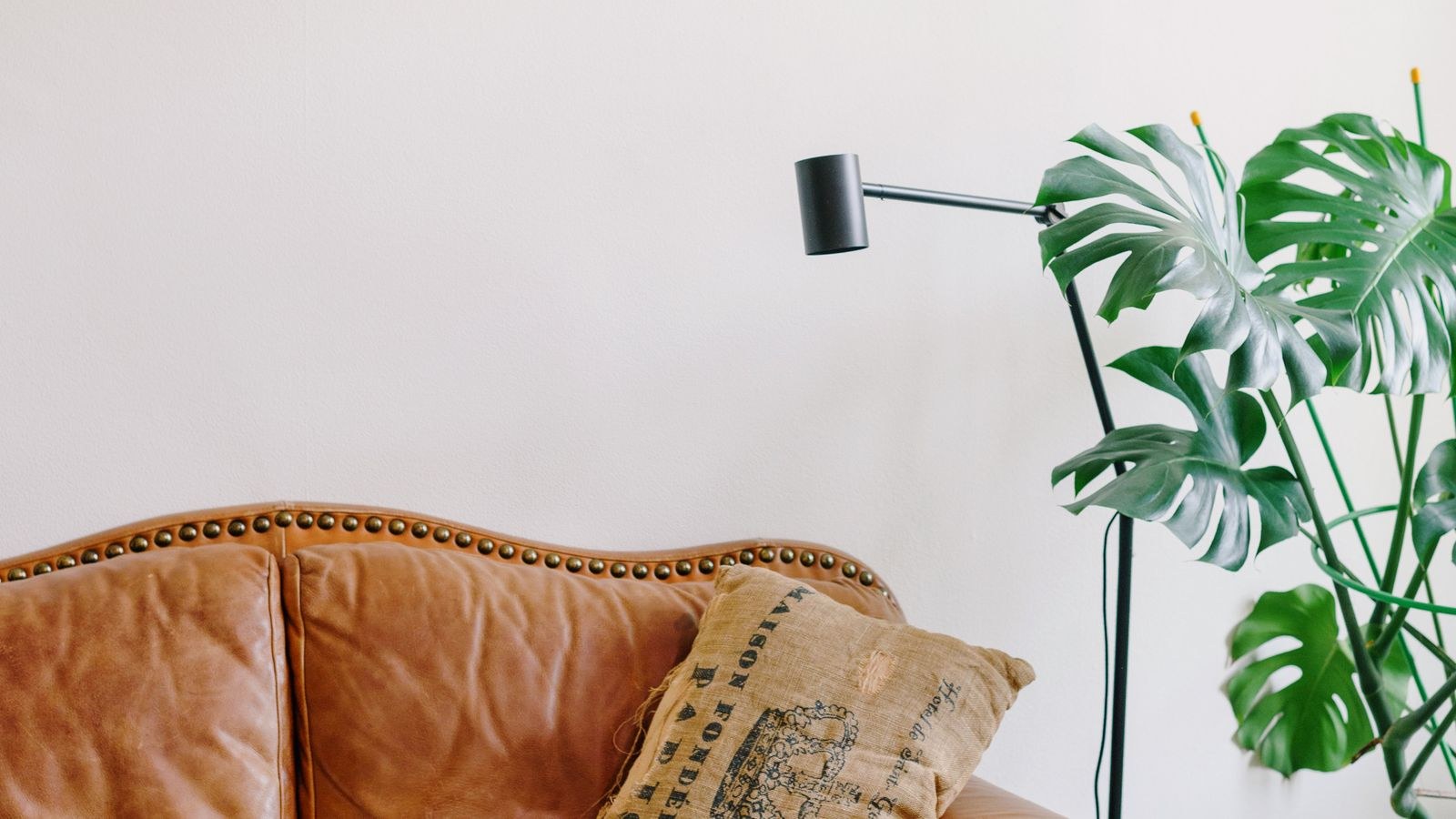
Childproofing is easier when the furniture itself cooperates. Rounded corners beat sharp ones, low centres of gravity beat tall narrow shapes, and removable washable covers beat anything dry-clean only. Tightly woven performance fabrics release stains far better than loose weaves and stand up to being climbed on, while leather and vinyl wipe clean instantly but scratch. Mid-tone colours and subtle patterns hide the marks that will inevitably appear.
If you are replacing seating during these years, it pays to shop with durability in mind rather than buying twice. Our roundup of the best sofas for kids focuses on frames and fabrics built for daily abuse, while the comparison of the best family friendly sofas looks at seat depth, cushion firmness and how well each design handles being used as a climbing frame. For spill resistance specifically, the guide to the best stain resistant sofas explains which treated fabrics actually work and which claims are marketing.
Adding Safe Seating of Their Own
Children climb adult furniture partly because there is nothing scaled to them. Giving them their own low, soft seating reduces the pull toward the sofa back and the media console. Floor-level options are the safest since there is nothing to fall from, and our list of the best bean bag chairs for kids covers the fill types and zip designs that stay safe. A small table and chair set gives them a defined zone for messy activities away from the good upholstery; the roundup of the best kids table and chairs compares heights and wipeable surfaces.

Common Mistakes to Avoid
- Assuming heavy furniture cannot tip. Weight does not prevent tipping; a child hanging on an open drawer creates enormous leverage regardless of mass.
- Screwing anchors into plasterboard alone. A plastic plug in plasterboard pulls straight out under load. Find a stud or use a rated toggle.
- Leaving slack in the strap. A loose strap lets the unit build momentum before it catches.
- Relying on latches for dangerous items. Relocate the hazard rather than trusting a mechanism to hold forever.
- Using plug-in outlet caps. They come out easily and become a choking hazard themselves.
- Padding a glass table instead of removing it. Corner guards do nothing about the pane itself.
- Childproofing once and forgetting. Capability changes month by month at this age.
A Room-by-Room Safety Sweep Checklist
Once the big fixes are done, walk the room once more with this list. It catches the details that a general childproofing kit never mentions but that parents run into within the first month of a child becoming mobile.
- Floor lamps that stand on a narrow base tip easily. Move them behind heavier furniture or swap to a table lamp that cannot be pulled over.
- Houseplants should be checked against a toxicity list and moved out of reach. Soil and small decorative pebbles are choking risks in their own right.
- Rugs without a non-slip underlay slide when a child pushes off them and cause falls into furniture edges.
- Sofa recliner mechanisms have serious pinch points. Lock the footrest when it is not in use and never let a child play underneath.
- Doors and hinges catch fingers. Fit a foam door stopper or a hinge guard on any door that swings freely into the room.
- Decorative bowls and candles on low tables are the first things a toddler reaches for. Clear the surfaces entirely rather than moving items an inch back.
- Under the sofa cushions collects coins, batteries and small toy parts. Check weekly.
Troubleshooting Common Problems
If corner guards keep falling off, the surface was not degreased before fitting or the furniture finish is repelling the adhesive. Clean with rubbing alcohol, warm the adhesive slightly with a hair dryer, press firmly and leave it a full day before it takes any knocks. If a piece of furniture has no flat back panel to anchor into, use an L-bracket into the top surface instead, or move the unit into a spot where a strap can reach a stud. Rental properties complicate wall fixings, but most landlords accept small screw holes that will be filled, and the alternative is leaving a genuine tip-over risk in the room. Where drilling is truly impossible, replace tall narrow units with low, wide ones that cannot tip in the first place.
Frequently Asked Questions
Which furniture must be anchored?
Anything taller than it is wide, anything with drawers, all bookcases and shelving, media consoles and freestanding televisions. If you can lean on it and feel it shift, anchor it.
Are anti-tip straps enough for a heavy TV?
A strap kit bolted into the TV’s VESA holes and into a stud is effective, but wall mounting is safer still because it removes the console from the equation entirely.
When should I start childproofing?
Before the baby is mobile, ideally around the four to six month mark. Once crawling starts you will not have the uninterrupted time to do it properly.
Do I need to childproof if we always supervise?
Yes. Tip-over accidents happen in seconds, often while an adult is in the same room. Hardware works when attention lapses.
Final Thoughts
The highest-value work in childproofing a living room takes about two hours: anchor every tall piece into a stud, secure the television, and remove anything climbable or swallowable from low storage. Corner guards, cord covers and latches handle the rest and take another afternoon. Beyond that, let the furniture do some of the work by choosing washable, rounded, low-slung pieces that suit family life anyway. Repeat the eye-level crawl every few months as your child gets taller and more inventive, and the living room stays a place you can relax in rather than one you constantly police.