
 Owen Bradley
 Your home network is the gateway to every connected device in your house, from laptops and phones to smart cameras, doorbells, and thermostats. Left unsecured, it becomes an easy target for hackers looking to steal personal data, hijack devices, or quietly use your bandwidth for malicious activity. The reassuring news is that locking down your network doesn’t require advanced technical skills — just a methodical walk through your router’s settings. This guide covers the essential steps to keep intruders out and your data safe.
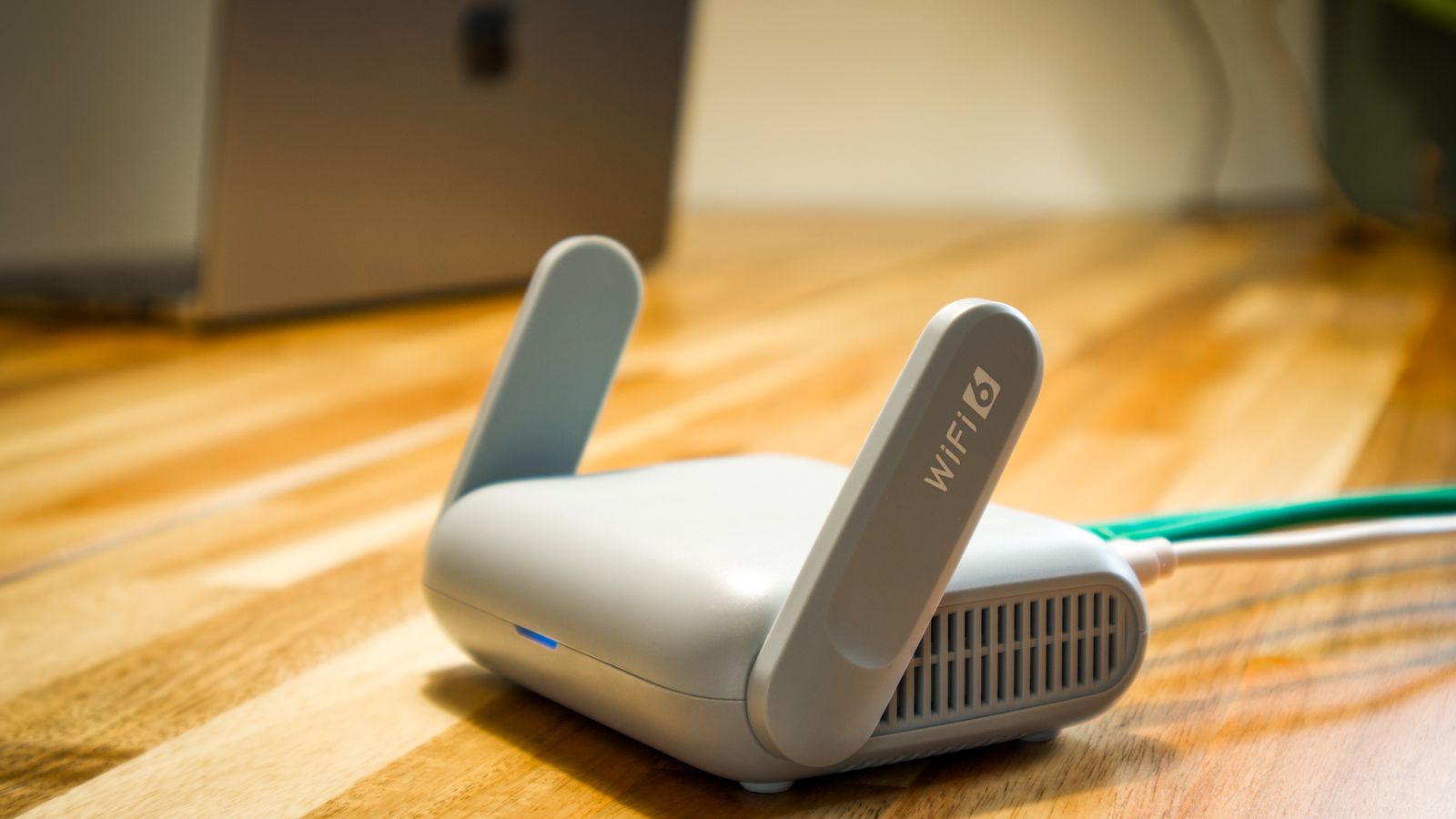
Why Home Network Security Matters
Many households never change their router’s default settings, leaving well-known admin passwords and outdated encryption in place. Hackers actively scan for these predictable vulnerabilities because they’re so common. A compromised router can expose everything from banking sessions and private messages to live feeds from your security cameras. Because every device in your home connects through the router, securing it protects your entire digital life at once.
Common Ways Home Networks Get Breached
- Default or weak admin passwords that are easy to guess
- Outdated firmware with unpatched security holes
- Old encryption standards that can be cracked
- Exposed remote management left enabled by default
- Insecure smart home devices connected directly to the main network
What You’ll Need
- Access to your router’s admin panel via browser or app
- A password manager to generate and store strong credentials
- A few minutes to review your connected devices
Step-by-Step: Securing Your Home Network
- Change the default admin password. Log into your router’s admin panel and immediately replace the factory default password with a strong, unique one that isn’t used anywhere else.
- Update your Wi-Fi network password. Use a long, complex passphrase rather than a short word, and change it if it has ever been widely shared.
- Enable WPA3 encryption if available. WPA3 is significantly more secure than the older WPA2 standard. If your current router doesn’t support it, the best wpa3 routers guide highlights models built with modern encryption from the start.
- Disable remote management. Turn off any setting that allows router configuration from outside your home network unless you have a specific, ongoing need for it.
- Update your router’s firmware. Security patches are released regularly to fix newly discovered flaws. Install the latest firmware and enable automatic updates if the option exists.
- Turn on the built-in firewall. Most routers include a basic firewall that should be active; confirm it’s enabled in your settings.
- Disable WPS. Wi-Fi Protected Setup is convenient but has well-documented security weaknesses, so turn it off unless you genuinely need it.
- Set up a guest network for visitors and IoT devices. Isolating smart home gadgets and guest devices from your main network limits the damage if any one of them is compromised.
- Review connected devices regularly. Check your router’s device list for anything unfamiliar and remove access for devices you no longer use.

Hardening Your Smart Home Devices
Connected gadgets are often the weakest link in an otherwise secure network. Many ship with default passwords and receive updates infrequently. To keep them from becoming a backdoor into your home:
- Change the default password on every smart device during setup.
- Keep each device’s firmware current with the manufacturer’s latest release.
- Place IoT devices on a separate guest or dedicated network away from your computers.
- Disable features and remote access you don’t actually use.
Tips for Ongoing Protection
- Enable two-factor authentication on your router’s admin account if supported.
- Change your Wi-Fi password periodically, especially after sharing it widely.
- Rename your network so it doesn’t reveal your router’s brand or model.
- For homes with many connected devices, a router with advanced built-in protection, such as those in the best firewall routers list, adds a valuable extra layer of defense.
Layering Your Defenses
Strong network security works best in layers, so that if one safeguard fails, others still stand between an attacker and your data. Think of your router password, Wi-Fi encryption, firewall, device isolation, and firmware updates as separate walls rather than a single lock. No individual step is perfect, but together they make your network a far harder target than the average home — and attackers overwhelmingly go after the easiest targets first.
Using a VPN and DNS Protection
For an extra layer, some routers support a built-in VPN or let you point your network at a security-focused DNS service that blocks known malicious sites. These tools add privacy and filter out many threats before they ever reach your devices. They aren’t essential for everyone, but they’re worth exploring if you handle sensitive work or want stronger protection for the whole household at once.
Recognizing and Responding to a Breach
Even a well-secured network deserves periodic checks. Watch for warning signs such as unfamiliar devices in your router’s connected list, settings that change without your input, sudden slowdowns, or being unexpectedly logged out of the admin panel. If you suspect a breach, act quickly:
- Change your router admin and Wi-Fi passwords immediately.
- Update to the latest firmware to close any exploited flaw.
- Review and remove any unrecognized devices from the network.
- Reboot the router and, if problems persist, perform a factory reset and reconfigure from scratch.
Building a Security Routine
Security isn’t a one-time task. Set a recurring reminder to review connected devices, confirm firmware is current, and refresh passwords periodically. A short quarterly check keeps your defenses strong as new threats emerge and as you add more devices to your home over time.
Common Mistakes to Avoid
- Leaving the router’s default admin username and password unchanged
- Using the same Wi-Fi password for years without ever updating it
- Ignoring firmware update notifications
- Connecting smart home devices directly to the main network instead of an isolated one
- Leaving remote management and WPS enabled out of convenience
Frequently Asked Questions
How often should I change my Wi-Fi password?
Changing it every six months to a year, or immediately after sharing it with people you no longer want on your network, is a sensible security habit.
Is WPA3 really necessary if WPA2 still works?
WPA3 closes several known vulnerabilities present in WPA2 and is worth upgrading to whenever your router and devices support it.
Do I need a separate network for smart home devices?
Yes. Isolating IoT devices on a guest or dedicated network limits the potential damage if one is compromised, since many have weaker built-in security than your computers.
How can I tell if my network has been hacked?
Warning signs include unfamiliar devices in your router’s list, unexpected slowdowns, changed settings you didn’t make, or being logged out of your admin panel. Investigate and reset credentials if you notice these.
Is hiding my network name (SSID) worth it?
Hiding your SSID offers only minor protection, since determined attackers can still detect the network. It’s a small extra step, but strong encryption and a solid password matter far more for real security.
Should I replace an old router for better security?
If your router no longer receives firmware updates or lacks modern encryption like WPA3, upgrading is one of the most effective security improvements you can make, since unpatched hardware is a common entry point for attackers.
Final Thoughts
Securing your home network doesn’t require advanced technical skills — just a careful pass through your router’s settings. Update your admin and Wi-Fi passwords, enable WPA3 and your firewall, disable risky convenience features, isolate smart devices, and keep firmware current. A little maintenance goes a long way toward keeping hackers out of your home.





Comments are closed.
No reviews yet. Be the first to share your experience!