Owen Bradley
 Choosing a vacuum used to be a question of upright or canister. Now the first decision is architectural: do you want a cordless stick you grab off the wall, a corded machine plugged into the mains, or a robot that cleans while you are out? These three formats behave so differently that comparing them on suction figures alone tells you almost nothing useful. The right answer depends on your floor plan, your flooring mix, how much of the house you clean at once, and how much you value convenience over raw capability. This guide breaks down what each format genuinely does well, where each falls short, and how to arrive at a choice you will still be happy with in three years.
The Three Formats at a Glance
Before the detail, here is the shape of the decision. Corded vacuums deliver the most consistent cleaning power for the longest continuous sessions, at the cost of convenience. Cordless sticks trade some peak capability for the freedom to clean anything in seconds without setup, which in practice means they get used far more often. Robots contribute almost no peak capability but enormous consistency, keeping baseline dirt levels down without any human effort at all.
Crucially, these are not mutually exclusive. Many households end up with a robot for daily maintenance and one manual vacuum — cordless or corded — for the real work. If your budget stretches to a robot plus a mid-range stick, that combination beats a single premium machine in most homes.
Corded Vacuums: Power Without Compromise
What They Do Well
A corded machine draws unlimited power from the wall, so suction never fades and there is no clock running. You can clean an entire house in one session at full power, which is exactly what deep carpet cleaning demands. Bins and bags are far larger, so you are not stopping every few rooms to empty. Motors and brush rolls are typically larger and more robust, and because there is no battery to degrade, a well-maintained corded upright can run for a decade or more.
Where They Frustrate
The cord is a genuine daily annoyance: unplugging and replugging between rooms, snagging on furniture legs, limiting reach on stairs. Corded uprights are heavy to carry upstairs. Storage takes real closet space. And the setup friction — fetching it, unwinding it, finding an outlet — means small messes often get ignored until the next full clean.
Who Should Buy One
Homes with substantial medium or high-pile carpet, larger houses cleaned in single long sessions, and anyone who prioritizes deep cleaning results and long service life over convenience. If your main problem is embedded dirt in carpet rather than daily crumbs, corded remains the strongest answer. Compare current options in our best upright vacuum cleaners roundup.
Cordless Stick Vacuums: Convenience That Changes Behavior
What They Do Well
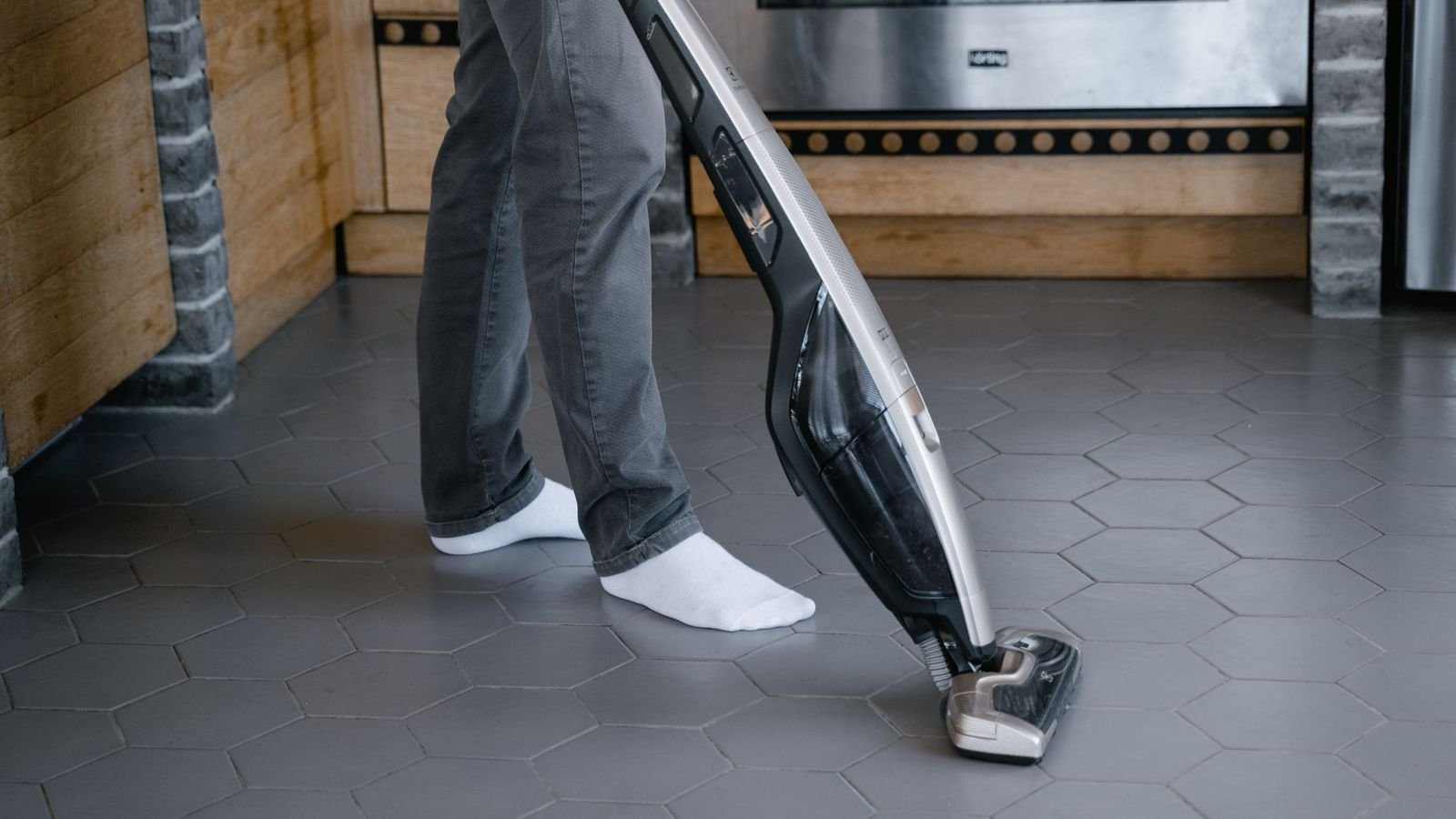
The decisive advantage is not performance, it is frequency. A stick vacuum on a wall dock is in your hand in five seconds, which means spills get cleaned immediately and floors get a quick pass most days. Cumulatively, that keeps a home cleaner than a weekly deep clean with a more powerful machine. They are light, excellent on stairs, convert to handheld for furniture and car interiors, and store in a fraction of the space.
Where They Frustrate
Runtime is the hard limit. Full-power mode on carpet drains a battery quickly, often in well under fifteen minutes, so cleaning a large carpeted home in one go may not be possible without a spare battery. Bins are small and need emptying frequently, especially in pet homes. Batteries are consumables that lose capacity over several years and can cost a significant fraction of the machine to replace. And on deep carpet, the best cordless models now approach but rarely match a good corded upright.
Who Should Buy One
Apartments and smaller homes, hard-floor-dominant layouts, multi-level houses where carrying weight matters, and anyone whose real cleaning pattern is little-and-often rather than one long weekly session. Our best cordless vacuums comparison covers runtime and carpet performance in detail, and for car interiors and upholstery specifically, the best handheld vacuums guide covers the smaller siblings of this category.
Robot Vacuums: Consistency Without Effort
What They Do Well
A robot’s value is that cleaning happens whether or not you feel like cleaning. Daily automated passes stop dust, crumbs and pet hair accumulating to the point where removal becomes hard work. Modern navigation using lidar or camera mapping is genuinely competent: room-by-room scheduling, no-go zones, and multi-floor maps all work well on mid-range and up. Self-emptying bases extend hands-off operation to weeks. Many models now mop hard floors on the same run.
Where They Frustrate
Suction and agitation are limited by the small chassis and battery, so deep carpet cleaning is out of reach. Tall thresholds, deep pile rugs, tangled cables and cluttered floors all cause problems, and the house has to be tidied before the robot runs — a real cost that owners underestimate. Edges and corners are never as clean as a manual pass, and stairs are simply impossible. Robots also need their own maintenance: brush rolls, side brushes, filters and sensors all need regular attention.
Who Should Buy One
Busy households, homes with mostly hard floors or low-pile carpet, pet owners fighting daily shedding, and anyone with limited mobility. Treat it as a supplement that reduces how often you need the main vacuum, not as a replacement for it.
Decide in Six Questions
- What is your flooring mix? Predominantly carpet points to corded. Predominantly hard floor opens up cordless and robot as complete solutions.
- How large is the area you clean in one go? Above roughly 1,500 square feet in a single session, cordless runtime becomes a real constraint unless you buy a spare battery.
- How many levels does your home have? Multi-level strongly favors cordless for weight, and rules out a single robot covering everything.
- Do you have pets? Pets favor a robot for daily hair control plus a capable manual machine for deep cleaning and furniture.
- How tidy are your floors? A robot needs clear floors. If your household leaves cables, toys and shoes around, the robot will get stuck and you will stop using it.
- What is your realistic cleaning habit? Be honest. A powerful machine you use monthly loses to a convenient one you use daily.
Specifications Worth Comparing
- Airflow and sealed suction rather than headline wattage. Watts describe power consumption, not cleaning ability.
- Brush roll type. Soft rollers for hard floors, stiff bristles or hybrid designs for carpet, anti-tangle geometry if you have pets or long hair in the house.
- Filtration. Sealed HEPA matters for allergy sufferers regardless of format. An unsealed HEPA claim is largely marketing.
- Bin capacity. Look at real volume, not just the number. Sticks typically hold a fraction of what an upright does.
- Battery specification. Voltage and amp-hours together indicate energy. Check whether the pack is user-replaceable and what a spare costs.
- Navigation, for robots. Lidar or vSLAM mapping is a large step above random bounce navigation and is worth the price difference.
- Noise level. Anything above roughly 75 dB is unpleasant to use for long sessions and disruptive if a robot runs while you are home.
Budget Planning Across the Three Formats
Under $200
You can buy a competent corded upright, a basic bump-navigation robot, or an entry cordless with short runtime. Corded gives the most cleaning capability per dollar at this level by a wide margin.
$200 to $500
The mainstream tier. Good cordless sticks with usable runtime and anti-tangle heads, well-specified corded machines with sealed filtration, or a mapping robot without a self-empty base. Most households find their best value here.
$500 and Above
Premium cordless with long runtime and automatic surface detection, or robots with self-emptying docks, mopping and obstacle avoidance. Consider whether a robot plus a mid-range stick would serve you better than one flagship machine — for most homes it would. Our general best vacuums overview compares across formats, and the broader best vacuum cleaners guide covers the full range of options currently available.
Common Mistakes When Choosing a Format
- Buying a robot expecting it to replace manual vacuuming entirely. It will not, and framing it that way guarantees disappointment.
- Assuming a premium cordless matches a corded upright on deep carpet. The gap has narrowed substantially but it has not closed.
- Ignoring battery replacement cost. Factor it in as a running expense over a five-year ownership window.
- Choosing corded for a small apartment. The convenience penalty is real and the extra capability often goes unused.
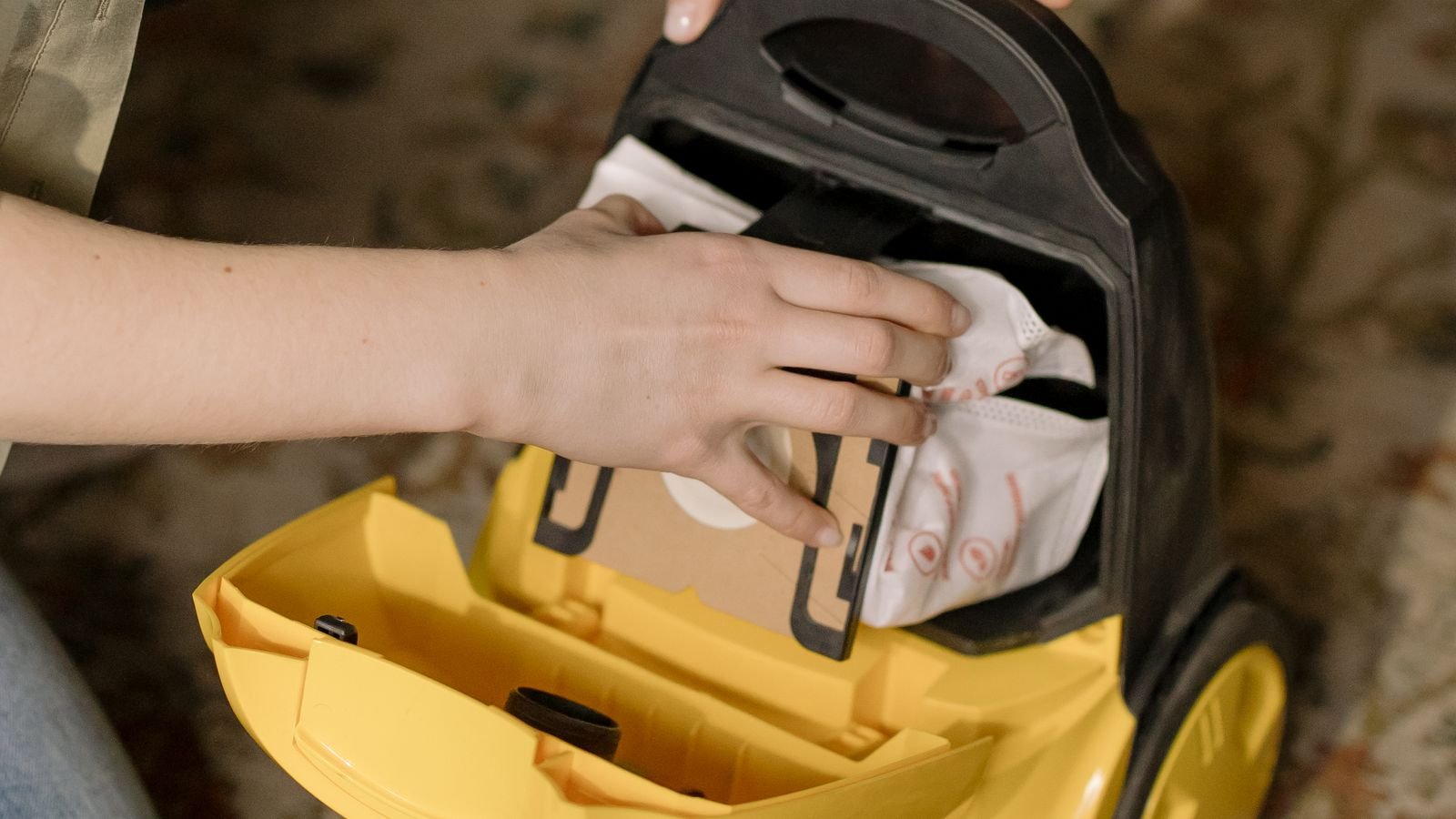
- Overlooking maintenance access. Whichever format you choose, you will be clearing the brush roll and washing filters. A design that makes this awkward will get neglected.
Frequently Asked Questions
Can a cordless vacuum be my only vacuum?
In a small to mid-sized home with mostly hard floors and low-pile rugs, yes, comfortably. In a large carpeted house, runtime and bin capacity will frustrate you unless you buy a spare battery and accept emptying the bin several times per session.
Is a robot vacuum worth it if I already vacuum regularly?
Usually yes, because it changes the baseline. Instead of cleaning dirty floors weekly, you are maintaining already-clean floors. The robot handles the accumulation and your manual sessions become quicker and less frequent.
Do cordless vacuums lose suction as the battery drains?
Well-designed models hold consistent performance until the battery is nearly exhausted, then cut off. Cheaper models fade noticeably through the run. Check independent testing rather than manufacturer claims on this point.
How long do vacuum batteries actually last?
Expect meaningful capacity loss after roughly three to five years of regular use, depending on charging habits. Avoid leaving the machine on a hot charger permanently if the manufacturer advises against it, and check that replacement packs are sold separately before you buy.
Which format is best for allergies?
Any format with a genuinely sealed HEPA system. Corded bagged machines have a slight edge because emptying a bag releases far less dander than tipping a bin, and their larger filters clog less quickly.
Final Thoughts
There is no universal winner among these three formats, only a best fit for your home and your habits. If your floors are mostly carpet and you clean thoroughly but infrequently, corded still wins on capability. If you live in an apartment or a hard-floor home and value grabbing a machine instantly, cordless will keep your home cleaner in practice despite lower peak specs. If your problem is that cleaning simply does not happen often enough, a robot solves that better than any upgrade to a manual machine. And for many households, the honest answer for 2026 is a combination: a robot handling the daily baseline and one good manual vacuum for depth, furniture and stairs. Work through the six questions above, be realistic about your habits, and buy for the cleaning you will actually do.