Owen Bradley
 Ask ten furniture salespeople whether leather or fabric lasts longer and you will get ten confident answers pointing in different directions. The honest answer is that the question is incomplete. A quality full-grain leather sofa will comfortably outlive almost any fabric, but a cheap bonded leather one will start peeling in three years while a mid-priced performance-weave fabric sofa still looks fresh. The material category matters far less than the grade within it, and your household matters most of all. This leather vs fabric sofa comparison breaks the decision into the factors that genuinely change the outcome: durability, cleaning, pets, comfort in real temperatures, and what each option costs over a decade rather than on the price tag.
Durability: The Answer Depends on the Grade
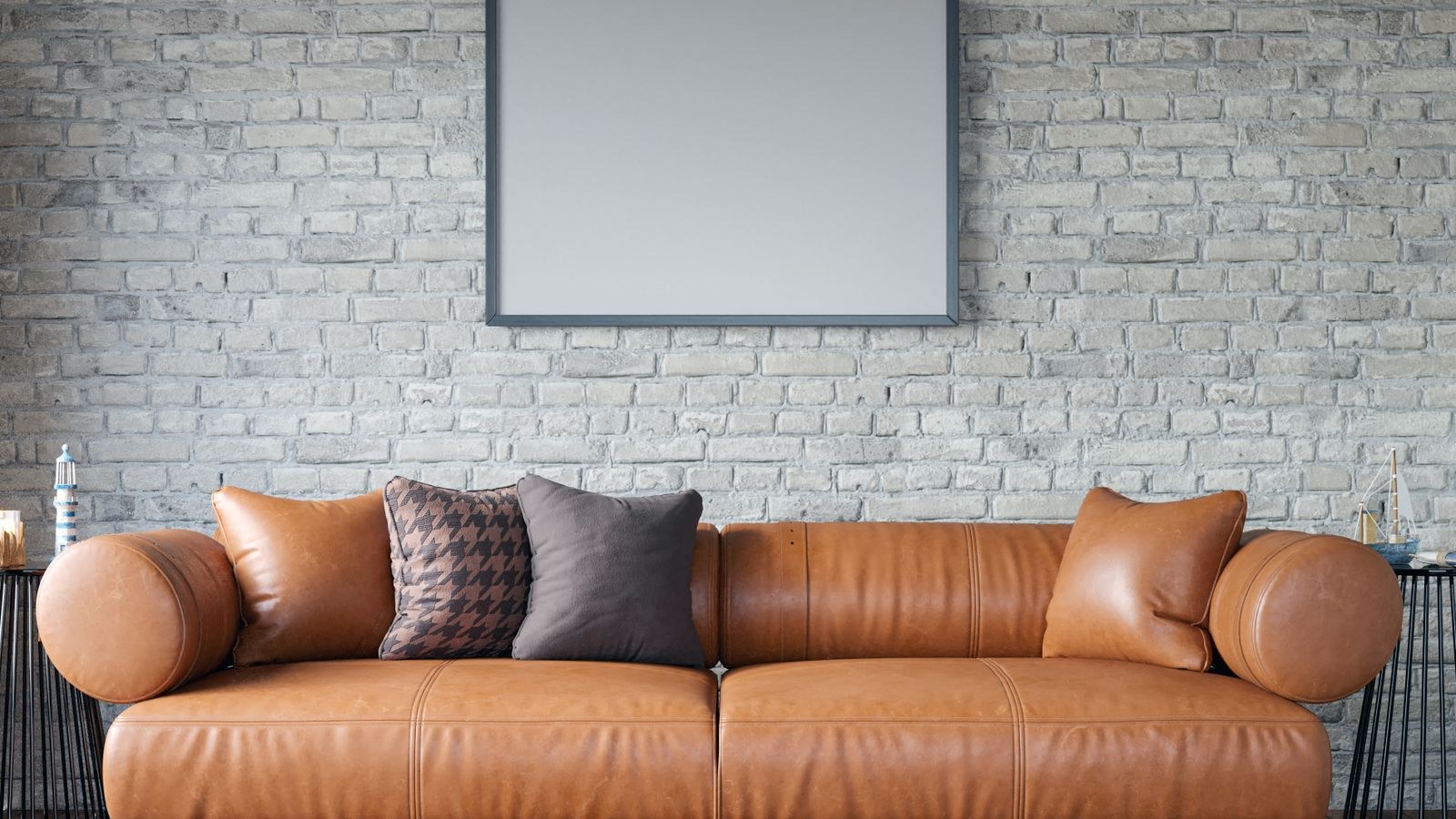
Good leather is the most durable upholstery you can buy for a sofa. Full-grain and top-grain hides resist tearing, do not pill, and develop a patina rather than simply wearing out. A well-made leather sofa lasting 20 to 25 years is unremarkable, and reconditioning is possible with the right products.
Fabric durability is measured in double rubs, an abrasion test result you will see quoted on spec sheets. Anything under 15,000 double rubs is light residential use. Between 15,000 and 30,000 covers normal family use. Above 30,000 is heavy duty or commercial grade, and that is where performance fabrics start to genuinely rival leather for lifespan. A high-double-rub polyester weave in a busy household can easily outlast a low-grade split leather.
The failure modes differ too. Leather fails by cracking, drying, or delaminating at the surface. Fabric fails by pilling, thinning at contact points, and fading. Fabric also hides frame sag less kindly, so a poor frame shows up sooner beneath a woven cover.
Where Bonded and Faux Leather Fit
Bonded leather is leather scraps ground up and glued to a backing with a polyurethane surface. It looks convincing on day one and typically peels within two to five years, especially where skin oils and body heat concentrate. Modern polyurethane faux leathers are a different and far better story: no animal product, good stain resistance, and lifespans that can reach a decade in light use. If you like the look but not the price, compare the range of best faux leather sofas rather than settling for bonded, which is the one category worth avoiding outright.
Cleaning and Everyday Maintenance
Leather is the easier surface for spills. Liquid beads on a finished or protected hide, and a damp cloth handles most incidents if you act within a minute or two. The trade-off is scheduled care: leather needs conditioning roughly every six to twelve months to prevent drying and cracking, particularly in dry climates or near heating vents and direct sun.
Fabric needs no conditioning but demands more frequent attention. Vacuuming with an upholstery attachment every week or two prevents grit from abrading fibres from the inside. Spills need immediate blotting, never rubbing. The huge advantage many fabric sofas hold is removable, washable cushion covers, which no leather sofa offers. Check the cleaning code on the label: W means water-based cleaners are safe, S means solvent only, WS means either, and X means vacuuming only, which is a code to avoid in a family home.
Pets, Kids, and Real Households
This is the factor that overturns most theoretical comparisons. Cat claws puncture leather permanently, and there is no repair that fully hides it. Dog nails scratch it, though scratches on aniline or distressed hides often buff out and can read as character. On the other side, pet hair brushes off leather in seconds while it weaves itself into most fabrics, and leather does not absorb odours the way woven upholstery does.
For fabric, the pet-friendly answer is tight, flat weaves rather than loose or looped ones, since claws catch loops and pull threads. Microfiber and performance polyester are the standouts here because the fibres are too dense for hair to bury into and most stains sit on the surface. Our roundup of the best pet friendly sofas filters for exactly these constructions, and the broader best microfiber sofas list shows how far that fabric has come for households with children.
The Practical Rule
Cats favour fabric, specifically a tight synthetic weave with washable covers. Dogs favour leather, provided you accept some scratching. Young children favour whichever surface you can clean fastest, which usually means either a protected leather or a performance fabric with removable covers.
Comfort, Temperature, and How Each Feels
Leather is not temperature-neutral. It reads cold when you first sit down in winter and can feel sticky against bare skin in hot, humid weather without air conditioning. It also does not breathe, so long sessions in shorts are less pleasant than on cloth. What leather does offer is a supportive, slightly firm surface that softens over years without losing shape.
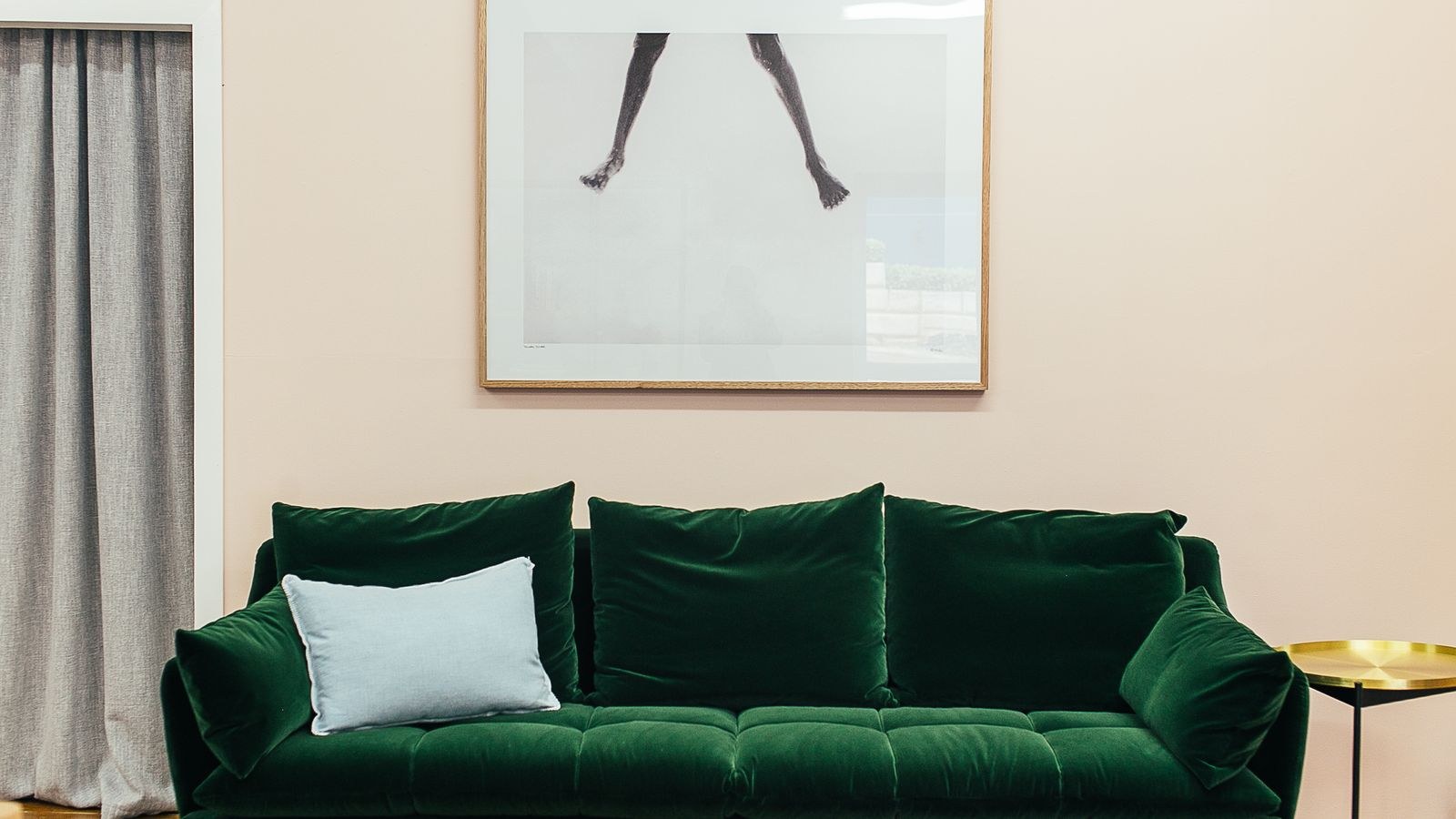
Fabric is warmer to the touch immediately, breathes better, and comes in vastly more textures, from crisp linen to plush velvet to soft chenille. It also absorbs sound, which matters in rooms with hard floors and high ceilings. If comfort in a wide temperature range is your priority, fabric usually wins. The trade-off is that soft fabrics compress and flatten at contact points sooner than leather does.
Cost Over Ten Years, Not at Checkout
Entry-level fabric sofas start far below entry-level real leather, often by a factor of two. But the comparison to run is annual cost. A $900 fabric sofa replaced twice in twelve years costs more than a $2,400 top-grain leather sofa that runs the full period and can be reconditioned. Conversely, if you expect your taste or living situation to change within five years, paying the leather premium is money you will not recover.
Also budget for consumables. Leather conditioner runs modest annual cost. Fabric protection treatments, professional cleaning, and replacement covers add up on the other side. Neither is free. If you want to see how each material behaves at various budgets, comparing the best leather sofas with the best fabric sofas at similar price points is more instructive than any general rule, because construction quality tracks price far more tightly than material type does.
Light, Colour, and How Each Ages
Direct sunlight is the enemy of both, in different ways. Fabric fades, and dark or saturated dyes fade most visibly. Leather dries out and can crack, and aniline leathers change tone noticeably. If your sofa sits in a bay window or under a skylight, favour a solution-dyed performance fabric or a heavily protected pigmented leather, and consider window film.
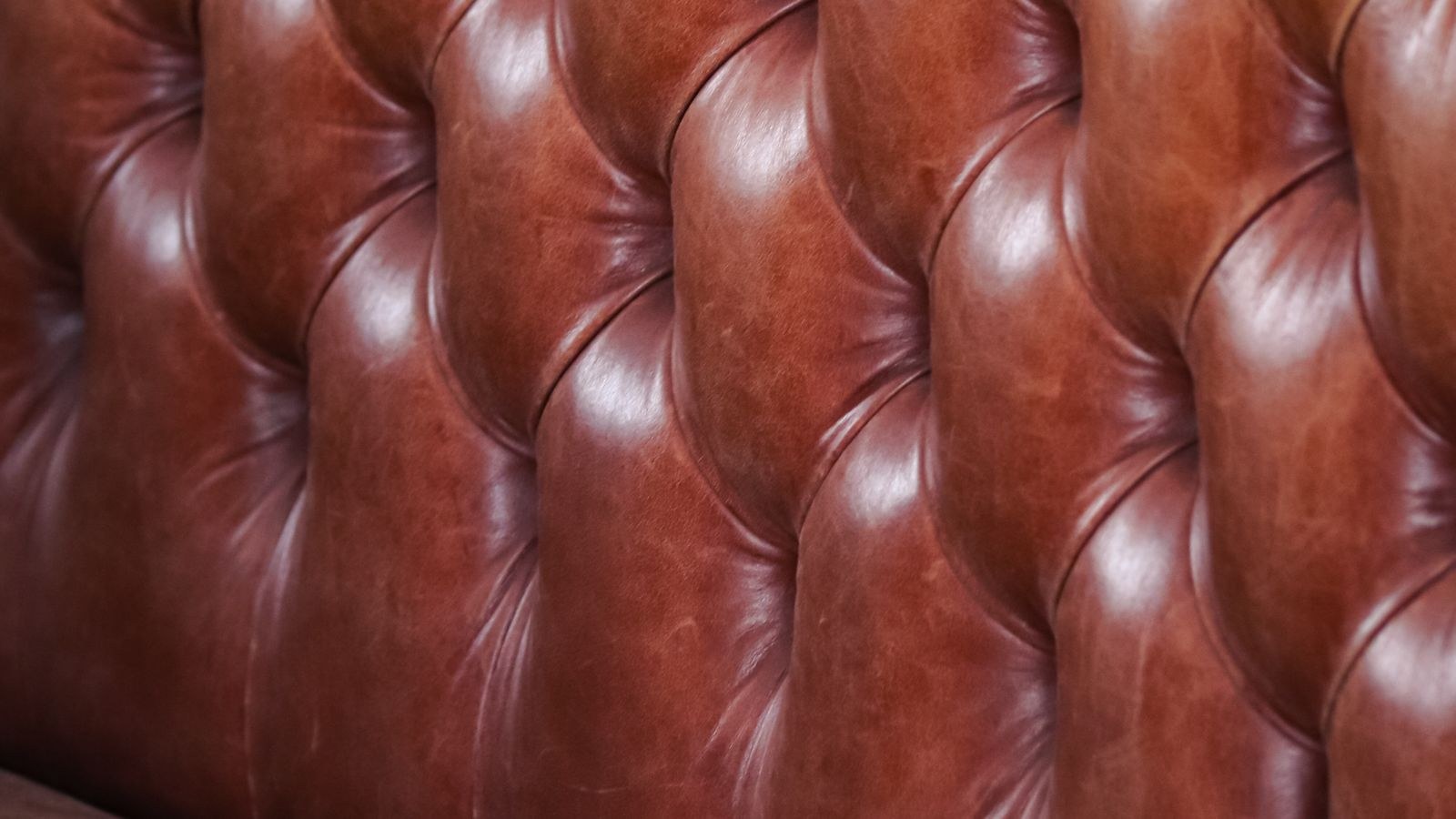
Ageing character is a genuine differentiator. Leather improves in appearance for many people, softening and darkening into a lived-in look that reads as quality. Fabric does not improve; it either holds up or it does not. If you value furniture that looks better in year eight than year one, that argues for leather.
Choosing in Five Questions
- Do you have cats? If yes, choose a tight synthetic fabric weave and stop there.
- How long will you keep it? Under five years favours fabric; over ten years favours quality leather.
- How hot or dry is your home? Humid summers without air conditioning favour breathable fabric.
- Who spills, and how often? Frequent spills favour leather or removable washable covers.
- What is your firm budget? Below the real-leather entry point, buy good fabric rather than bonded leather.
Mistakes That Cost People Money
The most expensive mistake is buying bonded leather believing it is leather. Read the description carefully; terms like leather match, split leather, or leather-blend all signal a coated surface that will fail. The second is ignoring the cleaning code on a fabric, then discovering it is solvent-only after a red wine incident. The third is choosing by swatch under showroom lighting, which is far warmer and dimmer than daylight at home. Always take samples home and look at them at three different times of day.
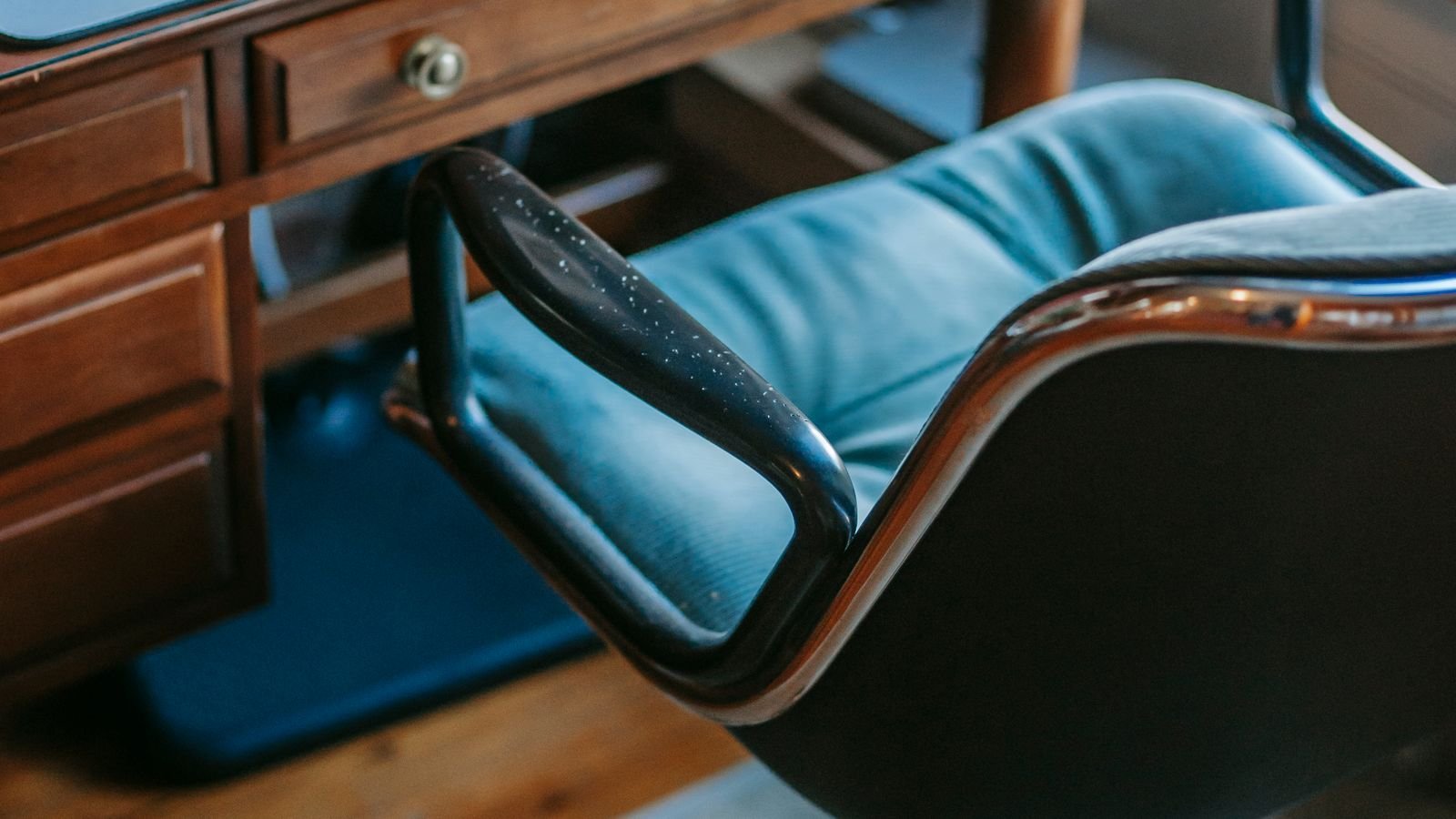
A fourth mistake is treating upholstery as the whole decision. The frame, springs, and foam determine whether the sofa still supports you in year eight, and no cover material rescues a sagging deck. Material choice is not confined to sofas either; the same trade-offs between breathability, durability, and cleaning show up in seating you use for hours daily, which our comparison of mesh vs fabric vs leather desk chairs covers in detail.
Frequently Asked Questions
Does leather really last longer than fabric?
Full-grain and top-grain leather generally outlasts most fabrics, often reaching 20 years or more. Bonded leather does not, and a high-double-rub performance fabric can beat low-grade leather comfortably.
Which is better with cats?
Fabric, specifically a tight flat weave like microfiber or performance polyester. Claw punctures in leather are permanent, while tight synthetic weaves resist snagging and clean easily.
Is leather cold in winter?
It feels cool for the first minute or two, then warms to body temperature. A throw solves it entirely, and the effect is more noticeable in unheated rooms than in centrally heated homes.
Can leather sofas be repaired?
Yes. Scratches, dryness, and colour loss on genuine leather respond well to conditioning and professional recolouring. Bonded leather peeling cannot be meaningfully repaired.
Do fabric sofas hold odours?
More than leather does, since woven fibres trap smoke, cooking smells, and pet odour. Removable washable covers and regular vacuuming largely solve this in normal households.
Final Thoughts
Skip the leather-versus-fabric debate as an identity question and treat it as a fit question. Genuine top-grain leather is the durability champion and the better long-hold investment, provided you can afford real hide and do not own cats. Performance fabrics have closed much of the gap on cleanability and stain resistance while staying warmer, quieter, and cheaper. The only unequivocally wrong answer is bonded leather. Decide how long you plan to keep the sofa, be honest about the animals and children who will use it, then buy the best construction your budget allows in whichever material survives those constraints in 2026.