Owen Bradley
 Choosing headphones used to mean picking a colour. Now you face three fundamentally different form factors, each with its own trade-offs in comfort, isolation, sound and portability, layered on top of questions about wireless standards, noise cancelling and battery life. This headphone buying guide strips the decision back to what actually matters. Rather than ranking models, it explains how over-ear, on-ear and in-ear designs differ in practice, which one suits your daily routine, and which specifications deserve your attention when you compare listings. Get the form factor right and almost any reasonable pair will make you happy. Get it wrong and even an expensive set will sit unused in a drawer.
Start With Where You Will Actually Listen
The most useful question is not which headphones are best, but where you spend your listening hours. Someone who works eight hours at a desk in a quiet home has almost nothing in common with a commuter on a crowded train or a runner heading out at dawn. Each scenario rewards a different design.
Long stationary sessions favour comfort and sound quality over portability, which points toward large over-ear designs with generous padding. Travel and commuting reward isolation and compact storage. Exercise demands secure fit, light weight and sweat resistance. Casual mixed use, a bit of everything, usually lands on wireless in-ear buds simply because they are always in your pocket. Write down your two most common listening situations before you look at a single product page, and let those drive the shortlist.
Over-Ear Headphones: Comfort and Scale
Over-ear headphones, also called circumaural, have earcups that fully surround the ear rather than pressing on it. That single design choice cascades into most of their advantages. Because the pad rests on the side of your head instead of on cartilage, pressure is spread over a wider area, which is why these are usually the most comfortable option for multi-hour wear.
The larger enclosure also allows bigger drivers and more internal volume, which generally helps low frequency extension and reduces distortion at higher levels. Passive isolation is good when the design is closed, since the pad forms a seal around the whole ear. Most flagship noise cancelling models use this form factor because there is room for the microphones, processing and a substantial battery.
The trade-offs are size, weight and heat. Over-ears take up bag space, look conspicuous, and can make your ears warm during long sessions in a hot room. If you value comfort and sound above portability, browsing the best over-ear headsets is the natural starting point, particularly for desk work, gaming and home listening.
Who Should Buy Over-Ear
Choose over-ear if you work long shifts at a computer, take frequent calls, want the strongest noise cancelling, or care about sound quality more than pocketability. They are also the friendliest option for people who wear glasses, provided the pads are soft enough to seal around the arms without pinching.
On-Ear Headphones: The Middle Ground
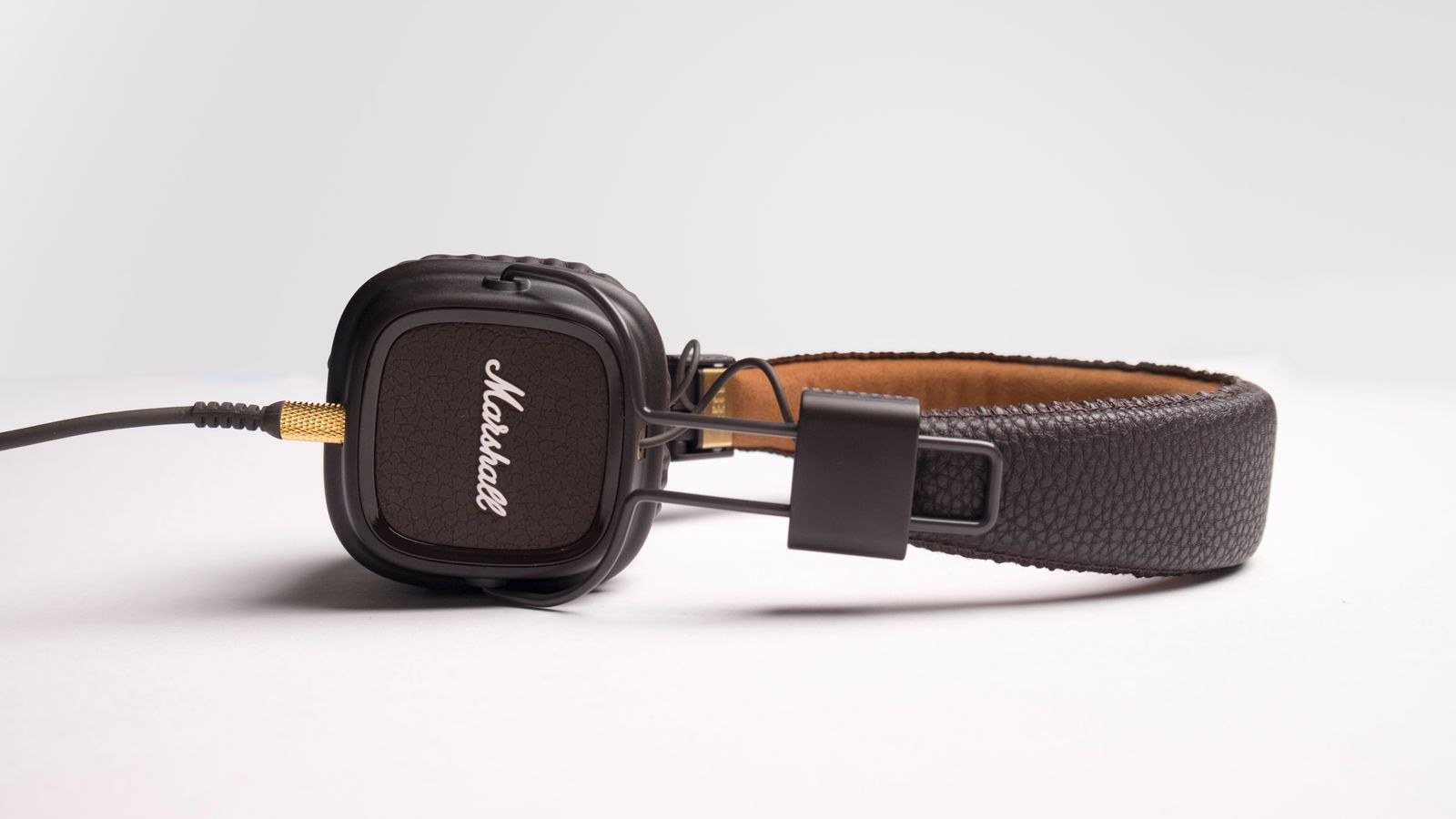
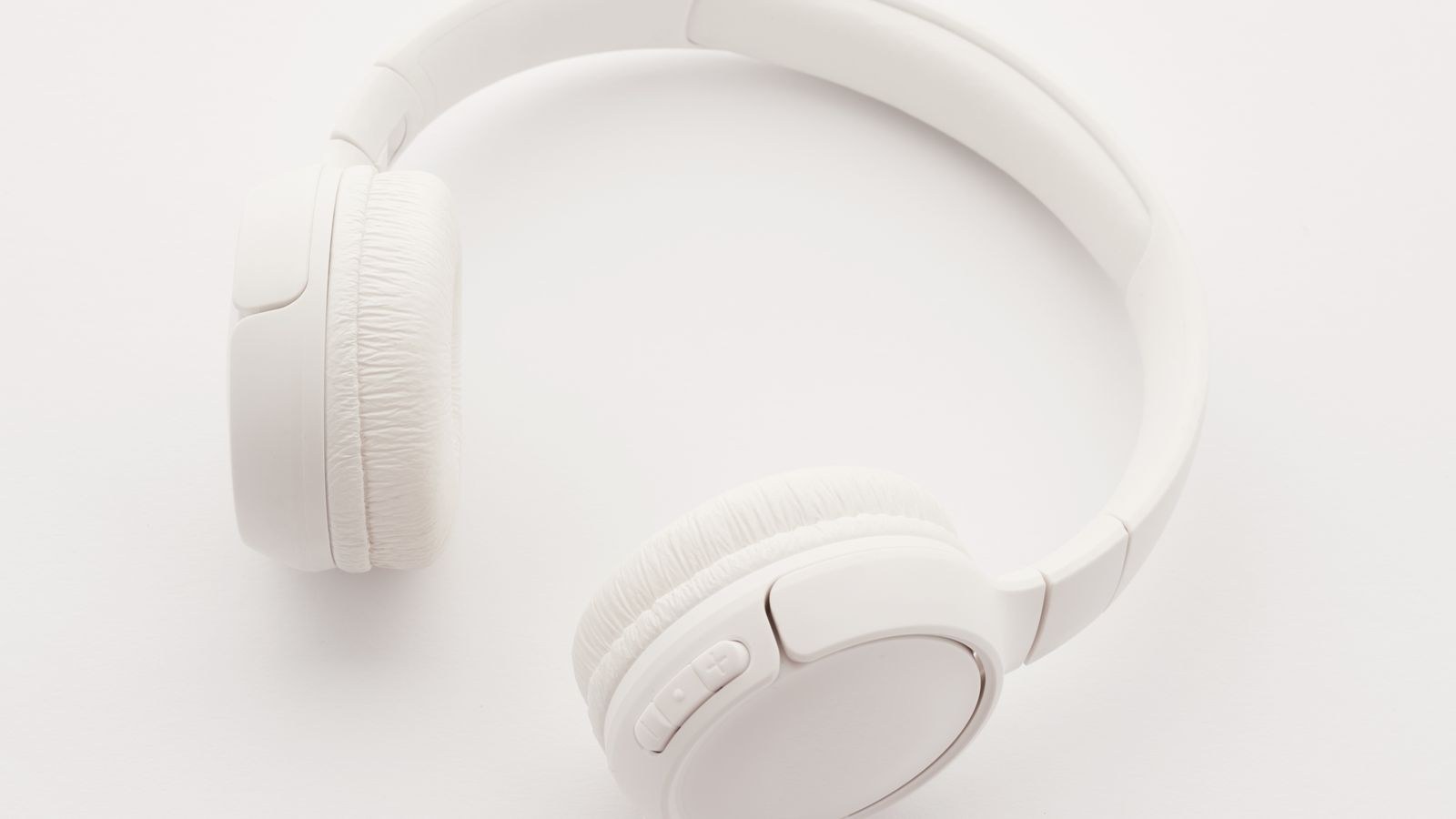
On-ear, or supra-aural, headphones rest directly on the outer ear rather than enclosing it. They are smaller and lighter than over-ears, fold down more compactly, and run cooler because the ear is not sealed inside a cup. For people who find over-ears bulky but dislike putting anything inside their ear canal, this middle path solves a real problem.
The compromise is pressure. Because the pad presses on the ear itself, clamping force is felt more acutely, and comfort over several hours depends heavily on pad material and headband tension. Isolation is also weaker, since the seal against the side of your head is imperfect by design, meaning more outside noise gets in and more of your music leaks out.
Sound quality can be excellent, but the smaller enclosure typically means less bass authority than a comparable over-ear. On-ears suit short-to-medium sessions, casual listening, and anyone who wants some awareness of their surroundings. If that describes you, the best on-ear headsets collect the designs that manage the comfort compromise most gracefully.
In-Ear Headphones and Earbuds: Portability Wins
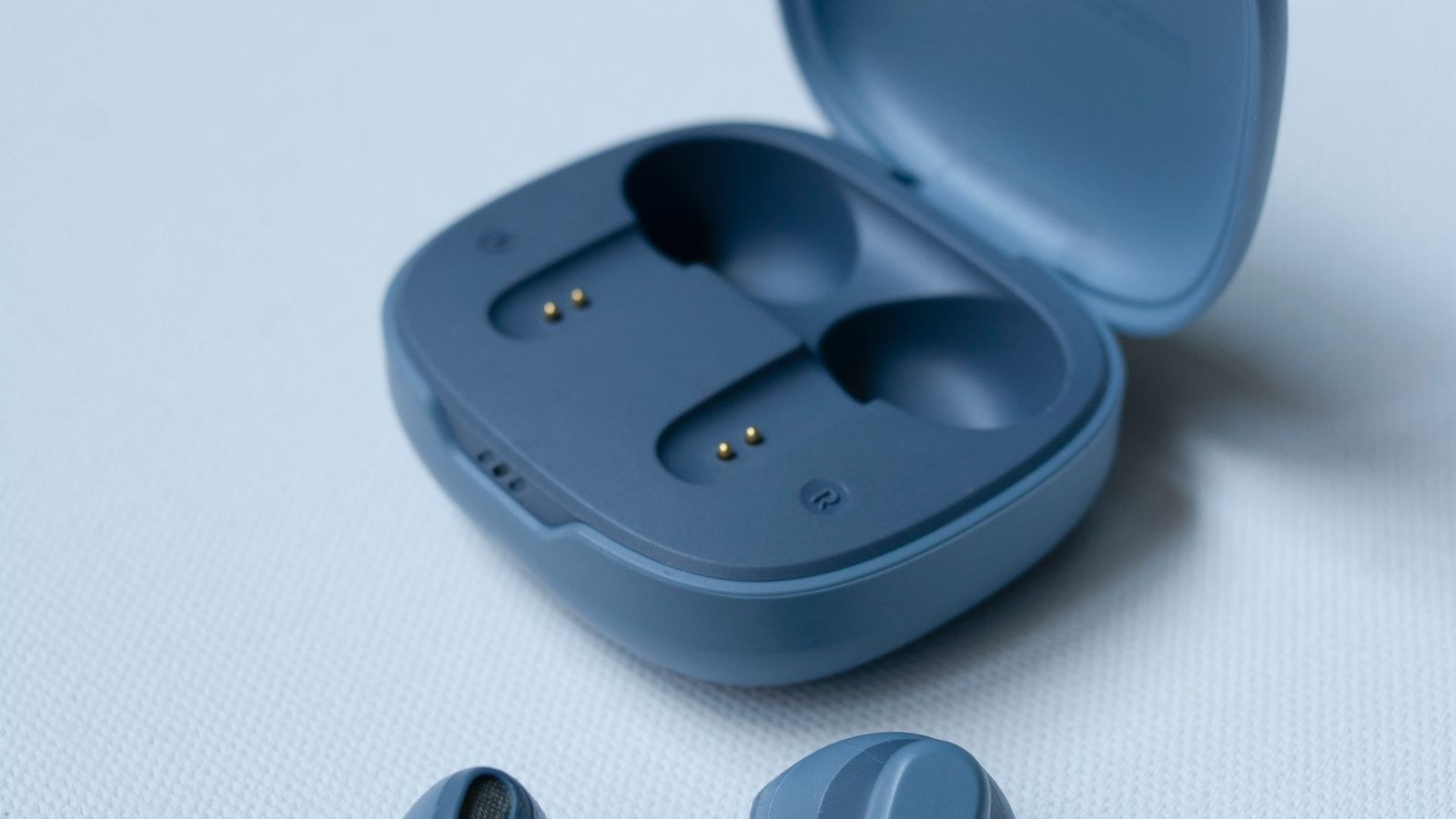
In-ear monitors sit in the ear canal with a silicone or foam tip forming a seal. True wireless versions have made this the dominant category, and for good reason: they disappear into a pocket, weigh almost nothing, stay put during exercise, and their seal delivers surprisingly strong passive isolation for the size.
That seal is also the make-or-break factor. Without a proper fit, bass vanishes, isolation collapses and the buds work loose. Every worthwhile set ships with multiple tip sizes, and swapping them until you find a snug, comfortable seal is the single most important thing you can do for sound quality. Many people use different sizes in each ear, which is entirely normal.
Downsides include shorter battery life per charge, a case you have to keep track of, and the fact that some listeners simply find anything in the ear canal uncomfortable or fatiguing over long periods. Still, for commuting, travel and workouts, the convenience is hard to beat, and the best in-ear headsets show how far the category has come in sound quality.
Fit Tips That Fix Most Complaints
- Try every tip size supplied, including the ones you assume are too large.
- Insert with a slight twist so the tip seats rather than sitting at the canal entrance.
- If bass sounds thin, the seal is failing before the drivers are.
- Foam tips expand to fill the canal and often improve both comfort and isolation.
- For exercise, look for a wing or fin that locks into the ear ridge.
Comfort: The Specification Nobody Prints
Comfort decides whether you actually use your headphones, yet no spec sheet quantifies it. The variables are clamping force, weight, pad material and how heat builds up over time. A heavy pair can feel fine if the weight is well distributed by a wide headband, while a light pair with aggressive clamp becomes painful within an hour.
Pad material matters more than most buyers expect. Protein leather seals well and boosts bass but traps heat. Fabric or velour breathes better and stays cool, at the cost of some isolation. Memory foam conforms to your head shape and spreads pressure, which helps glasses wearers considerably. Check whether pads are user-replaceable, because they wear out long before the drivers do, and a fresh set restores both comfort and sound.
If you know you will be wearing headphones for entire working days, prioritise this above almost everything else. A shortlist of the best comfortable headsets is the right filter when hours of wear, not peak fidelity, is the deciding factor.
Noise Control: Isolation Versus Cancellation
There are two ways to reduce outside noise, and they work on different sounds. Passive isolation is physical: a sealed earcup or a well-fitted ear tip simply blocks sound. It works best on mid and high frequencies such as speech, keyboard clatter and clinking dishes, and it costs no battery.
Active noise cancelling uses microphones to detect incoming sound and generates an inverted waveform to cancel it. It excels on constant low-frequency drone: aircraft cabins, train rumble, air conditioning, road noise. It is far less effective on sudden or high-pitched sounds, which is why a nearby conversation still reaches you on a plane while the engine roar disappears.
In practice the two work together, and the best results come from a design that seals well and then cancels what gets through. If you commute, fly or work in an open office, the best noise cancelling headsets are worth the premium. If your environment is already quiet, that money buys more sound quality elsewhere.
Wireless, Battery and Connectivity
Wireless is now the default, but the details vary. Look at the Bluetooth version for connection stability and range, and check which codecs are supported if you care about higher-bitrate streaming. Multipoint pairing, which lets a headset stay connected to a laptop and a phone at once, is a genuine daily convenience for anyone who takes calls.
Battery figures on the box are measured under favourable conditions, usually at moderate volume with noise cancelling off. Expect real-world runtime to fall short of the claim, sometimes by a third. More useful than the headline number is quick charging: a few minutes in the case or on the cable delivering hours of playback rescues you far more often than a long total runtime does.
Do not dismiss a wired option entirely. A cable means zero latency, no battery anxiety and no codec compromise, which is why it remains popular for desk listening and content creation. Many wireless models include a cable for exactly this reason, and that flexibility is worth checking before you buy.
Budget Tiers and Where the Money Goes
At the entry level you get functional sound and basic wireless, usually with plastic construction and modest battery life. Step up to the mid tier and improvements come mostly in comfort, build quality, call clarity and the effectiveness of noise cancelling, which is where the biggest real-world difference is felt. At the top, gains in pure sound quality become incremental while features, materials and app control keep improving.
For most buyers the mid tier represents the sweet spot. Beyond it, spend according to what you value: better isolation for travel, longer battery for all-day use, or a more neutral tuning if you listen critically. Buying a flagship for features you will never enable is the most common way to overspend.
Mistakes to Avoid
The first mistake is buying for an imagined use case rather than your actual one. People buy bulky studio-style headphones for the gym and tiny buds for eight-hour workdays, then blame the product. The second is ignoring fit entirely with in-ears, judging sound with the default tips and concluding the bass is weak.
Other traps include treating frequency response numbers as a quality indicator, chasing noise cancelling in a quiet home where isolation alone would suffice, and overlooking microphone quality when most of your headset time is spent on calls. Read what reviewers say about call performance separately from music performance, because the two rarely correlate.
Frequently Asked Questions
Are over-ear headphones always better than in-ear?
No. Over-ears usually offer more comfort for long sessions and stronger noise cancelling, but in-ears win decisively on portability and workout stability. Well-made in-ears can match mid-tier over-ears for sound once the seal is right.
Do on-ear headphones leak sound?
More than the other two types, yes. Because they rest on the ear rather than sealing around or inside it, people nearby can often hear your music at higher volumes. That makes them a poor choice for shared quiet spaces such as libraries or open offices.
How long should headphones last?
Several years is reasonable, with earpads and batteries the usual first failures. Replaceable pads and a detachable cable meaningfully extend useful life, so check for both before buying. Sealed designs with glued-in batteries tend to have shorter practical lifespans.
Does noise cancelling hurt sound quality?
Modern implementations are good enough that the effect is minor, though some listeners notice a slight change in tonality or a faint pressure sensation. Most headsets let you switch cancelling off, so you can compare directly and decide for yourself.
Final Thoughts
The headphone market looks overwhelming until you reduce it to one question: what does your day look like? Over-ear designs reward people who sit still for hours and want maximum comfort and isolation. On-ear designs suit those who want something lighter and cooler with more awareness of the room. In-ear designs win for anyone constantly on the move. Once the form factor is settled, comfort, fit and battery behaviour matter far more than any specification chart. Buy for the listening you genuinely do in 2026, try the fit properly, and you will end up with a pair you reach for every single day.