Owen Bradley
 Outdoor lighting is where cheap bulbs go to die. A fixture on the side of a house faces temperature swings from freezing to baking, driving rain, insects, vibration and long run hours — conditions that expose every shortcut a manufacturer took. LED flood and outdoor fixture bulbs have made this far more manageable than it was in the halogen era, but the category is full of misleading specifications and mismatched form factors. This guide explains how to read the numbers that matter, choose the right beam and shape for each application, and specify outdoor bulbs that still work several winters from now.
Flood, Spot and the Difference That Matters
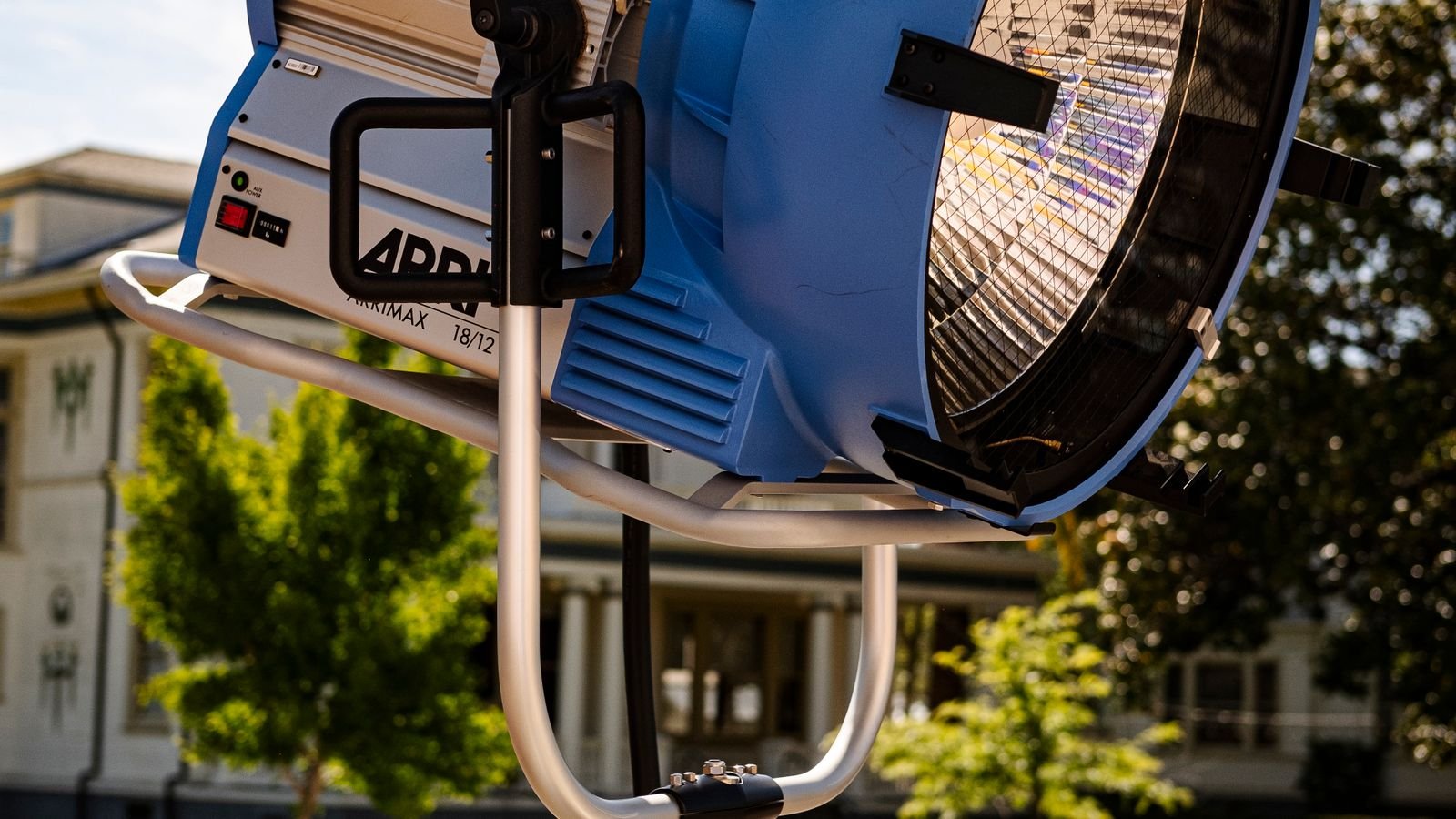
The terms get used interchangeably in marketing, but they describe genuinely different beam angles.
- Spot (narrow, roughly 15 to 25 degrees). A tight, intense cone. Use for uplighting a tree, highlighting architectural detail, or throwing light a long distance.
- Narrow flood (about 25 to 40 degrees). The middle ground. Good for accenting a garage door or a section of wall.
- Flood (roughly 40 to 60 degrees). General-purpose exterior coverage. The default for most security and area lighting on a house.
- Wide flood (60 degrees and up). Broad, soft coverage for a driveway, patio or yard where you want no dark gaps.
The practical consequence is that a narrow beam looks brighter on a small area while a wide beam covers more ground at lower intensity. Buying a high-lumen spot when you needed a wide flood produces a bright circle surrounded by darkness — technically powerful, functionally useless.
Bulb Shapes and Bases
PAR Bulbs
PAR20, PAR30 and PAR38 are the classic flood shapes, with the number indicating diameter in eighths of an inch — a PAR38 is 4.75 inches across. PAR38 is the standard for outdoor floodlight fixtures and security lights. PAR30 suits smaller housings, and comes in short-neck and long-neck variants that are not interchangeable in every fixture. Measure your existing bulb before ordering.
BR Bulbs
Bulged reflector bulbs spread light more diffusely than PAR. They are common indoors in recessed cans and appear outdoors in covered fixtures, but they are generally not rated for wet exposure. Do not substitute a BR for a PAR in an exposed location.
Integrated Fixtures
Increasingly, outdoor floodlights come as sealed units with non-replaceable LEDs. These typically offer better weather sealing and thermal management than a bulb in a generic housing, at the cost of replaceability. If your existing fixture is old and the gasket has perished, an integrated replacement is often the better outcome than a new bulb in a leaking housing.
Our roundup of the best LED flood light bulbs compares PAR38 and PAR30 options across beam angle, weather rating and output.
Reading the Specifications
Lumens, Not Watts
Wattage tells you power draw, not brightness. Compare lumens. A rough guide for exterior use: 700 to 1200 lumens for a porch or entry, 1500 to 2500 for a driveway or garage flood, 2500 to 5000 for a large yard or a security application covering a wide area. Two fixtures at moderate output almost always beat one very bright fixture, because a single source creates hard shadows that people and cameras both struggle with.
Color Temperature
3000K reads as warm and welcoming, and is the right choice for entryways, porches and landscape lighting where you want the house to look inviting. 4000K is neutral and practical for driveways and work areas. 5000K is stark daylight — effective for security and unpleasant for anything social. Many people regret going too cool; a 5000K flood pointed at a patio makes the space feel like a parking lot.
CRI
Less critical outdoors than indoors, but a CRI of 80 or above keeps landscaping and brickwork looking natural rather than washed out. Security cameras also render color more usefully under higher CRI light.
Beam Angle
Always published for PAR bulbs and frequently ignored by buyers. Match it to the job as described above.
Weather Ratings and Durability
This is the section that separates bulbs that last from bulbs that fail in one season.
- Damp rated. Suitable for covered locations — a porch ceiling, a soffit, a sheltered entryway. Not for direct rain exposure.
- Wet rated. Required for any bulb exposed to direct rain, snow or sprinkler spray. This is the rating most outdoor floods actually need.
- IP ratings. Integrated fixtures often use IP codes instead. IP65 handles jets of water and is a sensible outdoor minimum; IP66 and above is better for exposed installations.
- Operating temperature range. Check the low end if you have cold winters. Some inexpensive LEDs specify a minimum well above what a northern winter delivers, and cold-start failure is common.
- Enclosed fixture rating. Critical and widely overlooked. Many LED bulbs are explicitly not rated for enclosed fixtures because trapped heat destroys the driver. If your outdoor fixture has a sealed glass lens, you need an enclosed-rated bulb.
Dimming, Sensors and Controls
Not every LED flood bulb dims, and putting a non-dimmable bulb on a dimmer circuit causes buzzing, flicker and premature failure. Check the box.
Motion sensing is the most valuable control for exterior lighting. It saves energy, avoids annoying neighbors, and provides the sudden change in illumination that actually deters intruders — a light that is always on provides far less deterrent than one that snaps on. Options include sensor-equipped fixtures, screw-in sensor adapters that sit between the socket and the bulb, and separate wall-mounted sensors controlling a circuit.
Photocells (dusk-to-dawn) suit path and entry lighting where you want continuous low-level illumination. Combining a photocell with a motion sensor — dim all night, full brightness on detection — is the most sophisticated and most practical arrangement, and many current fixtures support it natively.
Application Guide
- Front entry. Warm 3000K, moderate output, wide beam. The goal is welcoming, not interrogating. Avoid aiming directly at the door where it will blind arriving guests.
- Driveway and garage. 4000K, wide flood, motion activated. Two fixtures at opposite corners beat one central floodlight.
- Security perimeter. 4000K to 5000K, high output, wide beam, motion triggered, mounted high and angled downward to limit glare and light trespass.
- Landscape uplighting. Narrow spot, warm color, low output. Subtlety is the entire point here; overpowered uplighting looks theatrical.
- Patio and deck. Warm, dimmable, indirect. Never point a flood at seating; bounce it off a wall or ceiling instead.
- Workshop or shed exterior. Neutral to cool, high CRI, high output, switched rather than sensor-driven so it stays on while you work.
For the wider picture of exterior illumination, the solar LED lights comparison is useful for areas without convenient wiring, and the outdoor LED strip lights roundup covers the accent and cove applications that floods handle badly. For a broader look at the underlying technology, the LED light bulbs guide explains driver quality and lifespan claims in more depth.
Light Trespass and Being a Good Neighbor
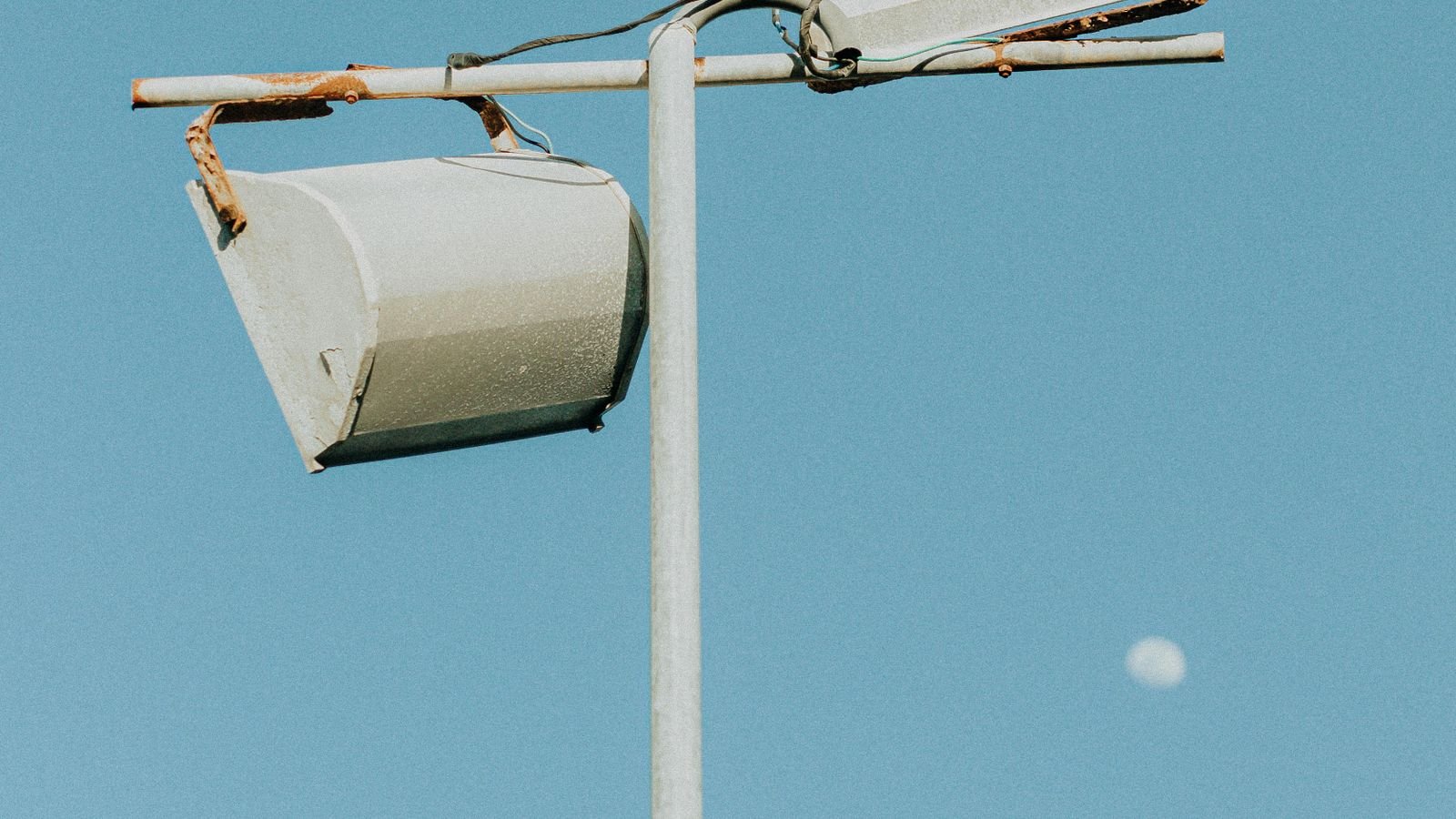
Outdoor lighting has consequences beyond your property line. Poorly aimed floods shine into neighbors’ bedrooms, wash out the night sky and create glare that actually reduces visibility by contracting your pupils. A few practical principles:
- Aim downward. Light should land on the ground, not on the horizon.
- Use shielded fixtures where possible so the light source itself is not directly visible from a distance.
- Prefer more fixtures at lower output over one very bright source.
- Use motion activation rather than dusk-to-dawn at full brightness.
- Choose warmer color temperatures where feasible; they scatter less and are less disruptive to wildlife.
Common Mistakes to Avoid
- Using an indoor-rated bulb outside. The most frequent and most costly error.
- Ignoring the enclosed fixture rating. Trapped heat kills LED drivers quickly and silently.
- Buying by wattage equivalence. The equivalence claims are marketing; compare lumens directly.
- Choosing a spot when you needed a wide flood. Produces a bright circle and dark surroundings.
- Over-lighting. Excessive brightness creates glare and deep shadows, which is worse for both visibility and security.
- Mismatched PAR sizes. A PAR38 will not fit a PAR30 housing. Measure first.
- Non-dimmable bulbs on dimmer circuits. Guaranteed buzzing and early failure.
Frequently Asked Questions
How many lumens do I need for an outdoor flood light?
Around 700 to 1200 for an entry, 1500 to 2500 for a driveway or garage, and 2500 to 5000 for large yard or security coverage. Splitting the total across two fixtures gives more even results than one very bright unit.
What is the difference between PAR38 and PAR30?
Diameter. PAR38 is 4.75 inches across, PAR30 is 3.75 inches. They are not interchangeable in most fixtures, and PAR30 additionally comes in short-neck and long-neck versions.
Can I use any LED bulb in an outdoor fixture?
No. The bulb must be wet rated for exposed positions or at minimum damp rated for covered ones, and must be rated for enclosed fixtures if the housing has a sealed lens.
What color temperature is best outdoors?
3000K for entries, porches and landscape lighting; 4000K for driveways and work areas; 5000K only where stark security lighting is genuinely wanted. Cooler is not better by default.
Do LED floodlights work in freezing weather?
Generally yes, and better than fluorescent alternatives, but check the published minimum operating temperature. Budget bulbs sometimes specify a floor above typical winter lows and fail to start in the cold.
Final Thoughts
Getting outdoor lighting right is mostly a matter of matching four things: beam angle to the area you need covered, lumens to the size of that area, color temperature to the mood you want, and weather rating to the actual exposure the fixture faces. Get those four right and the rest is straightforward. Aim fixtures downward, favor several moderate sources over one glaring one, add motion sensing where it makes sense, and always verify the enclosed-fixture rating before installing behind glass. Specify carefully in 2026 and your exterior lighting will run for years without you thinking about it again.