Owen Bradley
 A home CCTV system is not a product, it is an assembly. Cameras, a recorder, storage, cabling, power, and software all have to agree with one another, and the reason so many DIY installations disappoint is that one component was chosen well and the rest were chosen by accident. This complete guide walks through every part of a residential surveillance system, explains what each specification actually does for you, and shows how the pieces fit together so you end up with footage that identifies people rather than merely proving that someone walked past.
Cameras: The Component That Sets Every Limit
Everything downstream is constrained by the camera. A recorder cannot improve a soft image and storage cannot recover detail that was never captured. The camera body style is the first decision.
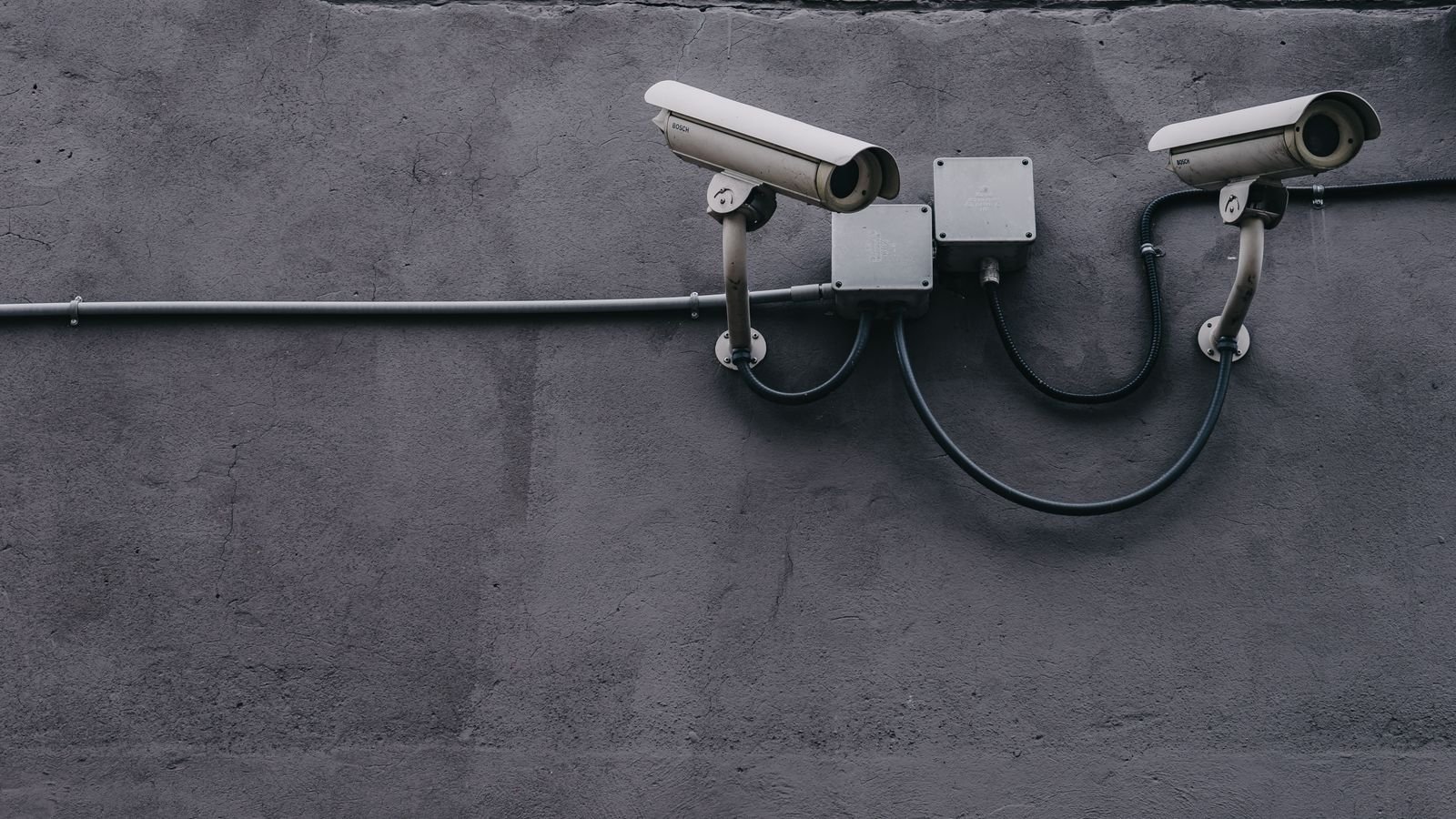
- Bullet cameras: cylindrical, visibly directional, easy to aim precisely, and an obvious deterrent. Good for driveways and long approaches.
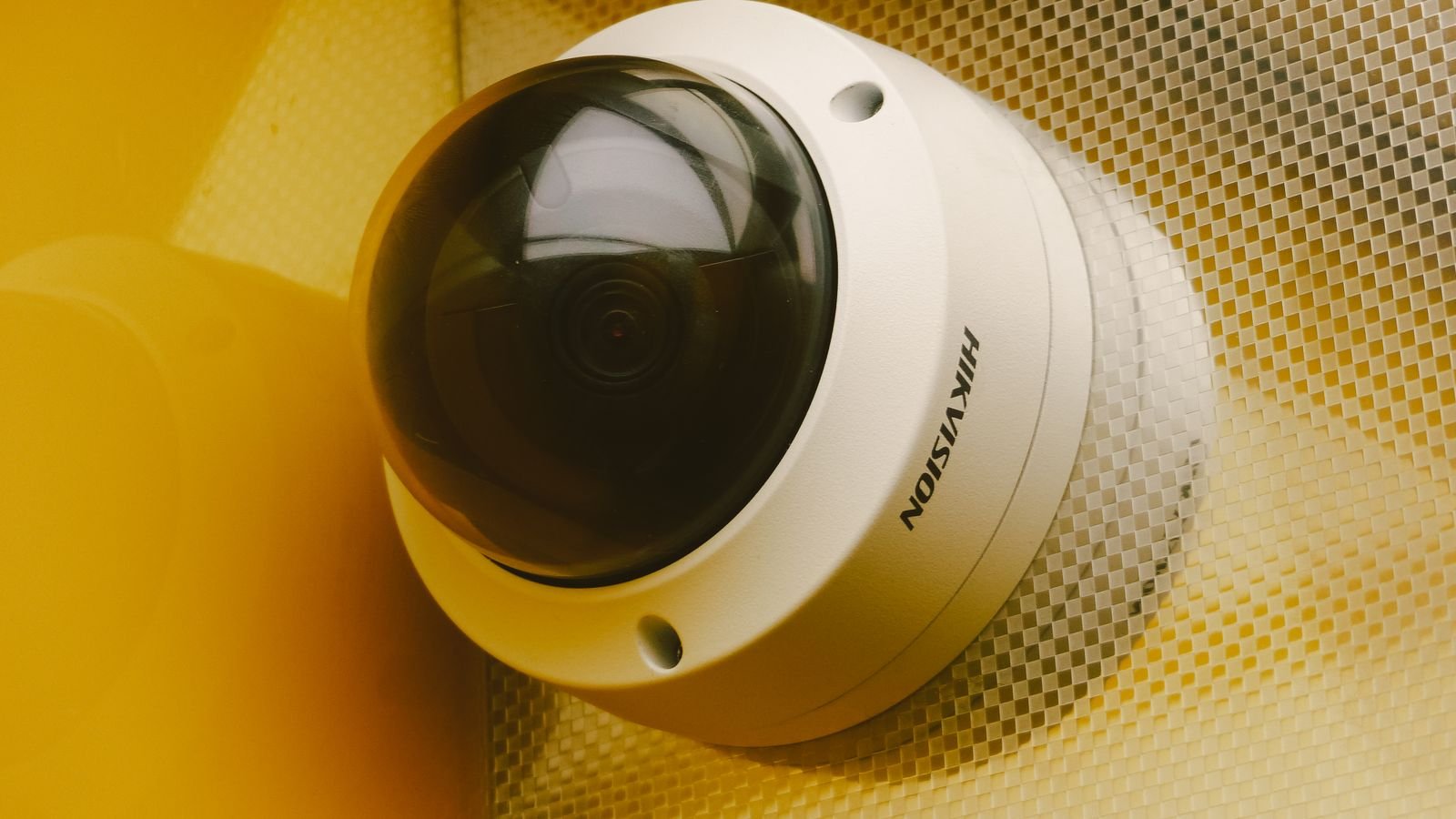
- Dome cameras: discreet, harder to reorient by hand, and less prone to spider webs. Common under eaves and in porches.
- Turret cameras: a ball in an open mount. They avoid the infrared reflection problems domes suffer behind their plastic bubble, which makes them the best default for night performance.
- PTZ cameras: motorised pan, tilt, and zoom. Powerful for large plots but they only look one direction at a time, so they supplement fixed cameras rather than replacing them.
Comparing complete kits is often more productive than assembling from scratch, and the best home CCTV systems bundle matched cameras and recorders that are guaranteed to talk to each other.
Resolution, Sensor Size, and Pixels Per Foot
Resolution is quoted in megapixels, but the number that matters is pixel density at the distance you care about, often expressed as pixels per foot. A 4K camera watching a 60-foot driveway may deliver less usable facial detail than a 2K camera watching a 12-foot gate. Wide-angle lenses spread those pixels over more scene, so a very wide field of view trades identification for coverage.
Sensor size matters more than resolution once the light drops. A large sensor with moderate resolution gathers more photons per pixel and produces cleaner night footage than a high-resolution sensor of the same physical size, which crams smaller pixels in and amplifies noise. If night identification is the goal, prioritise sensor quality and lens aperture over the megapixel count on the box.
Night Vision: Infrared, Colour, and Spotlights
Three approaches exist, and they behave very differently. Traditional infrared illumination produces monochrome images and is invisible to the eye, which keeps the camera discreet. Its weakness is reflection: infrared bounces off rain, snow, glass, and nearby walls, washing out the frame. Mounting the camera clear of overhangs solves most of it.
Colour night vision relies on a very sensitive sensor plus a wide aperture and needs at least some ambient light, such as a street lamp. When it works it is dramatically more useful, because clothing colour is one of the most identifiable characteristics a witness can give. Spotlight cameras add a white LED that floods the scene on detection, giving full colour and acting as a deterrent, at the cost of announcing the camera’s presence and annoying neighbours if aimed carelessly.
Recorders: DVR, NVR, and the Cabling That Follows
The recorder determines your cabling and much of your long-term flexibility.
- DVR: works with analogue cameras over coaxial cable. Cheap, robust, and often the sensible path when coax is already in the walls. Audio and power usually need separate runs.
- NVR: works with IP cameras over ethernet. Each camera is a networked device, resolution ceilings are far higher, and a single cable carries video, audio, control, and power.
For any new installation, an NVR with Power over Ethernet is the stronger choice. One Cat6 run per camera, up to roughly 100 metres, no separate power supply at the camera end, and cameras that can be repositioned or upgraded without re-cabling. Channel count is the specification to think about carefully: buy a recorder with more channels than cameras, because almost everyone adds a camera later. Kits pairing recorders and cameras sensibly are covered in our comparison of the best CCTV camera systems.
Storage: Sizing the Drive Properly
Retention length is a function of camera count, resolution, frame rate, compression, and whether you record continuously or only on motion. A rough planning approach works better than guessing.
- Decide your retention target. Two weeks is a common minimum, since holidays and delayed discoveries mean a three-day buffer is often useless.
- Choose continuous or event recording. Continuous never misses anything but consumes several times the space.
- Account for compression. H.265 typically halves the storage of H.264 at similar quality, so it directly doubles retention.
- Use a surveillance-rated drive. These are built for constant sequential writes and multi-drive vibration, unlike desktop drives.
- Add a second copy for critical footage. A recorder that is stolen along with the valuables has recorded nothing useful.
The best local storage security cameras keep footage under your control with no subscription. Cloud storage survives theft and fire but carries recurring cost and depends on upload bandwidth. Many households sensibly run both, with local continuous recording and cloud backup of motion events only. If off-site retention is a priority, the best cloud security cameras compare plan structures and retention windows.
Power, Cabling, and Network Plumbing
The unglamorous components cause the most failures. Power over Ethernet simplifies everything, but the budget still has to add up: an eight-camera system with infrared illuminators can exceed a small switch’s total PoE power allowance even when each port is within limits. Check the aggregate wattage, not just the per-port rating.
Use outdoor-rated or direct-burial cable for exterior runs and shielded cable near mains wiring. Waterproof every outdoor connector with a proper gland or gel-filled joint, because rain wicking down a cable into an RJ45 is the single most common cause of a camera that works fine until the first storm. Keep the recorder on an uninterruptible power supply so a brief cut does not corrupt the drive, and reserve fixed IP addresses for cameras so they reappear predictably after a reboot.
Software, Analytics, and Alerts
Motion detection based on pixel change alone will alert you to every passing cloud shadow and swaying branch. Modern systems use object classification to distinguish people and vehicles from everything else, and that one feature is the difference between a system you check daily and one whose notifications you mute in week two.
Look for configurable detection zones, line-crossing rules, and schedule-aware sensitivity so the garden path can behave differently at night than at noon. Two-way audio is useful at entrances. Most importantly, evaluate the mobile app before committing: exporting a clip to hand to police should take seconds, and on poor software it is genuinely difficult.
Coverage Planning Before You Buy Anything
Sketch the property and mark entry points, then work outward. Front door, back door, side gate, and driveway cover the overwhelming majority of real incidents. Mount cameras high enough to be out of reach, around 8 to 10 feet, but not so high that they photograph the tops of heads. Angle them so a face is captured at a natural approach distance rather than directly overhead.
- Avoid aiming into the sun at any point in the day, or accept heavy backlighting for part of it.
- Keep neighbours’ windows out of frame, both out of courtesy and because privacy rules in many places require it.
- Overlap fields of view slightly so a person crossing the property is never in a blind spot.
- Place one camera to watch the recorder’s location if the recorder is not in a locked space.
Maintenance That Keeps a System Honest
CCTV degrades quietly. Lenses accumulate dust and spider webs, seals age, drives fill or fail, and firmware falls behind. A short quarterly routine prevents almost every long-term problem: wipe the lenses, confirm each camera still points where it did, watch a few minutes of night footage from each channel, verify the drive’s health status, and check that the retention window still matches what you expect. Update firmware deliberately, since network-connected cameras with old software are a genuine security risk in their own right, and change every default password to something unique.
Frequently Asked Questions
How many cameras does an average home need?
Most houses are well served by four to six covering entries and the driveway. Coverage of the right places matters far more than the total count.
Is 4K worth it over 1080p?
For long distances and wide scenes, yes, because it preserves detail when you digitally zoom, and the best 4K security cameras show what that resolution buys in practice. For a tight porch view, a good 1080p sensor with strong low-light performance is often better.
Can I mix wired and wireless cameras?
Yes. Many households wire the fixed positions and use battery cameras for locations where cabling is impractical, such as a detached shed.
Do I need a subscription?
Not for a local NVR or DVR system. Subscriptions apply to cloud storage and some advanced analytics, and are optional on most self-hosted setups.
How long should I keep footage?
Two to four weeks suits most households. Longer retention is mainly useful for detecting slow patterns such as repeated reconnaissance visits.
Final Thoughts
A good home CCTV system is the result of deliberate matching rather than a single lucky purchase. Start from what you need to see and how far away it is, choose cameras with the sensor and lens to deliver it, pick an NVR with spare channels, size the storage against a realistic retention target, and treat cabling and power as first-class components rather than afterthoughts. Add object-based analytics so alerts stay meaningful, keep the firmware current, and give the whole thing fifteen minutes of attention every few months. That is what separates a system that documents an incident usefully from a folder full of grainy footage nobody can identify anyone in.