Owen Bradley
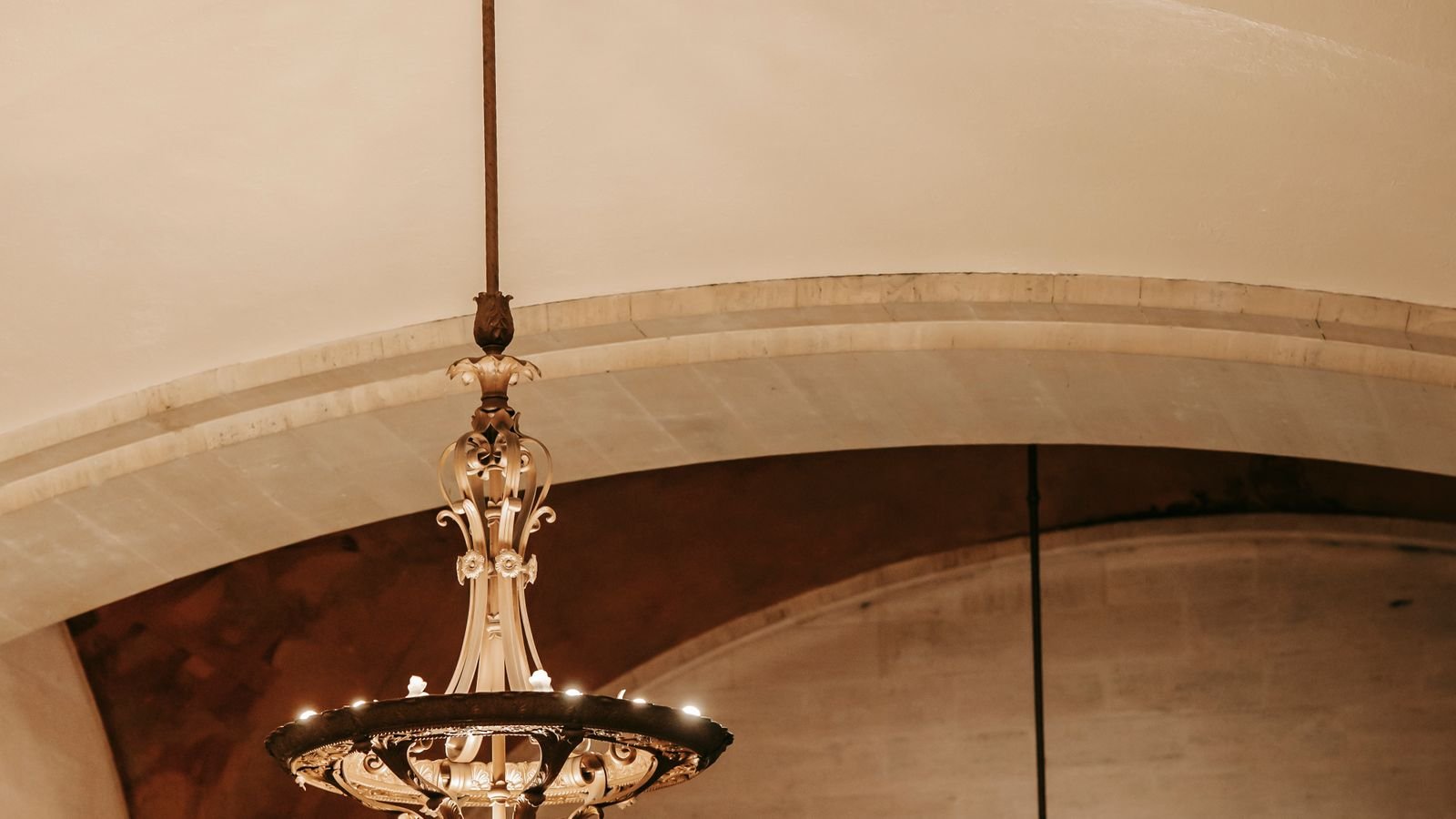
 Chandelier and candelabra bulbs occupy a strange corner of the lighting world. They are the most visible bulbs in most homes — exposed in a dining room fixture, a hallway sconce, or a bathroom vanity bar, with no shade to hide behind — yet they are the ones people understand least. The names alone cause trouble: E12, B10, C7, torpedo, flame tip, candelabra, chandelier. Half of them describe the base, half the shape, and the terms get used interchangeably. Get the choice wrong and you end up with bulbs that do not fit, do not dim, look glaringly modern in a traditional fixture, or die in a matter of months inside an enclosed shade. This guide explains the whole system clearly so you can buy the right decorative bulbs in 2026 with confidence.
Base Sizes: The First Thing to Check
The base is the threaded metal part that screws into the socket, and it is non-negotiable — the wrong base simply will not fit. The number in the code is the diameter in millimeters.
- E12 — the candelabra base, 12mm across. The standard for chandeliers, sconces, and small decorative fixtures in North America.
- E14 — the small Edison screw, 14mm. The European equivalent, common on imported fixtures.
- E17 — the intermediate base, 17mm. Found in some appliance fixtures and older lamps.
- E26 — the standard medium base, 26mm. Some larger chandeliers use full-size sockets with decorative bulb shapes.
- G9 and GU10 — pin bases rather than screw bases, used in many contemporary fixtures.
The quickest way to check is to remove an existing bulb and measure the base diameter, or simply take it with you when you shop. If a fixture is new, the manual will state the socket type and the maximum wattage it accepts.
Bulb Shapes and What They Signal
Shape is purely aesthetic — it has no effect on fit, provided the base and the physical clearance are right — but in an exposed fixture it defines the entire look.
- B10 (blunt tip) — a rounded torpedo shape, the most common and most versatile candelabra profile.
- B11 — slightly larger than B10, otherwise similar.
- C7 and C9 — cone shapes, smaller and often used in night lights and string lighting.
- CA10 (flame tip) — a twisted, tapered tip that mimics a candle flame. The traditional chandelier look.
- G16.5 and G25 (globe) — round bulbs, popular on vanity bars and modern fixtures.
- ST19 and T-shapes (Edison style) — tubular and teardrop vintage profiles with visible filaments.
Match the shape to the fixture’s style. Flame-tip bulbs in a traditional crystal chandelier look right; the same fixture with squat globes looks confused. Conversely, a minimalist modern fixture is usually better served by clean globes or straight tubes than by decorative flame tips.
Brightness: Chandeliers Work Differently
A chandelier distributes its output across many bulbs, so per-bulb brightness is much lower than in a single-socket fixture. Thinking in totals rather than per-bulb figures is the key.
Typical candelabra bulbs run 250 to 500 lumens each, equivalent to old 25W to 40W incandescents. A six-arm chandelier with 400-lumen bulbs delivers about 2,400 lumens total, which suits a dining room comfortably. For a large entryway or a two-story foyer you might want 3,000 to 4,000 lumens; for an intimate dining room, 1,500 to 2,000 is often plenty.
Resist the urge to maximize per-bulb brightness. In an exposed fixture, high-output bulbs create glare — you see the bulbs themselves rather than the light they cast, and the fixture becomes uncomfortable to sit under. Lower output across more sockets always looks better than fewer, brighter bulbs.
Color Temperature for Decorative Fixtures
Chandeliers and sconces are almost always in spaces meant to feel warm and welcoming: dining rooms, entryways, stairwells, bedrooms. Color temperature should follow.
2700K is the reliable default, matching the incandescent look these fixtures were designed around. 2400K and below is warmer still, ideal for vintage filament styles where the amber glow is the point. 3000K works in a bathroom vanity or a kitchen chandelier where slightly crisper light helps. Anything at 4000K or above generally looks wrong in a decorative fixture — it strips away the warmth that made you choose a chandelier in the first place.
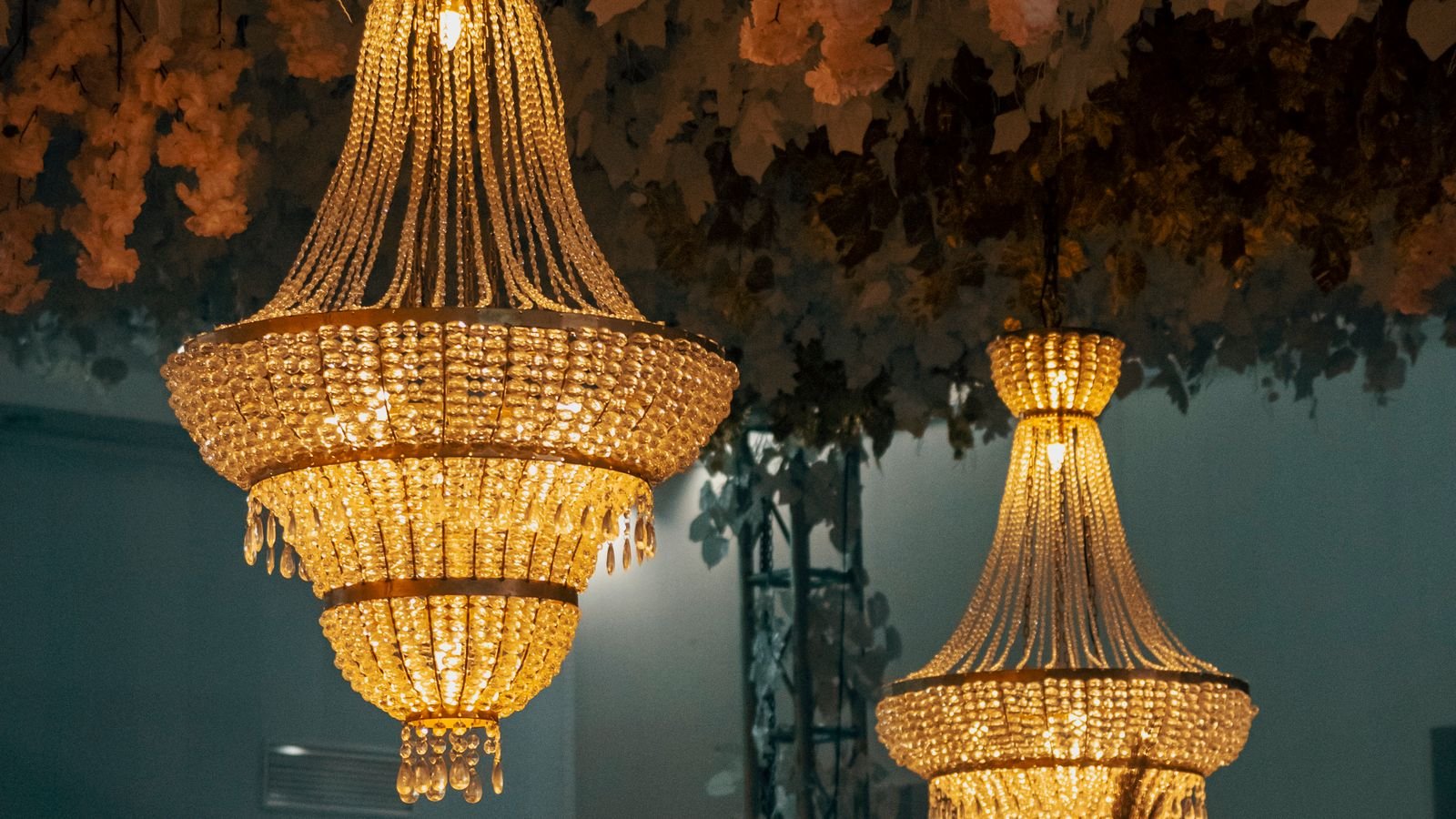
Crystal and glass fixtures are particularly sensitive here. Warm light refracting through crystal produces the amber sparkle people associate with chandeliers; cool light through the same crystal reads as harsh and slightly blue. Comparison guides to the best warm light bulbs cover the 2200K to 3000K range these fixtures need.
Filament Style and Visible Aesthetics
Because these bulbs are exposed, what the bulb looks like when lit is half the purchase. Several options exist.
Clear bulbs show the filament or LED elements directly, producing sparkle and defined shadows. Best with vintage filament LEDs and in fixtures where the bulb is part of the design.
Frosted bulbs diffuse the light, softening glare and hiding the internals. Better where bulbs sit at eye level or where a clear bulb would be uncomfortably bright.
Filament LED bulbs use thin strips of LEDs shaped like traditional filaments inside a clear glass envelope. They give the vintage look with modern efficiency and are now the default choice for exposed decorative use.
Amber or smoked glass adds a tinted vintage quality and further reduces glare, at the cost of some output.
Whatever you choose, use identical bulbs throughout one fixture. Mixed shapes, finishes, or color temperatures in a single chandelier are immediately visible and undermine an otherwise good fixture.
Dimming: Nearly Essential Here
More than almost any other fixture type, chandeliers benefit from dimming. A dining room chandelier at full output during a meal is glaring; at 30% it is beautiful. If your fixture is on a dimmer, every bulb in it must be dimmable — a non-dimmable LED on a dimmer circuit will flicker, buzz, or fail early.
Two complications are worth knowing. First, low total load: LED candelabra bulbs draw very little power, and many older dimmers have a minimum load they need to operate correctly. Six 4W bulbs total only 24 watts, which can fall below an older dimmer’s threshold and cause flickering or a dead zone at the bottom of the range. An LED-rated dimmer solves this. Second, dimmer type: leading-edge dimmers designed for incandescent loads often misbehave with LEDs, while trailing-edge or LED-specific models dim smoothly.
Look for bulbs that dim to 10% or lower without flicker, and ideally warm-dim models that shift toward amber as they dim, replicating the way an incandescent behaves. Shortlists of the best dimmable LED light bulbs highlight which models handle low-load circuits reliably.
Enclosed Fixtures and Heat
Many chandeliers and sconces use small glass shades that fully surround the bulb, and this creates a problem LEDs are surprisingly vulnerable to. LEDs produce less heat than incandescents overall, but they concentrate what heat they do produce at the driver in the base rather than radiating it away. Trapped in a sealed shade, that heat cooks the driver and dramatically shortens bulb life — an LED rated for 25,000 hours can fail in under a year.
The fix is simple: look for bulbs explicitly labeled “enclosed fixture rated.” These use heat-tolerant components and are designed for the conditions. If your fixture has open arms with no shades, this is not a concern. If it has small glass cups, cylinders, or globes surrounding each bulb, treat the rating as mandatory.
Physical Clearance and Fit
Before buying, check that the bulb will physically fit. Decorative shades often have narrow openings, and vintage-style bulbs can be considerably longer than the ones you are replacing. Measure the maximum length and diameter your fixture accepts, and note whether bulbs point up, down, or sideways — some LED designs perform poorly base-up because heat rises into the driver.
Also check the fixture’s maximum wattage rating, which is stamped inside the canopy or socket. This limit is about heat, and since LEDs draw a fraction of the wattage, you can nearly always use them safely. It also means a fixture limited to 40W incandescent bulbs can host far brighter LEDs without any risk.
Budget Tiers
- $2–$4 per bulb — basic non-dimmable LED candelabra bulbs. Fine for a closet sconce or a fixture with shades that hide the bulb.
- $6–$12 per bulb — dimmable filament LEDs with CRI 90+, enclosed-fixture rated. The right tier for any visible chandelier.
- $15–$25 per bulb — premium vintage filament designs, warm-dim behavior, smart-enabled options, and unusual glass finishes.
Remember to multiply by the socket count: a twelve-arm chandelier at $12 per bulb is a real purchase. It is still worth buying quality for the visible fixtures and economizing on hidden ones. Detailed comparisons of LED candelabra bulbs make it easier to find the sweet spot between price and appearance when you need eight or twelve at once.
Mistakes to Avoid
- Buying E26 bulbs for an E12 socket, or vice versa. Always confirm the base first.
- Choosing bulbs that are too bright for an exposed fixture and creating glare.
- Mixing shapes, finishes, or color temperatures within one chandelier.
- Using non-dimmable bulbs on a dimmer circuit.
- Putting standard LEDs in fully enclosed glass shades without checking the rating.
- Ignoring bulb length and finding it protrudes awkwardly past the shade.
- Selecting 4000K or cooler bulbs for a traditional crystal or brass fixture.
Frequently Asked Questions
What is the difference between a chandelier bulb and a candelabra bulb?
In everyday use they mean the same thing. Strictly, “candelabra” refers to the E12 base size and “chandelier bulb” refers to the decorative shapes typically used in those fixtures. Most products described either way are E12 base bulbs in a B10 or flame-tip shape.
How many lumens should chandelier bulbs be?
Around 250 to 500 lumens each is typical. Multiply by your socket count to check the room total — roughly 1,500 to 2,000 lumens suits a dining room and 3,000 or more suits a large foyer. More sockets at lower brightness always looks better than fewer bright ones.
Can I use LED bulbs in an old chandelier?
Yes, in almost every case. LEDs draw far less power than the fixture’s wattage rating allows, so there is no electrical concern. The two things to verify are that the base matches and, if the fixture uses enclosed glass shades, that the bulbs are rated for enclosed use.
Why do my chandelier LEDs flicker when dimmed?
Usually because the total load is below the dimmer’s minimum, or because the dimmer is an older leading-edge type not designed for LEDs. Replacing the switch with an LED-compatible trailing-edge dimmer resolves it in most cases, provided the bulbs themselves are dimmable.
Final Thoughts
Decorative bulbs deserve more attention than they usually get, precisely because you look directly at them. Confirm the base size before anything else, pick a shape that suits the fixture’s style, keep output modest per socket and warm at 2700K or below, insist on dimmable and enclosed-fixture ratings where relevant, and use identical bulbs throughout a single fixture. Those decisions turn an ordinary chandelier into the focal point it was meant to be. If you are replacing a full set, start by comparing the best chandelier bulbs for your base type and count, and buy a spare or two at the same time — matching a discontinued finish a year later in 2026 is far harder than keeping one in the drawer.