
 Owen Bradley
 Buying a washer and dryer together is one of the larger appliance decisions a household makes, and one that is unusually easy to get wrong. Sets are marketed as matched pairs, but matching finishes does not mean matched capacity, and a dryer that cannot keep up with the washer creates a permanent bottleneck on laundry day. Add in the choices between front and top loading, vented and heat pump drying, stacked and side-by-side installation, and the decision gets genuinely complicated. This guide breaks down capacity matching, machine types, efficiency, space planning and the features that earn their keep.
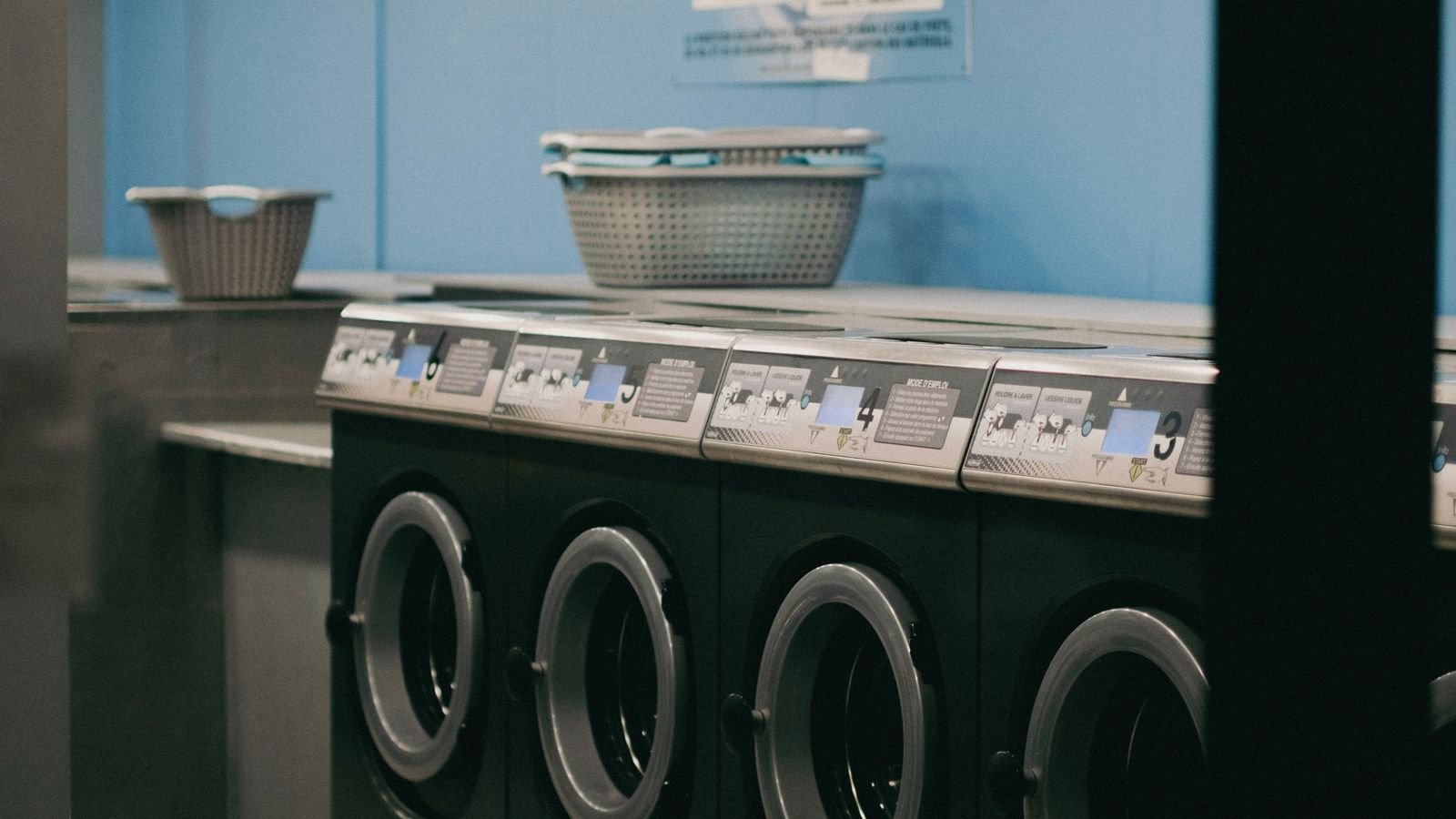
Should You Buy a Matched Set at All?
A matched pair has real advantages beyond appearance. The capacities are usually designed to work together, stacking kits and pedestals are guaranteed to fit, controls behave consistently, and some pairs communicate so the dryer selects a cycle based on what the washer just did. Warranties and service calls are simpler with a single manufacturer, and sets are frequently discounted as a bundle.
The counter-argument is that no manufacturer is best at both. Buying separately lets you take the strongest washer in your budget and the best dryer, and lets you replace one when it fails rather than both. Mixed pairs stack fine as long as dimensions and the stacking kit match.
The practical answer for most households: buy a set if you want simplicity, a coordinated look and a bundle discount. Buy separately if you have a specific requirement — a heat pump dryer, an unusually large capacity, or a very tight space — that no single brand satisfies well.
Capacity: Match the Pair, Then Match Your Household
The most important rule in the whole category is that the dryer drum should be roughly twice the washer drum. Wet laundry needs room to tumble and for air to pass through; a load that just fits the washer will not dry efficiently in a same-sized dryer. If the dryer is undersized, every wash needs two drying cycles and the whole set becomes frustrating.
- One or two people: a 7 to 8 kg washer covers typical use comfortably.
- Small family of three or four: 8 to 9 kg, which handles a duvet cover and a full week’s clothing.
- Larger family or heavy users: 10 kg or more, allowing bedding, towels and sports kit without splitting loads.
Resist buying far more capacity than you need. Large drums cost more, take up more space, and small loads in a big drum wash less effectively because there is not enough mechanical action. Size for your normal week, not your worst-case week — a duvet can go to a launderette twice a year. Our comparison of the best washing machine and dryer sets looks specifically at how well paired capacities line up, and the broader best washing machines and dryers roundup covers buying the two separately.
Front Load Versus Top Load Washers
Front Loaders
Clothes tumble through a shallow pool of water, lifted and dropped by baffles. This uses considerably less water and energy, and because the drum spins faster — often 1400 to 1600 rpm — far more water is extracted, which cuts drying time and cost substantially. Front loaders are also gentler on fabrics and can be stacked or fitted under a worktop.
The trade-offs are longer cycle times, the need to bend to load, and the door gasket, which traps moisture and grows mould if the door is kept shut. Once a cycle starts, mid-cycle additions are limited on many models.
Top Loaders
Easier on the back, generally faster, cheaper to buy, and you can drop in a forgotten sock partway through. Impeller models use a low-profile disc and are gentler and more efficient than the older agitator design, which is rough on fabrics and reduces usable drum space.
Top loaders use more water, spin more slowly so clothes come out wetter, and cannot be stacked. They also need overhead clearance for the lid, which matters under a counter or a shelf. For a deeper look at the format, see our guides to the best front load washing machines and the best top load washing machines.
Dryer Types and Why the Difference Is Large
- Vented. Heats air, passes it through the load and exhausts the moist air outside through a duct. Cheap to buy, fast, and simple, but it needs an external vent and it expels heated indoor air, which raises heating costs in winter.
- Condenser. Cools the moist air to condense water into a tank or drain. No duct required, so it can go anywhere, but it runs hotter, uses more energy than a heat pump and warms the room.
- Heat pump. Recycles heat in a closed loop, using roughly half to a third the energy of a vented dryer. No venting required and much gentler on fabrics because drying temperatures are lower. Cycles take noticeably longer and the purchase price is higher, but the running cost savings are substantial for a household drying several loads a week.
- Washer dryer combo. One machine that does both. Excellent for genuinely tiny spaces, but drying capacity is typically half the wash capacity, cycles are long, and a single failure takes out both functions.
Gas dryers, where available, dry faster and cost less to run than electric vented models but need a gas line and professional installation.
Space Planning and Installation
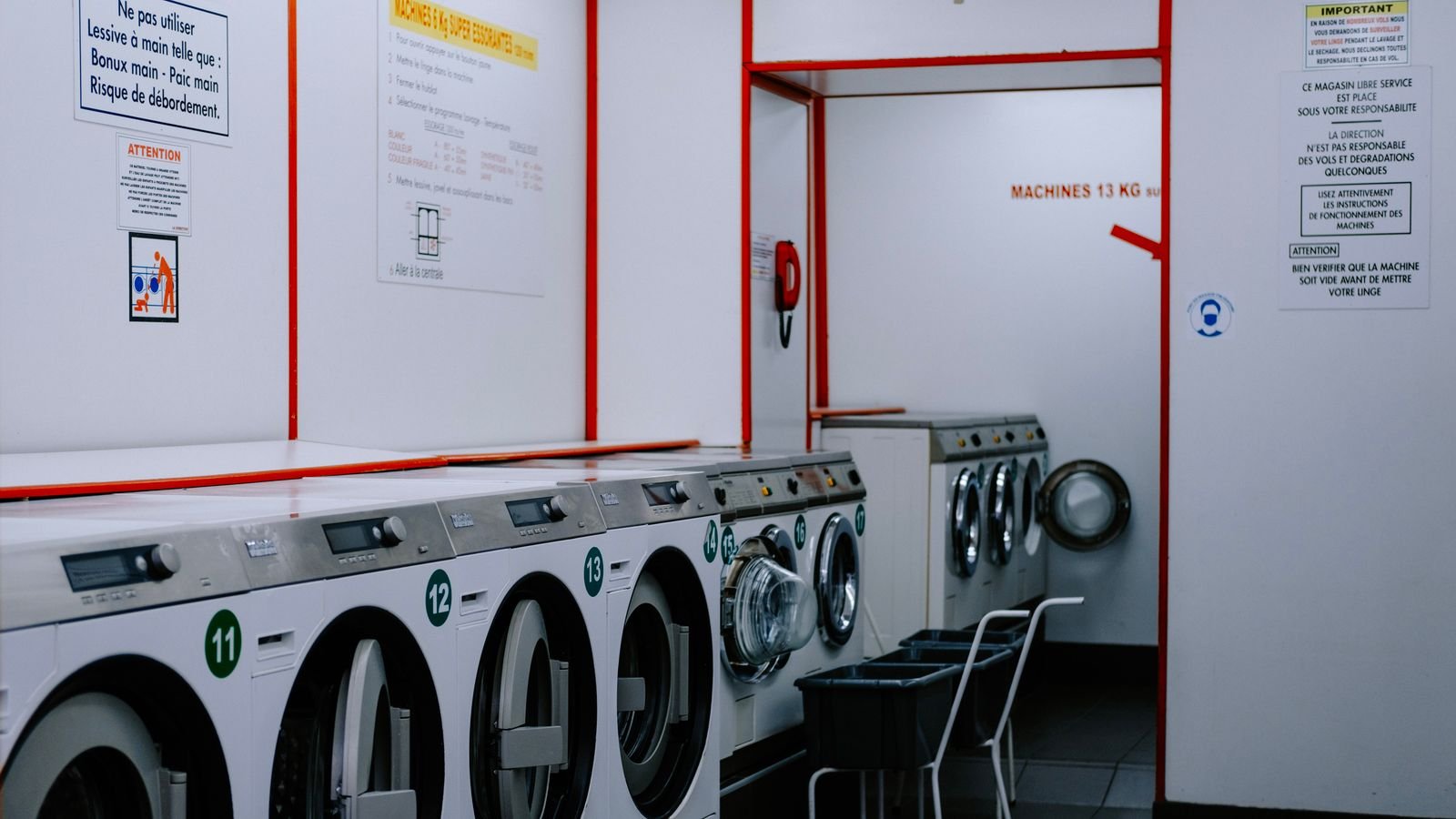
- Measure the alcove width, depth and height, then measure the doorways, hallway and any turn the machine must make to reach the room. Appliances are routinely returned because they will not get through a door.
- Allow about 15cm behind the machine for hoses, ducting and the electrical connection, and a few centimetres either side for airflow and vibration.
- Check door swing direction and whether it is reversible, especially for side-by-side installs where doors could clash.
- For stacking, confirm the manufacturer’s stacking kit exists for your exact pair. Never stack without one — vibration will walk the machine off.
- Check the floor. Washers at high spin speeds generate serious forces, and a suspended timber floor will amplify noise and movement. Level the machine carefully on all four feet.
- Confirm the electrical supply. Many electric dryers need a dedicated high-current circuit, which may mean an electrician.
- Plan drainage and, for condenser dryers, whether you will empty a tank or plumb the condensate away. Plumbing it in removes a daily chore.
- For vented dryers, keep the duct run short, rigid and as straight as possible. Long flexible ducts with multiple bends cut efficiency and are a genuine fire risk.
Efficiency and Running Costs
The purchase price is a fraction of what a laundry pair costs over a decade. Water and energy consumption matter far more.
Look at the annual energy figure rather than the letter grade alone, since grades are banded and two machines in the same band can differ noticeably. On the washer, spin speed is a hidden efficiency lever: a machine spinning at 1600 rpm removes far more water than one at 1000 rpm, and every gram of water left in the load has to be evaporated by the dryer at much greater energy cost. Paying for a faster spin often saves more on drying than it costs on washing.
Washing at 30 or 40 degrees instead of 60 cuts energy use dramatically, since heating water accounts for the majority of a wash cycle’s consumption. Eco cycles achieve their ratings by washing longer at lower temperatures, which is why they take three hours — that is the trade, and it works.
Features Worth Paying For
- Moisture sensing on the dryer. Stops when the load is dry rather than when a timer expires. Saves energy and prevents the overdrying that wears fabrics out.
- High spin speed on the washer. The most cost-effective feature in the whole pair.
- Delay start. Lets you shift running to cheaper overnight tariffs.
- Auto dose detergent. Genuinely reduces waste and residue on clothes.
- A steam cycle. Useful for refreshing and reducing creasing, less so as a substitute for washing.
- Quick wash. A 15 to 30 minute cycle for lightly soiled items is used more than almost any other setting.
- Reversible tumble on the dryer. Reduces tangling and ropes of bedding significantly.
Features to weigh sceptically include app connectivity, which most owners stop using within months, and elaborate specialist cycles that duplicate what a temperature and spin adjustment already does.
Maintenance That Protects the Investment
- Clean the dryer lint filter after every load. This is the biggest single factor in both efficiency and fire safety.
- Clear the vent duct or condenser unit a few times a year, depending on use.
- Leave the washer door and detergent drawer ajar between loads so the gasket dries out.
- Wipe the door seal and check its folds for trapped items and residue weekly.
- Run a hot maintenance wash monthly, using a proper machine cleaner or the manufacturer’s recommended cycle, to clear detergent buildup and biofilm. Our roundup of the best cleaners for washing machines covers what actually works.
- Clean the pump filter every few months, catching coins and buttons before they damage the pump.
- Use the correct detergent type and quantity. Overdosing is the most common cause of residue, odour and poor rinsing.
Frequently Asked Questions
Do I have to buy the washer and dryer from the same brand?
No. Mixed pairs work fine and stack safely provided the dimensions match and a compatible stacking kit is available. Buying as a set mainly buys convenience, a coordinated appearance and often a bundle discount.
What size dryer do I need for my washer?
Roughly double the washer’s drum volume. A dryer that matches the washer exactly will leave you running two cycles for every wash.
Is a heat pump dryer worth the extra cost?
For a household drying several loads a week, yes — the energy savings typically recover the premium within a few years, and clothes last longer at the lower temperatures. For very occasional use, a condenser or vented dryer is easier to justify.
Can I stack any washer and dryer?
Only front loaders can be stacked, and only with the manufacturer’s stacking kit for that pair. Top loaders cannot be stacked at all, and stacking without a bracket is genuinely unsafe.
Why do my clothes smell even after washing?
Almost always biofilm in the drum, gasket or detergent drawer from repeated cool washes and too much detergent. Run a hot maintenance wash, clean the seal and drawer, dose correctly, and leave the door open between loads.
Final Thoughts
Get the fundamentals right and a laundry pair will serve you for a decade without complaint. Size the washer for your normal week rather than your heaviest, choose a dryer with roughly double the drum volume, and pay for a high spin speed because it saves energy at the drying stage where energy is expensive. Measure the space and the route into it before ordering anything, confirm the electrical supply, and use a proper stacking kit if you are going vertical. Then keep the lint filter clean and the door gasket dry, and the set you chose carefully will simply get on with the job.









