Owen Bradley
 A video doorbell has quietly become one of the most useful pieces of hardware in a modern home. It answers the door when you are not there, keeps a record of every delivery, deters porch theft, and lets you talk to a visitor from across town. But the category has grown crowded and confusing: battery or wired, cloud or local recording, subscription or subscription-free, 1080p or 2K, HomeKit or Alexa. This complete guide to choosing a video doorbell walks through every decision in the order you should actually make it, so that by the end you know exactly which type belongs on your door frame and what specifications are worth paying for in 2026.
Start With Your Wiring, Not With Features
Almost every buying mistake in this category traces back to a wiring assumption. Before you compare a single specification, go outside and look at your existing doorbell button. If two thin low-voltage wires run into it and a mechanical chime rings inside the house, you have a wired installation and the widest possible choice of models. If the button is a self-contained plastic unit with no wires, you are on battery power and a hardwired doorbell is off the table unless you are willing to run new cable.
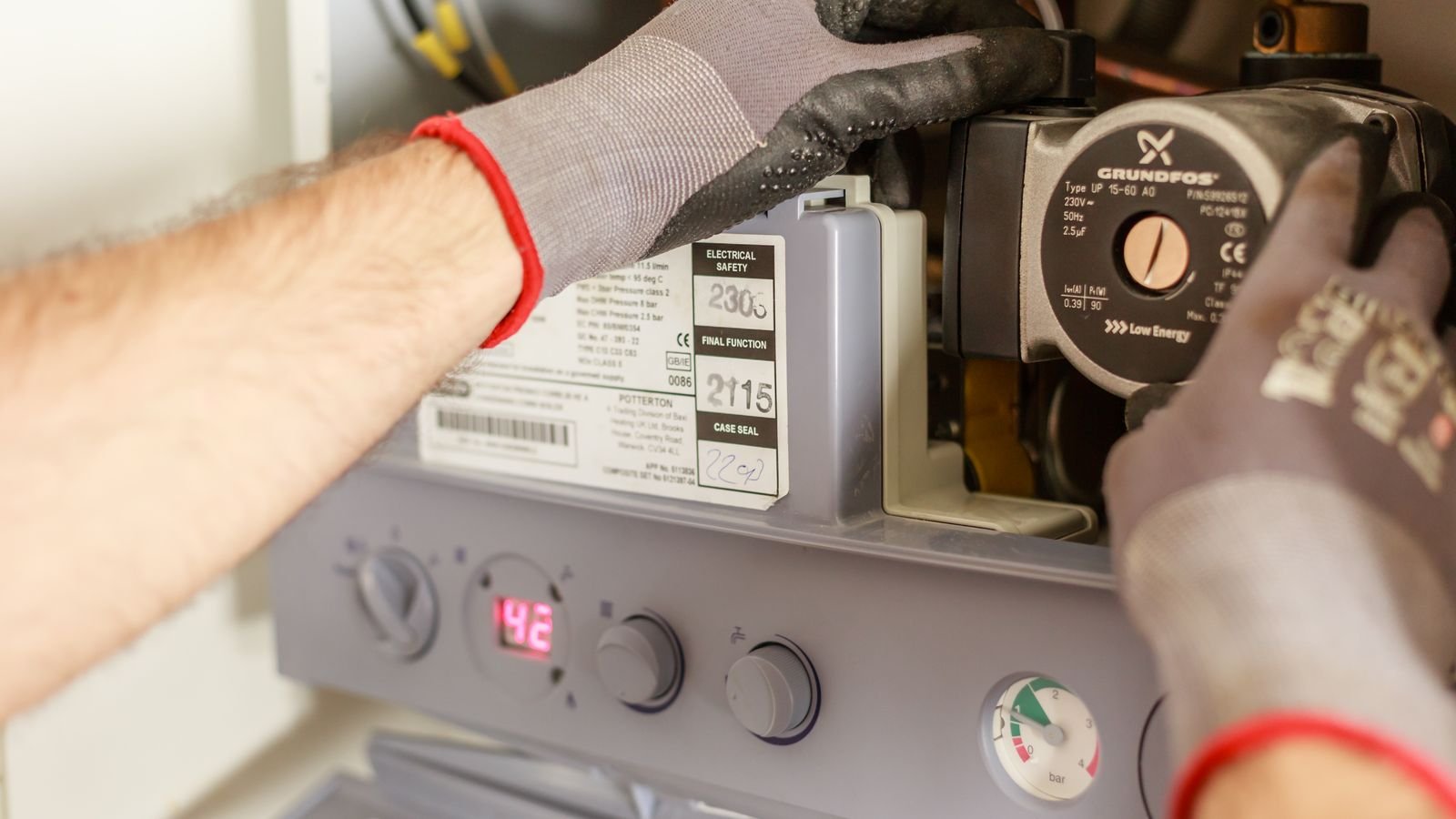
Wired video doorbells draw continuous low-voltage power from a transformer, typically 16–24V AC. Continuous power means the camera can stay awake, record around the clock in some models, and never needs charging. The catch is that older transformers rated at 10VA may not supply enough current for a power-hungry camera, which produces the classic symptom of a doorbell that reboots every time someone rings it. Checking your transformer rating before purchase costs nothing and saves a return.
Battery models sidestep all of that. They mount with two screws, connect over Wi-Fi, and work in apartments, rentals, gates, and side doors where no wiring exists. The trade-off is recharging every one to six months depending on traffic and climate, plus a small wake-up delay before recording starts. If wiring is not an option, browsing a curated roundup of the best battery doorbells is the fastest way to see which models balance battery life against responsiveness.
Wired vs Battery vs Plug-In: The Three Real Choices
Manufacturers market dozens of variants, but functionally there are three power designs. Hardwired units offer the fastest wake time, optional continuous recording, and no maintenance, and they can ring your existing mechanical chime. Battery units offer effortless installation and total placement freedom but rely on motion-triggered clips rather than continuous video. Plug-in or transformer-kit units split the difference: the doorbell is wired, but to a small indoor adapter you plug into an outlet and run a thin cable out through a window or door frame.
Renters overwhelmingly land on battery. Homeowners with an existing chime usually get more for their money from a wired unit. If you are still weighing the general category before narrowing down, a broad comparison of the best doorbells across power types is a sensible starting point, and buyers who specifically want a wire-free camera at the door will find focused options among the best wireless video doorbells.
Resolution, Field of View, and Aspect Ratio
Resolution numbers are the loudest part of the marketing and the least important part of the decision beyond a point. At the short distances a doorbell covers, 1080p already resolves a face clearly. Moving to 2K or 4K mainly helps when you digitally zoom into a license plate or a package label at the edge of the frame. It also multiplies bandwidth and storage requirements.
Field of view deserves more of your attention. A 160-degree horizontal view captures the porch and part of the walkway. What actually matters at a door, though, is vertical coverage: a doorbell with a tall 1:1 or 3:4 aspect ratio shows a visitor head to toe and reveals packages sitting on the mat directly below. A wide 16:9 sensor may show your neighbour’s driveway while cropping out the box you were trying to watch. When comparing two models, prefer the one with the taller vertical field over the one with the bigger megapixel count.
Low-light performance is the third pillar. Infrared night vision produces a clean monochrome image and works in total darkness. Colour night vision uses a built-in spotlight and gives you clothing colour, which is far more useful for identification.
Motion Detection: Where Cheap Models Fall Apart
The single biggest determinant of whether you keep using a video doorbell after month three is motion detection quality. Basic passive infrared sensors trigger on heat differentials and will happily alert you for passing cars, swaying branches, and sunlight moving across a wall. After forty notifications a day, most people mute the app entirely, at which point the device stops protecting anything.
Look for these capabilities, roughly in order of value:
- Adjustable activity zones that let you exclude the street and sidewalk from triggering.
- On-device person detection using computer vision rather than heat alone, so animals and vehicles are filtered out.
- Package detection that alerts you when a parcel appears and again when it leaves.
- Familiar face recognition, which tells you the difference between a stranger and a family member arriving home.
- Adjustable sensitivity and cooldown, so a busy street does not generate a clip every eight seconds.
Be aware that person detection and face recognition are frequently locked behind the manufacturer’s subscription. Confirm which features survive if you never pay a monthly fee.
Storage and Subscriptions: The Real Long-Term Cost
The purchase price is only part of the equation. Most mainstream video doorbells store clips in the manufacturer’s cloud, and most gate that storage behind a plan costing roughly $3–$15 per month depending on how many cameras and how many days of history you want. Over five years, a $5 monthly plan costs more than the hardware did.
Your alternatives are worth understanding. Local storage writes clips to a microSD card in the doorbell or to a base station hub in your house, with no recurring fee and no dependence on someone else’s servers. The trade-off is that a thief who removes the doorbell may remove the footage with it, unless the recordings mirror to an indoor hub. Hybrid systems record locally and sync to the cloud so you get redundancy. Free tiers exist on some brands and typically give you live view plus a short rolling window of event history.
Decide this before you buy, because storage architecture is baked into the ecosystem and cannot be changed later. If a monthly bill is unappealing, filter your shortlist to models with microSD or hub-based recording from the outset.
Chimes, Indoor Alerts, and Household Practicalities
A video doorbell that only rings your phone will be missed constantly, especially by household members who do not have the app installed. Wired models can trigger your existing mechanical chime, though some require a small resistor or power kit to do so reliably. Battery models generally cannot, so you will want a plug-in indoor chime or a smart speaker configured to announce the doorbell.
Think about coverage across a multi-storey home. One chime near the front door may be inaudible in a basement workshop or upstairs bedroom. Many buyers add a second plug-in unit, and the range of dedicated best doorbell chimes includes models that pair with several transmitters. If you would rather build the whole thing as a matched set rather than mixing brands, complete best doorbell systems bundle the button, camera, and interior chimes together.
Smart Home Ecosystem and Voice Control
Check compatibility before checkout, not after. If you own an Echo Show, a doorbell that streams directly to it turns every screen in the house into a door monitor. Google Home users want the equivalent Nest Hub support. Apple households should verify HomeKit Secure Video support specifically, since generic “works with Apple” claims sometimes mean nothing more than an iOS app.
Also consider whether the doorbell can trigger routines. A well-integrated unit can turn on the porch light when motion is detected after dark, announce a visitor over your speakers, and start recording an adjacent driveway camera at the same time. That kind of cross-device behaviour is where a smart home earns its name, and it depends entirely on ecosystem support.
Installation, Weather, and Angle Problems
Installation for a battery unit takes about fifteen minutes: mark the bracket, drill two anchors, mount, and pair over Wi-Fi. Wired installation adds shutting off the breaker, disconnecting the old button, and connecting two low-voltage leads, plus fitting a jumper or power kit at the chime in some cases.
Two physical problems catch buyers off guard. The first is angle: if your door sits at the end of a narrow porch or the doorbell faces a wall, you need a wedge or corner mount to aim the lens usefully. Most manufacturers sell these, and many include them. The second is weather. Check the IP rating and the stated operating temperature range, because lithium batteries lose substantial capacity below freezing and a doorbell in a cold climate may need charging monthly in winter instead of twice a year. A covered porch dramatically extends both battery life and hardware lifespan.
Wi-Fi, Bandwidth, and Reliability
Your doorbell sits outside, behind an exterior wall, at the farthest corner of your Wi-Fi coverage. That is the worst place in the house for a wireless device. A weak signal produces the complaints you see in every review section: laggy live view, clips that fail to upload, and notifications arriving after the visitor has left.
Before buying, test signal strength at the door with your phone. If it is marginal, plan for a mesh node or extender near the entryway. Prefer doorbells that support both 2.4GHz and 5GHz bands; 2.4GHz travels through walls better, while 5GHz carries higher-resolution streams with less congestion. Some newer models support Wi-Fi 6, which handles crowded networks more gracefully.
Budget Tiers: What Your Money Buys
Entry-level doorbells generally deliver 1080p video, basic motion alerts, two-way audio, and a free but very short clip history. They are perfectly adequate if your only goal is seeing who is at the door. The mid-range adds a taller sensor, person and package detection, colour night vision, better weather sealing, and usually local storage as an option. The premium tier brings 2K resolution, radar or dual-sensor motion detection with near-zero false alerts, face recognition, continuous recording on wired power, and deep smart home integration.
Frequently Asked Questions
Do I need a subscription to use a video doorbell?
Not necessarily. Every model will show live video and ring your phone for free. Subscriptions typically unlock recorded clip history, person and package detection, and rich notifications with a thumbnail. Models with microSD or hub-based local recording let you keep history without any monthly cost.
Will a battery doorbell survive a cold winter?
It will operate, but expect noticeably shorter runtime. Lithium cells lose capacity in the cold, and a doorbell that lasts five months in mild weather might need charging every four to six weeks at sustained sub-freezing temperatures. Buyers in cold climates are usually happier with a hardwired unit, since trickle power keeps the battery topped up.
Can a video doorbell work without existing doorbell wiring?
Yes. Battery models need no wiring at all, and plug-in kits let you power a wired doorbell from an indoor outlet. You will need an indoor chime or a smart speaker to hear the ring inside.
How much internet upload speed does one need?
Roughly 1–2 Mbps of upload per camera at 1080p, and more at 2K. That is modest for most connections, but if you already run several cameras plus video calls on a slow uplink, streams will stutter. Check your upload rate rather than your download rate.
Final Thoughts
Choose in this order: confirm your power situation, decide whether you will accept a subscription or need local storage, then compare motion detection quality, then look at resolution and field of view, and only then compare prices. That sequence eliminates most of the market in the first two steps and leaves you comparing three or four genuinely suitable models rather than thirty.
If you are wired and want the most capable device with no maintenance, a hardwired unit with local recording is the durable choice. If you rent or your door has no cable, a well-reviewed battery model with adjustable activity zones will serve you for years. Whichever route you take, pair it with an indoor chime loud enough to hear across the house and tune your activity zones in the first week.