Owen Bradley
 Pet hair is not just ordinary dirt with fur mixed in. It is a fundamentally different cleaning problem, and it defeats vacuums that handle household dust perfectly well. Hair weaves itself into carpet pile and upholstery fibers rather than sitting on top of them, it wraps around brush rolls until the motor strains, it clings to surfaces through static, and it arrives paired with fine dander that triggers allergies long after the visible tufts are gone. A vacuum that works for a pet-free apartment can be genuinely inadequate in a home with a shedding retriever or two long-haired cats. This guide explains what actually separates a pet-capable vacuum from an ordinary one, how to match a machine to your flooring and your animals, and how to keep it performing after the first few months.
Why Pet Hair Defeats Ordinary Vacuums
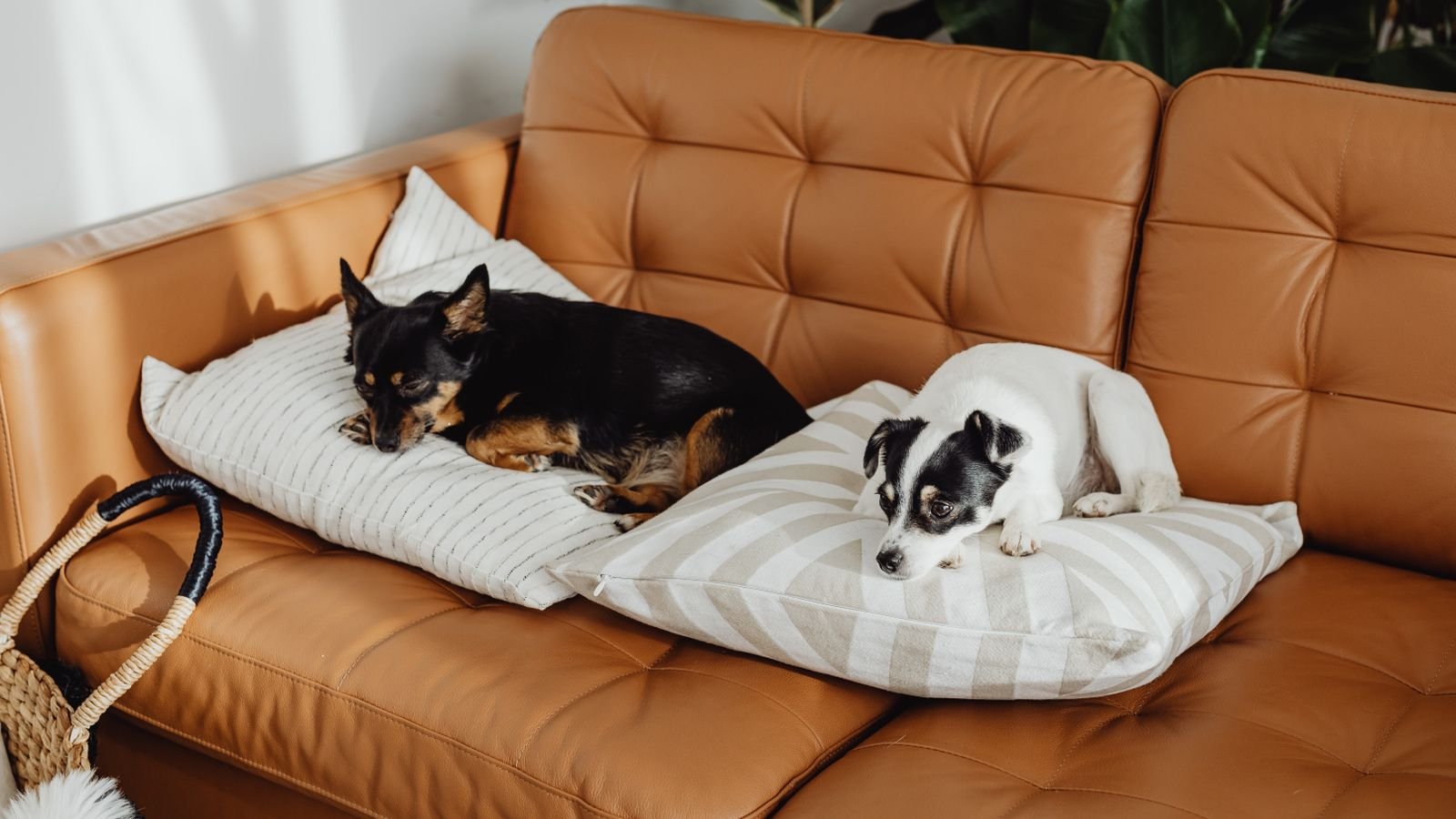
Three physical properties make animal hair uniquely difficult. First, individual hairs are long and flexible, so they thread between carpet fibers and lock in place instead of resting loose. Pure suction cannot lift them; something has to physically agitate the pile to break them free. Second, hair is light and carries static charge, which makes it stick to hard floors, baseboards and upholstery rather than being drawn into an airstream. Third, the same shedding event that produces visible hair produces enormous quantities of dander — microscopic skin flakes that are the real allergen and that pass straight through a cheap filter and back into your breathing air.
This is why “strong suction” is a misleading headline spec. Airflow matters, but a pet vacuum succeeds or fails on the combination of agitation, hair management at the brush roll, sealed airflow paths and genuine filtration. A machine that scores well on one and poorly on the other three will disappoint you within a week.
The Features That Actually Matter
Brush Roll Design and Tangle Management
The brush roll is the single most important component. A stiff-bristled roll agitates carpet effectively but becomes a hair spindle — within a few sessions it is bound in a solid rope of fur that has to be cut off with scissors. Modern anti-tangle designs solve this with angled or spiral bristle rows that direct hair toward the suction inlet, comb-like combs that continuously strip the roll, or rubberized fins instead of bristles. Any of these approaches is worth paying for. If you are choosing between two otherwise similar machines, take the one with active tangle management every time.
Sealed System and HEPA Filtration
A HEPA filter is only as good as the housing around it. If the vacuum body leaks, air bypasses the filter through the seams and dander goes right back into the room. Look for the phrase “fully sealed system” alongside the HEPA claim. In an allergy household this pairing matters more than any performance number on the box.
Suction Control and Surface Adjustment
High suction on a low-pile rug or a bare floor can seal the head against the surface and stall it. You want either an adjustable suction control, a bleed valve, or automatic surface detection so the machine backs off where it needs to. Height adjustment for different carpet depths does the same job mechanically.
Bin Capacity and Emptying
Pet homes fill a bin fast. A small canister on a lightweight stick vacuum can need emptying twice during one pass of a living room, and hair does not fall out cleanly — it forms a compressed mat that you end up pulling out by hand. Bagged machines sidestep this entirely and contain allergens better on disposal, at the cost of ongoing consumables. Bagless is cheaper to run but messier at exactly the moment you least want mess.
Attachments Built for Fabric
A motorized mini turbo brush is the tool that gets hair off sofa cushions, mattresses, stair treads and car seats. A passive dusting brush will not. Rubber upholstery tools work by friction and are excellent on tightly woven fabric. If a vacuum’s attachment kit is all passive plastic, half your pet hair problem stays unsolved.
Choosing a Format for Your Home
Format matters as much as features, and the right answer depends on your floor plan more than your budget.
- Upright. The traditional choice for carpet-heavy homes. Wide cleaning path, powerful motorized brush roll, large bin. Heavy on stairs and awkward under low furniture, but nothing beats it for deep-cleaning a large carpeted area. Our roundup of the best upright vacuum cleaners covers this format in depth.
- Cordless stick. The best choice for frequent maintenance cleaning, which is what pet homes actually need. Grabbing it for a two-minute pass every day beats a thorough weekly clean. Runtime and bin size are the trade-offs. See the best cordless vacuums comparison for current battery performance.
- Canister. Excellent on mixed flooring and stairs, with a lightweight wand and the motor unit rolling behind you. Popular in homes with a lot of hard floor plus area rugs.
- Robot. Not a replacement, but a genuinely effective supplement. Daily automated passes stop hair accumulating to the point where deep cleaning becomes a chore. Carpet performance varies a lot between models — the best robot vacuums for carpets guide is the place to start if you have rugs.
- Handheld. The specialist for car interiors, stair edges, cat trees and furniture. Cheap, and it solves problems full-size machines are clumsy at. Compare options in the best handheld vacuums roundup.
Matching the Machine to Your Pet
Different animals create different cleaning loads, and it is worth being honest about yours before spending.
- Short-haired dogs. Deceptively difficult. Short bristly hairs act like needles and embed deeply in carpet and upholstery. You need strong agitation more than large capacity.
- Long-haired dogs and cats. Volume is the problem, along with tangling. Prioritize a large bin, anti-tangle brush design, and easy access to the roller for the times it does wrap.
- Multiple pets. Assume you are running the vacuum several times a week. Durability, filter cost and ease of maintenance start to outweigh peak performance figures.
- Cats specifically. Litter tracking adds a heavy, granular load that many stick vacuums handle poorly and that can scratch hard floors if dragged. A machine with good hard-floor sealing helps.
- Allergy sufferers in the household. Sealed HEPA filtration moves from nice-to-have to non-negotiable, and bagged designs become distinctly preferable.
Our dedicated comparisons cover these scenarios directly: the best vacuum for pet hair for general multi-pet households, the best vacuum for dog hair if canine shedding is your main issue, and the best vacuums for animal hair for homes with several species and mixed flooring.
Budget Tiers and What Each Buys You
Entry Level
Under roughly $150 you get a basic upright or corded stick with a bristle brush roll and standard filtration. It will pick up surface hair from hard floors and low-pile carpet. Expect frequent brush roll tangles, a small bin, and filters that need washing often. Adequate for one short-haired pet in a small apartment.
Mid Range
Between roughly $200 and $400 is where pet-specific engineering appears: tangle-resistant rollers, sealed filtration, motorized upholstery tools, better build quality. This is the sweet spot for most pet owners and where the largest jump in real-world satisfaction happens.
Premium
Above roughly $500 you are buying automatic surface detection, longer battery life, self-emptying docks, laser or illuminated heads that reveal fine debris, and materials that survive years of heavy use. The cleaning result on a given carpet may be only modestly better than mid-range; the convenience difference is substantial, and in a home that vacuums daily convenience is what determines whether the machine gets used.
Mistakes Pet Owners Make When Buying
- Buying on suction numbers alone. Air watts and pascals tell you almost nothing about hair pickup from carpet, which is an agitation problem.
- Ignoring filter running costs. Some machines need a replacement HEPA filter every six to twelve months. Over five years that can rival a meaningful fraction of the purchase price.
- Choosing a stick vacuum as the only machine for a large carpeted house. Battery runtime and bin capacity will frustrate you. Stick vacuums excel as the everyday machine, not always as the only one.
- Overlooking weight. A vacuum you dread carrying upstairs gets used less, and frequency beats power for pet hair.
- Skipping the attachment check. If your pets are on the furniture, upholstery tools are half the purchase. Verify what is actually in the box rather than what is pictured.
- Not checking parts availability. Brush rolls, belts and filters are wear items in pet homes. A machine with no spare parts channel is a two-year machine.
Maintenance That Preserves Performance
Pet vacuums degrade faster than ordinary ones, and most of the “it lost suction” complaints are maintenance issues rather than defects.
- Check and clear the brush roll every few uses, even on anti-tangle designs. Seam rippers work better than scissors and will not cut the bristles.
- Empty the bin at around two-thirds full rather than when it is packed. Compressed hair restricts airflow well before the bin looks full.
- Wash washable filters on schedule and let them dry completely — at least 24 hours. A damp filter installed early breeds odor and can damage the motor.
- Inspect the hose for blockages if suction drops suddenly. A wad of hair at a bend is the usual culprit and takes two minutes to clear.
- Wipe the head’s underside and check the wheels. Hair wraps around axles and drags the head, which feels like lost power.
- Replace the pre-motor filter on the manufacturer’s schedule. It protects the motor and it is the cheapest insurance you can buy.
Grooming your pets regularly is the highest-leverage step of all. Ten minutes with a de-shedding brush removes hair before it reaches your floors, and it reduces the vacuuming workload more than any upgrade.
Frequently Asked Questions
Do I really need a vacuum marketed specifically for pets?
Not necessarily the marketing label, but you do need the underlying features: anti-tangle brush roll, sealed HEPA filtration and a motorized upholstery tool. Plenty of general-purpose vacuums have all three, and some “pet edition” models are the standard machine with an extra tool in the box.
How often should I vacuum with pets in the house?
High-traffic areas benefit from daily or every-other-day passes; the whole house once or twice a week. Frequent light cleaning prevents hair working deep into carpet pile, where removing it becomes far harder.
Is a bagged or bagless vacuum better for pet hair?
Bagged is better for allergy control and cleaner to empty, since you seal the allergens inside the bag and discard it. Bagless costs nothing to run but exposes you to a cloud of dander at every emptying. If anyone in the home has allergies, choose bagged.
Can a robot vacuum handle pet hair on its own?
It can manage daily maintenance on hard floors and low-pile carpet impressively well, and a self-emptying base makes it practical. It will not deep-clean medium or high-pile carpet, and it cannot do furniture or stairs. Treat it as a supplement to a main vacuum, not a substitute.
Why does my vacuum smell after cleaning up pet hair?
Dander and skin oils accumulate in the filter and bin. Wash the bin with mild detergent, clean or replace filters on schedule, and check the brush roll for trapped debris. Persistent odor almost always traces back to a filter that has gone too long.
Will a vacuum damage hardwood floors?
Only if you run a stiff brush roll on bare wood. Use a machine with a brush-roll-off setting or a dedicated soft-roller hard floor head, and check the wheels for embedded grit periodically.
Final Thoughts
The right pet vacuum is the one that matches your flooring, your animals and — critically — the amount of effort you will realistically put in. A powerful upright that lives in a closet because it is heavy will lose to a modest cordless stick that gets used every day. Prioritize anti-tangle brush design, a genuinely sealed filtration system and the attachments that suit where your pets actually spend their time. Get those three right and the rest is refinement. Then commit to the maintenance routine, because a well-kept mid-range machine outperforms a neglected premium one every time. Browse our detailed comparisons for 2026 to find the specific models that fit your household, and start with the guide that matches your primary problem rather than the highest overall score.