Owen Bradley
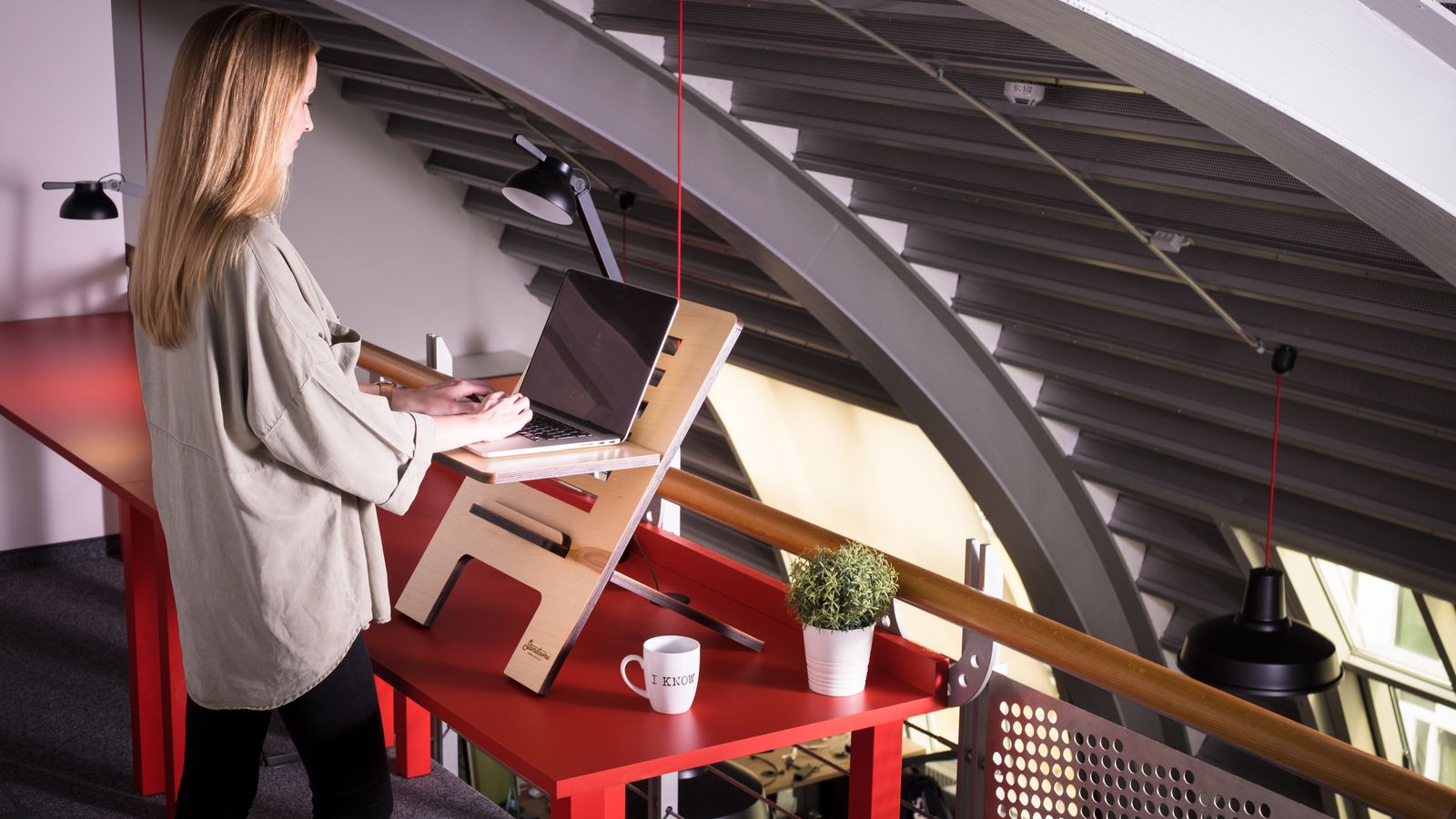
 Switching from a seated workstation to a standing desk can transform your posture, energy levels, and focus, but many people quietly give up after just a few days because their feet start to ache. That soreness is not a sign that standing desks are wrong for you — it is almost always a sign that you transitioned too quickly or skipped a few key comfort essentials. The good news is that foot pain is highly preventable with the right pacing, footwear, and flooring support. This guide walks you through a realistic, step-by-step plan so you can build genuine standing tolerance without punishing your feet, calves, or lower back.
Why Standing Desks Cause Foot Pain at First
Your feet are engineering marvels, but they are not accustomed to bearing your full body weight for hours at a time without the periodic relief that sitting provides. When you suddenly stand all day, the small stabilizing muscles in your arches and the connective tissue in your heels get overloaded. Hard flooring, worn-out shoes, and standing in one static, locked position all compound the strain. The discomfort is usually temporary and completely manageable when you ease into standing rather than diving in headfirst.
The Most Common Triggers
- Standing too long, too soon, without sitting breaks in between
- Wearing unsupportive shoes, dress flats, or going barefoot on hard floors
- Standing flat-footed and rigid instead of shifting weight and moving
- Skipping an anti-fatigue mat on hard surfaces like tile, laminate, or concrete
- Locking the knees, which transfers pressure straight into the joints and feet
Who Needs to Be Extra Careful
If you have flat feet, plantar fasciitis, previous ankle or knee injuries, or you’re on your feet for other reasons during the day, you should transition even more gradually. Pain that radiates, tingles, or persists overnight is a signal to slow down and reassess rather than push through.
What You Need Before You Start
- An adjustable standing desk, either electric or manual crank
- A pair of supportive, cushioned shoes suited for standing — see this roundup of the best standing desk shoes for options designed specifically for long standing sessions
- An anti-fatigue mat to cushion your joints and encourage micro-movement
- A timer or reminder app to track and structure your standing intervals
- An optional footrest bar or small stool for alternating foot elevation
Step-by-Step: Transitioning Without Foot Pain
- Start with short intervals. Begin with just 15 to 20 minutes of standing per hour during your first week. Resist the urge to stand longer simply because you feel fine in the moment — foot fatigue often shows up hours later.
- Add an anti-fatigue mat immediately. A quality mat cushions your joints and encourages the subtle shifts in weight that keep blood flowing. Explore these best anti-fatigue mats for standing desks to find one sized for your space and thick enough for real relief.
- Wear proper footwear. Avoid flip-flops, high heels, and completely flat unsupportive shoes. Look for cushioned soles, a supportive arch, and a slightly wider toe box so your feet can spread naturally.
- Alternate your stance often. Shift your weight from one foot to the other, or rest one foot on a low footrest for a minute, then swap. This simple habit prevents pressure from concentrating in one spot.
- Follow a gradual ramp. Increase your standing time by only 10 to 15 minutes per session each week. A steady progression lets tendons and muscles adapt without inflammation.
- Adopt the sit-stand rhythm. Once you build tolerance, alternate roughly 30 minutes standing with 30 minutes sitting, adjusting the ratio to what feels sustainable for your body.
- Stretch your calves and feet. Do calf raises, toe curls, and a gentle wall calf stretch before and after standing sessions to keep the muscles loose and reduce next-day stiffness.
- Track your progress weekly. Keep a simple log of how long you stood and how your feet felt. Use it to decide whether to hold steady or add more standing time.
Building a Sustainable Weekly Schedule
Rather than aiming to stand all day, target a realistic and healthy balance. A common goal is standing for roughly half of your working hours, broken into manageable blocks. Here is a sample progression you can adapt:
- Week 1: 15-20 minutes of standing per hour, sitting the rest.
- Week 2: 30 minutes standing per hour as tolerated.
- Week 3: 45 minutes standing per hour, with movement breaks.
- Week 4 and beyond: Alternate freely based on comfort, aiming for a natural sit-stand rhythm throughout the day.
Tips for Long-Term Comfort
- Rotate between two or three pairs of supportive shoes so you don’t repeatedly load the same pressure points.
- Replace your anti-fatigue mat once it becomes compressed, hard, or loses its spring.
- Pair standing time with light movement, like walking during phone calls, rather than standing perfectly still.
- Add a footrest bar so you can occasionally prop one foot up and stretch the opposite hip and calf.
- Stay hydrated and take short walking breaks, since circulation plays a big role in how your feet feel.
Understanding the Muscles and Joints Involved
Standing well is a full-body activity, not just something your feet do. When you stand with good alignment, the load is shared across your feet, calves, thighs, hips, and core rather than dumped onto your heels and arches. Weak or tight muscles anywhere in that chain force your feet to compensate, which is a common hidden cause of standing-desk foot pain. Gentle strengthening of your calves, glutes, and core over the transition weeks helps distribute the load and makes standing feel effortless rather than exhausting.
Simple Strengthening Moves
- Calf raises: Rise onto your toes and lower slowly, 10 to 15 times, a few times a day.
- Toe spreads and curls: Strengthen the small foot muscles that support your arches.
- Glute squeezes: Briefly engage your glutes while standing to take pressure off your lower back.
- Standing marches: Lift each knee gently to keep circulation moving during long sessions.
Listening to Your Body’s Signals
Not all discomfort is created equal. General muscle fatigue that eases overnight is a normal part of adapting. But sharp, stabbing, or radiating pain, numbness, tingling, or soreness that lingers into the next morning are signals to slow down. There is no prize for standing through pain — a slower, smarter transition will always beat pushing too hard and having to abandon the desk entirely. Adjust your ratio, check your footwear and mat, and give your body the time it needs.
Common Mistakes to Avoid
- Jumping straight to standing all day during your very first week
- Standing directly on hard tile or concrete without any mat
- Locking your knees or standing rigidly in one fixed position
- Wearing the same worn-out shoes you’d wear for errands
- Ignoring early twinges of foot fatigue instead of adjusting your routine
Frequently Asked Questions
How long does it take to adjust to a standing desk?
Most people need two to four weeks of gradual increases before standing for several hours feels natural. Listen to your body and ease off if pain intensifies rather than fades over time.
Do I really need special shoes for a standing desk?
You don’t need shoes marketed specifically as “standing desk shoes,” but cushioned, supportive footwear makes a dramatic difference compared with dress flats or thin unsupportive sneakers.
Is an anti-fatigue mat worth it?
If you stand on hard flooring for more than 20 to 30 minutes at a stretch, a mat is one of the most cost-effective comfort upgrades available and noticeably reduces joint and foot stress.
Should I stand barefoot on the mat?
Some people prefer standing on a mat in socks or barefoot for short periods, but for longer sessions supportive shoes generally provide better arch support and stability.
Final Thoughts
Transitioning to a standing desk doesn’t have to mean sore feet and aching legs. By starting slow, cushioning your floor with a good mat, choosing supportive footwear, and paying attention to your body’s early signals, you can build a sustainable standing routine that boosts your posture and energy without the discomfort that derails so many first-time standers.