Owen Bradley
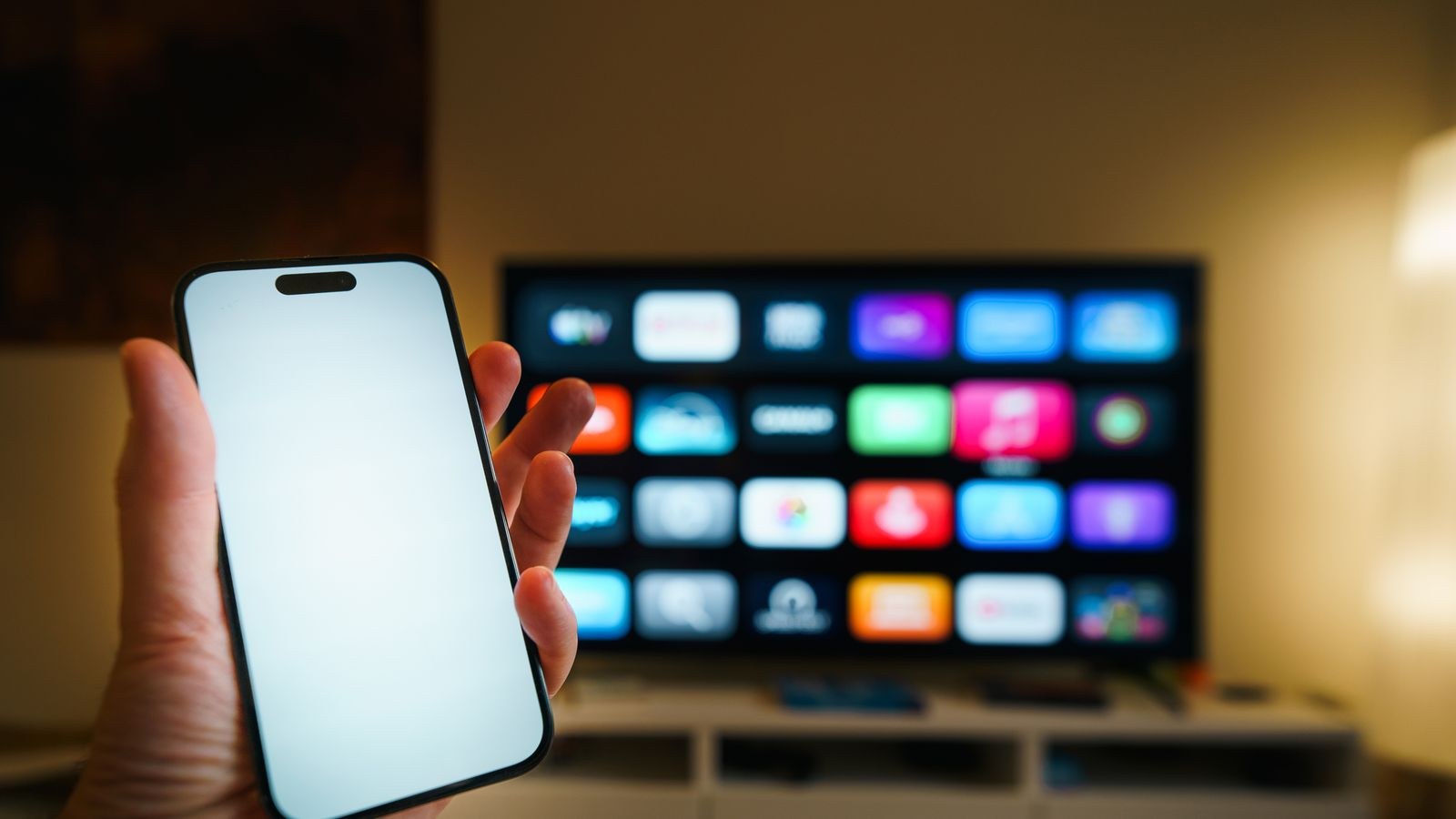
 Two televisions with nearly identical panels can feel completely different to live with, and the reason is almost always the software. The operating system decides how fast you get to a show, which apps you can install, how much advertising you see on your own home screen, how long the set keeps receiving updates, and how much data leaves your living room. With smart TV platforms compared side by side, the differences stop being marketing bullet points and become daily annoyances or daily conveniences. This guide breaks down the major systems, explains what actually separates them, and helps you decide whether the built-in software is good enough or whether you should ignore it and plug in a streaming box.
Why the Platform Matters More Than the Spec Sheet
Picture quality is a hardware property. Responsiveness, app availability, and how much clutter sits between you and the content are software properties, and software is the part you interact with every single time you sit down. A brilliant panel behind sluggish software feels cheap. A merely good panel behind fast, clean software feels premium.
Platforms also have lifespans. A television is a seven-to-ten year purchase, but app support and security updates often stop long before the screen does. Knowing which systems tend to get supported longest is a genuine part of the buying decision, not a footnote.
Roku: Simplicity and Neutrality
Roku built its reputation on a plain grid of app tiles that anyone can understand within seconds. The remote is minimal, the interface is fast even on inexpensive hardware, and the platform is deliberately neutral about which service you use, since Roku is not trying to sell you its own streaming subscription. Search results span services and show prices, which is genuinely useful when a film is free on one app and rented on another.
The tradeoffs are aesthetic and commercial. The interface looks dated next to newer systems, and the home screen carries a large sponsored banner that cannot be removed. Voice control is functional rather than clever. If you want a system that a guest or a less technical family member can operate without instruction, though, Roku is still the easiest to recommend.
Best Suited To
Households with several streaming subscriptions, mixed technical confidence, and no strong smart-home ecosystem loyalty. Also strong on budget sets, because it stays responsive on modest processors where heavier platforms crawl.
Google TV: Recommendation-First and Ecosystem-Deep
Google TV, the successor interface to Android TV, leads with a content-first home screen that mixes rows of suggestions from across your subscriptions rather than a grid of apps. When the recommendations are good this saves real time. When they are not, it feels like a shop window you did not ask for. You can pin favourite apps and reduce the noise, but the philosophy is discovery over launching.
Its strengths are the app catalogue, which is the broadest of any built-in platform thanks to the Android base, genuinely capable voice search, and deep integration with Google Assistant for controlling smart home devices from the sofa. Chromecast is built in, so casting from a phone needs no extra hardware. The cost is that it demands more processing power, and cheaper Google TV sets can feel noticeably slower than a cheap Roku.
Best Suited To
Homes already using Assistant speakers and Google-compatible devices, and anyone who wants the widest app selection including niche and regional services. Pair it well by checking our roundup of the best smart speakers, since voice control across the room is where this ecosystem pulls ahead.
Fire TV: Deep Amazon Integration
Fire TV is also Android-derived but reshaped around Amazon’s content and Alexa. If you are a heavy Prime Video user with Echo devices around the house, the integration is seamless: Alexa handles playback, smart home control, and search using the same phrasing you already use elsewhere. Hardware is typically inexpensive and performance on recent generations is solid.
The criticism is prominence of promotion. Amazon’s own content and store listings occupy a large share of the home screen, and third-party services can feel like second-class citizens even when they are installed. App availability is good but slightly narrower than Google TV, and a few services arrive later here than elsewhere.
Tizen and webOS: The Manufacturer Systems
Samsung’s Tizen and LG’s webOS are built by the panel makers themselves, which means tight hardware integration and, historically, excellent responsiveness. Both use a horizontal ribbon launcher along the bottom of the screen that overlays what you are watching rather than replacing it, which is an elegant touch. LG’s motion-pointer remote remains one of the fastest ways to navigate a large screen, and both platforms have matured into polished, quick systems.
Both have also grown more advertising over time, and both put their free ad-supported channel services front and centre. App catalogues cover all the major services but thin out quickly for niche apps, and update support varies by model year. Because these platforms ship on the manufacturers’ flagship panels, they are frequently what you get by default when buying a high-end set rather than something you choose independently.
Speed, Ads, and Privacy: The Three Real Differentiators
Strip away branding and three things separate these systems in daily use. The first is speed, which is a function of the processor in the specific television rather than the platform itself. The same software feels fast on a premium set and sluggish on an entry model, so read reviews of the exact model, not the platform in general.
The second is advertising. Every major platform now monetises the home screen to some degree. Roku shows a large banner, Fire TV shows full-width promotions, Tizen and webOS push their free channel services, and Google TV blends sponsored rows into recommendations. None of them let you turn this off entirely, though most allow you to reduce personalisation.
The third is data. Automatic content recognition, which samples what appears on screen to build a viewing profile, is present on most modern sets and is usually enabled by default. It can be switched off in settings on every major platform, typically buried under a privacy or viewing information menu. If this matters to you, find that toggle during setup rather than a year later.
When to Ignore the Built-In Platform Entirely
An external streaming stick or box costs relatively little and solves several problems at once. It gives you a faster processor than most built-in systems, a platform you actually chose, and an upgrade path that does not involve replacing the television. When the set’s software is abandoned in five years, you replace a small box rather than a large panel.
The case for using the built-in system is equally real: one remote, one input, no extra power socket, and no delay switching sources. Modern flagship sets are fast enough that an external box adds little. The practical rule is to use the built-in platform if the set is recent and well specified, and add a box if the television is a budget model, is a few years old, or runs a platform missing an app you rely on.
Gaming Considerations
If the television doubles as a gaming display, platform matters less than input lag, variable refresh rate support, and how quickly game mode engages. Some systems handle automatic low latency switching more gracefully than others, dropping into game mode the instant a console wakes. Our comparison of the gaming TVs with the strongest smart features covers sets that manage both jobs well, and the broader list of TVs for gaming is the place to start if latency outranks software polish for you.
Your Network Is Part of the Platform
No interface feels fast if the connection under it is not. Buffering, resolution downshifts, and apps that hang on launch are far more often network problems than software problems. High-bitrate streams need consistent throughput, not just a big headline speed, and a television sitting three rooms from the router is frequently the weakest device on the network.
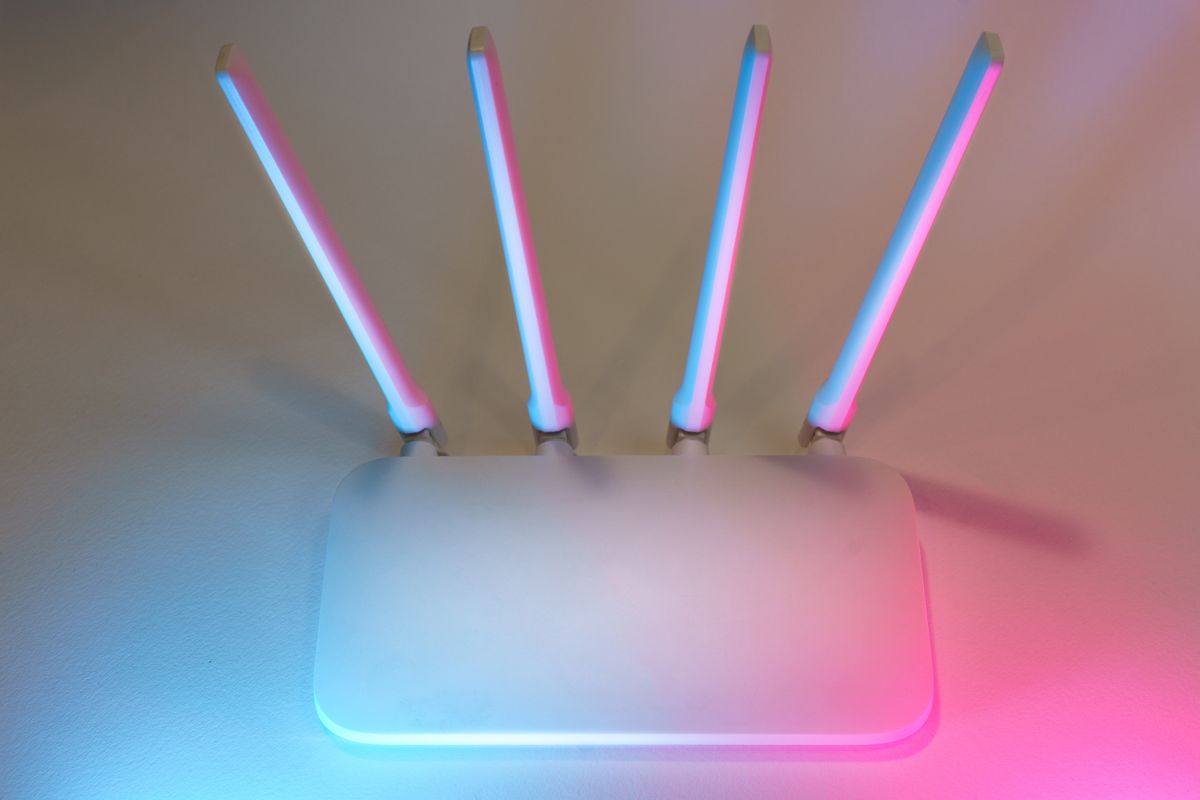
Wired Ethernet remains the most reliable fix where it is practical. Where it is not, the router matters enormously, and our guide to the best routers for 4K streaming explains which features actually help. If several people stream at once, it is worth reading how to build streaming-optimised home networks so that one high-bitrate film does not starve everything else in the house.
How to Choose in Five Questions
- Which smart home ecosystem do you already use? Matching it saves daily friction.
- Do you need a niche or regional app? Check availability before buying, not after.
- How tolerant are you of home screen advertising? This varies more than any other factor.
- Is the set a budget or flagship model? Cheap hardware makes any platform feel slow.
- Would you rather upgrade a box than a television? If yes, platform choice matters less.
Common Mistakes to Avoid
The biggest error is choosing a television for its software rather than its panel. Software can be replaced by a small box for modest cost; a mediocre panel cannot be replaced at all. Judge the screen first, then treat the platform as a tiebreaker between similar sets.
The second mistake is assuming an app you use today will still be supported in five years on that model. Older platforms lose apps steadily as services stop maintaining legacy versions. The third is skipping the privacy settings during initial setup, when everything is easiest to configure, and never returning to them.
Frequently Asked Questions
Which smart TV platform is fastest?
It depends more on the television’s processor than the platform. On equivalent hardware, Roku and webOS tend to feel snappiest, while Google TV asks the most of the chip. Always check reviews of the specific model.
Can I remove the ads from my TV home screen?
Not entirely on any major platform. You can usually limit personalised advertising and disable automatic content recognition in the privacy settings, which reduces targeting but not the ad slots themselves.
Do I still need a streaming stick if my TV is smart?
Only if the built-in system is slow, missing an app you need, or no longer receiving updates. On a recent well-specified set, a stick adds little beyond another remote.
How long do smart TV platforms get updates?
Typically four to six years of meaningful app and security updates, though it varies by manufacturer and model tier. Flagship sets generally stay supported longer than entry-level ones.
Does the platform affect picture quality?
Not directly, but it controls which apps can deliver high dynamic range and high-bitrate streams, and how well the set switches into the right picture mode automatically. That indirect effect is real and worth checking.
Final Thoughts
Smart TV platforms have converged on the same core capabilities, so the choice now turns on temperament rather than features. Pick Roku for straightforward simplicity, Google TV for the widest app catalogue and best voice control, Fire TV if your household already runs on Alexa, and take Tizen or webOS as a fine bundled bonus when the panel underneath is the real reason you are buying. Whatever you land on, check that the specific model is fast, turn off content recognition during setup, and make sure your network can actually feed the screen. Do that, and the television you buy in 2026 will still feel quick years after the marketing has moved on to the next generation.