Owen Bradley
 Renting complicates almost every home upgrade, and door hardware sits near the top of the list. The lock on your front door legally belongs to the landlord, the key belongs to a rekeying schedule you do not control, and the lease you signed almost certainly says something about altering fixtures. Yet keyless entry is genuinely useful in a rental: no hiding a spare under the mat, no emergency locksmith call at midnight, no awkward key handoffs with a roommate who works nights. Choosing smart locks for renters is therefore less about finding the most feature-packed model and more about finding the one that installs without a drill, reverses in ten minutes, and keeps your security deposit intact when you move out. This guide walks through what landlords actually permit, which lock styles fit a rental, and how to leave no trace behind.
Why Renters Need a Different Approach
Homeowners can replace an entire deadbolt, drill a new bore hole, or swap the strike plate without asking anyone. Renters cannot. Your lease typically distinguishes between alterations, which change the property permanently, and temporary modifications, which can be undone without evidence. A smart lock that reuses the existing bore hole, existing cylinder, and existing screw positions falls comfortably into the second category. One that requires a larger hole or a new strike plate cut into the frame does not.
The second difference is key control. Landlords, property managers, and in many jurisdictions maintenance staff must retain access for emergencies and inspections. Any lock that eliminates the physical key your landlord already holds is a problem, no matter how convenient it feels to you. The safest renter-friendly designs keep the original key working while adding electronic access on top of it.
What Your Lease Probably Says
Most standard leases include a clause prohibiting changing or adding locks without written consent. Read it literally: many prohibit changing the lock but say nothing about adding a motorized cover to the inside thumbturn, because that hardware did not exist when the template was written. Even so, asking is nearly always the right move. A short written request, with a note that the original key continues to work and that you will restore the door at move-out, converts a gray area into a documented approval you can point to later.
The Three Renter-Friendly Lock Categories
Not every smart lock is a candidate. Broadly, three designs work in rentals, and one clearly does not.
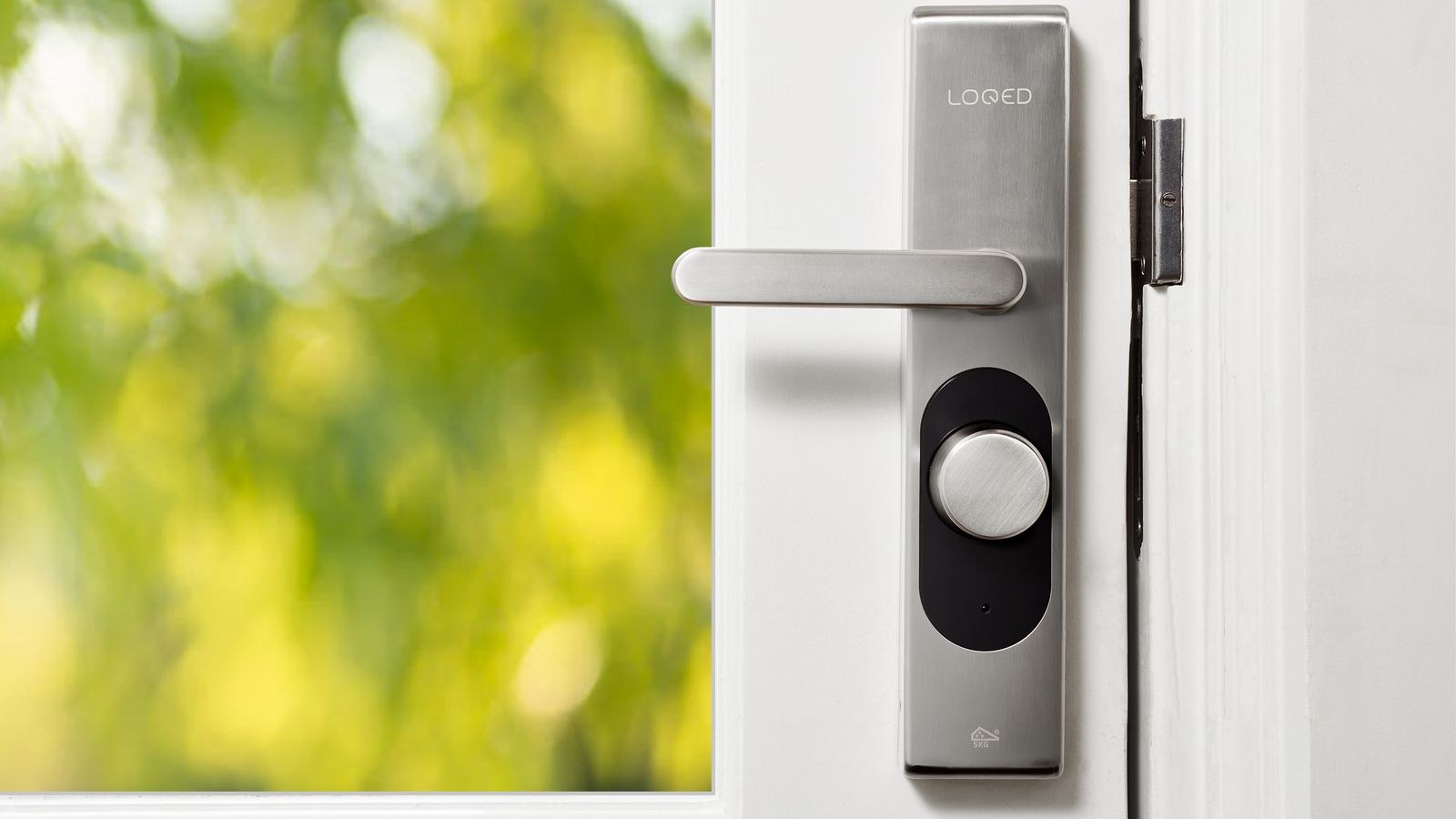
- Interior retrofit locks. These mount over the inside thumbturn of your existing deadbolt and turn it with a small motor. The exterior of the door is untouched, the cylinder and keys stay exactly as they were, and installation uses the deadbolt’s own mounting screws or an adhesive plate. This is the gold standard for renters.
- Keypad deadbolt replacements. These swap the whole deadbolt for an electronic one. They fit standard bore holes, so no drilling is usually needed, but they do change the lock, which requires landlord permission. Many are rekeyable so the landlord’s master key system can still be honored.
- Smart lock boxes and portable devices. Wall-mounted key safes, door-handle mounted boxes, and travel locks add convenience without touching the primary lock at all. They are a good stopgap when permission is not forthcoming.
The category to avoid is any lock requiring a new bore, a modified strike, or extra screw holes in the door edge. Restoring that at move-out means wood filler and paint, which is exactly the sort of thing deposits get withheld for.
Retrofit Locks: The Path of Least Resistance
Interior retrofit models solve the renter problem almost perfectly. Because the outside of the door never changes, a passerby cannot tell anything is different, and the landlord’s key keeps working on day one and on the day you leave. Installation typically takes under fifteen minutes with a single screwdriver, and removal takes less. If you want to see the range of what is available before committing, our roundup of the best smart locks covers both retrofit and full-replacement designs so you can see where each style makes sense.
The trade-off is aesthetic and mechanical. Retrofit units sit proud of the door and are noticeably bulkier than a slim thumbturn. They also depend on the existing deadbolt turning smoothly. If your bolt binds, sticks, or needs a shoulder shove to seat, the small motor will strain, drain batteries fast, and eventually fail to throw the bolt. Fix the alignment first, or the smartest lock in the world will fail on a cold morning.
Checking Fit Before You Buy
Retrofit compatibility depends on the shape of your thumbturn and the space around it. Measure three things: the diameter of the round base plate on the inside of the door, the length and shape of the turn lever, and the clearance between the deadbolt and the door edge or any adjacent handle. Most manufacturers publish a compatibility list or a printable template. Spend the five minutes checking, because a lock that physically does not fit is the most common return reason in this category.
Keypad Deadbolts and When They Are Allowed
If your landlord agrees to a replacement, an electronic deadbolt gives you a cleaner look, a proper exterior keypad, and usually better battery life than a retrofit motor. Standard residential doors use a 2-1/8 inch bore and a 1 inch edge bore with either a 2-3/8 or 2-3/4 inch backset, and virtually every replacement deadbolt is designed for exactly those dimensions. That means a straight swap with no new holes.
Two practical rules make this work in a rental. First, keep the original deadbolt in a labeled bag and reinstall it before your final inspection. Second, offer the landlord a key or an access code so their emergency access is never in question. If you are comparing replacement hardware, the best deadbolt smart locks guide focuses specifically on this format, and our best smart locks for home list is useful when the rental is a whole house rather than an apartment unit.
Codes Beat Keys for Shared Households
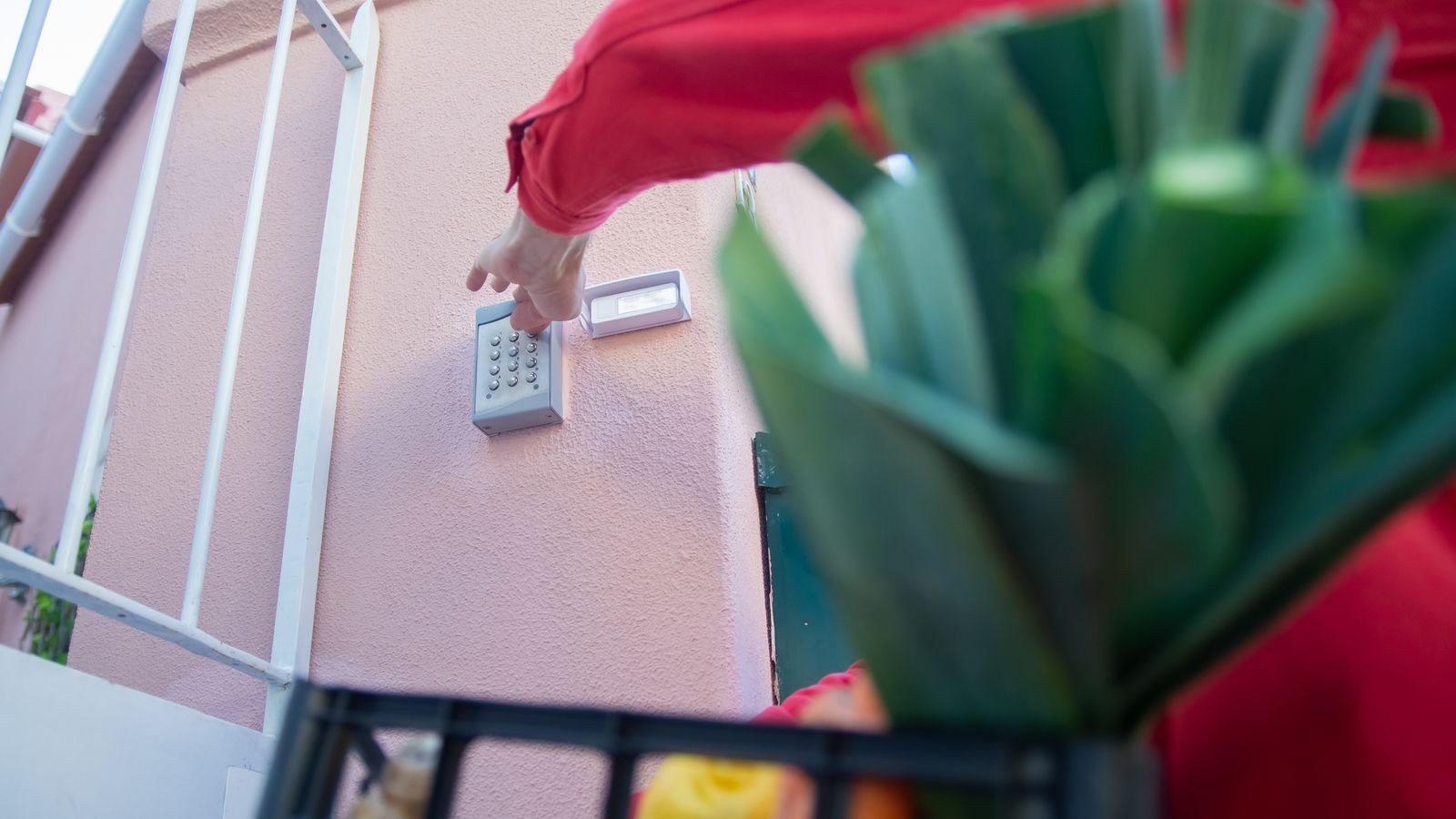
The strongest practical argument for a keypad in a rental is roommate management. Each person gets a unique code, codes can be deleted the day someone moves out, and nobody needs a key copied at a hardware store. For a purely code-driven approach without replacing the deadbolt at all, standalone keypads paired with an existing lock can cover shed doors, gates, and side entries too.
Power, Connectivity, and Lockout Risk
Every smart lock runs on batteries, usually AA or CR123A cells, and most last six months to a year depending on how often the motor runs and whether WiFi is built in. Locks with always-on WiFi drain faster than those using Bluetooth or a low-power hub protocol. Renters should care about two failure modes: a dead battery and a dead internet connection.
Good designs mitigate both. Look for low-battery warnings well ahead of failure, emergency power contacts on the exterior that accept a 9V battery, and a physical key override. In a retrofit setup the key override is automatic since the original cylinder is untouched, which is another quiet advantage of that category. Never rely on a single access method, and always keep a physical key somewhere off-site, such as with a trusted neighbor or in a work desk.
Hub or No Hub
Bluetooth-only locks are cheaper and last longer on a set of batteries but only respond when your phone is within roughly thirty feet. WiFi or hub-connected locks let you unlock for a delivery, check whether you locked up, and receive alerts from anywhere. In a rental, remote access is genuinely useful for letting in a maintenance technician while you are at work. Weigh that against the battery cost and decide honestly how often you would use it.
Security Expectations in an Apartment
A common worry is that electronics weaken the door. In practice the mechanical bolt still does all the work, and the physical grade of the deadbolt matters far more than the software. Look for ANSI/BHMA Grade 1 or Grade 2 hardware on any replacement, and remember that retrofit models inherit whatever grade the landlord’s original bolt carries. If that bolt is a builder-basic unit with a half-inch throw and short strike screws, the honest fix is asking the landlord to upgrade it rather than adding electronics.
The comparison of mechanical and electronic security is worth understanding properly before you spend anything. Our breakdown of smart deadbolts versus traditional locks walks through where each design is genuinely stronger, and where the difference is mostly marketing.
Move-Out: Leaving No Trace
Plan the exit before you install. A clean move-out looks like this:
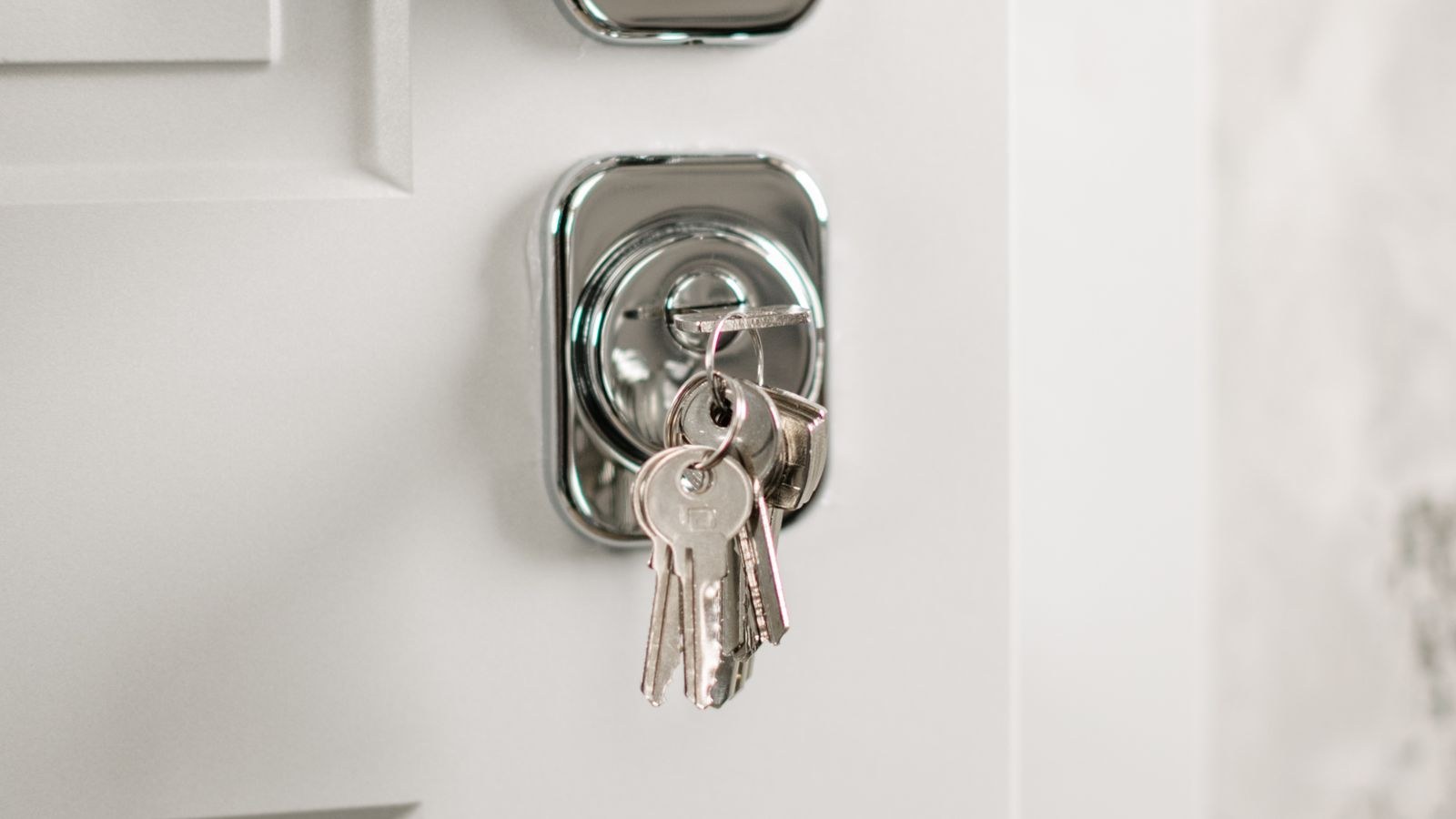
- Keep every original part, including the deadbolt, screws, strike plate, and the landlord’s keys, in a labeled bag stored somewhere you will not lose it.
- Photograph the door before installation from three angles so you have a documented baseline.
- Wipe all user codes and remove the lock from your account before uninstalling, so no old credential lingers.
- Reinstall the original hardware and verify the key turns smoothly and the bolt seats fully.
- If you used adhesive mounting, remove residue with an adhesive remover safe for painted surfaces, testing on a hidden spot first.
Do this and the door is indistinguishable from move-in day, which is the entire point.
Common Mistakes Renters Make
The first mistake is installing without asking and hoping nobody notices. Property managers do notice at inspection, and an undisclosed lock change can breach the lease outright. The second is buying a lock that requires drilling because it looked better in photos. The third is ignoring a sticky deadbolt, which guarantees motor failure within months. The fourth is discarding the original hardware in the excitement of an upgrade, then discovering at move-out that an exact replacement no longer exists in the same finish.
A quieter mistake is over-buying. Many renters purchase a premium WiFi model with fingerprint reading, then use nothing but the keypad. Decide which access methods you will genuinely use, and put the savings toward a better bolt or a doorbell camera instead.
Frequently Asked Questions
Do I legally need my landlord’s permission?
In most jurisdictions, yes, if you are changing the lock itself. Adding an interior retrofit device that leaves the cylinder and key untouched is a grayer area, but written permission costs you nothing and removes all ambiguity. Get it in writing, even by email.
Will a smart lock void my renters insurance?
No. Renters insurance covers your belongings and liability, not your hardware choices. Some insurers offer small discounts for verified security devices, so it is worth asking.
Can my landlord still get in during an emergency?
With a retrofit lock, yes, because the original key still works. With a replacement deadbolt, you must provide a key or an access code. Withholding emergency access is the fastest way to lose an argument with a property manager.
What happens during a power outage?
Smart locks run on batteries, not house power, so an outage does not affect them. A dead battery is the real risk, which is why key override or exterior emergency power contacts matter.
Is a retrofit lock less secure than a full replacement?
Mechanically it is identical, since it uses the same bolt and cylinder. It is only weaker if the underlying deadbolt was weak to begin with. For a general sense of what stronger hardware looks like, see how the best smart locks for home are graded.
Final Thoughts
The right smart lock for a rental is the one your landlord approves, your door accepts without modification, and your future self can remove in fifteen minutes. For most renters that means an interior retrofit unit, because it changes nothing visible, preserves the existing key, and reverses without a trace. If you can get written approval for a full replacement, a keypad deadbolt is the nicer daily experience, provided you bag the original hardware the moment it comes off the door.
Start with the lease, then the door measurements, then the feature list, in that order. Approach it that way and keyless entry in a rental stops being a risk to your deposit and becomes what it should be: one less thing to think about on the way out the door in 2026.