Owen Bradley
 A sofa you still like the shape of, sitting under fabric you have stopped liking at all, presents a fork in the road. One path is a slipcover: fitted fabric that pulls over the existing upholstery and comes off again for washing. The other is reupholstery: stripping the piece to its frame and rebuilding it with new fabric, new padding, and often new springs. The slipcover vs reupholstery decision looks like a simple money question, but cost is only one of five variables that matter. This guide walks through all of them, gives you a blunt test for whether the frame underneath is worth spending anything on, and shows where buying a replacement quietly beats both options.
What Each Option Actually Involves
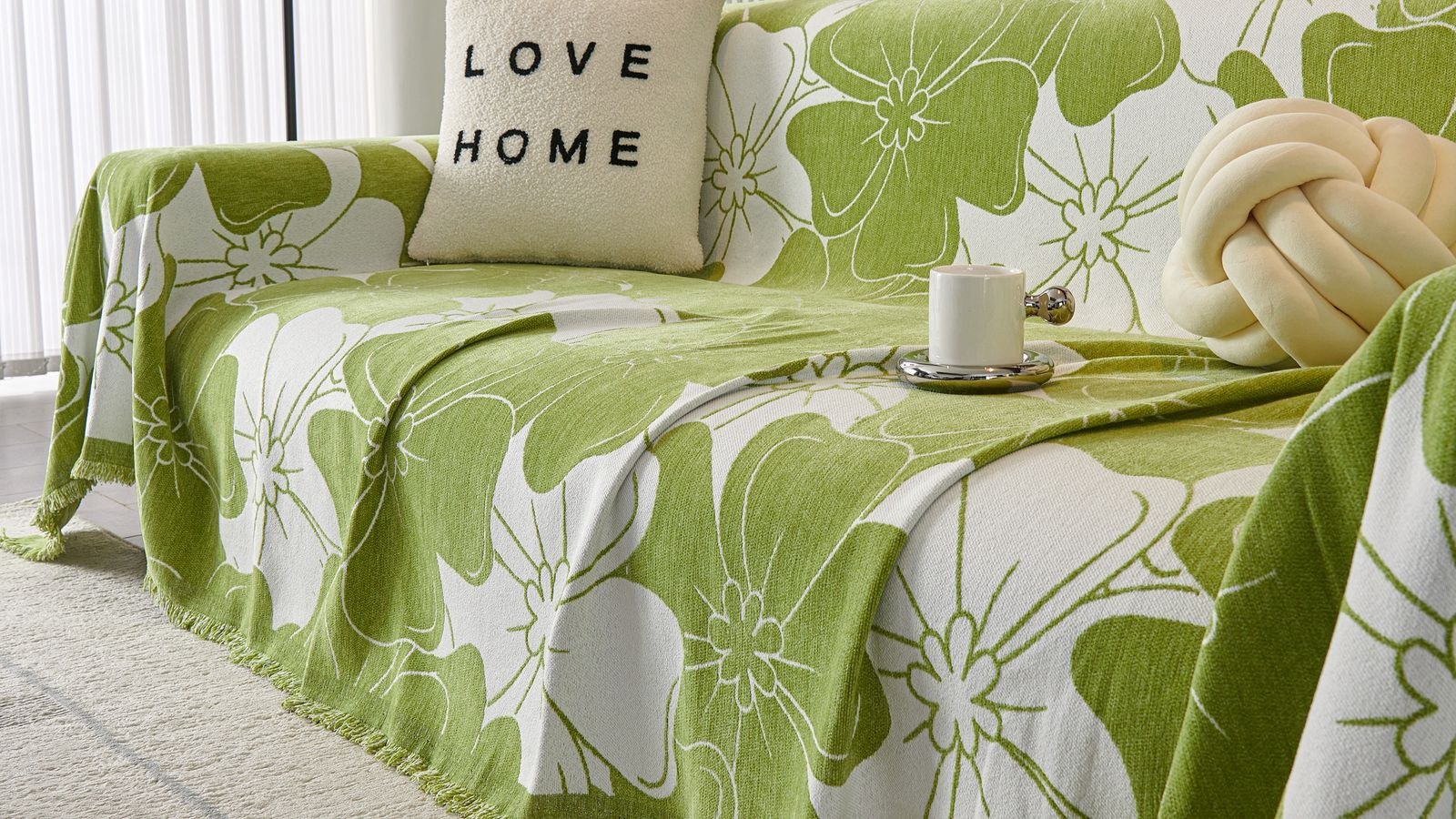
A slipcover is a garment for furniture. It sits over the original upholstery, held in place by tension, elastic hems, tuck-in flaps, or ties, and comes off in minutes. Nothing underneath changes: the old fabric, foam, and springs all stay exactly where they are.
Reupholstery is surgery. A workshop removes the existing fabric panel by panel, inspects the frame joints, replaces or re-ties springs if needed, adds fresh foam and batting, then cuts and staples new fabric over the rebuilt shape. The piece leaves your house and comes back weeks later effectively new from the frame outward. Because a skilled worker is cutting to your exact frame, the fit is perfect in a way no cover can match, and the sit is renewed as well as the look.
That distinction is the heart of the choice. A slipcover changes appearance only. Reupholstery changes appearance and comfort. If your complaint is the colour, a cover solves it. If your complaint is that the cushions have gone flat and the seat feels like a hammock, a cover will simply drape more neatly over the same sagging shape.
The Frame Test: Is the Sofa Worth Saving?
Before comparing prices, run a two-minute inspection, because spending anything on a failing frame is wasted money. Sit down hard in the middle and listen. Cracking, creaking, or a hollow knock suggests loose or split joints. Next, lift one front corner about six inches off the floor. A sound frame rises as a single rigid unit; a tired one twists and the opposite corner lags behind. Then remove the cushions and press the deck. If you feel individual springs through the fabric or find any that have detached, the suspension is failing.
Finally, check the frame material. Kiln-dried hardwood with doweled or corner-blocked joints is worth rebuilding. Stapled particleboard is not. Frames on well-built pieces are exactly why quality matters at purchase time, which is the case our roundup of the best quality sofas makes in detail: pay for the skeleton, because that is the part you cannot replace later.
The Sniff and Stain Check
Odour lives in foam, not fabric. If a sofa smells of smoke, pets, or damp, a slipcover hides the sight of the problem and none of the smell, while new foam removes it. Surface marks and fading are pure cosmetics and a cover handles them fine.
Cost Compared Honestly
Slipcovers are the cheaper option by a wide margin. Mass-produced stretch covers for a standard three-seater typically land somewhere between $40 and $150 depending on fabric weight and whether separate cushion covers are included. Custom-sewn covers made to your measurements climb into the several-hundred-dollar range, since you are paying for pattern-making and labour, but still sit well below a rebuild.
Reupholstery is priced as labour plus yardage. A standard three-seat sofa consumes roughly 14 to 18 yards, and mid-grade upholstery fabric commonly runs $25 to $60 per yard. Add shop labour, the larger share, plus new foam, and the total frequently reaches four figures. Chairs and ottomans cost far less.
The useful comparison is not cover versus rebuild in isolation, but rebuild versus replacement. If the quoted reupholstery figure approaches what a new piece of similar quality costs, only sentiment, an unusual size, or a discontinued frame design justifies the rebuild. It is worth pricing a straight replacement against the quote before committing, and browsing what current budgets buy among fabric sofas makes that comparison concrete rather than theoretical.
Fit, Appearance, and the Wrinkle Problem
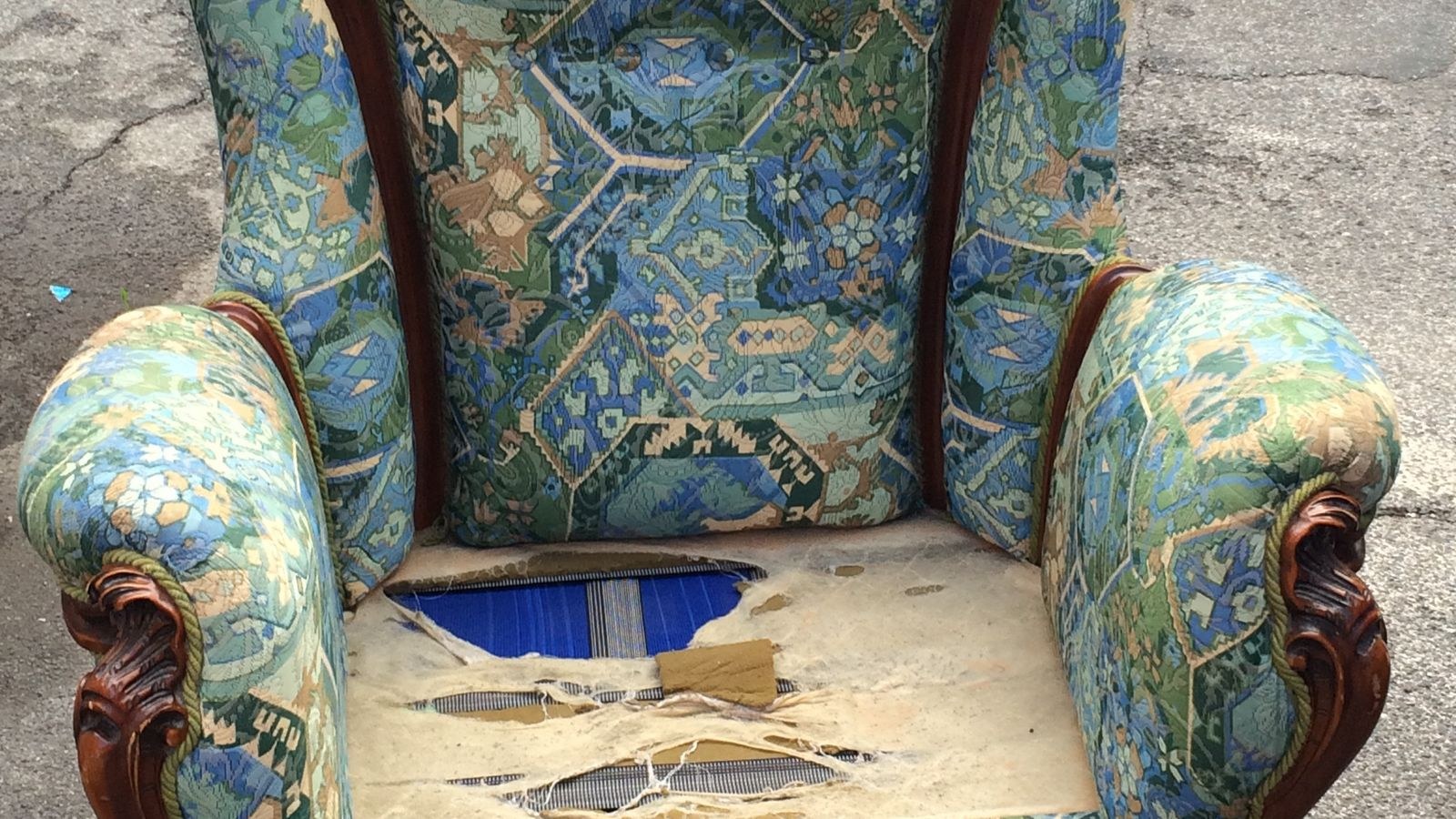
The most common disappointment with slipcovers is fit. Even a well-chosen stretch cover creates soft folds at the arms and back, needs periodic tugging back into place, and cannot reproduce the crisp tailoring of a factory-upholstered piece. Tight, tailored frames with simple square arms cover beautifully. Rolled arms, deep buttoning, exposed wooden legs and skirts, chaise sections, and curved backs all resist a clean line.
You can improve results considerably. Measure arm-to-arm width, back height, and seat depth against the cover’s stated range rather than eyeballing it. Choose a cover with separate cushion pieces, push the tuck flaps deep into the crevices, and use the foam grip rods most covers supply. Heavier weaves hold their shape better than thin stretch knits.
Reupholstery has no fit compromise at all, because the fabric is cut to the frame. What it costs you instead is flexibility: that fabric is now permanent, so a colour you tire of in two years is expensive to undo. If you enjoy changing your interior, that permanence is a genuine drawback rather than a virtue. Shopping the range of slipcovers for sofas shows how many looks one frame can carry when the fabric is removable.
Durability and Life Expectancy
A mid-range slipcover in daily family use typically holds up for two to four years before the weave thins at the arms and the elastic hems relax. That is not a failure so much as a consumable: the cover is doing the wearing so the upholstery underneath does not. Many owners treat it that way and buy a fresh one, which is still far cheaper than any rebuild.
Reupholstery with quality fabric and new high-density foam should deliver ten to fifteen years of service, comparable to a new sofa, because functionally that is what you have. The foam density matters more than most buyers realise. Ask the workshop for the density figure rather than accepting “firm” or “soft” as a specification, and expect a good seat core to be noticeably heavy when lifted.
Cleaning and Everyday Practicality
This is where slipcovers win outright. A removable cover goes in the washing machine after a spill, which is a decisive advantage in a home with children, pets, or a habit of eating on the sofa. Reupholstered fabric can only be spot-cleaned or professionally treated in place. Performance fabrics narrow the gap by resisting stains, but nothing beats being able to take the fabric off entirely. If a household is hard on furniture, cover-friendly designs and washable options dominate our guide to family-friendly sofas for exactly this reason.
Turnaround Time and Disruption
A slipcover arrives in a box and goes on in under half an hour. Nothing leaves your home and you lose no seating. That immediacy suits renters, people staging a home for sale, and anyone who needs the room presentable this week.
Reupholstery takes the sofa out of the house for anywhere from three to eight weeks, longer if the fabric is on backorder or the shop is busy. You will also pay for collection and delivery of a heavy item twice. Plan around it, and confirm before booking that the fabric is in stock, since fabric lead times cause most of the delays that turn a four-week job into a three-month one.
Choosing Fabric for Either Route
Fabric selection follows the same logic whichever path you take. Look for a tight weave, since loose loops snag on claws and zippers. Check the rub-count if it is published; anything rated for heavy domestic use will comfortably survive a living room. Solution-dyed synthetics and performance blends clean far more easily than natural fibres and hold colour under sunlight, which matters enormously for a sofa near a window.
Colour and pattern do practical work too. Mid-tone and textured fabrics hide crumbs, pet hair, and the inevitable settling wrinkles far better than pale flat weaves. Very dark fabrics show lint and light hair; very pale ones show everything else. If you want a cover you can rotate seasonally rather than commit to, the broader selection of sofa covers spans everything from lightweight summer cottons to heavy winter weaves.
Mistakes That Waste Money on Both Paths
The most expensive mistake is reupholstering a cheap frame. Labour costs the same whether the skeleton beneath is hardwood or particleboard, so a rebuild on a low-end sofa spends premium money on a piece that will fail structurally regardless. The frame test above exists precisely to stop this.
The second is buying a slipcover by sofa “size name” instead of by measurement. Manufacturers’ definitions of loveseat, three-seat, and sectional vary wildly, and a cover that is two inches short across the arms will never sit right. Tape-measure numbers are the only reliable input.
Third is treating a cover as a fix for a comfort problem. Flat cushions or a sagging deck will feel identical under new fabric; replace the cushion cores instead. Fourth is failing to get more than one reupholstery quote, since shop pricing on the same job varies widely.
A Five-Question Decision Checklist
- Is the frame solid? If it twists, cracks, or is made of particleboard, do not invest in either option. Replace it.
- Is the problem look or feel? Look alone points to a cover. Sunken seats, odour, or broken springs point to reupholstery.
- How long do you want this piece to last? Two to four more years favours a cover. Ten or more justifies a rebuild.
- How messy is the household? Children, pets, and food on the sofa make washable removable fabric hard to beat.
- How does the quote compare to a new sofa? If reupholstery costs close to replacement, only sentiment or a discontinued design justifies it.
When Neither Option Is Right
Sometimes the honest answer is to let the piece go. A sofa that is the wrong size for the room will still be the wrong size in beautiful new fabric, and the same goes for a seat depth or back height that has never suited you. Fabric fixes none of these.
Frequently Asked Questions
Can you slipcover a leather sofa?
Yes, though it needs help. Leather is slick and covers slide constantly. Use non-slip grip pads or a thin cotton underlay between the leather and the cover, choose a design with tuck-in flaps and foam rods, and expect to straighten it more often than you would on a woven sofa.
Is reupholstery cheaper than buying new?
For chairs and small pieces, usually yes. For full-size sofas, often not, because labour and yardage together can approach the price of a comparable new piece. It stays worthwhile when the frame is high quality, the size is unusual, or the piece has real sentimental or design value.
How long does a slipcover last?
Roughly two to four years in regular family use, longer in a lightly used room. Heavier woven fabrics outlast thin stretch knits, and washing on a cool gentle cycle rather than hot preserves both the elastic and the colour.
Can I reupholster just the cushions?
Yes, and it is one of the best-value repairs available. Replacing only the seat cushion covers and foam cores restores most of the comfort and much of the appearance of a tired sofa for a fraction of a full rebuild, especially if the back and arms have worn evenly and still look acceptable.
Do slipcovers work on sectionals and reclining sofas?
Sectionals need a separate cover per section and the seams between pieces rarely disappear entirely. Recliners and motion sofas require covers designed specifically for moving frames; a standard cover will bind the mechanism and pull loose every time the footrest deploys.
Final Thoughts
Treat this as a triage decision rather than a style one. Test the frame first, because that single check decides whether any investment makes sense. If the skeleton is sound and your complaint is purely visual, a well-measured slipcover is the fastest, cheapest, most reversible answer available, and it can be swapped again whenever your taste moves on. If the sit itself has collapsed, the foam holds odour, or the piece is a genuinely well-made frame you intend to keep for another decade, reupholstery is money spent on something that will still be here long after a cover would have worn through. Everything in between comes down to how the quote compares against a replacement, and that is a number worth checking before the fabric samples arrive.