Owen Bradley
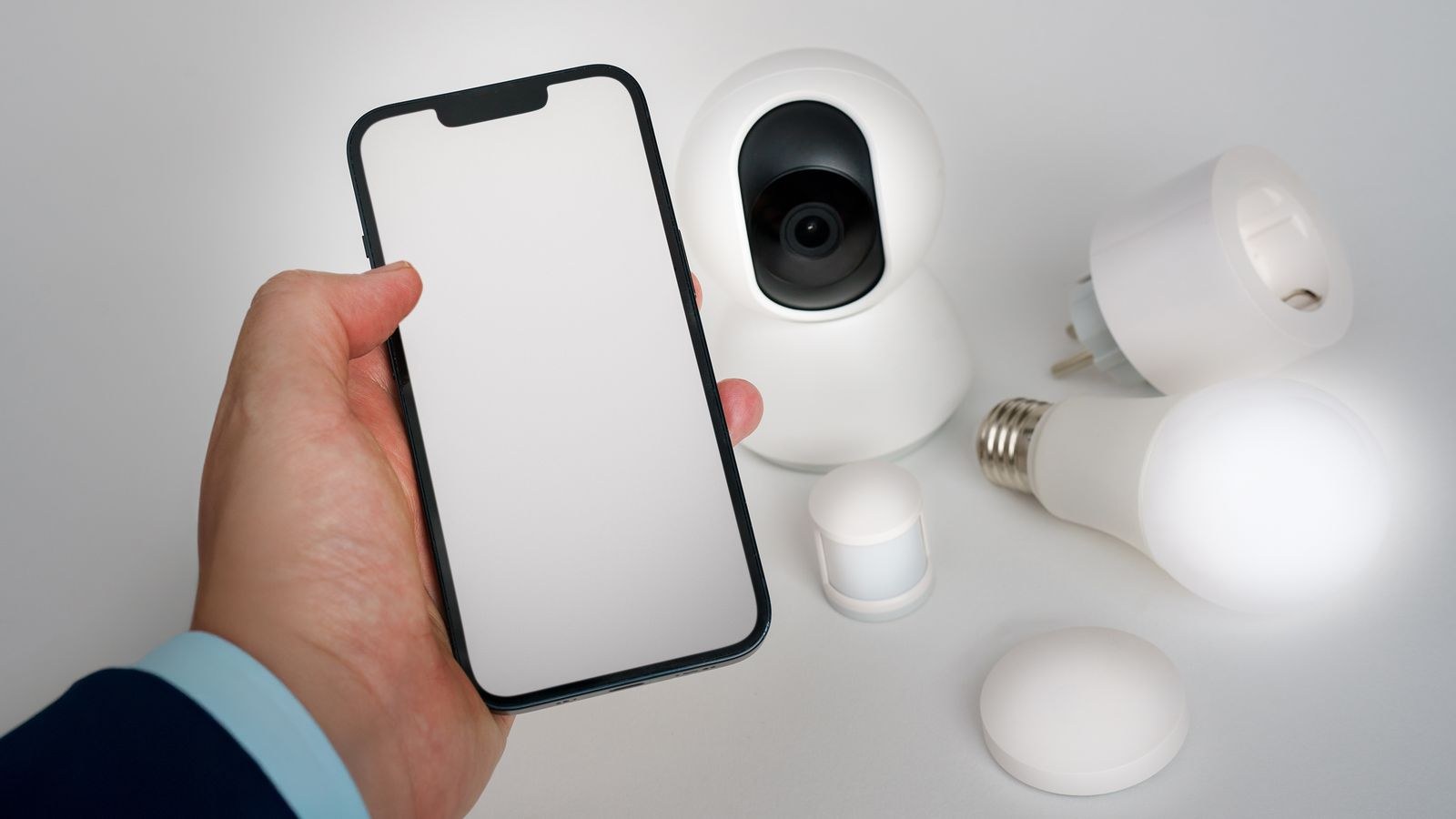
 The promise of Matter is simple: buy any certified device, scan one code, and use it in whichever app you prefer. In practice the first setup still trips people up, because the standard introduces new vocabulary — commissioning, fabrics, multi-admin — and each ecosystem wraps it in slightly different wording. Once you understand what is actually happening behind the QR code, the process becomes routine. This tutorial explains how to set up matter device pairing from scratch, how to share the same device across Alexa, Google Home and Apple Home simultaneously, and how to fix the handful of errors that account for most failed commissions.
What Matter Actually Does
Matter is an application-layer standard that sits on top of existing networks. It runs over Wi-Fi and Ethernet for mains-powered devices, and over Thread for low-power battery devices. It does not replace your router or your hub — it standardises the language devices speak so any compliant controller can understand them.
The key concept is the fabric. A fabric is one ecosystem’s secure view of your home. When you commission a device you add it to a fabric. Because Matter supports multi-admin, one device can belong to several fabrics at once, which is how the same bulb appears in three different apps without any cloud-to-cloud bridging.
Thread Versus Wi-Fi Devices
Wi-Fi Matter devices join your normal 2.4GHz network and need nothing extra. Thread devices need a Thread border router — a mains-powered device that bridges the Thread mesh to your IP network. Many smart speakers, displays and hubs include one. If you have no border router, Thread devices will simply never finish commissioning, and the error message rarely says so clearly.
What You Need Before Starting
- A Matter controller: a hub, speaker, display or phone that your chosen ecosystem designates as a controller.
- A 2.4GHz Wi-Fi network that your phone can reach, on the same network segment as the device.
- A Thread border router if the device is Thread-based.
- The setup code: an 11-digit numeric code and a QR code, printed on the device, its box, or in a supplied leaflet.
- Bluetooth enabled on your phone, which carries the initial commissioning handshake.
- The ecosystem app updated to a current version.
Photograph the setup code before installing the device. Once a bulb is in a ceiling fixture or a sensor is stuck behind a door, that little label becomes very hard to read, and you need it again if you ever reset the device.
Step-by-Step Commissioning
- Confirm you have a controller. Open your ecosystem app and check its device list for a hub, speaker or display marked as a home hub. Without one, most ecosystems will not commission Matter devices at all, and some only support it on specific generations.
- Put your phone on the right network. Join the 2.4GHz band, disable any VPN, and turn off randomised MAC addressing for that network if your phone offers it. Guest networks and client isolation are frequent silent blockers.
- Power the device and check it is in pairing mode. A new device advertises itself automatically for a period after first power-up, usually indicated by a blinking LED. If it has been powered for a while, factory reset it so the advertising window reopens.
- Start the add-device flow. In your app choose to add a device and select the Matter option. The wording varies — Matter-enabled, Matter accessory, or simply a QR scan icon — but the flow is the same across ecosystems.
- Scan the QR code. Hold the phone steady over the code. If the label is damaged or unreadable, enter the 11-digit numeric code manually instead; both encode the same commissioning credentials.
- Wait through the handshake. Your phone connects to the device over Bluetooth, verifies its certificate, and passes it the network credentials. Do not close the app, lock the phone or leave the room. This stage takes anywhere from fifteen seconds to two minutes.
- Approve any certification prompt. Some devices are not fully certified and trigger a warning. You can usually proceed, but understand you are accepting a device the standard has not validated.
- Name the device and assign a room. Use a name you would say out loud to a voice assistant, and avoid duplicating names across rooms, which causes ambiguous voice commands later.
- Test basic control. Turn the device on and off from the app, then from a voice command. Confirm the state updates correctly in both directions before moving on.
- Update the firmware. Check for a firmware update immediately. Early Matter firmware is frequently buggy, and many stability complaints resolve entirely with the first update.
Sharing One Device Across Multiple Apps
Multi-admin is the feature most people buy Matter for, and it works differently from the initial pairing. You do not rescan the original QR code. Instead, the ecosystem that already owns the device generates a fresh, temporary pairing code for you to give to the second ecosystem.
- Open the app where the device already lives and find the device’s settings.
- Look for an option named something like “share device”, “pair with other apps”, “turn on pairing mode” or “linked matter apps”.
- The app displays a new numeric code or QR code, valid for a short window — often only a few minutes.
- In the second ecosystem’s app, start the normal add-device flow and enter that generated code rather than the one on the device label.
- Repeat for a third ecosystem if you want. Each fabric is independent, so removing the device from one app leaves the others working.
Bear in mind that automations do not travel between fabrics. A routine built in one app stays there. Decide which ecosystem is your primary automation home and treat the others as convenience access points.
Choosing Your Primary Ecosystem
Because automations are fabric-specific, the ecosystem you build routines in matters more than the one you pair in first. Consider which voice assistant you actually use, whether you want local control during an internet outage, and whether the hub hardware you already own supports Thread. Comparing capabilities across the best smart hubs is worthwhile before you commit a large device collection to one platform.
Troubleshooting Common Commissioning Errors
“Unable to find device” or the scan just hangs. Bluetooth is off, the phone is too far away, or the advertising window has expired. Move within a metre of the device and factory reset it to restart advertising.
“Could not connect to network.” The phone is on 5GHz while the device needs 2.4GHz, or the bands share an SSID and the phone handed over the wrong credentials. Temporarily split the bands or disable 5GHz during setup.
Thread device fails at the final step. No border router is available, or the existing one is offline. Confirm your hub supports Thread and shows an active Thread network in its settings.
“Device already commissioned.” It still belongs to a previous fabric. Factory reset it, which clears all fabric memberships, and start again from the printed code.
Device pairs but drops offline repeatedly. Usually IPv6 is disabled on the router, or multicast traffic is being filtered. Matter depends on both. Enable IPv6 and disable any AP isolation or aggressive multicast filtering.
Mistakes People Make
The most common is discarding the packaging with the setup code on it. Keep or photograph every code. The second is trying to use the original label code for the second ecosystem instead of generating a sharing code — that always fails once the device is commissioned. The third is assuming Matter support means every feature is exposed: manufacturers often surface only core functions over Matter and keep advanced features in their own app. Reading the capability list across the best smart devices before buying avoids that disappointment, and the wider best devices for smart homes selections note which functions carry over.
Frequently Asked Questions
Do I need a hub for Matter?
For Wi-Fi devices, most ecosystems still require a designated home hub to act as controller. For Thread devices a border router is mandatory. Only a few limited scenarios work with a phone alone.
Can I remove a device from one app without breaking the others?
Yes. Each fabric is independent, so removing it from one ecosystem leaves its membership in the others intact. Only a factory reset clears them all.
Does Matter work without internet?
Local control generally continues during an outage, since commands travel over your LAN. Voice assistants and remote access usually need the cloud, so behaviour depends on the ecosystem.
How many ecosystems can share one device?
The standard allows several fabrics per device, but the practical limit varies by hardware — some support five, others fewer. Bundles from the best smart home kits usually document their limit, and the smart home hub buying guide explains how fabric limits affect mixed-platform households.
Final Thoughts
Matter setup is straightforward once the prerequisites are in place: a controller, a 2.4GHz network your phone can reach, Bluetooth on, and a border router if the device uses Thread. Scan the printed code for the first pairing, use a freshly generated sharing code for every ecosystem after that, and update firmware before you build any automations. Choose one primary ecosystem for your routines, since those never cross fabrics. For a deeper look at pairing controllers themselves, our walkthrough on how to pair a smart hub covers the step most setup guides skip.