 Owen Bradley
 Most people decorate for the seasons by adding things. A box of decorations comes down from the loft in December, sits in the corner of the living room for six weeks, then goes back up, and nothing about the room itself has actually changed. There is a better approach, and it costs less: build your seasonal home decor around textiles. Throws, cushion covers, curtains, rugs, and table linens are the cheapest, lightest, most storable things in the house, and swapping them four times a year genuinely changes how a room feels without replacing a single piece of furniture. This guide sets out a rotation plan, the palettes and fabric weights that suit each season, how much you actually need to own, and how to store it all so it comes back out looking fresh.
Why Textiles Are the Right Lever
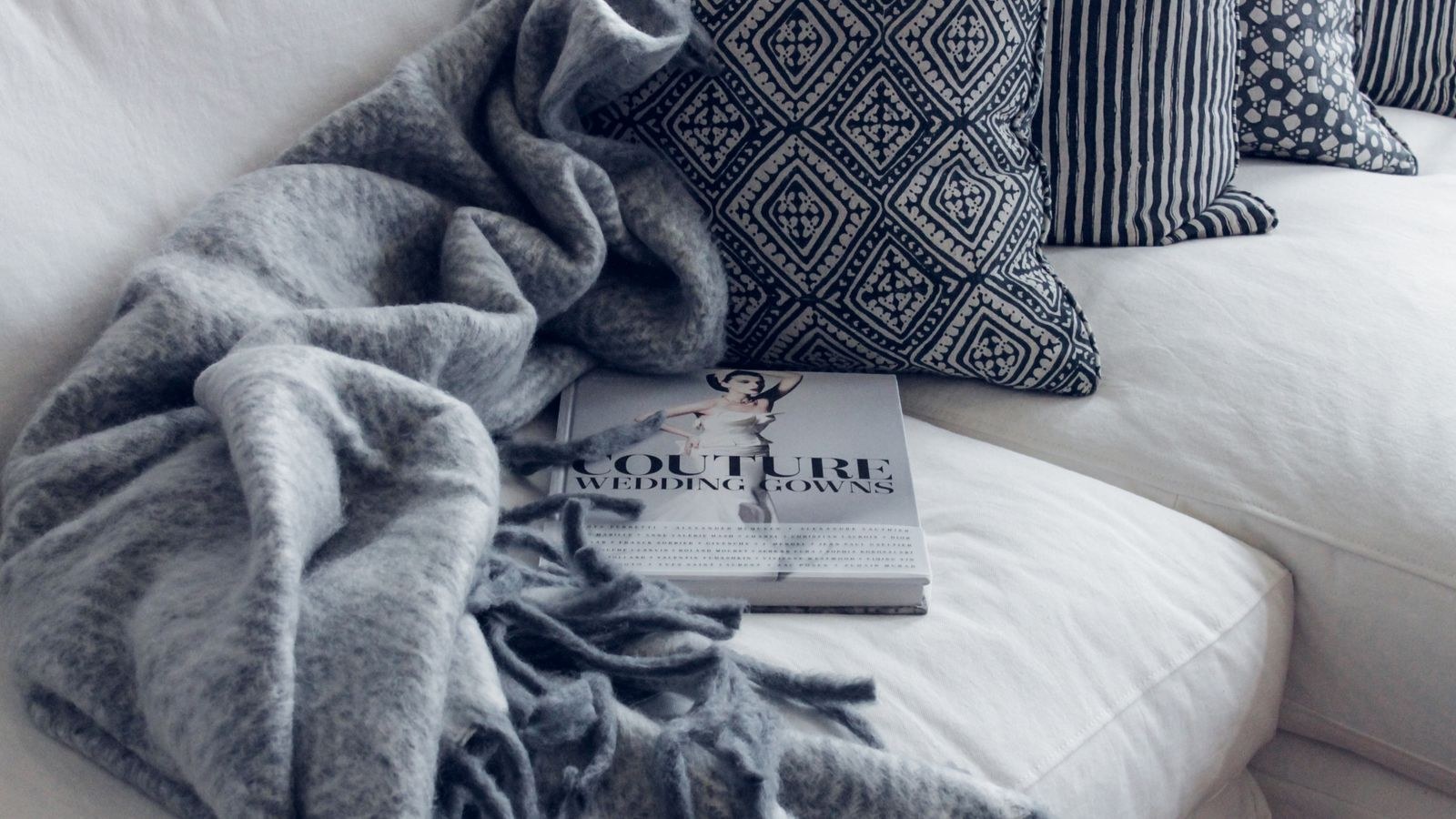
Three practical reasons make fabric the natural seasonal variable. First, cost. A set of cushion covers costs a fraction of a new armchair, and covers alone, without inserts, cost a fraction of complete cushions. Second, storage. Folded fabric compresses into a fraction of its displayed volume, so an entire season’s decor fits into one or two under-bed boxes rather than filling a garage. Third, impact. Textiles carry most of a room’s colour and nearly all of its texture, so changing them changes the two things the eye reads first.
There is a comfort argument too. Seasonal rotation is not purely decorative, because the fabrics genuinely suit the weather. A heavy wool throw and a dense rug make a cold room feel warmer, while linen and light cotton keep a summer room from feeling stifling. You are adjusting how the room performs, not only how it photographs.
The Anchor and Accent Principle
The system only works if your large permanent pieces stay neutral. Your sofa, main rug, and curtains in their default state are the anchors, and they should be colours that accept any accent: warm grey, oatmeal, taupe, deep navy, olive, or charcoal. Anchors in a strong seasonal colour fight every rotation you attempt.
Accents are everything you swap: cushion covers, throws, a layered rug, table runners, and optionally a second set of curtains. Keep roughly an 80/20 split, with anchors dominating and accents providing the seasonal signal. That ratio is why the system reads as intentional rather than chaotic, and why choosing a genuinely neutral sofa at the outset pays off for years. If you are buying the anchor piece now, the neutral, texture-forward options in our roundup of the best sofas are the ones that will still work with every palette you try.
Build a Three-Colour Formula
For each season, pick one dominant accent colour, one supporting colour, and one metallic or natural texture. Spring might be soft sage, pale cream, and rattan. Summer might be white, faded indigo, and jute. Autumn might be rust, mustard, and dark wood. Winter might be deep green, ivory, and brass. Three elements is enough to feel deliberate and few enough to shop for cheaply. Write the formula down before buying anything, because unplanned seasonal purchases are how people end up with drawers full of cushion covers that match nothing.
Spring: Lighten and Freshen
Spring is a subtraction season. Remove the heavy winter layers, wash them, and put them away. Bring in lighter cotton and linen cushion covers, one lightweight throw rather than three, and swap any heavy blackout curtains for something that lets light through. Colours shift toward soft greens, pale yellows, blush, and clean whites. Patterns lean small-scale and botanical.
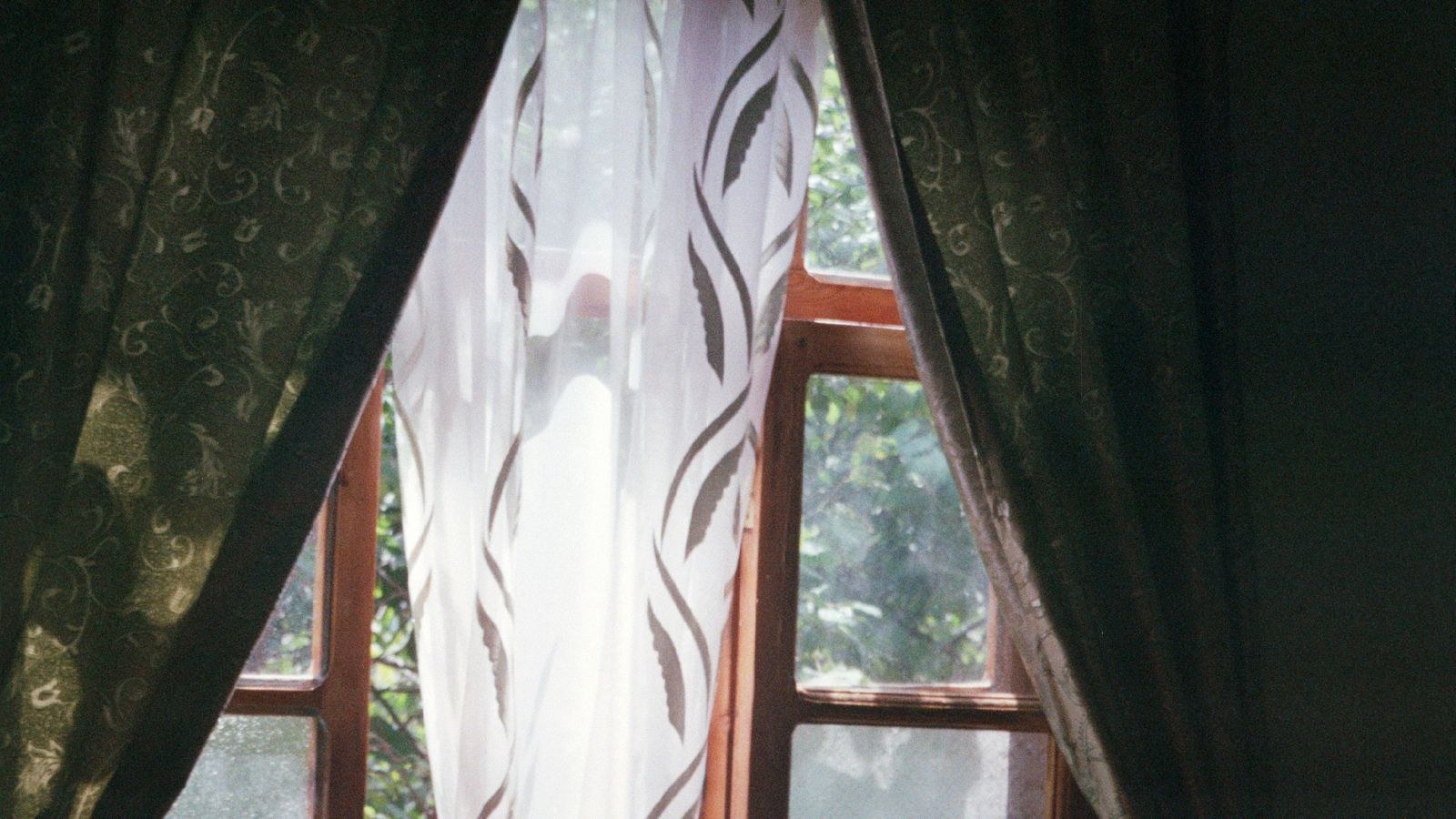
Practical spring moves that cost nothing: wash the curtains you are keeping up, vacuum both sides of the rug, and rotate cushion inserts so they wear evenly. If a room feels dark after winter, replacing dense drapes with a lighter panel does more than any amount of added decoration. Panels sized to your window in a light, airy weave are the single highest-impact spring swap, and the ready-made options in our guide to the best ready-made curtains cover most standard drops without needing a tailor.
Summer: Strip Back and Breathe
Summer is the minimum-textile season. Reduce cushion count rather than adding to it, use flat-woven or natural-fibre rugs in place of anything plush, and let the sofa show. Linen and washed cotton in white, sand, pale blue, and faded indigo suit the light. Stripes work particularly well because they read as fresh rather than fussy.
Consider removing a rug altogether in the hottest months if your floor is hard, which cools a room noticeably and gives the space a different proportion. Store the plush rug rolled rather than folded. Slipcovers come into their own here too: a washable light cover over a dark sofa is the most dramatic single-item seasonal change available, and it doubles as spill protection through the months when doors stay open and drinks come outside.
Autumn: Add Weight and Warmth
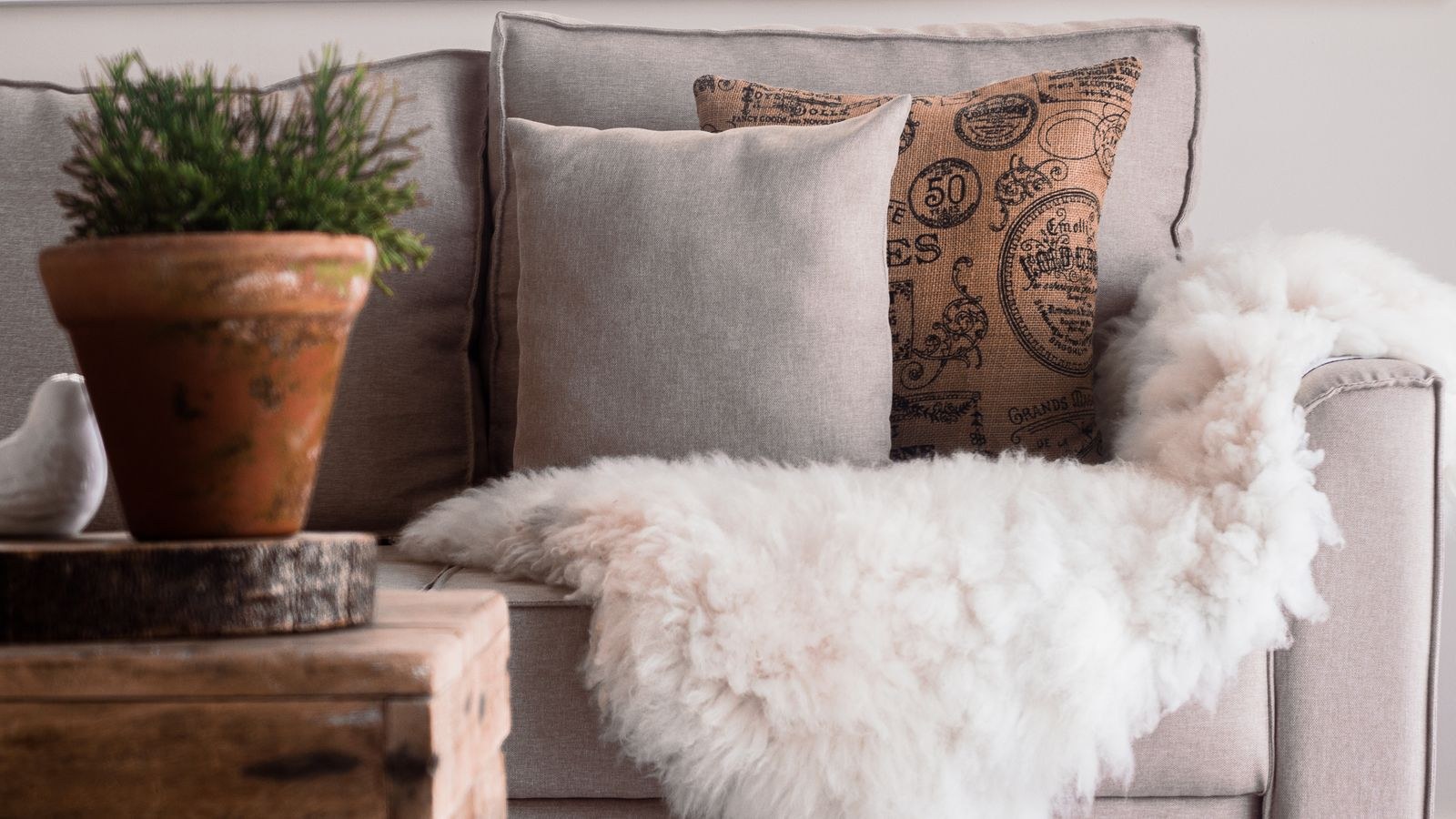
Autumn is the season this system was built for. Layering is the whole technique. Add a second, heavier throw draped across one arm and the back of the sofa. Introduce chunky knits, boucle, corduroy, and velvet cushion covers, which change texture as much as colour. Layer a smaller patterned rug over the main one to define the seating area. Shift the palette to rust, ochre, terracotta, olive, and deep brown.
Texture matters more than pattern here. Three cushions in the same colour but different weaves, a flat linen, a ribbed velvet, and a cable knit, look considerably richer than three matching patterned ones. The same logic applies to throws: one heavy knit will do more for a room than several thin ones, and it is also the piece people actually use. A well-chosen large throw is worth spending on, and the weights and fibres covered in our roundup of throws for sofas explain why a wool blend behaves so differently from a thin fleece.
Layering Order That Actually Works
- Start with the anchor rug and let it stay put all year.
- Add a seasonal layer rug on top, offset rather than centred, to define a zone.
- Place the largest cushions at the outer corners of the sofa, working inward to the smallest.
- Drape one throw asymmetrically over an arm, letting it fall rather than folding it into a square.
- Finish with one soft surface elsewhere in the room, a table runner or a chair pad, so the palette repeats.
Winter: Maximum Comfort
Winter goes heaviest. Velvet, wool, faux fur, and quilted textures, in deep greens, burgundy, charcoal, ivory, and warm metallics. Bring back the plush rug, add lined or interlined curtains that hold heat at the window, and let the cushion count climb. This is also the only season where a formal, symmetrical arrangement suits the mood, since winter rooms read better when they feel deliberately layered rather than casual.
Lighting is part of the winter textile picture even though it is not fabric. Warm, low-level light makes heavy textures look richer, and strings of small warm-white lights around a shelf, mantel, or tree extend the season’s feel well beyond a single holiday. If a tree is part of your setup, the warm-tone options in our guide to Christmas lights for indoor trees pair far better with velvet and wool than cool blue-white sets do.
Holiday Layers Without Holiday Clutter
Keep genuinely holiday-specific items to a small, contained set that sits on top of the winter textile base rather than replacing it. That way the room reads as decorated for weeks either side of the actual holiday, and packing down takes an hour rather than an afternoon. The same restraint works for shorter seasonal moments in autumn, where a few well-chosen accents beat a room-wide takeover; our Halloween decor and costume guide takes the same layered approach for October.
How Much Do You Actually Need to Own?
Less than most people assume. A workable full-year kit for one living room looks like this: six cushion covers per season, two throws per season, one seasonal layer rug for autumn and winter combined, one lighter curtain set for spring and summer, and one heavier set for autumn and winter. Buy covers rather than whole cushions, since four sets of covers over one set of inserts costs a fraction of four sets of complete cushions and stores in a fraction of the space.
Two seasons can share almost everything. Spring and summer overlap heavily, as do autumn and winter, so treat them as two main wardrobes with a few pieces that shift the emphasis. That halves both the cost and the storage requirement while still giving four visibly different looks across the year.
Storing Textiles Between Seasons
Everything should go into storage clean, because body oils and food residue attract moths and set into permanent stains over months. Wash or dry-clean according to the label, then dry completely, as any residual damp in a sealed box invites mildew.
- Use breathable cotton storage bags for wool and natural fibres rather than sealed plastic, which traps moisture.
- Vacuum-compress only synthetics; compressing wool and down for months crushes the loft permanently.
- Roll rugs face-out around a tube instead of folding, which prevents permanent creases in the pile.
- Add cedar blocks or lavender sachets for natural moth deterrence and refresh them annually.
- Label each box by season and room so the swap takes minutes rather than an afternoon of opening boxes.
- Store under a bed or on a high shelf indoors rather than in a damp garage or unheated loft.
Mistakes That Undermine the System
The first is buying anchors in seasonal colours. A rust sofa or forest-green curtains lock you into one palette permanently and defeat the entire point. The second is buying whole cushions instead of covers, which multiplies both cost and storage volume by roughly four. The third is adding without removing, so each season the room simply accumulates more stuff until nothing reads clearly. The fourth is chasing trend colours that will not survive a second year, when a slightly muted version of the same shade would. The fifth is skipping the wash before storage, which is how a favourite throw comes out of a box with moth holes in it. And the sixth is treating every room in the house at once; start with the living room, which delivers the most visible change, and extend only when the system is working.
Frequently Asked Questions
How often should I rotate seasonal textiles?
Four times a year matches the seasons, but twice is enough for most homes: one light set for spring and summer, one heavy set for autumn and winter. Two changeovers deliver most of the effect for half the effort and half the storage.
What should I buy first if my budget is small?
Cushion covers, then one good throw. Between them they carry most of a room’s seasonal colour for the least money, and covers pack down to almost nothing. Curtains and layer rugs are the next step up once the basics are working.
Do I need different curtains for each season?
No, two sets are plenty. A lighter, more translucent panel for the warm months and a heavier lined pair for the cold ones covers the year, and the lined set genuinely helps with heat retention in winter.
How do I keep the room from looking mismatched?
Stick to the three-colour formula and repeat each accent colour at least twice in the room, so a rust cushion is echoed by a rust table runner or throw. Repetition is what makes a scheme look chosen rather than accidental.
Can I use the same approach in a bedroom?
Yes, and it is arguably easier, since bedding is already the largest textile in the room. Change the duvet cover weight and colour, add or remove a bed-end throw, and swap two cushion covers, and the room shifts season completely.
Final Thoughts
Seasonal decorating goes wrong when it becomes an annual shopping event. Built around textiles it becomes a rotation instead, drawing on a small wardrobe of fabric you already own, stored cleanly and brought out on a schedule. Keep the big pieces neutral, define a three-colour formula per season, buy covers rather than whole cushions, and store everything washed and breathable. Start with one room and two seasons rather than the whole house and four. Done that way, the changeover takes an hour, costs nothing after the first year’s purchases, and gives you a living room that feels genuinely different in January and in July, using furniture that never moves.