Owen Bradley
 Two rugs can look nearly identical in a photograph and behave completely differently once they are on your floor. One sheds for six months and resists every spill; the other never sheds but flattens under a coffee table within a year. Fibre is what separates them, and it is the single most consequential choice you make when buying a rug. This rug material guide compares wool, jute, cotton and the main synthetics on the things that actually matter day to day: how they feel underfoot, how much they shed, how they cope with wine and muddy paws, and how long they hold their shape in a busy room. Match the fibre to the traffic and the household, and everything else becomes a question of colour.
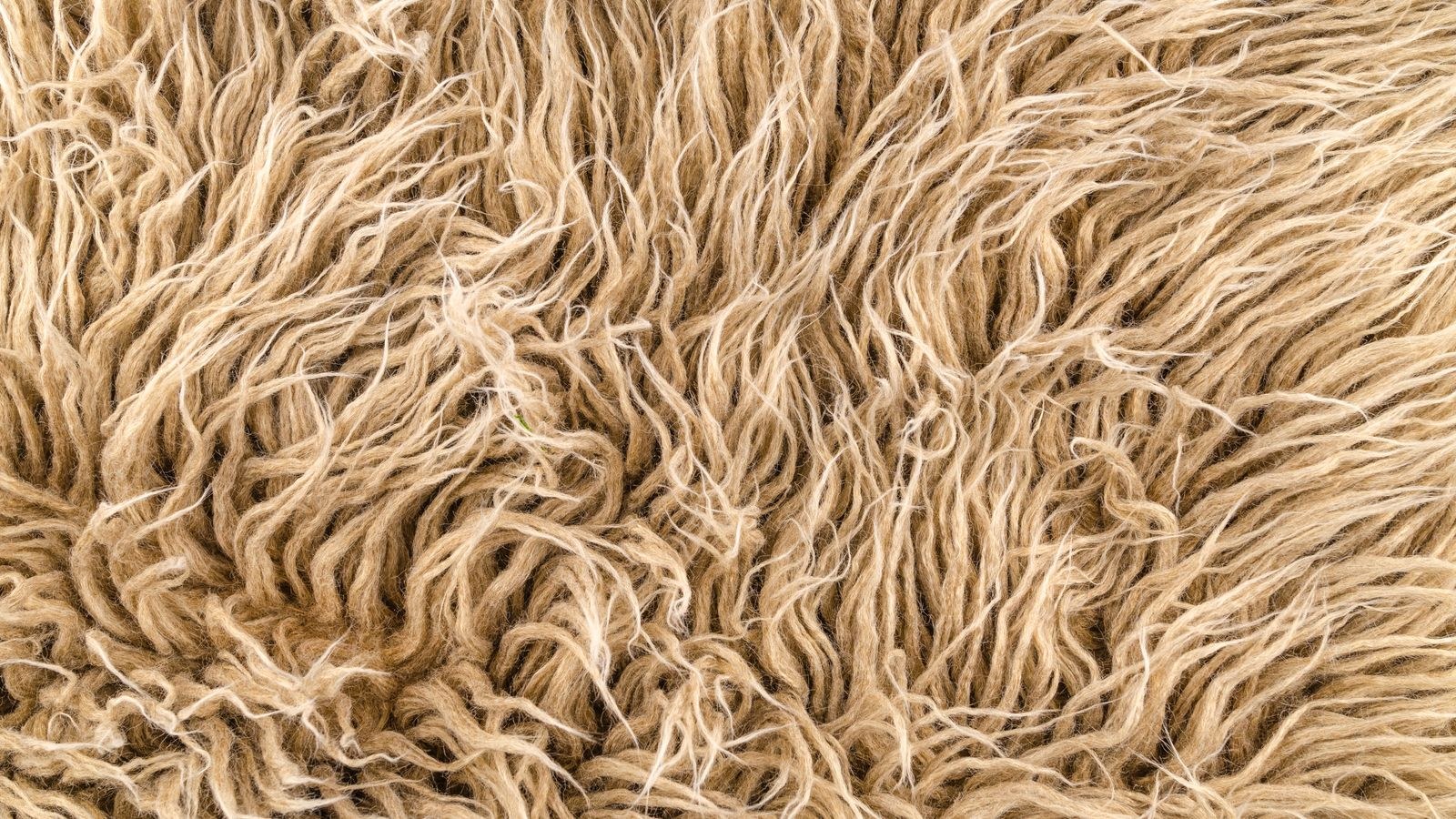
Wool: The Benchmark Natural Fibre
Wool is what every other rug fibre is measured against, and for good reason. The individual fibres are naturally crimped, which means a wool pile springs back after compression rather than staying flat where furniture has stood. That resilience is why a good wool rug still looks presentable after a decade in a living room while a cheaper pile has developed permanent tracks.
Wool also has a natural lanolin coating that repels water long enough for you to blot a spill before it soaks in, and it holds dye beautifully, giving rich colours that fade slowly. It insulates, absorbs sound, and feels warm rather than cool underfoot, which suits bedrooms and living rooms in cooler climates.
The trade-offs are real, though. New wool rugs shed heavily for the first three to six months, particularly hand-tufted ones with cut pile, and you will vacuum up what looks like an alarming quantity of fluff. Wool is the most expensive mainstream option, it can yellow or felt if over-wetted during cleaning, and it is vulnerable to moths in storage. It is also a poor choice for bathrooms or any damp area, since it holds moisture and can develop a musty smell.
Best Use Cases for Wool
- Living rooms and bedrooms where comfort and longevity justify the price.
- Rooms with heavy furniture, thanks to wool’s crush resistance.
- Homes wanting natural fibres with genuine stain tolerance.
- Avoid in basements, bathrooms, and directly under dining tables where spills are frequent.
Jute, Sisal and Other Plant Fibres
Jute, sisal, seagrass and hemp are the natural texture rugs that have become a design staple. They are inexpensive relative to wool, entirely biodegradable, and their neutral tones layer well under smaller decorative rugs. Jute is the softest of the group and the most forgiving underfoot; sisal is coarser and considerably more durable, making it the better choice for hallways and entries.
The catch is water. Plant fibres are highly absorbent and will wick a spill straight into the core, where it dries as a brown ring that is very difficult to remove. They should never be wet-cleaned, and a pet accident on a jute rug is often terminal. They also shed fine plant dust, especially in the first months, and the coarser varieties are unpleasant on bare feet or under a child’s knees.
Use them where they excel: dry, low-spill, high-texture applications such as under a coffee table in a shoes-off home, in a study, or as a base layer in a layered arrangement. Keep them out of dining rooms and away from pets that are still learning the rules.
Cotton: Light, Washable and Casual
Cotton rugs and flatweave dhurries are the practical middle ground for small spaces. They are soft, affordable, and often machine washable in smaller sizes, which makes them ideal for kitchens, bathroom thresholds, children’s rooms and laundry areas. Because they are usually flatwoven rather than piled, they sit low enough that doors clear them easily.
Cotton’s weakness is durability. It crushes and stains more readily than wool, it fades faster in direct sunlight, and it wears through in high-traffic paths. Treat a cotton rug as a semi-disposable item you refresh every few years rather than a lifetime purchase, and it will serve you well. Because they are light, cotton flatweaves slide easily and genuinely need a grippy pad underneath.
Polypropylene, Nylon and Polyester
Synthetics dominate the affordable end of the market, and modern versions are far better than their reputation suggests. Each behaves differently, so it is worth knowing which one you are buying rather than accepting “synthetic” as a category.
Polypropylene (olefin) is solution-dyed, meaning colour runs through the fibre rather than sitting on the surface. That makes it exceptionally stain and fade resistant, cleanable with mild bleach solutions, and suitable for indoor-outdoor use. It does not shed at all. The downside is resilience: polypropylene crushes under sustained weight and does not recover, so heavy furniture leaves permanent dents, and the fibre is prone to matting in traffic lanes. It also holds oily soils stubbornly.
Nylon is the toughest common synthetic. It resists abrasion and crushing better than polypropylene and takes dye well, giving brighter colours. It costs more and is somewhat less stain resistant unless it carries a factory treatment, but for a busy family hallway or a rug that has to survive years of chair movement, nylon is the sensible synthetic.
Polyester feels the softest of the three and is often used for shaggy or high-pile rugs. It resists water-based stains well and holds vivid colour, but it attracts oil-based soils and flattens faster than nylon. It suits bedrooms and low-traffic lounges where softness matters more than wear resistance.
Viscose and the Silk Look
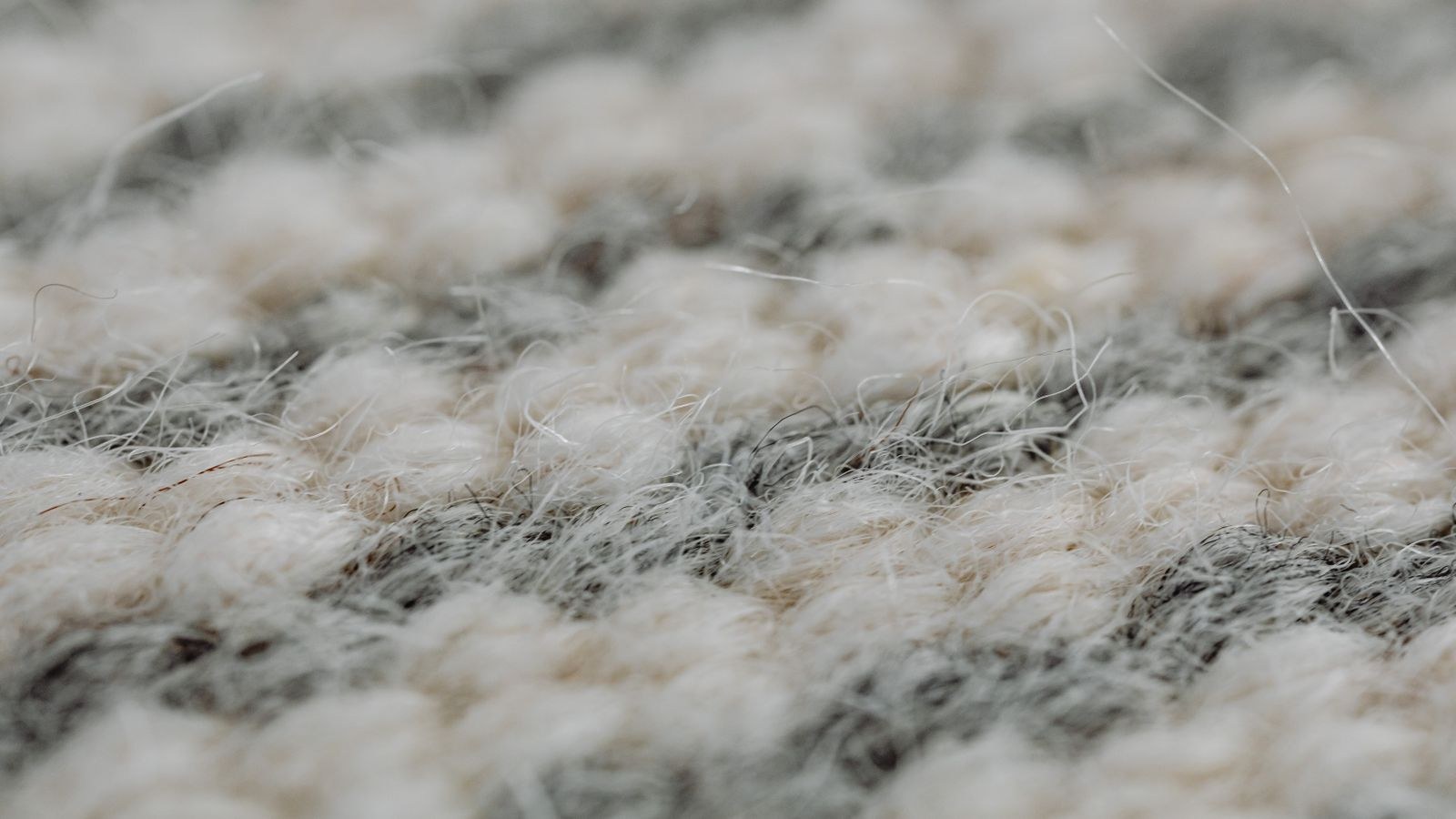
Viscose, sometimes sold as art silk, bamboo silk or rayon, produces an extraordinary sheen at a fraction of the price of real silk. It is also the most fragile fibre on the market. Viscose loses substantial strength when wet, so plain water leaves permanent lightened marks, and rubbing the pile causes irreversible bruising. Vacuum brushes damage it. It is an option for a rarely walked formal room or a wall hanging, and a poor one anywhere else. If you love the look, treat any viscose blend as a short-term decorative piece rather than an investment.
Construction Matters as Much as Fibre
The same wool can produce a rug that lasts thirty years or one that sheds apart in three, depending on how it is made. Hand-knotted rugs tie each strand to a foundation and have no glue at all, which is why antique examples survive generations. Hand-tufted rugs punch loops through a backing and hold them with latex adhesive; they are much cheaper, shed more, and eventually the glue dries out and releases the pile.
- Hand-knotted: most durable, no glue, highest price, minimal shedding after the first weeks.
- Hand-tufted: good value, softer, sheds noticeably, latex backing has a finite life.
- Machine-woven: consistent, affordable, no shedding, durability depends entirely on fibre and density.
- Flatweave: no pile to crush, reversible in some designs, less cushioning underfoot.
Density is the other useful signal. Fold a corner back: if you can easily see the backing through the pile, the rug is sparse and will show wear early. A dense pile that resists splitting apart is a better bet regardless of fibre.
Choosing by Household: Pets and Children
Homes with animals should start from a different premise, which is that everything will eventually be cleaned. Solution-dyed polypropylene and nylon tolerate repeated cleaning far better than wool or jute, and low-pile constructions do not trap hair the way shag does. Loop pile is best avoided entirely with cats, since claws pull loops into runs.
Colour and pattern do more work than people expect. A mid-tone, multi-coloured pattern hides both light and dark hair, while a solid charcoal or cream rug advertises every strand. Pair a pet-friendly rug with upholstery chosen on the same logic; the tightly woven fabrics found among pet-friendly sofas resist claws and shed hair for similar reasons.
Cleaning equipment matters just as much as the rug. Deep pile needs strong suction and adjustable height, and pet homes need dedicated hair handling. If the rug will live in a busy family room, compare the machines in our guide to vacuums for pet hair on carpet before you buy a high-pile rug you cannot keep clean. For general upkeep across several rugs, the models covered in our roundup of vacuums for carpets handle mixed pile heights better than a hard-floor-focused machine.
Automating the Routine
Daily maintenance is what keeps grit from cutting the base of the fibres, and grit is what actually wears a rug out. A scheduled robot pass over the open areas removes most of that abrasive before it works down into the pile. Not every model climbs onto a thick rug reliably, so it is worth checking which units in our comparison of robot vacuums for carpets handle pile transitions and edge fringes without stalling. Reserve the deeper work for periodic sessions with one of the carpet cleaners and extraction machines, keeping in mind that wool needs low moisture and jute needs none at all.
Budget Expectations by Fibre
For an 8×10 rug, machine-woven polypropylene typically starts under $200, nylon and polyester sit in the $200 to $500 range, jute lands around $150 to $400, and cotton flatweaves are usually the cheapest of all. Hand-tufted wool commonly runs $500 to $1,200, while hand-knotted wool starts around $1,500 and climbs steeply with knot density. Judged on cost per year of service, a dense wool rug in a living room often works out cheaper than replacing a crushed synthetic three times.
Common Mistakes
- Putting jute or sisal in a dining room. Spills are guaranteed and plant fibres cannot be wet-cleaned.
- Assuming shedding means poor quality. New wool sheds heavily and then settles; it is normal, not a defect.
- Choosing viscose for a family room. Water marks it permanently and traffic bruises the pile within months.
- Ignoring pile crush. Polypropylene under a heavy sofa will hold the dent forever.
- Skipping the pad. A pad reduces abrasion between rug and floor and extends life on every fibre type.
- Cleaning wool with hot water and detergent. Over-wetting causes felting and yellowing; blot and use low moisture.
Frequently Asked Questions
Which rug material is best for high-traffic areas?
Nylon for synthetics and dense low-pile wool for naturals. Both resist crushing and abrasion far better than polypropylene, polyester or plant fibres, which is what actually determines how a hallway or entry rug looks after two years of use.
How long does wool shedding last?
Expect noticeable shedding for three to six months on a hand-tufted wool rug, tapering off with regular vacuuming. Hand-knotted wool sheds far less and settles within weeks. Shedding that continues heavily past a year usually indicates a failing latex backing.
Is polypropylene good enough for a living room?
It is if the room has light furniture and you value stain resistance over plushness. Where a heavy sofa and coffee table sit for years, the permanent crush marks become the limiting factor, and wool or nylon will look better for longer.
What rug material is safest for kids?
Low-pile wool or a solution-dyed synthetic with a tight weave. Both clean easily and do not trap crumbs the way shag does. Add a firm pad for cushioning rather than choosing a very high pile, which traps dirt and is harder to keep hygienic.
Final Thoughts
There is no single best rug fibre, only a best match for the room. Wool earns its price in living rooms and bedrooms where resilience and comfort matter. Jute and sisal deliver texture cheaply as long as they stay dry. Cotton is the practical, washable choice for small and casual spaces. Among synthetics, polypropylene wins on stains and nylon wins on wear. Decide first how much traffic, moisture and animal activity the rug will face, then pick the fibre that survives it, and the rug you buy this 2026 will still look right long after the styling around it has changed.