Owen Bradley
 You saved for months, read every review, and finally brought home a pair of speakers you were excited about. Then you pressed play and something felt wrong. The bass boomed in one spot and vanished in another, voices sounded thin, and the whole presentation seemed to smear together instead of snapping into focus. Before you blame the gear, blame the walls. This room acoustics guide explains why the space around your speakers shapes what you hear far more than most buyers realise, and what you can do about it without turning your living room into a recording studio. Most of the fixes cost very little.
Why the Room Matters More Than the Speaker
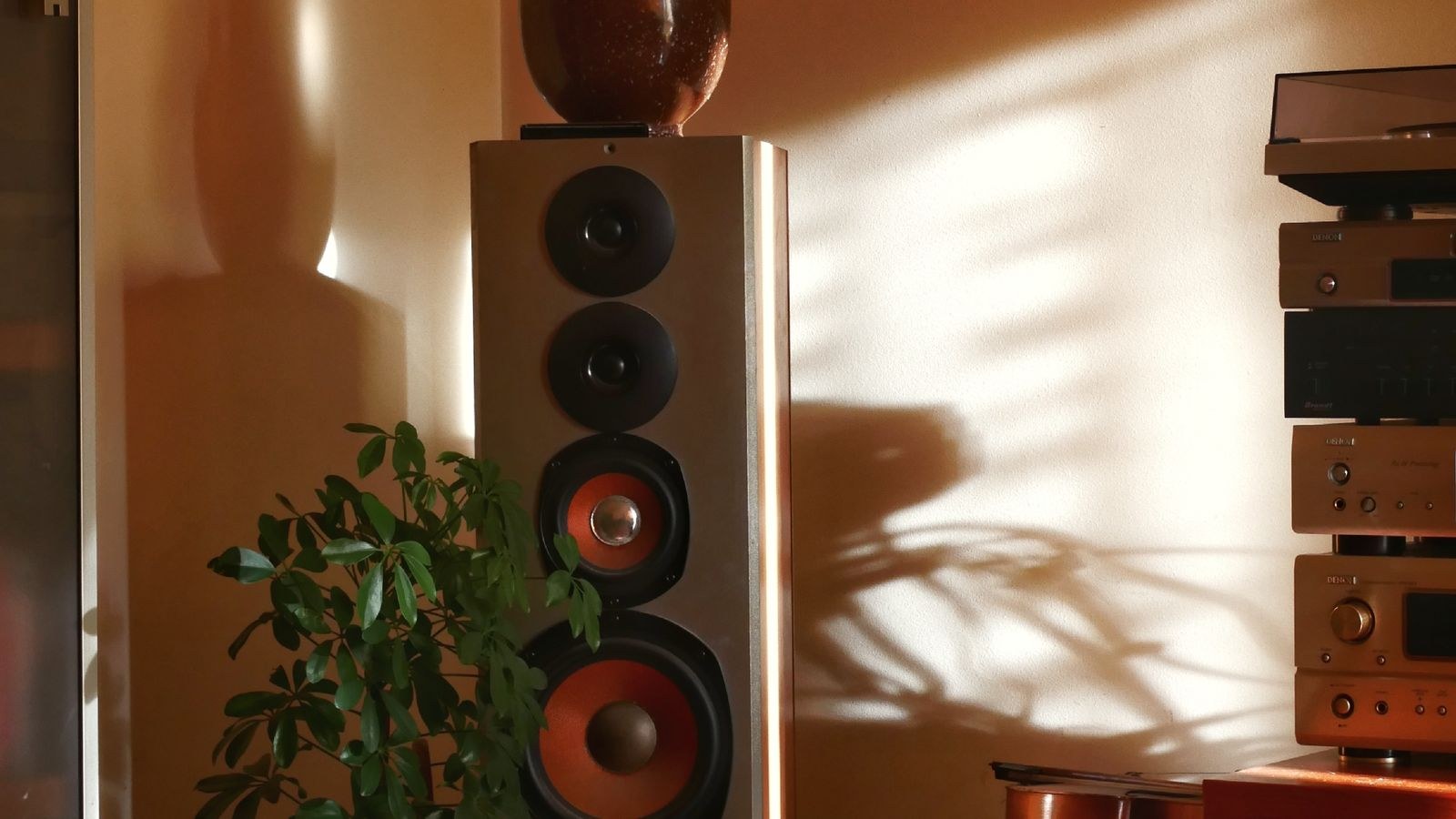
A speaker sends sound in every direction, not just toward your ears. Only a fraction of what you hear travels straight from the driver to your listening position. The rest bounces off floors, ceilings, walls, windows and furniture before it arrives, arriving milliseconds late and altered in tone. Your brain blends the direct sound and all those reflections into a single impression, which is why the same speaker can sound warm and enveloping in one room and harsh and hollow in another.
That blend is the reason two people can buy identical systems and disagree completely about how they sound. It also means that upgrading electronics rarely fixes an acoustic problem. If a reflection is arriving too early and too loud, a more expensive amplifier will reproduce that flaw with greater fidelity. Treating the room addresses the cause instead of chasing the symptom, and it usually delivers a bigger improvement per dollar than any component swap.
The Three Things Rooms Do to Sound
Rooms affect audio in three ways. They reflect sound off hard surfaces, creating echoes that arrive after the direct sound. They reinforce certain low frequencies through standing waves set by the distance between opposite walls. And they absorb energy through soft materials, though nearly all household absorption works on high frequencies and does almost nothing for bass.
Early Reflections and Why Imaging Collapses
The most audible reflections are the first ones to arrive, usually from the side walls, the ceiling and the floor between you and the speakers. When a copy of the direct sound lands within a few milliseconds, your ear cannot separate it, so instead of hearing a clean point of origin you hear a smeared, widened blur. Vocals drift away from centre, instruments lose their outlines, and the stereo image stops feeling like a scene in front of you.
Finding these reflection points is easy. Sit in your usual listening seat and have someone slide a mirror along each side wall. Any spot where you can see a speaker driver in the mirror is a first reflection point. The same trick works on the ceiling. Those specific locations are where absorption or diffusion pays the biggest dividends, and treating just two side wall points often produces an obvious jump in clarity.
Hard bare surfaces are the worst offenders. A glass coffee table between you and the speakers, an uncovered wooden floor, or a large window directly beside a speaker all send strong, tonally bright reflections back at you. A rug, a curtain drawn across the glass, or a bookcase filled unevenly with books scatters that energy rather than mirroring it straight back.
Bass Nodes, Nulls and the Boom in the Corner
Low frequencies behave differently because their wavelengths are long enough to match room dimensions. Sound waves bouncing between parallel walls reinforce each other at some points in the room and cancel at others, producing peaks where bass is overwhelming and nulls where it nearly disappears. Move your head half a metre and a bass line can change volume dramatically. This is not a fault in your speakers, it is physics.
Corners are where all three room dimensions meet, so bass energy piles up there most intensely. Pushing a speaker into a corner increases apparent bass output, which sounds impressive for a moment and then reveals itself as one-note thud that masks midrange detail. Pulling speakers away from corners and rear walls tightens low end noticeably, at the cost of some raw volume you probably did not need.
The practical response is placement first, treatment second. Try moving your listening seat rather than only the speakers, since the seat has as much influence on the bass you hear as the source does. Avoid sitting with your head against the back wall, which is a pressure maximum for many frequencies. If your speakers have rear-firing ports, give them at least a hand’s width of clearance so the port can breathe.
Speaker Placement: The Free Upgrade
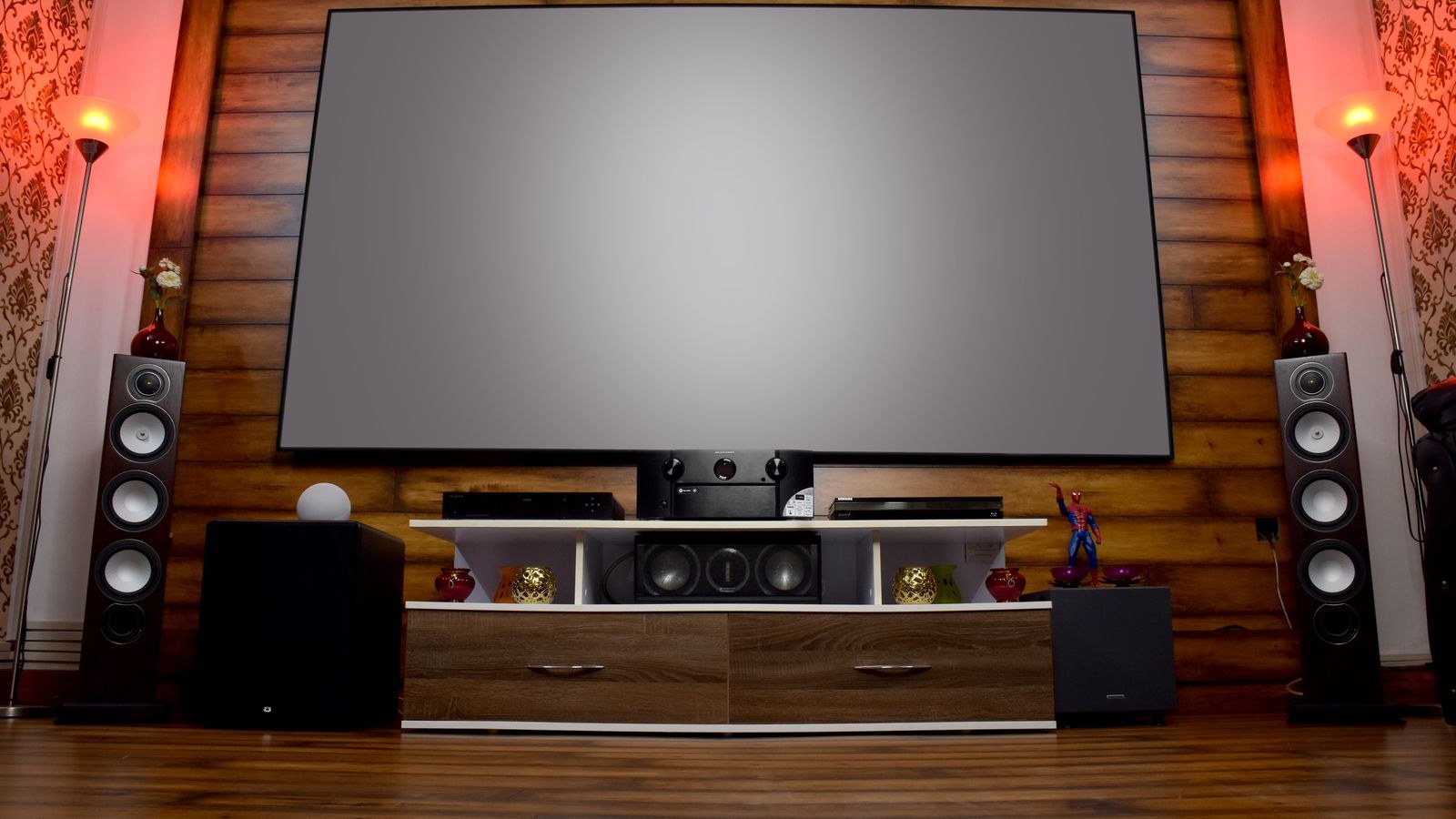
Placement is the single most powerful acoustic tool you own, and it costs nothing. Start with the classic equilateral triangle: the distance between the two speakers should roughly equal the distance from each speaker to your ears. Toe the speakers inward so their axes cross slightly behind your head, which stabilises the centre image and reduces side wall reflection strength.
Get the tweeters to ear height when seated. A tweeter aimed at your knees sounds dull, and one aimed above your head sounds thin. Small stand-mount designs almost always need proper support to achieve this, which is why a set of the best speaker stands often improves a system more than a new amplifier would. Solid, mass-loaded stands also stop the cabinet transmitting vibration into furniture, which muddies the midrange.
Symmetry matters too. If one speaker sits in an open doorway and the other sits beside a solid wall, the two channels will not match tonally and the image will pull toward one side. Where the furniture layout allows, keep the left and right boundaries as similar as you can.
Match the Speaker to the Room Size
Bigger speakers are not automatically better. A large floorstander with substantial low frequency output will overload a small room, exciting bass modes that no amount of treatment can fully tame. Conversely, small speakers in a large open-plan space run out of headroom and sound strained when you turn them up. Choosing sensibly at the start avoids fighting the room later. Compact designs from a roundup of the best speakers for small rooms suit apartments and study corners, while a shortlist of the best speakers for large rooms covers spaces where you need genuine output to fill the volume.
For most listeners in ordinary rooms, a well-placed pair of quality stand-mounts beats an oversized tower. Browsing the best bookshelf speakers is a sensible starting point if you are building around a desk, a shelf or a modest living room, since these designs are easier to position away from boundaries.
Practical Treatment on a Real Budget
You do not need a wall of foam. In fact, thin foam panels absorb only the highest frequencies and can leave a room sounding dead on top while still booming underneath. Focus on thicker, broadband absorption in a few high-impact locations instead of thin coverage everywhere.
- A thick rug between you and the speakers kills the floor bounce, the easiest reflection to fix.
- Heavy curtains over large windows tame the brightest and most glaring reflections.
- Absorption at the mirror points on both side walls sharpens imaging more than any other single panel placement.
- Bass traps in the room corners address low frequency buildup, which needs depth rather than surface area.
- A full, irregularly loaded bookshelf on the rear wall behaves as a decent diffuser at very little cost.
- Soft furnishings such as fabric sofas and cushions add useful absorption without looking like studio gear.
Treat the room in stages and listen after each change. Acoustic work is iterative, and it is easy to overdo absorption to the point where music loses life and the space feels oppressive. A living room that sounds pleasant to speak in usually sounds pleasant to listen to.
Nearfield Listening: Shrinking the Room Problem
There is a shortcut that sidesteps much of this. Sit closer. When the speakers are only a metre or so from your ears, the direct sound dominates and the room’s contribution drops sharply. This is exactly why studios use nearfield monitoring, and why a desktop setup can sound remarkably precise in an acoustically poor space. If your listening happens at a desk, exploring the best studio monitor speakers makes sense, because these designs are voiced for close listening and neutral response rather than filling a hall.
Room Correction Software and Its Limits
Many receivers and powered speakers now include automatic room correction, which measures the response at your seat with a microphone and applies digital filters to flatten it. Used well, this is genuinely useful, particularly for smoothing broad bass peaks and matching channel levels. It is fast, repeatable, and free once you own the hardware.
What correction cannot do is fill in a null. If a cancellation has removed energy at a particular frequency, boosting that frequency electronically just burns amplifier power and pushes the drivers harder without restoring the sound. Nor can software shorten a reflection that has already happened. Treat correction as the final polish after placement and physical treatment, never as a substitute for them.
Common Mistakes That Ruin Good Speakers
The most frequent error is pushing speakers flat against a wall or into corners for tidiness, then wondering why bass is bloated and detail is buried. The second is sitting off-centre, which destroys the stereo image no matter how good the components are. The third is decorating with hard reflective surfaces, glass, bare plaster and polished floors, and then trying to fix the resulting glare with tone controls.
Finally, many people spend heavily on cables and electronics while ignoring the room entirely. Reversing that priority almost always produces a bigger improvement for a fraction of the money.
A Five-Step Plan You Can Do This Weekend
- Sit in your usual seat and note precisely what bothers you: boom, harshness, vague imaging, or thin bass.
- Set the equilateral triangle, raise tweeters to ear height, and toe the speakers slightly inward.
- Pull the speakers out from the rear wall and corners in small increments, listening to a familiar bass-heavy track after each move.
- Find the mirror points and cover the floor bounce with a rug, then treat the side walls if the imaging is still smeared.
- Only after all of that, run any room correction your equipment offers and make final level adjustments.
Work through the list in order. The changes compound.
Frequently Asked Questions
Does a carpeted room automatically sound good?
Carpet helps with the floor bounce and softens high frequencies, but it does essentially nothing for bass problems. A heavily carpeted room with untreated corners can still boom badly, and over-absorbing the treble while leaving the low end wild produces a dull, thick sound. Balance matters more than raw absorption.
How far should speakers be from the wall behind them?
There is no universal figure, but starting around 30 to 60 centimetres from the rear wall and adjusting by ear works for most designs. Rear-ported speakers generally need more clearance than sealed or front-ported ones. Move in small steps and listen to the same bass-rich track each time.
Do I need to treat the ceiling?
The ceiling bounce is real, especially in rooms with low ceilings and hard surfaces. It is usually the third priority behind the floor and side walls. If you have already treated those and imaging still lacks focus, a cloud panel above the listening position is the logical next step.
Will a subwoofer fix my bass problems?
A subwoofer adds extension and takes strain off the main speakers, but it sits in the same room and is subject to the same modes. Placement is critical: the traditional method is to put the sub temporarily at the listening seat, crawl around the floor until the bass sounds most even, and place the sub there.
Final Thoughts
Good sound is a partnership between the equipment and the space it lives in, and the space is the half most people never think about. The encouraging part is that the highest-value improvements, moving speakers away from boundaries, setting the triangle, raising tweeters to ear height and killing the floor bounce with a rug, cost almost nothing. Add a couple of well-placed panels and a set of proper stands and you have transformed the system without replacing a single component. Before you spend on new gear in 2026, spend an afternoon on the room, then judge your speakers again. There is a strong chance they were never the problem.