Owen Bradley
 Renting complicates home security in ways homeowners rarely think about. You cannot drill into brick, you cannot replace the deadbolt without permission, you may not be allowed to run wires anywhere, and anything you install has to come off the wall cleanly when the lease ends. Yet renters face the same risks as owners, often in buildings with shared entrances, corridors and a long list of people who have held keys before you. This renters home security guide covers what actually works within those constraints: no-drill cameras, portable locks, adhesive sensors and alarms you can pack in a box and take to the next place, all without putting your damage deposit at risk.
Start by Reading Your Lease, Not the Product Reviews
Before buying anything, find the clauses covering alterations, fixtures, locks and door hardware. Most standard leases prohibit changing locks without landlord consent, prohibit drilling into structural walls, and require the unit to be returned in its original condition apart from normal wear.
What that usually leaves open is broad: anything adhesive, freestanding, tension-mounted or plugged in. Battery cameras on shelves, door-mounted alarms, plug-in sensors and portable safes almost never breach a lease. Where you are uncertain, a short email to the landlord asking permission creates a written record, and many landlords approve smart locks and cameras readily because they reduce their own risk.
Also check whether the building already provides anything: intercom access, corridor cameras, a concierge log for deliveries. Knowing that changes what you need to buy yourself.
Fix the Door First
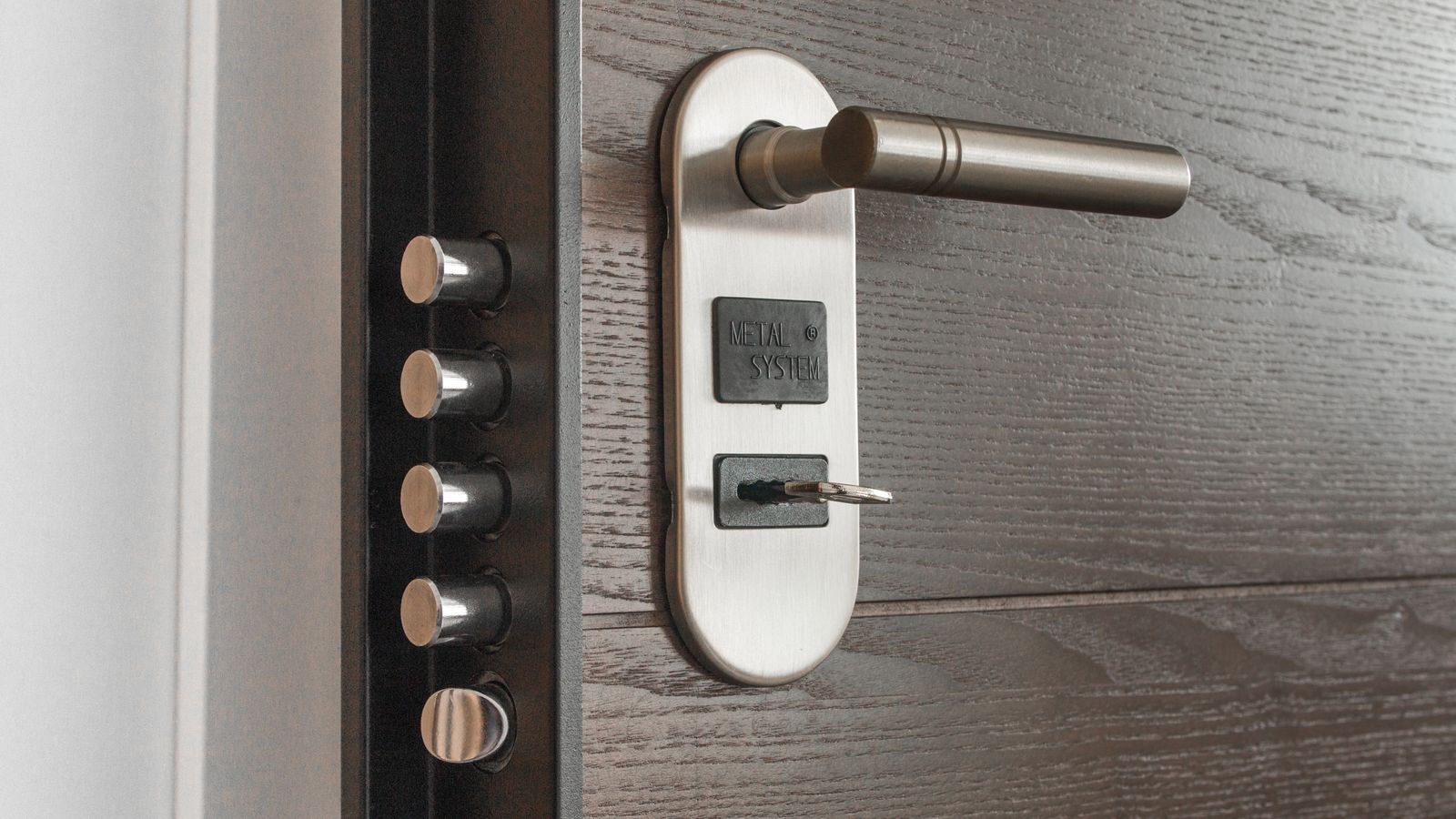
The front door is where the overwhelming majority of forced entries happen, and it is also where renters have the least freedom. Fortunately several strong options require no permanent changes at all.
A portable door lock or door security bar clamps onto the strike plate or braces against the floor and stops the door opening even with a working key. These are the single best value in renter security because they defeat the most common threat, which is someone with a previously issued key. They install in seconds, leave no marks, and travel with you.
Add a door-mounted alarm that detects the door opening or vibration and sounds a loud local siren. For interior rooms, particularly in shared houses and flatshares, a keyed or coded knob on your own room adds a private layer. Renters who share a home often find that upgrading to one of the best bedroom door locks gives them a secure space for valuables without touching the building’s exterior hardware.
Smart Locks Without Losing the Deposit
Some smart locks replace only the interior thumb-turn and leave the exterior cylinder and keyway untouched. Because nothing on the outside changes, the landlord’s key still works and no new holes are made. Keep the original hardware in a labelled bag and reinstall it at move-out.
Windows, Sliders and Ground-Floor Units
Ground-floor and basement flats need window attention that upper floors do not. Adhesive contact sensors and glass-break style alarms mount with peel-and-stick pads and sound when a window is opened. A set of best window alarms across the accessible openings costs little and covers a route that most renters ignore entirely.
Sliding patio doors deserve a dowel or adjustable security bar laid in the track, plus a secondary pin lock where the frame allows a small hole in non-structural aluminium, though a track bar alone is sufficient in most cases and leaves nothing behind.
For the front and back doors of a shared house, standalone entry alarms are equally useful. The best door alarms generally run for months on a coin cell, chirp when a door opens and shriek when armed, giving you a cheap perimeter without any hub at all.
Cameras You Can Mount Without Drilling
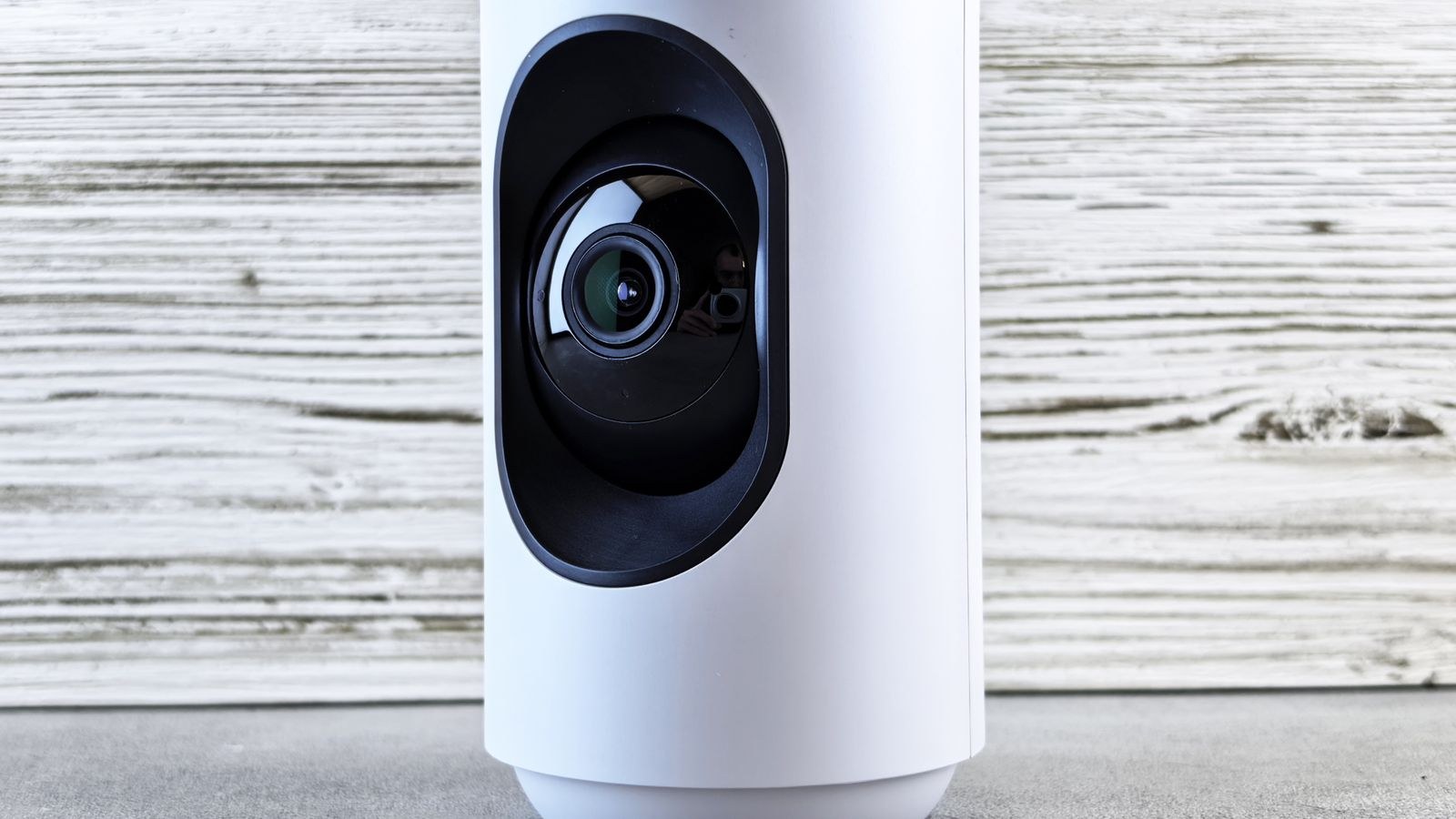
Indoor cameras are the easiest win for renters because most are designed to sit on a shelf, bookcase or windowsill and need only a power outlet. That alone gives you a view of the entry door and main living space with zero installation.
Where you want a wall or ceiling angle, use a removable adhesive mounting pad rated for the camera’s weight, or a clamp mount on a shelf edge, curtain rail or door frame. Avoid permanent screw mounts in plaster unless you have written approval. Battery cameras are especially convenient because they eliminate the cable run entirely.
Coverage priorities for a rental are simple: the inside of the entry door, the main hallway, and any ground-floor window with easy access. That is usually two or three cameras total. Compact models designed for exactly this role appear throughout the best home indoor security cameras, and they suit small flats where sightlines are short.
Outdoor Views Without Touching the Building
If you have a private balcony or a porch you control, a battery camera on a freestanding weighted stand, a clamp on a railing, or a magnetic mount on any metal surface gives an exterior view with no fixings. For a shared corridor, check the rules first, because filming communal areas can raise legitimate objections from neighbours and in some places legal ones.
Doorbell Cameras and Package Theft
Parcel theft is the most common loss renters actually experience. A doorbell camera helps, but wired versions need the existing chime wiring, which many flats lack. Battery doorbell cameras with a no-drill bracket, an adhesive plate or a door-mounted clamp solve this. Where you cannot mount anything on the door at all, an indoor camera pointed through a window at the delivery spot often does the job.
Non-technical measures matter here too: route parcels to a locker, a workplace or a neighbour, and require signature on anything valuable. No camera prevents theft; it only documents it.
Building a Small Renter-Friendly System
Individual gadgets work, but linking them gives you a single app, one arming action and consistent alerts. Look for a hub-based kit that uses adhesive sensors, needs no wiring beyond a power adapter, and offers month-to-month monitoring you can pause or cancel when you move. Contract-free operation matters more for renters than anyone, because a 36-month agreement can outlast the tenancy itself.
A practical starter loadout for a one or two-bedroom rental looks like this:
- One hub with a built-in siren, placed centrally and out of sight of the front door
- Contact sensors on the entry door and every accessible window
- One motion sensor covering the main living area, positioned across the room rather than facing a window
- One or two indoor cameras on shelves covering the door and hallway
- A portable door lock or security bar for use while you are home
- A small lockbox or safe for passports, spare keys and cash
Kits assembled around exactly these components dominate the best DIY home security systems, which are built for renters and first-time buyers who want everything back in the box on moving day.
Protecting the Deposit While You Install
Removable adhesive strips are the renter’s best friend, but they fail in predictable ways. Clean the surface with isopropyl alcohol first, press firmly for 30 seconds, and let the bond cure for an hour before hanging weight. Do not use them on wallpaper, textured paint, freshly painted surfaces or unsealed plaster, all of which tear when removed.
Photograph every wall before you install anything and again after removal. Keep original hardware, screws and packaging in one labelled box. When removing adhesive mounts, pull the tab slowly and parallel to the wall rather than yanking outward, which is what lifts paint.
Habits That Cost Nothing
Hardware is only half of renter security. Ask the landlord in writing whether the locks were rekeyed after the last tenant, and request it if not. Never leave a spare key outside; use a lockbox with a code you change, or leave it with someone you trust. Do not label keys with an address.
In shared buildings, avoid holding the entrance door open for people you do not recognise, however awkward that feels. Keep blinds angled so passers-by cannot inventory your electronics. Use timers or smart plugs on a lamp so an empty flat looks occupied, and pause deliveries when you travel.
Common Renter Security Mistakes
The biggest is assuming an upper-floor flat is safe. Balconies, flat roofs, fire escapes and adjoining units all offer routes that renters routinely leave unsecured. The second is buying a camera and nothing else; a camera records the loss, while a lock and an alarm prevent it.
Another common error is committing to a long monitoring contract early in a tenancy. Choose contract-free coverage you can pause. Finally, many renters install everything and then never test it. Run through an arm-and-trigger test on each sensor once a month, and replace batteries on a schedule rather than waiting for a low-battery chirp at 2 a.m.
Frequently Asked Questions
Can my landlord stop me installing a security camera?
Inside your own unit, rarely, provided nothing is permanently fixed and you are not recording communal areas or neighbours’ doors. Exterior mounting on the building usually needs consent. Get any approval in writing.
Am I allowed to change the locks on my rental?
In most tenancies you need the landlord’s permission, and they will typically require a copy of the new key. Portable locks and door bars used while you are home avoid the question entirely.
Will adhesive mounts damage the paint?
Correctly applied removable strips on a clean, fully cured painted surface usually come off cleanly. They are unreliable on wallpaper, textured finishes and paint less than a month old.
Is a monitored system worth it in an apartment?
It can be, particularly for ground-floor units or long absences. Choose a month-to-month plan so you can cancel at move-out without penalty.
What should I secure first on a tight budget?
A portable door lock and a door alarm, then one indoor camera, then window sensors. That order addresses the most likely entry routes for the least money.
Final Thoughts
Renting does not mean accepting whatever security the building happens to offer. Nearly every meaningful layer, including strong door reinforcement, window sensors, cameras, alarms and monitoring, now exists in a form that peels off, unplugs or unclamps in minutes. Focus on the entry door, cover accessible windows, add a camera or two for visibility, and keep everything contract-free and portable.
Build the system around gear that moves with you, and the money you spend this year keeps working in the next flat and the one after that. That portability is what makes a renter’s setup a genuinely good investment through 2026 rather than a cost you write off at the end of the lease.