Owen Bradley
 A recliner is one of the few pieces of furniture people genuinely wear out. It gets used every evening, carries the full weight of a body through a moving mechanism, and either becomes the favourite seat in the house or an expensive mistake taking up a corner. The decision that matters most is not colour or leather grade but the mechanism underneath: manual or power, and what kind of clearance it demands from your wall. This recliner buying guide walks through both systems, the sizing and weight ratings that decide long-term reliability, upholstery choices, and the practical checks worth making before you commit in 2026.
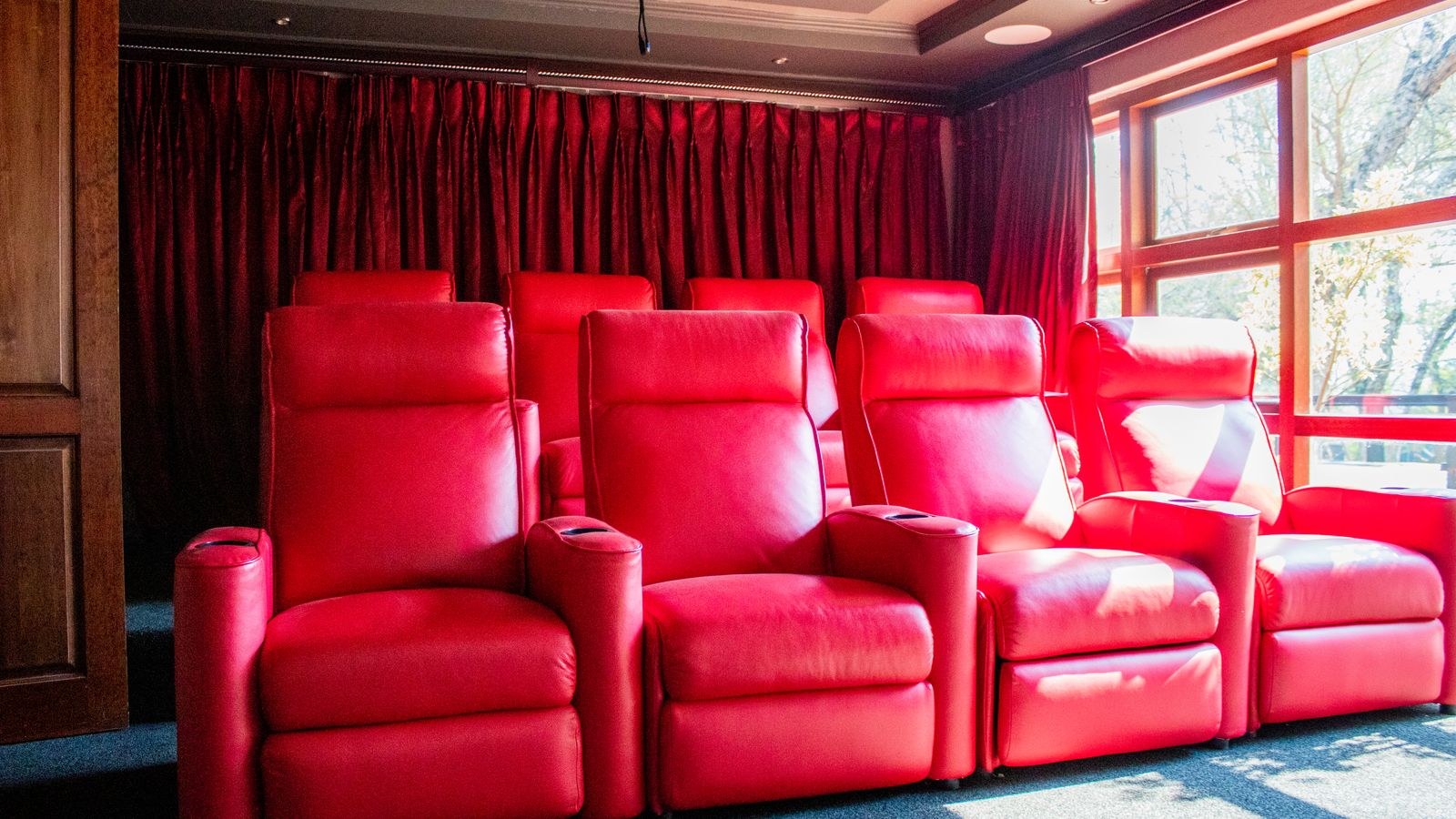
Manual Recliners: Simple and Serviceable
Manual recliners open through a side lever, a pull handle or a push-back action driven by your own body weight. There is no motor, no wiring and nothing that stops working during a power cut. The mechanism is a straightforward linkage of steel arms and springs, which means fewer parts to fail and cheaper repairs when something eventually does.
The trade-off is control. A manual chair typically offers two or three fixed positions rather than a continuous range, and reaching the lever requires a deliberate motion that some people find awkward. Push-back designs need you to press firmly with your back and shoulders, which works for most adults but not for anyone with limited upper body strength. Manual chairs are also lighter, easier to move for cleaning, and by far the better value at the entry level. Most of the strong sub-budget picks in our list of the best recliner chairs under 500 use manual mechanisms for exactly this reason.
Lever, Handle and Push-Back Compared
Side levers give the most leverage and the least effort but stick out from the frame and can catch on a nearby side table. Pull handles hide underneath the seat and look cleaner, though they need a firmer tug. Push-back designs have no visible hardware at all and read as ordinary armchairs when closed, but they offer the least positional control and the footrest often rises with the back rather than independently.
Power Recliners: Control at a Price
A power recliner uses one or more electric actuators driven by a button or touchpad on the arm. The seat moves smoothly and stops anywhere in its range, which is the real advantage: you are not limited to the two or three preset angles a manual linkage allows. Dual-motor models separate the backrest from the footrest, so you can raise your legs while sitting upright, or recline the back without lifting your feet at all.
Power costs more, needs a socket within reach of the cable, and introduces components that can fail. The usual suspects are the transformer brick, the hand control and the actuator motor, all of which are replaceable but require ordering the correct part from the manufacturer. Look for models with a battery backup pack, which lets the chair return to the closed position during an outage rather than stranding you reclined. Power mechanisms dominate the larger seating in our comparison of the best power reclining sofas, where independent control for each seat is genuinely useful.
USB Ports, Memory and Zero-Gravity Modes
Extra features vary in usefulness. USB charging ports in the arm are convenient and rarely add much cost. Memory positions matter when several people share the chair. Zero-gravity positioning raises the knees above the heart to reduce pressure on the lower back and is worth seeking out if you sit for hours at a time. Powered lumbar and headrest adjustment is the feature most likely to justify a step up in price, because it lets you tune support rather than accepting the factory shape.
Wall Clearance and Chair Type
The most common planning failure is buying a recliner that cannot open where you want to put it. A standard recliner needs a foot or more of space behind it because the whole seat slides backward as the back tilts. Measure the gap you actually have before shopping, not after delivery.
Three designs address the problem differently. A wall-hugger or wall-saver recliner slides forward on its base as it opens, needing as little as four to six inches behind it, which makes it the default choice for apartments and rooms where the chair sits against a wall. A rocker recliner needs clearance for the rocking arc as well as the recline, so allow more space. A glider moves on a fixed track and sits somewhere between the two. Confirm the required clearance in the specification rather than estimating from photographs.

Sizing the Chair to the Person
Recliners are sized far more loosely than office seating, and a chair that fits one person badly will never be comfortable no matter how good the mechanism is. Four measurements do most of the work.
- Seat height: your feet should rest flat with knees at roughly ninety degrees. Too high and your legs dangle; too low and standing up is hard.
- Seat depth: you want two to three fingers of gap between the seat edge and the back of your knees when your back touches the backrest.
- Back height: a high back should support your head when reclined. Short backs leave taller sitters with an unsupported neck.
- Footrest length: check that your heels are supported rather than hanging off the end, which strains the calves over a long evening.
Manufacturers usually publish a recommended user height range. Take it seriously. Someone over six feet needs a tall-back model with an extended footrest, while a shorter sitter is better served by a petite frame with a lower seat.
Weight Ratings and Frame Construction
Every recliner has a weight capacity, commonly 250 to 350 lb for standard models and 400 lb or more for heavy-duty frames. Choose a rating comfortably above the heaviest regular user rather than exactly at it, because mechanism wear accelerates sharply near the limit. Two people sitting on a recliner at once, which happens more than manufacturers expect, can exceed the rating instantly.
Underneath the upholstery, look for a kiln-dried hardwood or steel-reinforced frame with corner blocks, not stapled particleboard. The recline mechanism itself should be steel throughout with smooth, quiet action across its full travel. Operate the chair several times in the showroom and listen: grinding, clicking or a hitch partway through the arc means poor tolerances that will only worsen.
Upholstery: Leather, Fabric and Blends
Top-grain leather is the most durable option, ages attractively and wipes clean, but it costs the most and feels cold in winter and sticky in summer without a fabric throw. Bonded leather, which is leather fibre bonded to a backing, looks similar at a fraction of the price and typically peels within a few years of daily use. It is best avoided on a chair that gets used every evening.
Performance fabrics and microfibre are warmer to sit on, far cheaper and now come with stain-resistant treatments that handle household life well. They do hold odours and pet hair more than leather. Faux leather occupies a middle ground, with quality varying enormously by grade. Leather covering is common on the larger seating collected in our best leather reclining sofas comparison, where the same durability logic applies at greater scale.
Budget Tiers and What Changes
At the entry level you get a manual mechanism, a lighter frame, polyester or faux leather covering and basic foam padding. These chairs are fine for a spare room or light use but will show wear within a few years under nightly service.
The mid tier brings a hardwood frame, higher-density foam, better fabric or genuine leather on the contact surfaces, and either a refined manual mechanism or an entry-level single-motor power system. This is where most buyers get the best value, and it covers the majority of the models in our roundup of the best recliner chairs.
Premium spending buys dual or triple motors, powered lumbar and headrest, memory positions, full-grain leather, heavier frames and longer mechanism warranties. Whether that is worth it depends almost entirely on how many hours a day the chair is used. For a two-hour evening chair it rarely is; for someone who spends most of the day seated it usually is. Comparing across all tiers is easiest with the specifications listed in our overview of the best reclining chairs.
Single Chair or Reclining Sofa
If more than one person wants to recline, weigh a single chair against a reclining sofa or loveseat. Individual chairs give each person the exact position they want and can be arranged freely, while a reclining sofa saves floor space and keeps the room looking coherent. Reclining sofas also need clearance behind them along their full length, which is a much bigger planning constraint than a single chair. Our comparison of the best reclining sofas lays out the clearance and configuration options if you are weighing that route.
Common Mistakes to Avoid
The first is testing the chair only in the upright position. Recline it fully, sit for at least five minutes, then close it and stand up. That closing-and-rising motion is the one that reveals a seat that is too low or a mechanism that needs more force than you can comfortably apply. The second mistake is ignoring the power cable route on electric models; a chair positioned mid-room needs a cable run that will not be a trip hazard.
Third, do not buy on padding softness alone. Very soft foam in a showroom compresses within months and leaves you sitting on the frame rails. Firm, high-density foam feels less inviting on day one and far better in year three. Finally, check the warranty split. Frames often carry lifetime cover while mechanisms and motors get one to five years, and it is the mechanism that determines how long the chair actually lasts.
Frequently Asked Questions
Is a power recliner worth the extra cost?
If you sit for long sessions, have limited strength, or want infinite position control, yes. For light evening use with no mobility limitations, a good manual chair costs less and has fewer parts to fail.
How much space do I need behind a recliner?
Standard models need roughly 12 to 18 inches. Wall-hugger designs need as little as 4 to 6 inches because they slide forward as they open. Check the manufacturer’s figure.
What happens to a power recliner in an outage?
It stays where it is unless the model includes a battery backup pack, which lets you close the chair on stored power. Buy one if outages are common where you live.
What weight capacity should I look for?
Choose a rating well above the heaviest regular user, typically 300 lb or more for a shared household chair, and consider a heavy-duty frame if two people sit on it at once.
Is bonded leather worth buying?
Rarely on a daily-use recliner. It looks convincing initially but tends to peel at the contact points within a few years. Performance fabric at the same price lasts considerably longer.
Final Thoughts
Buy the mechanism, then the chair around it. Decide first whether you need the continuous adjustment and effortless operation of power or whether a well-built manual linkage serves you better for less money and fewer failure points. Measure your wall clearance before you shop and let that decide whether a wall-hugger is necessary. Then size the chair to the person who will actually sit in it, check the weight rating with headroom, and choose upholstery that suits how hard the chair will be used. Test the full recline and the stand-up motion in person, read the mechanism warranty rather than the frame warranty, and you will end up with a recliner that stays the best seat in the house for years.