Owen Bradley
 Most people buy a mouse with extra buttons and then use exactly two of them, usually the default browser back and forward. That is a waste of hardware you already paid for. When you program mouse buttons properly, the repetitive actions that eat your day, copying, pasting, switching tabs, muting a call, jumping between windows, collapse into a single thumb press. This tutorial walks through the whole process: choosing which commands deserve a button, installing the right software, assigning actions safely, building per-application profiles, and testing the result so nothing conflicts with the apps you already use. No programming knowledge is required, and every step is reversible.
What You Need Before You Start
The job is short, but gathering these first saves backtracking:
- A mouse with programmable buttons. Two thumb buttons is the practical minimum; four to six side buttons plus a tilt wheel gives you real room. If you are still shopping, our roundup of the best programmable mouse options for office work explains which button layouts stay comfortable over a full day.
- The manufacturer’s configuration software. Nearly every brand ships one. Download it from the official support page rather than a driver aggregator site.
- A list of your top repetitive actions. Spend two minutes writing down what you do dozens of times per hour. This list, not the software, decides your layout.
- Ten minutes of uninterrupted time and, ideally, no unsaved work open while you test remaps.
One optional extra matters if you want macros rather than single keystrokes: a mouse with onboard memory. Onboard profiles live on the mouse itself, so your assignments follow you to a second computer without reinstalling anything.
Step 1 Through 8: Programming Your Mouse Buttons
- Audit your repetitive actions first. Watch yourself work for ten minutes and note every keyboard shortcut or menu trip you repeat. Typical winners are copy, paste, undo, close tab, switch application, screenshot, and mute. Rank them by frequency, because the most frequent action should get the easiest button to reach, normally the forward thumb button.
- Install and open the configuration software. Plug the mouse in directly rather than through an unpowered hub, launch the software, and let it detect the device. If it does not appear, unplug and replug the receiver or cable, then restart the software before troubleshooting further.
- Do not remap left click. Leave the primary button alone. If you reassign it and the new binding fails, you can lose the ability to click your way out of the software. Right click and the scroll wheel click are safe to change, but keep at least one reliable way to navigate.
- Assign single keystrokes before macros. Select a side button, choose the keystroke or key combination option, and record the shortcut, for example Ctrl plus C. Single keystroke bindings are the most reliable and work identically in every application. Build your core layout entirely from these before adding anything clever.
- Add multi-step macros only where they earn their place. A macro records a sequence, such as select all, copy, then switch window. In the macro editor, record the steps, then insert small delays of 50 to 100 milliseconds between them so applications have time to respond. Macros that fire instantly often drop keystrokes.
- Create per-application profiles. This is where programmable mice pay for themselves. Most software lets you link a profile to an executable, so the same thumb button means “close tab” in your browser and “new layer” in an image editor. Add each application you use daily, then set button assignments per profile rather than trying to find one universal layout.
- Set a default profile as a fallback. Any application without its own profile should fall back to a sensible general layout, usually back, forward, copy, paste. Without a default, unmapped applications leave buttons dead and you will assume the mouse is broken.
- Save to onboard memory if available. Look for a “save to device” or “onboard profile” control. Saving locally means your layout survives a software reinstall or a move to a different machine, which is the difference between a five minute setup and a five second one.
A Button Layout That Works for Most Office Jobs
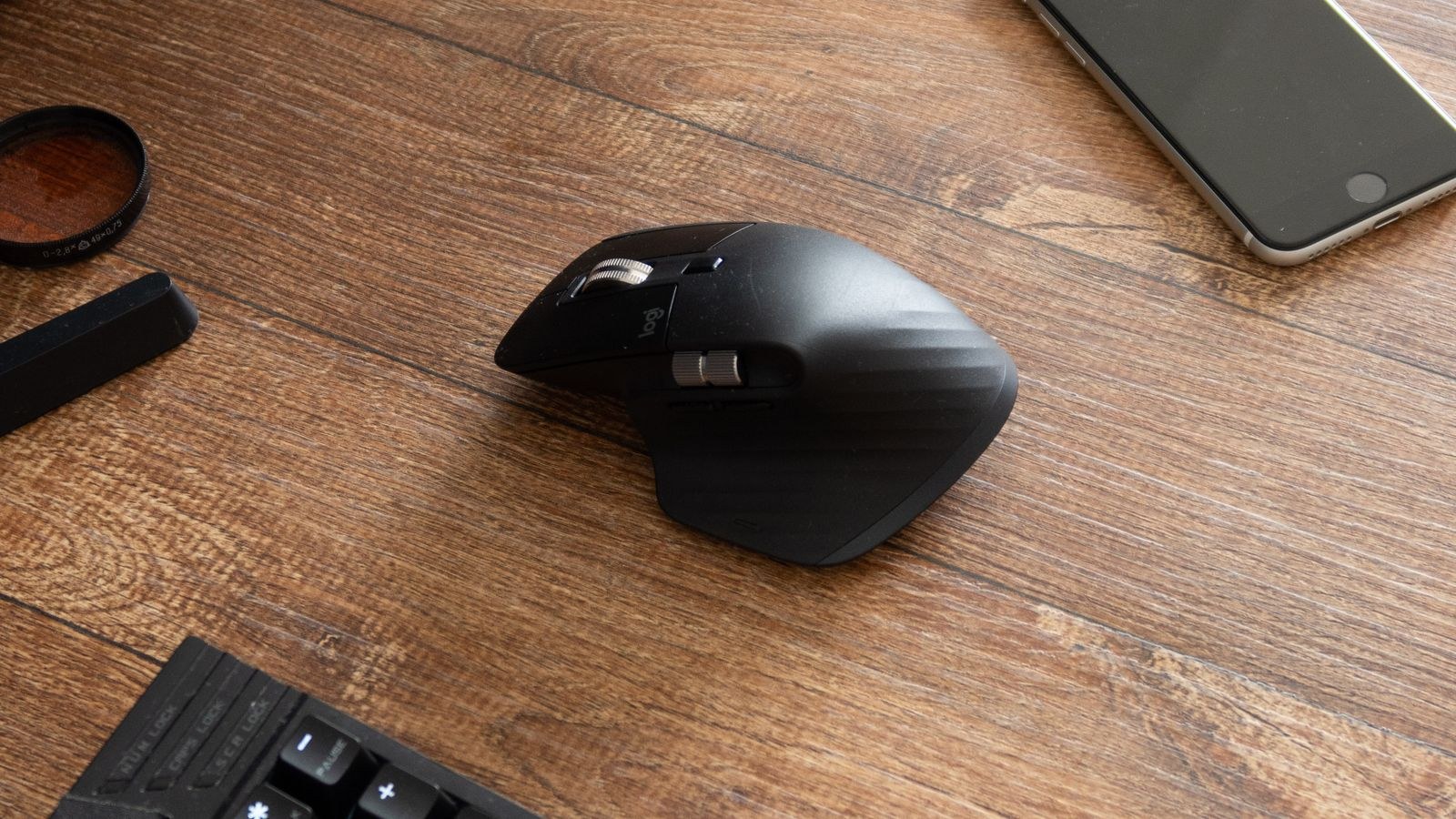
If you want a proven starting point rather than a blank slate, use this and adjust after a week:
- Front thumb button: Copy. It is the single most repeated action in office work.
- Rear thumb button: Paste. Keeping the pair adjacent builds muscle memory fastest.
- Wheel tilt left and right: Previous and next browser tab or worksheet tab.
- Wheel click: Leave as middle click. Opening links in a background tab is genuinely useful and hard to replace.
- Extra button four: Application switch, or a window snap shortcut if you run multiple monitors.
- Extra button five: Undo, or mute on your conferencing app if you spend the day in meetings.
Notice that nothing here is exotic. The productivity gain comes from frequency, not complexity. A mouse tuned for this kind of layout, as covered in our guide to the best mouse for productivity and daily office use, tends to place the thumb cluster where your hand already rests so you never reach.
Building Profiles for Heavy Multitasking
If you run several applications side by side all day, the profile system deserves more thought. Group your work into modes rather than individual apps: a communication mode covering email and chat, a document mode covering your writing and spreadsheet tools, and a browse mode. Assign one button in every profile to the same universal action, such as copy, so at least one binding never changes no matter what has focus. That consistency prevents the small hesitation that otherwise cancels out the time you saved.
Window management is the other big win. Bind a button to your operating system’s window snap or virtual desktop switch shortcut and you stop dragging windows entirely. Mice built with deeper button banks, like the ones in our list of the best mouse for multitasking across many windows, give you enough physical keys to keep each mode distinct without doubling up on modifiers.
Using Modifier Layers to Double Your Buttons
Some software supports a shift or layer button: hold it and every other button changes meaning. This effectively doubles your available commands without adding hardware. Use it sparingly. A layer that you hold with the thumb while pressing another thumb button is awkward; a layer triggered by a button under your ring finger while your thumb does the work is comfortable. Test the physical motion before committing, because a binding that requires an uncomfortable hand contortion will simply go unused.
Testing Your Assignments Safely
Never test a new macro inside a live document. Open a blank text file or scratch document and fire each button in turn, confirming it produces exactly what you expected. Watch specifically for three failure signs: nothing happens, the wrong characters appear, or the action repeats twice. Doubled output almost always means the macro recorded both the key press and the key release as separate events, which you fix by trimming the recording in the macro editor.
Once individual buttons pass, test in your real applications with a throwaway copy of a file. Applications that run with elevated permissions, such as some administration tools, may ignore mouse macros entirely for security reasons. That is expected behavior, not a broken mouse, and running the configuration software with the same elevated permission usually resolves it.
Common Mistakes to Avoid
- Programming every button on day one. Assign three or four, live with them for a week, then add more. Bindings you cannot recall are bindings you will never press.
- Choosing clever over frequent. A macro that automates a monthly report saves less total time than a copy button you press four hundred times a day.
- Ignoring conflicts. If a program already uses the shortcut you bound, you will get unexpected behavior. Check the application’s own shortcut list first.
- Forgetting the second computer. If you move between a laptop and a desktop, either save profiles onboard or install the same software in both places, or your muscle memory will fight you daily.
- Skipping macro delays. Zero delay sequences drop steps in slower applications. A 50 millisecond gap is invisible to you and decisive for reliability.
Maintaining Your Setup Over Time
Revisit your layout once a quarter. Work changes, and a button bound to a tool you no longer use is wasted real estate. Export your profile file and store it somewhere you back up, because a software update or a system rebuild can wipe local settings without warning. If you switch mice, an exported profile will not import into a different brand’s software, but your written list of top actions transfers instantly, which is another reason to keep that list from step one.
Battery behavior is worth a note on wireless models. Macros and heavy button use draw slightly more power, and some mice disable onboard profile switching when the battery drops very low. If bindings mysteriously revert to defaults, check the charge level before you reinstall anything. The mice covered in our guide to the best mouse for home office setups generally hold profiles regardless of charge, but budget models vary.
Frequently Asked Questions
Do I need the manufacturer software running all the time?
Only if your bindings are stored in software rather than onboard memory. Onboard profiles work with the software closed and even on a computer where it was never installed. Software-stored profiles need the background service running to function.
Can I program mouse buttons without any software?
Yes, using a general purpose remapping utility, though results vary by device and you lose per-application profiles unless the utility supports them. The manufacturer tool is more reliable and safer for a work machine.
Will macros get me flagged in workplace software?
Simple keystroke bindings are indistinguishable from typing and cause no issues. Long automated sequences in monitored enterprise applications may be restricted by policy, so check your employer’s rules before automating anything beyond basic shortcuts.
How many buttons is too many?
Beyond about six extra buttons, most people cannot reliably identify keys by feel alone and accuracy drops. If you need more commands than that, use per-application profiles rather than more physical buttons.
Why did my buttons stop working after an update?
Operating system or software updates occasionally reset device settings. Reopen the configuration software, confirm the correct profile is active, and reapply if needed. An exported backup file makes this a thirty second fix.
Final Thoughts
Programming extra mouse buttons is less about the software than about honest observation of your own habits. Track what you actually repeat, bind the top three or four actions to the buttons your thumb reaches without effort, then layer per-application profiles on top once the basics are automatic. Save to onboard memory, test in a scratch file rather than live work, and revisit the layout every few months as your workload shifts. Done that way, a mouse you already own quietly removes thousands of small keyboard trips from your week, and the setup takes less time than a single coffee break. If your current mouse simply lacks the keys to make this worthwhile, our comparison of the best mouse with macro buttons is the right place to start before you configure anything.