Owen Bradley
 Outdoor smart lighting has to survive two things indoor lighting never faces: weather and distance. A bulb that works flawlessly in a hallway can drop offline the moment it sits fifty feet down the garden behind a brick wall, and a fixture that looks great on a patio can fail after one hard winter if its sealing was an afterthought. This outdoor smart lighting guide covers what actually determines success outside, Wi-Fi range and mesh coverage, weather ratings, power options including solar, and the scene automation that makes the whole thing worth doing. Plan it properly and your yard will light itself correctly every night of 2026 without you touching anything.
Start With Connectivity, Not Fixtures
Indoors, almost any protocol works because the distances are short and the walls are drywall. Outdoors, the same router that covers your house comfortably often falls apart past the back door. Exterior walls, brick, stucco with metal lath, and low-E window glass all attenuate signal heavily, and every additional twenty feet of open yard costs you more.
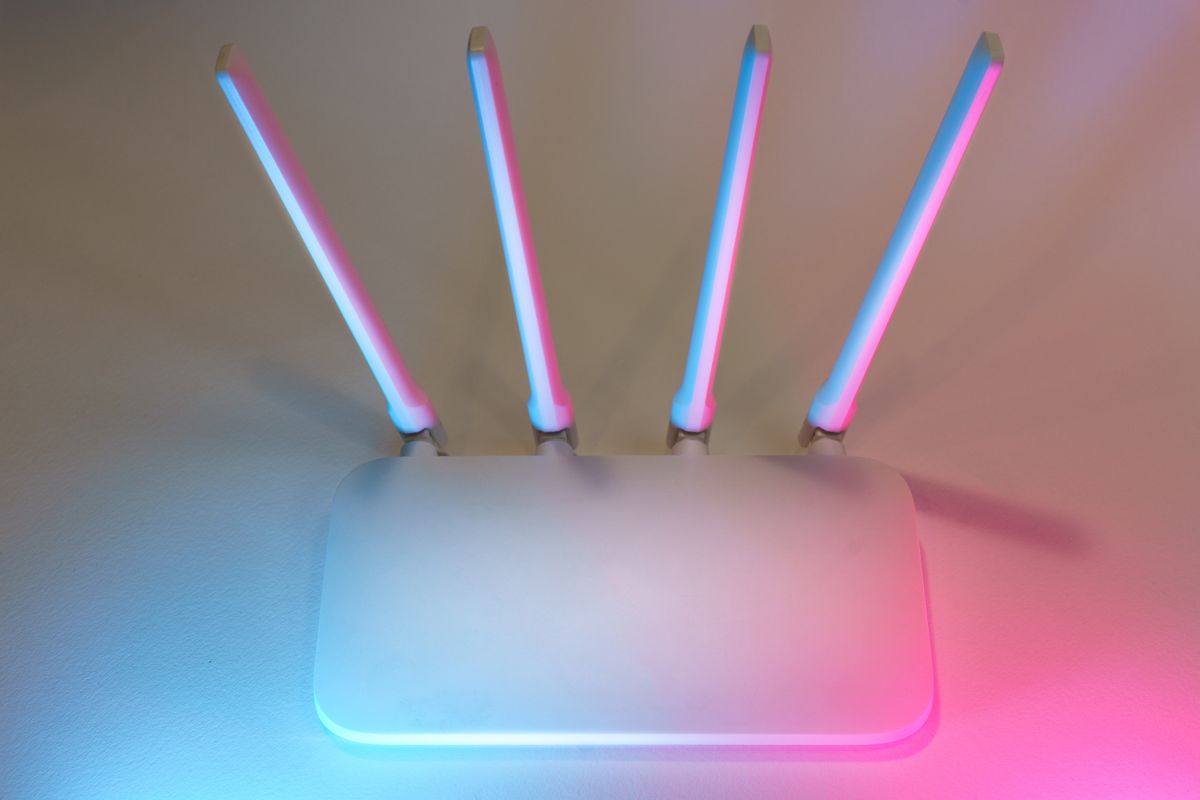
Wi-Fi is the simplest starting point because each fixture connects directly with no hub, but it is also the most range-limited and the most likely to leave you with an unresponsive light at the far fence. Note that most smart outdoor devices use the 2.4GHz band, which reaches further than 5GHz, so make sure your network broadcasts it and that devices are not being pushed onto the faster, shorter-range band.
Zigbee, Z-Wave, and Thread build a mesh, where every mains-powered device repeats the signal for its neighbors. Outdoors this is enormously valuable, because a single powered fixture halfway down the garden extends coverage to everything beyond it. If you are planning more than a few lights spread across a large yard, mesh is the more reliable architecture even though it requires a hub.
Extending Coverage Outdoors
Practical fixes come before new protocols. Move the router or add a mesh node near the wall closest to the yard. Place an outdoor-rated access point under a soffit or in a covered porch. Position at least one always-powered smart device as a relay between the house and the far end of the garden. And test signal strength at each intended fixture location with a phone before you mount anything, because relocating a fixture after wiring it is far more work than walking the yard first.
Weather Ratings and Real Durability
An IP rating tells you what a fixture resists. The first digit covers solids and the second covers water. For outdoor lighting, IP44 is a minimum for covered locations shielded from direct rain, IP65 handles full exposure to rain and dust and is the sensible default for most yards, and IP67 withstands temporary submersion, which matters for path lights sitting in beds that flood or fixtures near sprinkler heads.
US products often quote a UL wet or damp location rating instead. Damp means covered areas like porches and soffits. Wet means direct exposure. Do not install a damp-rated fixture where rain hits it directly, no matter how sheltered it looks in summer.
Ratings are only part of the story. Check the operating temperature range against your climate, since drivers and batteries both suffer in deep cold. Look at gasket quality, cable gland sealing where the wire enters, and whether the housing is aluminum, stainless, or plastic. UV exposure degrades cheap plastic lenses into yellow, brittle covers within a couple of seasons. Our list of the best outdoor smart lights weighs build quality and sealing alongside features.
Power Options: Wired, Low Voltage, and Solar
How a fixture gets power shapes everything about installation and reliability.
Line voltage wiring gives unlimited output and total reliability but requires proper burial depth, conduit, weatherproof boxes, GFCI protection, and generally an electrician. It suits floodlights, security lighting, and anything permanent.
Low voltage systems run a transformer from a household outlet and distribute low-voltage cable that can be buried shallowly without conduit in most jurisdictions. This is the standard approach for landscape and path lighting, safe to work with, easy to extend, and forgiving of layout changes.
Solar needs no wiring at all, which makes it the only realistic option for locations far from any power source. Modern solar fixtures with lithium batteries and decent panels perform far better than the disposable stake lights of a decade ago, but expectations must be realistic: output is lower, winter and heavily shaded placements underperform, and batteries degrade over a few years. Solar hybrids that accept an optional wired supply give you the best of both, running on sun most of the year with a fallback for dark months.
Bulbs Versus Fixtures Outdoors
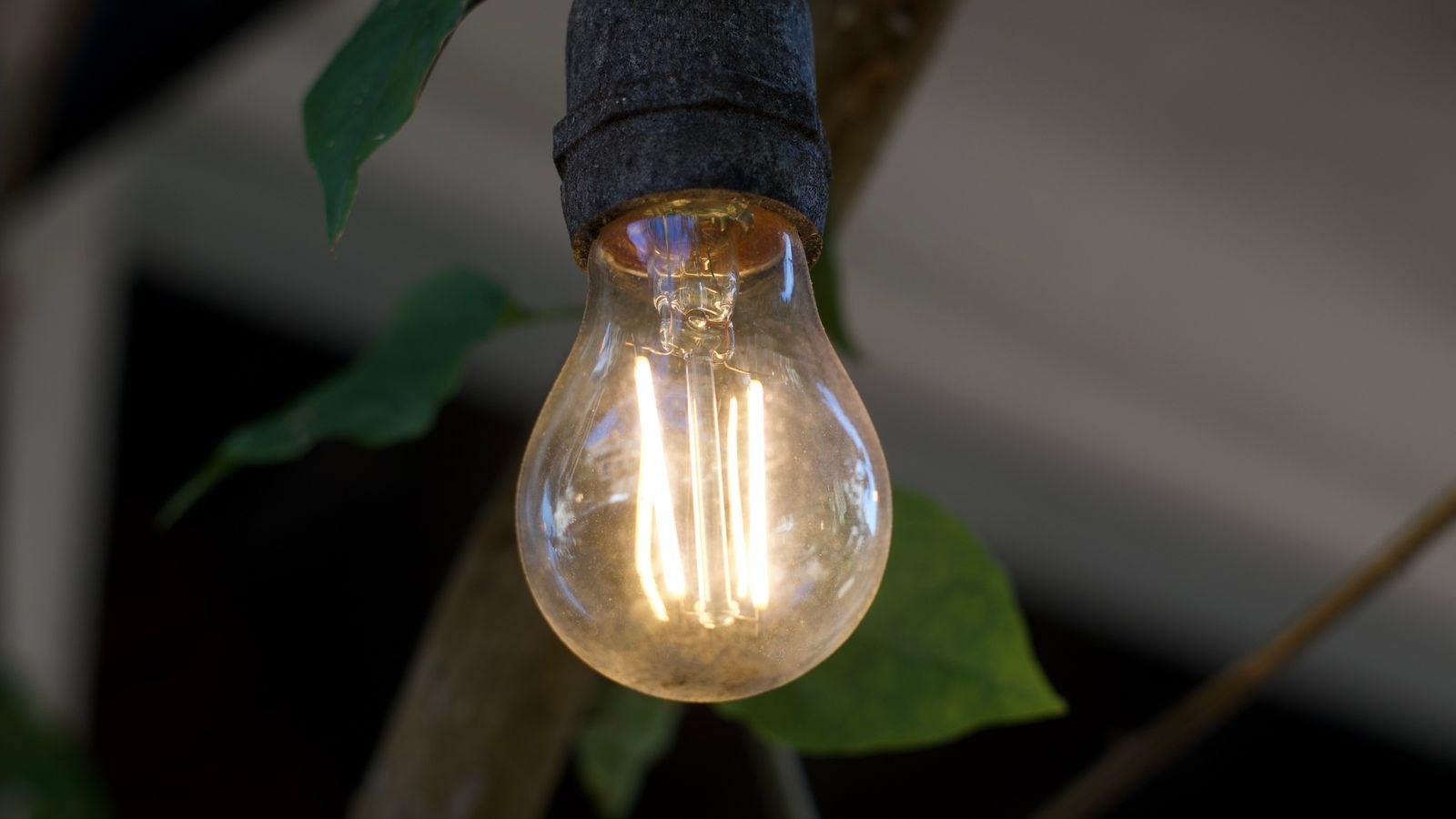
Smart bulbs in existing outdoor sockets are the cheapest way to start, and they work well in porch lanterns, covered entryways, and string light setups. Confirm the bulb itself is rated for outdoor or damp use rather than assuming the fixture protects it, and remember the same rule that applies indoors: if someone switches the circuit off at the wall, the bulb is unreachable. Our roundups of the best outdoor smart bulbs and the best outdoor smart light bulbs cover weather-rated options in standard sockets.
Layering an Outdoor Lighting Plan
Good exterior lighting uses several types working together rather than one bright source.
- Path lighting. Low fixtures spaced 6 to 8 feet apart, aimed down to mark the walkway without glaring at eye level.
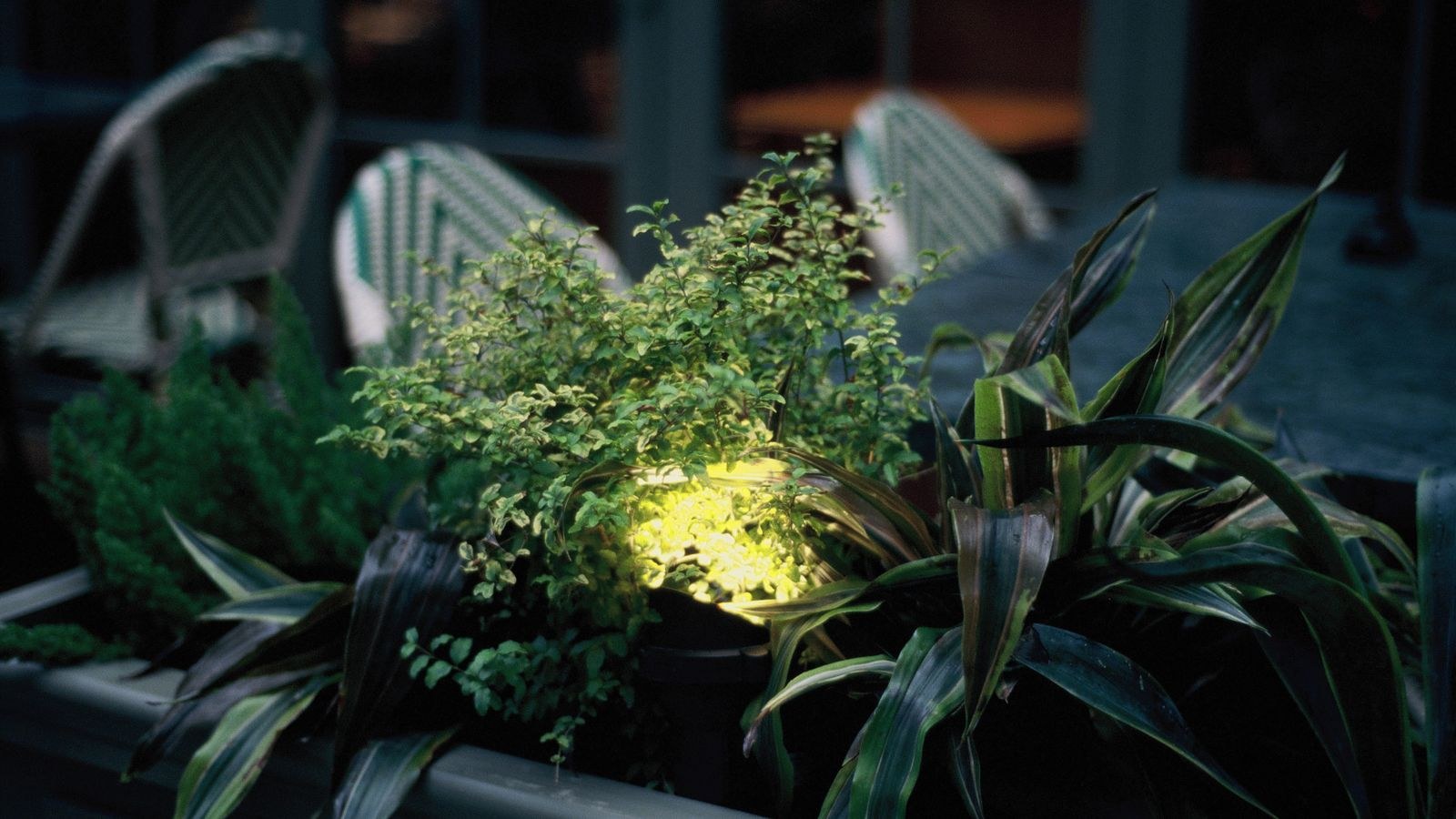
- Uplighting. Ground-mounted spots washing trees, columns, and textured walls, which creates depth and makes a yard feel larger after dark.
- Wall washing and step lights. Low-output fixtures for safety on stairs, decks, and level changes.
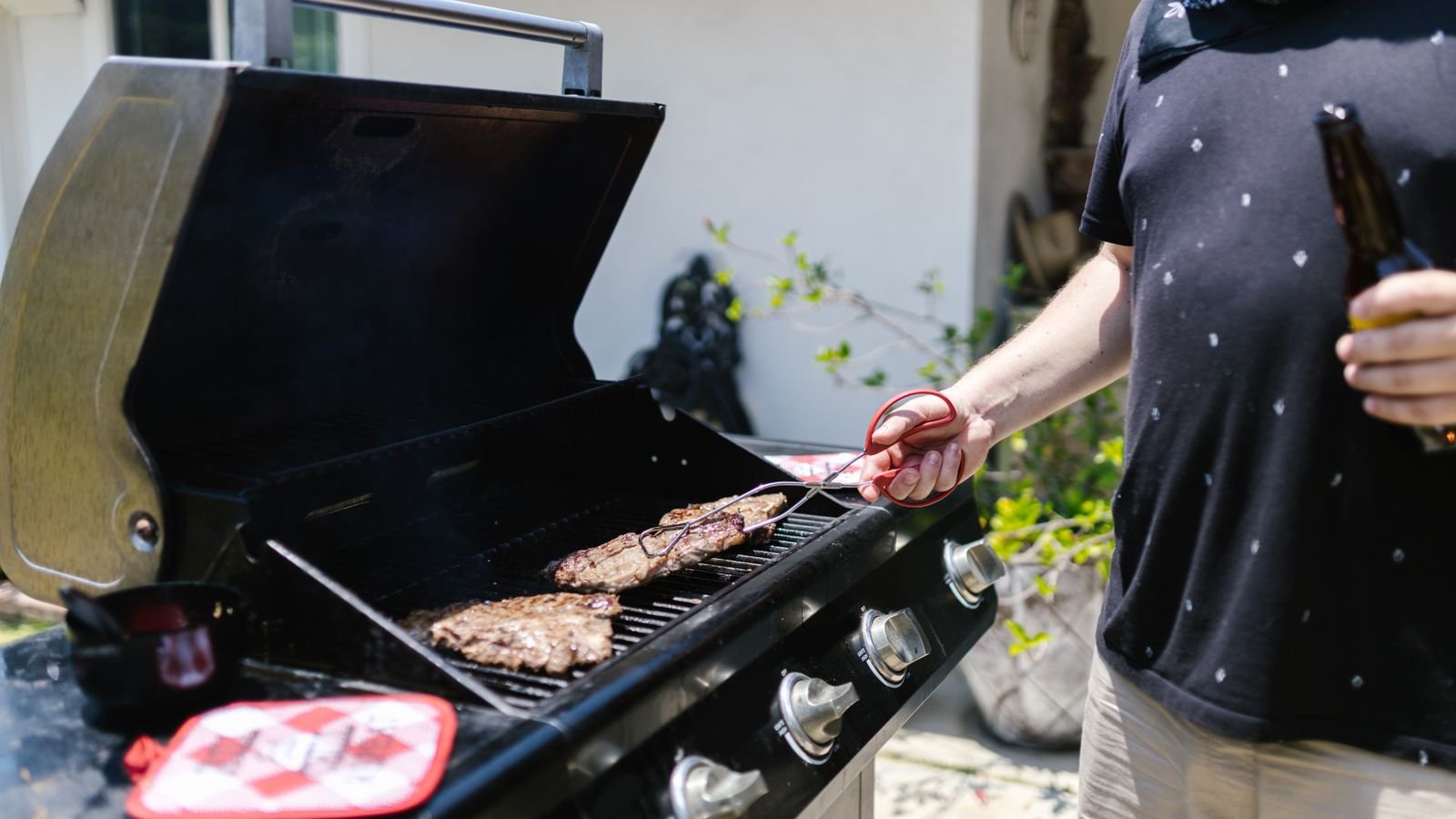
- Task lighting. Brighter, focused light over grills, outdoor kitchens, and seating areas where people actually do things.
- Ambient string lighting. Overhead catenary runs across a patio, the single most effective way to make an outdoor space feel like a room.
- Security floodlighting. High output triggered by motion rather than left on all night, so it draws attention when something changes.
For that last category, the best smart flood lights combine motion detection with app control, letting you set brightness, sensitivity, and schedules so the floodlight only wakes when it should.
Avoiding Light Pollution and Neighbor Complaints
Aim fixtures downward, use shields on anything bright, and keep output modest for ambient purposes. A well-lit yard uses many small sources rather than a few glaring ones. Warm color temperatures around 2700K look better outdoors and disturb wildlife less than cool white. Dark-sky friendly fixtures that emit no light above the horizontal are worth seeking out and increasingly required by local ordinance.
Scenes, Schedules, and Motion Automation
Automation is where outdoor smart lighting earns its cost, because nobody wants to walk the yard switching things on. Build schedules around sunset and sunrise offsets rather than clock times, so lighting stays correct through the seasons without adjustment. A typical pattern turns landscape lighting on at sunset, dims it to a low level at a set hour, and shuts it off before dawn.
Layer motion on top. Path and step lights can idle at 10 percent and jump to full when someone approaches, which is both welcoming and energy-efficient. Floodlights should stay off entirely until triggered. Away or vacation modes that vary porch and garden lighting slightly each evening look far more convincing than a rigid timer.
Scenes tie it together. A small set covering Entertaining, Dining, Late Night, and Security All On covers almost every real situation, and each should be reachable from a phone, a voice command, and ideally a physical button near the back door.
Common Outdoor Smart Lighting Mistakes
The most common failure is assuming indoor Wi-Fi reaches the yard. Test before you buy, and plan a mesh or an outdoor access point if the far corners are weak. The second is under-specifying weather protection, particularly using damp-rated fixtures in exposed positions or ignoring how water enters at cable connections rather than through the housing.
Beyond that: over-lighting the yard until it looks like a car park; mounting solar panels under tree cover and then blaming the battery; skipping GFCI protection on outdoor circuits; using clock-based schedules that drift wildly out of sync as daylight shifts through the year; and setting motion floodlights so sensitive that they fire at every cat, which trains the household to ignore them entirely.
Frequently Asked Questions
What IP rating do outdoor smart lights need?
IP65 is the sensible default for fixtures exposed to rain. IP44 suffices under a covered porch or soffit, and IP67 is worth it for ground-level fixtures in beds that pool water or sit near sprinklers.
How do I get Wi-Fi to reach my backyard?
Add a mesh node near the wall closest to the yard, or install an outdoor-rated access point under a soffit. Alternatively use a Zigbee, Z-Wave, or Thread system where each powered fixture relays the signal outward.
Are solar smart lights bright enough?
For paths, accents, and ambient use, yes. For task lighting over a grill or bright security floodlighting, a wired supply is usually necessary. Solar hybrids that accept a wired backup are a good compromise in mixed situations.
Will outdoor smart lights work in freezing weather?
Most mains-powered fixtures do, provided their stated operating range covers your climate. Battery and solar units suffer more, since cold reduces both capacity and charging efficiency, so check the low-temperature rating before buying.
Should outdoor lights run on a schedule or motion?
Both, in different roles. Ambient landscape and path lighting suits sunset-to-late-night schedules, while security floodlighting should be motion-triggered so that light coming on genuinely signals something has changed.
Final Thoughts
Outdoor smart lighting succeeds or fails on three practical decisions made before you buy a single fixture: whether your network genuinely reaches every intended location, whether the fixtures are properly rated for the exposure they will face, and how each one will be powered. Settle those, then design in layers, warm and low-glare, with paths, accents, task areas, and security handled separately. Automate around sunset offsets and motion rather than fixed times, keep a small set of scenes anyone can trigger, and your yard will look intentional after dark while asking almost nothing of you.