Owen Bradley
 A nightstand does more work per square foot than almost any other piece of bedroom furniture. It holds the lamp you reach for in the dark, the glass of water, the phone charging overnight, the book you are halfway through, and whatever else needs to be within arm’s reach of a pillow. Get the height wrong and every one of those actions becomes slightly annoying. Get the storage type wrong and the surface disappears under clutter within a week. This nightstand buying guide covers the height rule that matters most, how to choose between drawers and open shelves, whether a pair genuinely has to match, and the practical details that separate a nightstand you like from one you simply tolerate.
Height Is the One Measurement You Cannot Fudge
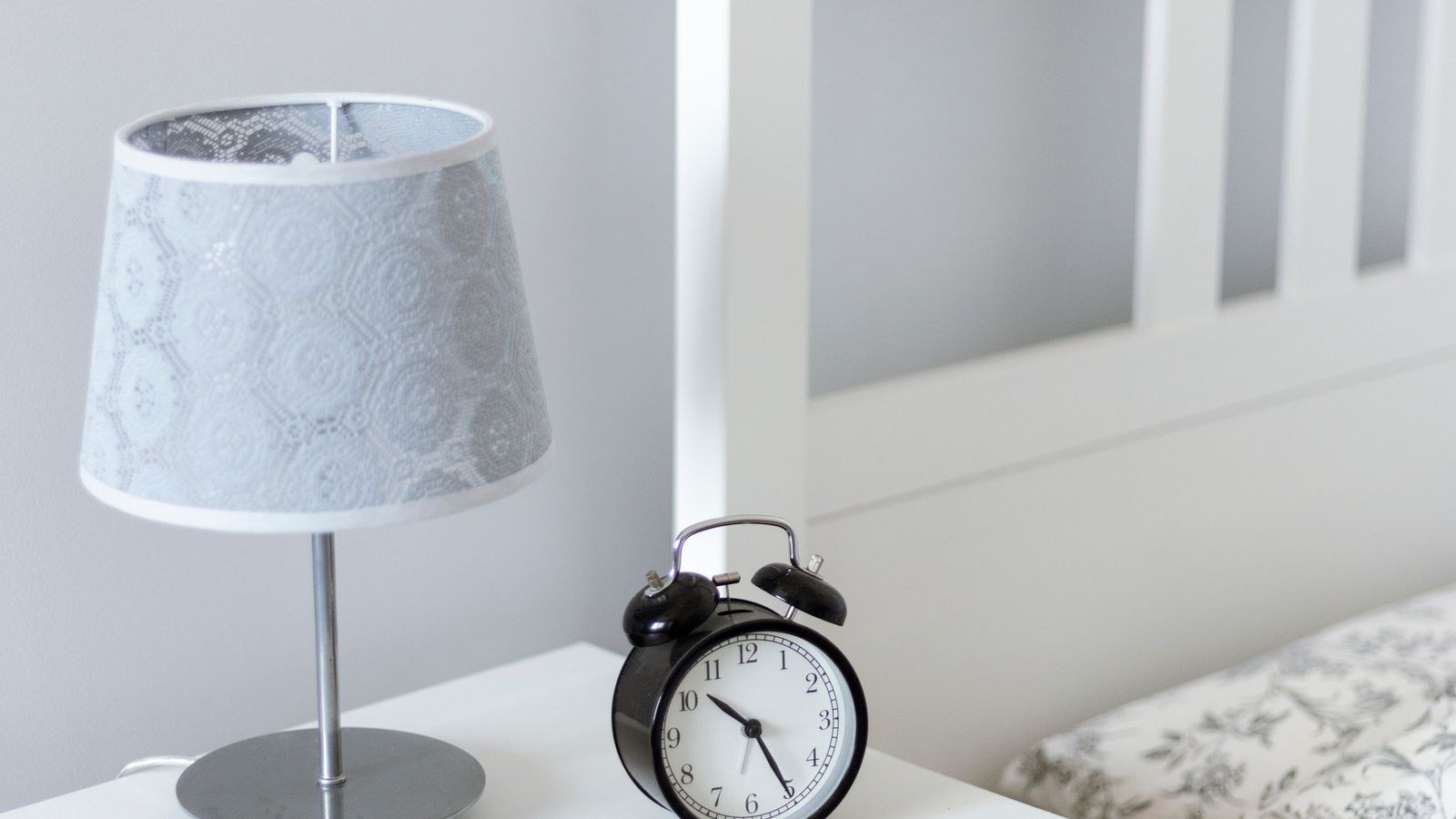
The governing rule is simple: the top of the nightstand should sit level with the top of your mattress, or within about two inches either side of it. That is the range where you can set a glass down without looking, and where a lamp throws light across the bed rather than into your eyes or onto the floor.
The complication is that mattress height varies enormously. A low platform bed with an 8-inch foam mattress might put the sleeping surface 20 inches off the floor. A traditional frame with a box spring and a 14-inch pillow-top mattress can reach 32 inches. Most nightstands are manufactured between 24 and 28 inches tall, which suits the middle of that range and leaves owners at either extreme mismatched.
Measure before you shop. Put a tape measure on the floor and read the height to the top of the mattress with the bedding on, since a thick mattress protector and comforter add real inches. Then shop within two inches of that number in either direction.
What to Do When Nothing Matches Your Bed Height
Tall beds are the harder case. Options include a tall dresser-style nightstand, a small chest of drawers used as a bedside piece, or a wall-mounted floating shelf installed at exactly the right height. Floating designs also free up floor space, which helps in a tight room.
Low platform beds are easier to solve. Look for low-profile nightstands, use a small bench or stool, or accept a nightstand slightly above mattress height, which is less disruptive than one below it. If you are still assembling the room, it is worth comparing options among the best furniture for bedroom setups so the bed and bedside pieces are chosen against each other rather than in isolation.
Width, Depth, and the Space You Actually Have
Standard nightstands run 18 to 24 inches wide and 16 to 20 inches deep. Those figures work in most rooms, but the constraint is rarely the nightstand itself; it is the gap between the bed and the wall or window.
Leave at least 2 to 3 inches between the nightstand and the bed frame so bedding does not constantly snag, and keep at least 24 inches of walking clearance on any side you use to get in and out of bed. If the room only allows 14 inches beside the bed, a narrow 14-inch table or a wall-mounted shelf is the honest answer, not a standard 20-inch unit squeezed in at an angle.
Depth matters more than width for usability. A shallow 12-inch top holds a lamp and a phone but not much else. Sixteen inches is the practical minimum for a lamp plus a book plus a glass without anything hanging off the edge.
Drawers Versus Open Shelves
This is the decision that shapes how the nightstand behaves day to day, and it comes down to what you keep beside the bed and how tolerant you are of visible clutter.
Drawers
Drawers hide everything: medication, chargers, reading glasses, eye masks, cables. They keep the top surface clear, which makes a small room read as calmer. The trade-off is cost, weight, and the fact that a drawer conceals its own contents, so it quietly accumulates items you never use. Look for smooth runners and a drawer depth of at least 4 inches to be genuinely useful.
Open Shelves
Open shelving is lighter, cheaper, and better for anything you want to see and grab quickly, such as the current book. It also makes a small nightstand feel less bulky because light passes underneath. The downside is that everything on it is on display, and dust settles on all of it.
The Practical Compromise
One drawer over one open shelf is the most versatile configuration and the reason it is so common. The drawer swallows the ugly items, the shelf holds books, and the footprint stays modest. If you only buy one nightstand type, this is the safe default.
Planning for the Lamp Before You Buy
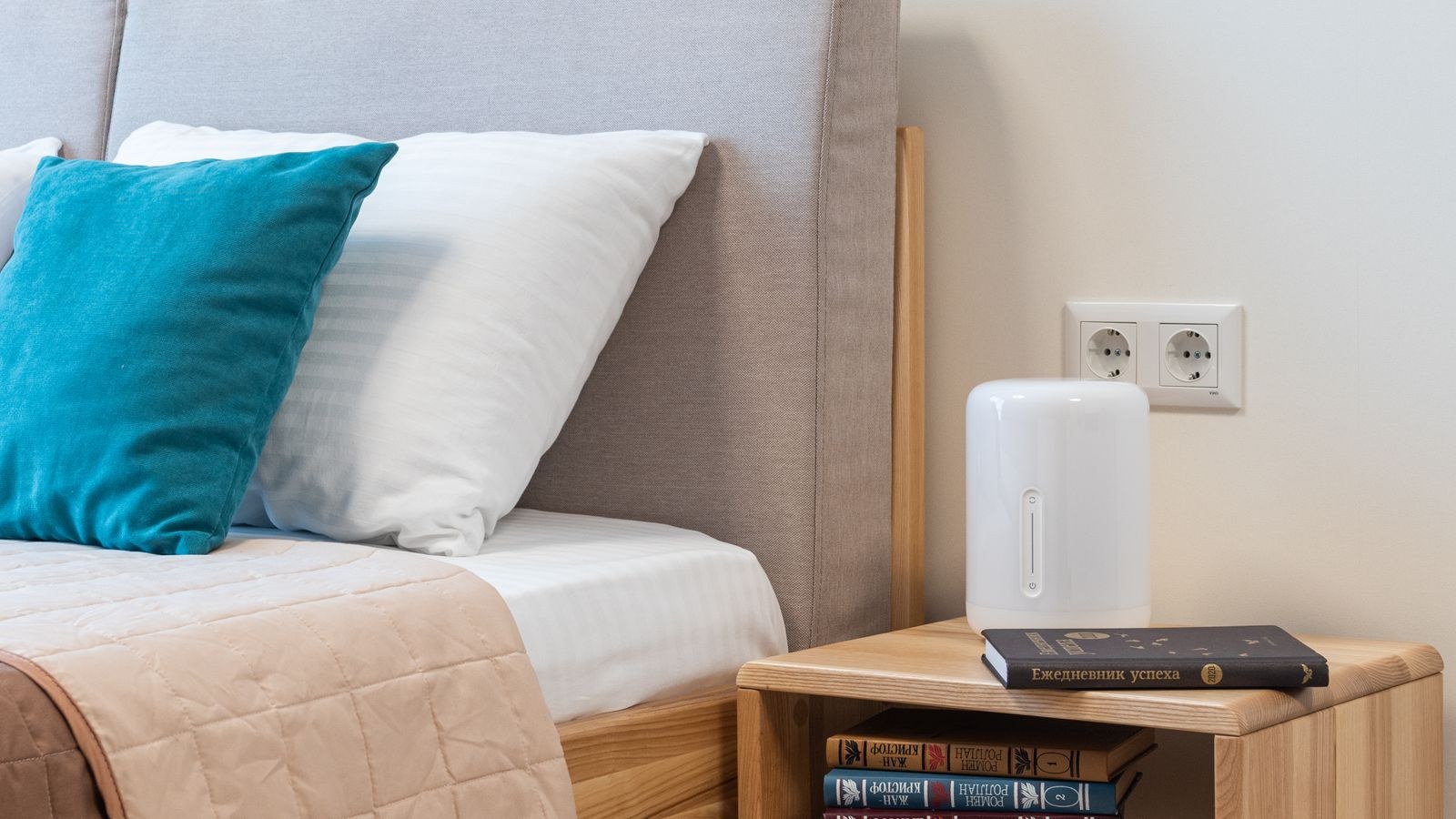
The nightstand and the lamp are a system, and buying them separately is how people end up with light in the wrong place. As a rough guide, the bottom of the lampshade should sit at roughly eye level when you are sitting up in bed, which usually means the combined nightstand and lamp height lands somewhere between 42 and 48 inches from the floor.
That means a tall nightstand needs a short lamp and a low nightstand needs a taller one. A lamp base wider than about 8 inches will dominate a narrow nightstand, so check base diameter against the top surface you are buying. When you are pairing the two, the roundups of the best bedside lamps and the more compact best bedside table lamps are useful for comparing shade heights and base footprints side by side.
Reading in Bed Changes the Requirement
If you read at night, a general ambient lamp is the wrong tool. You want directional light aimed at the page rather than spilling across the room and onto a sleeping partner. Clip lights, adjustable arm lamps, and wall-mounted swing arms all solve this while freeing surface area on the nightstand top. Comparing the best bedside reading lights is worth doing before you commit to a nightstand size, since a wall-mounted reading light can let you buy a smaller table.
Do Nightstands Have to Match?
No, and the assumption that they must is why so many bedrooms feel like showroom sets. Matched pairs deliver symmetry and calm, which suits formal or minimal rooms. But mismatched nightstands work well as long as two things hold: the heights are within an inch or two of each other, and the visual weight is roughly balanced.
Visual weight is the part people miss. A chunky solid wood chest on one side and a spindly wire table on the other will look accidental rather than deliberate. Pair a heavy piece with another heavy piece in a different material or finish, or repeat a shared element such as the same lamp on both sides, and the mismatch reads as intentional.
There is also a practical case for asymmetry. If one sleeper reads and the other charges three devices, one side may genuinely need drawers while the other needs only a surface. Buying for actual use beats buying for symmetry.
Power, Charging, and Cable Management
A nightstand bought in 2026 is a charging station whether you planned for it or not. Built-in USB ports and outlets are increasingly common and genuinely useful, but check the port types before buying, since older units still ship with slow USB-A only.
If you buy a nightstand without built-in power, plan the cable route. A small hole drilled in the back panel, a cable clip on a leg, or a shallow drawer used as a charging tray all beat cables draped over the front edge. Also check that the nightstand does not sit directly over the room’s only accessible outlet, which is a surprisingly common planning error.
Materials and Build Quality Worth Paying For
Nightstands take light loads but heavy handling: drawers yanked open in the dark, elbows leaned on the top, water glasses set down carelessly. A few construction details predict whether one lasts.
- Drawer runners. Metal ball-bearing slides outlast wood-on-wood by years and stay quiet.
- Top surface finish. A sealed or laminated top survives water rings; raw or oiled wood does not without coasters.
- Back panel. A full back panel adds rigidity; a thin stapled hardboard back is a sign of budget construction.
- Leg attachment. Bolted or dowelled legs stay tight; legs held by screws into particleboard loosen over time.
- Weight. A very light nightstand tips forward when a full drawer is opened. Check stability with the top drawer extended.
Common Nightstand Buying Mistakes
- Ignoring mattress height. The single most common error and the hardest to live with afterward.
- Buying too shallow. A 12-inch top cannot hold a lamp, a book, and a glass at once.
- Choosing before the lamp. Lamp height and base width should influence the nightstand, not the other way around.
- Blocking the outlet. Check what is on the wall behind the intended position.
- Forcing symmetry in a room that does not have it. If one side is a window and the other is a wall, two identical units may not fit.
- Overbuying storage. Three deep drawers beside a bed usually become a junk archive, not useful storage.
Frequently Asked Questions
How tall should a nightstand be?
Level with the top of your mattress, or within two inches above or below it. Measure with the bedding in place, since a thick mattress topper and duvet can add several inches to the effective height.
Should both nightstands match?
They do not have to. Keep the heights within an inch or two and balance the visual weight of the two pieces, and a deliberate mismatch looks considered rather than accidental.
How much space should be between the bed and the nightstand?
About 2 to 3 inches. That gap stops bedding from catching on the corner while keeping everything on the surface within easy reach from the pillow.
Are drawers better than open shelves?
Drawers are better if you want a clear surface and keep small items like medication and chargers bedside. Open shelves are better for books and for making a small nightstand feel lighter. One drawer over one shelf covers both needs.
What if there is no room for a nightstand at all?
Use a wall-mounted floating shelf set at mattress height, or a wall-mounted reading light plus a narrow ledge. Both remove the floor footprint entirely while keeping bedside function. Layered best bedside lighting options make this workable even without a surface for a lamp.
Final Thoughts
Buy the nightstand in this order and it is hard to get wrong: measure the mattress height with bedding on, check the actual gap beside the bed, decide whether your bedside habits call for drawers or open shelving, then choose a lamp that puts light at eye level when sitting up. Verify the depth is at least 16 inches, confirm drawer runners and stability, and plan where the charging cable will run. Do not let a desire for a matched pair override what each side of the bed actually needs. Handled that way, the nightstand you choose in 2026 will still feel right years later, because it was sized to your bed and your routine rather than to a catalogue photograph.