Owen Bradley
 Noise is the most underrated problem in a home office. It rarely feels dramatic, but a room with hard walls, a bare floor, and a hollow door turns every call into a slightly harder version of itself, and after a few hours the fatigue is real. The good news is that most of the fix has nothing to do with construction. You can build a noticeably quieter home office using soft surfaces, a handful of targeted treatments, better door sealing, and smarter equipment choices, all without touching a stud or asking a landlord for permission. This guide walks through the whole process in order of impact.
Understand the Two Problems You Are Solving
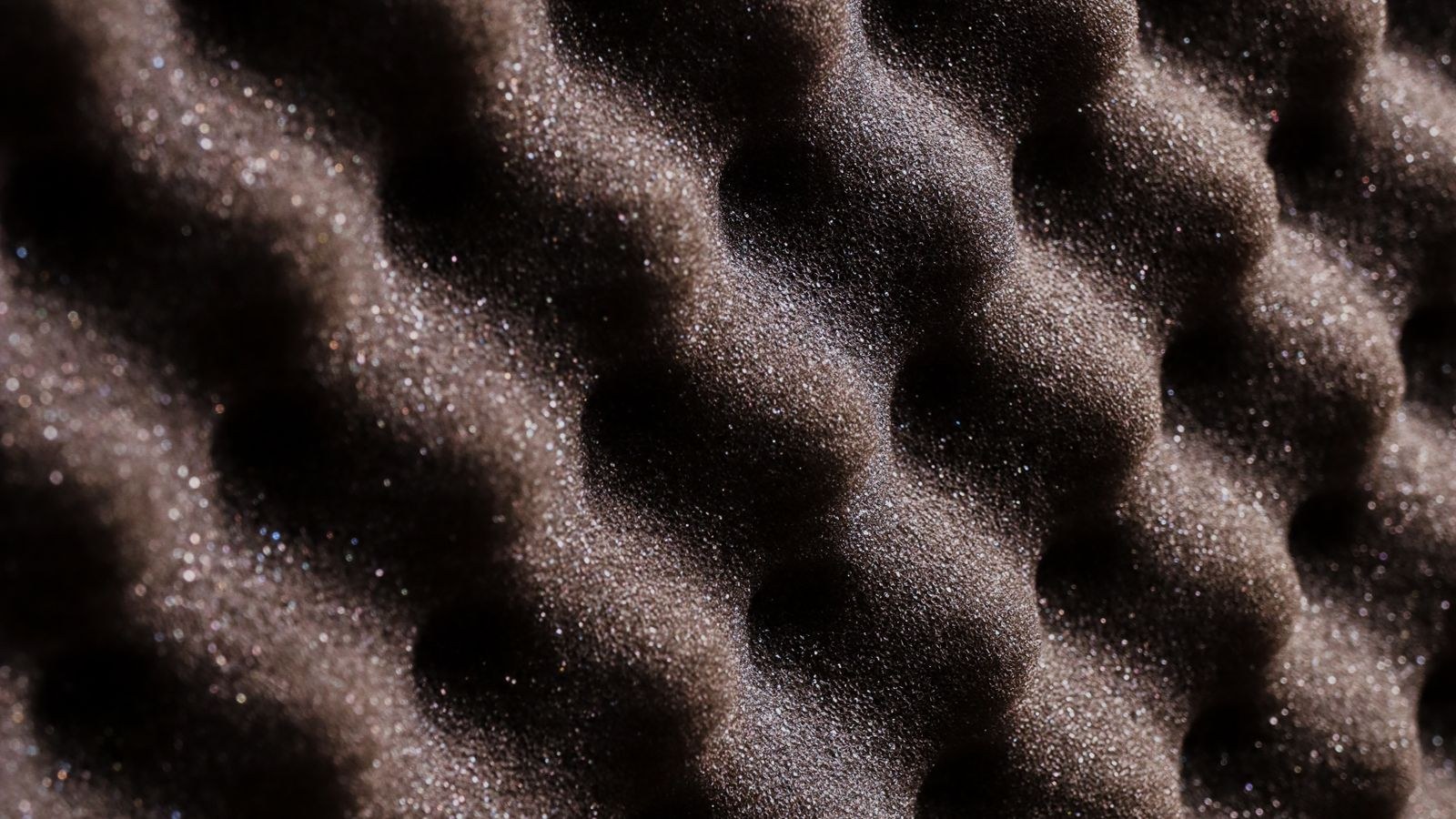
Room noise splits into two categories that need different fixes, and mixing them up is why most attempts disappoint. Echo and reverberation happen inside the room when sound bounces off hard parallel surfaces. This is what makes your voice sound thin and distant on calls, and it is cheap and easy to fix with soft material. Sound transmission is noise passing in or out through walls, doors, floors, and windows. This is what lets you hear a lawnmower or a household member, and it is genuinely difficult to fix without mass and sealing.
Foam panels help enormously with the first and almost nothing with the second. If your complaint is “I sound bad on calls,” treat echo. If it is “I can hear everything outside,” focus on sealing gaps and adding mass at the door and window. Most home offices need some of both, weighted toward echo control.
What You Need
- A rug with a dense pad, ideally covering at least half the floor area.
- Acoustic panels or heavy fabric for the first reflection points, usually 4 to 8 panels for a typical room.
- An adhesive door sweep and self-adhesive foam or rubber weatherstripping for the door frame.
- Heavy curtains, ideally with a dense liner, plus a rod mounted wide of the window.
- Felt pads for chair and desk feet, and a chair mat if you have hard floors.
- A phone with a sound meter app for rough before-and-after readings.
Step-by-Step: Quieting the Room
- Measure and record a baseline. Use a sound meter app to note the ambient level at your desk during a typical work hour, then record a short voice memo. The recording matters more than the number, because echo is what you will hear improve first. Keep both for comparison.
- Put soft material on the floor first. The floor is the largest untreated surface in most rooms and the cheapest to fix. A rug with a dense pad underneath does more for call clarity than any single panel, and it also stops chair rolling noise and footstep transmission to rooms below.
- Treat the first reflection points. Sit at your desk and have someone slide a mirror along each side wall. Wherever you can see your own mouth position in the mirror, sound is bouncing directly to your microphone. Mount a panel or a heavy fabric hanging at each of those spots, plus one on the wall behind you.
- Break up the wall directly in front of you. The wall your desk faces reflects your voice straight back. A panel, a bookshelf filled with irregularly sized books, or even a thick tapestry all work. Full bookshelves are underrated here because they both absorb and scatter sound.
- Seal the door. Gaps carry far more sound than the door slab itself. Fit an adhesive sweep along the bottom and weatherstripping around the frame so the door closes against a soft seal on all four edges. This is usually the single most effective transmission fix available to a renter.
- Add mass at the door if noise still leaks. Hollow-core doors are essentially drums. A heavy blanket or a purpose-made door curtain hung on the office side adds mass and covers the frame perimeter at once. A solid-core replacement door is the permanent fix if you own the space.
- Hang heavy curtains over the window. Mount the rod several inches above the frame and wide enough that the fabric overlaps the wall on both sides, then let the curtain reach the floor. The overlap and length matter more than the fabric weight, because a curtain that only covers the glass leaves an open air path around its edges.
- Fill the vertical corners. Corners accumulate low-frequency energy that makes rooms sound boomy. A tall bookshelf, a stack of storage bins, or dedicated corner absorption in two corners noticeably tightens the sound of your voice.
- Quiet the mechanical noise you control. Move a desktop tower off the floor and away from a corner, replace a loud fan, put felt pads under anything that vibrates against the desk, and check that a printer or external drive is not humming continuously in the background.
- Re-measure and iterate. Record the same voice memo and compare. If the room still sounds hollow, add absorption on the ceiling above your desk, which is the last large parallel surface most people ignore.
Choosing Quieter Furniture and Gear
Equipment contributes more noise than people expect. A chair with dry gas lift or hard casters creaks and rumbles through every small movement, and on a call that translates into constant low-level distraction for everyone listening. Our roundup of the best quiet chairs covers models that stay silent under motion, and the best quiet desks list focuses on frames, especially sit-stand models, that do not rattle or whine during height changes.
The microphone is the other half of the equation. Even a well-treated room benefits from a headset with a boom mic positioned close to your mouth, because proximity does what no amount of panels can: it raises your voice relative to everything else in the room. Comparing options in the best headsets for home office roundup is usually a better use of budget than another few panels once you have covered the reflection points.
Planning a Quiet Setup From Scratch
If you are building the office rather than fixing one, you can design most of the noise out. Choose a room away from the street and shared walls, avoid placing the desk directly against a wall shared with a living area, and pick furniture with soft or upholstered mass rather than bare hard surfaces. Our roundup of the best desks for home office use covers surfaces that are stable and quiet under load, and the broader home office setup guide covering desk, chair, router, and lighting walks through how the pieces fit together before you commit to a layout.
Safety and Practical Cautions
Never block ventilation in the pursuit of quiet. Sealing a door fully is fine for a room with its own supply and return air, but if the office relies on airflow under the door, leave a controlled path or the room will get stuffy and uncomfortably warm. Comfort matters more to your workday than the last few decibels.
Do not cover smoke detectors, vents, or electrical outlets with panels or fabric. Keep heavy curtains and blankets clear of heaters and radiators. When mounting panels, use appropriate anchors for the wall type, since a panel that falls onto a desk is a much bigger problem than the echo it was solving. If you rent, favor removable mounting such as command-style strips or a freestanding frame over anything that leaves large holes.
Troubleshooting
You added panels but still sound echoey. The panels are probably in the wrong places or too few. Redo the mirror test, prioritize the wall in front of you and the two side reflection points, and add floor coverage if the room is still bare underfoot.
You can still hear people in the next room. That is transmission, not echo, and panels will not help. Focus on door sealing, then door mass, then any shared-wall outlets or gaps around pipework, which are common leak paths.
The room now sounds dead and unpleasant. Over-absorption is possible in small rooms. Remove a panel or two and replace with a diffusing surface such as a bookshelf, which scatters sound rather than swallowing it.
Callers hear a hum or rumble. Check for a desktop tower fan, a nearby refrigerator, or HVAC noise reaching the mic. Move the microphone closer to your mouth and the source further away before adding any treatment.
Mistakes to Avoid
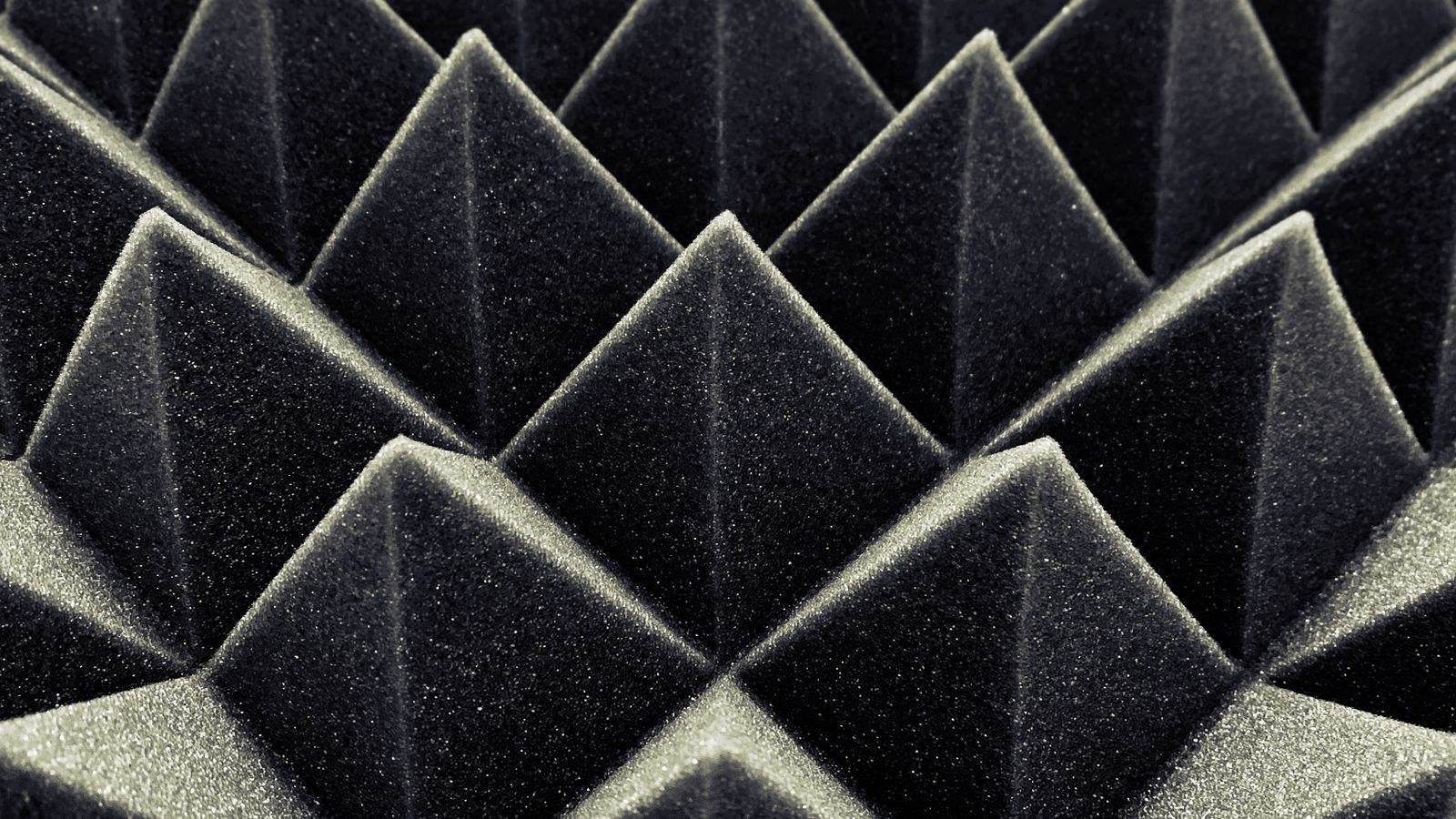
- Buying thin foam and expecting soundproofing. Foam controls echo; it does not block noise between rooms.
- Skipping the floor. It is the largest hard surface in most offices and the cheapest to treat.
- Sealing the door but ignoring the window. Outside noise usually enters through glass and frame gaps.
- Mounting curtains only as wide as the glass. Sound flows around the edges, so overlap the wall generously.
- Ignoring the microphone. Close-mic placement often beats another round of room treatment.
Frequently Asked Questions
How many acoustic panels do I need?
For a typical spare-bedroom office, 4 to 8 panels placed at reflection points is usually enough to remove the hollow sound from calls. Coverage placement matters far more than total count.
Will a rug really make a difference?
Yes, often more than the first few panels. A large rug with a dense pad removes the single biggest reflective surface in the room and reduces impact noise travelling to the floor below.
Can I quiet a room without drilling any holes?
Absolutely. Rugs, heavy curtains on a tension rod, freestanding bookshelves, adhesive door seals, and blankets on a curtain rod cover nearly every technique here without permanent fixings.
Does soundproofing paint work?
Not meaningfully. Blocking transmission requires mass and airtight sealing, and a paint layer adds almost none of either. Spend the money on door sealing and a rug instead.
Final Thoughts
A quieter home office is mostly a matter of sequence. Cover the floor, treat the reflection points around your seated position, seal the door properly, hang generous curtains, and then choose a chair, desk, and headset that do not add noise of their own. Each step is reversible, none requires renovation, and the cumulative effect on how you sound and how tired you feel by evening is far larger than any single change suggests. Start with the floor and the door, measure as you go, and stop when the room sounds natural rather than chasing silence you do not need.