Owen Bradley
 For most of the last century, buying a light bulb meant picking a number: 40, 60, 75, or 100. Those numbers were watts, a measure of electricity consumed, and they worked as a rough brightness guide only because every incandescent bulb converted power to light with the same dismal inefficiency. LEDs broke that shortcut permanently. A modern bulb can produce the light of an old 100-watt globe while drawing under 15 watts, so shopping by wattage now tells you almost nothing about how bright a room will be. The measurement that matters is lumens. This guide explains lumens vs watts in plain English, gives you a conversion chart you can shop from, and sets realistic brightness targets for every room in the house so you stop guessing in 2026.
What Lumens Actually Measure
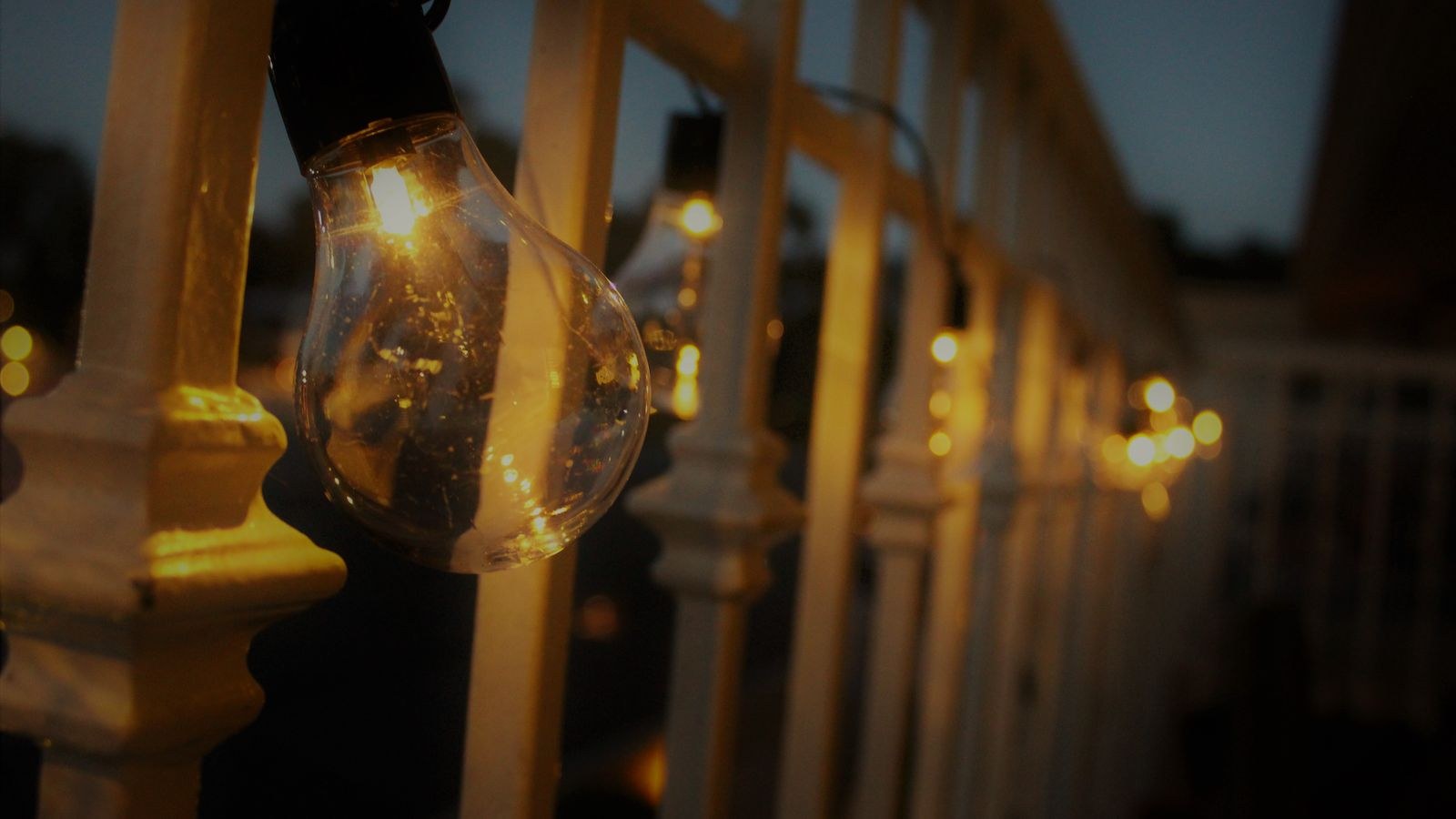
A lumen is a unit of luminous flux: the total amount of visible light a source emits in all directions. Higher lumens means more light, full stop, regardless of the technology producing it. A 800-lumen LED, a 800-lumen compact fluorescent, and a 800-lumen incandescent all put out the same quantity of light. They differ enormously in how much electricity they burn to do it, how warm they get, and how long they last, but the brightness is the same.
Because lumens describe output rather than input, they are the only fair comparison across bulb types. Every bulb sold with a lighting facts label lists lumens prominently, usually on the front of the package. Train yourself to look for that figure first and treat everything else as secondary.
What Watts Actually Measure
A watt is a unit of power consumption. It tells you how much electricity the bulb draws while running, which determines your running cost, not your brightness. Watts became a brightness proxy purely by historical accident: for decades there was only one common bulb technology, so more power reliably meant more light. That link is broken now, and holding onto it is why people end up with rooms that feel dim or unbearably harsh.
Watts still matter, just for a different question. They tell you what a fixture can safely handle, what your electricity bill will look like, and how much heat the bulb generates. A fixture rated for a maximum of 60 watts can accept an LED drawing 9 watts that produces the light of a 60-watt incandescent, which is precisely why LEDs let you brighten old fixtures safely.
The Conversion Chart You Actually Need
If you grew up thinking in watts, this table translates the old habit into the new measurement. These are the standard equivalences used across the industry for general-purpose bulbs.
- 25W incandescent is roughly 250 lumens, typical LED draw around 3 watts.
- 40W incandescent is roughly 450 lumens, typical LED draw around 5 watts.
- 60W incandescent is roughly 800 lumens, typical LED draw around 9 watts.
- 75W incandescent is roughly 1100 lumens, typical LED draw around 12 watts.
- 100W incandescent is roughly 1600 lumens, typical LED draw around 15 watts.
- 150W incandescent is roughly 2600 lumens, typical LED draw around 25 watts.
The pattern worth memorising is that 800 lumens replaces the classic 60-watt bulb, which covers the majority of household sockets. From there, 1600 lumens is a genuinely bright general bulb and anything above 2500 lumens belongs in a garage, workshop, or high ceiling rather than a bedside lamp. If you want the brightest options that still fit standard fixtures, our roundup of the best bright light bulbs compares high-output models by both lumens and beam behaviour.
Efficacy: Lumens Per Watt
Divide lumens by watts and you get efficacy, expressed as lumens per watt. This single number tells you how efficiently a bulb converts electricity into light, and it is the cleanest way to compare two products that claim similar brightness.
Old incandescent bulbs managed roughly 12 to 17 lumens per watt, wasting the overwhelming majority of their energy as heat. Halogens improved marginally to around 20. Compact fluorescents reached 50 to 70. Modern household LEDs commonly deliver 80 to 100 lumens per watt, and the most efficient models exceed 130. That is why the same brightness now costs a fraction of the electricity.
When comparing two LEDs, higher efficacy generally signals better internal components and less waste heat, which also correlates with longer life since heat is the primary killer of LED bulbs. Our comparison of the best energy efficient light bulbs ranks options by lumens per watt rather than headline brightness alone.
Working Out Running Cost
The maths is simple. Multiply the wattage by hours used, divide by 1000 to get kilowatt-hours, then multiply by your electricity rate. A 9-watt LED running four hours a day for a year uses about 13 kilowatt-hours. The 60-watt incandescent it replaced would use about 88. Across a dozen fixtures, the difference is substantial without any change in how bright your home feels.
How Many Lumens Does Each Room Need?
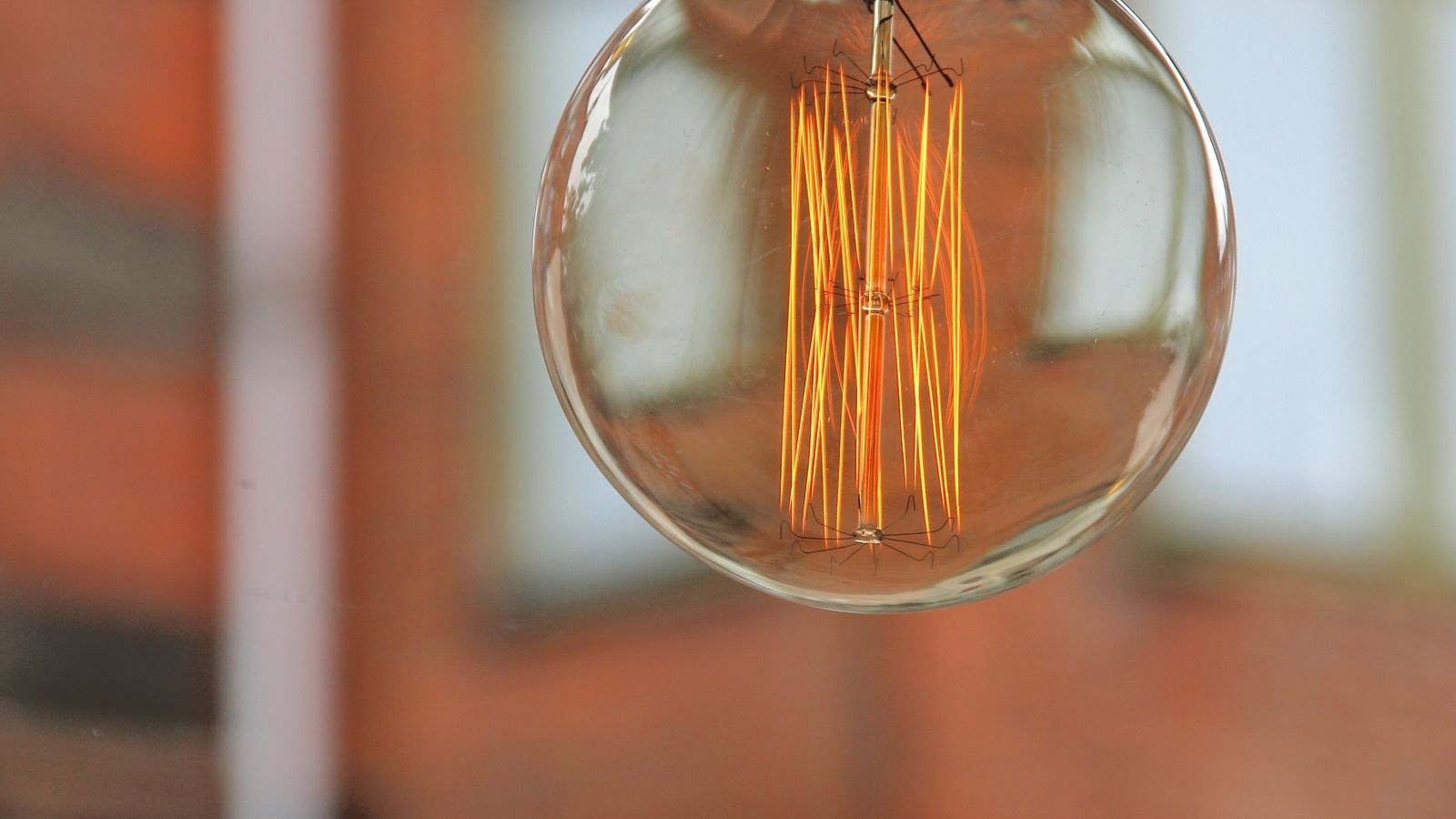
Total room brightness is usually discussed in lux, which is lumens spread over a square metre. Rather than wrestle with that, use a practical shortcut: multiply the room area in square feet by a lumens-per-square-foot target appropriate to the activity, then divide the total across your fixtures.
- Living room: about 10 to 20 lumens per square foot. A 200 square foot lounge wants roughly 2,000 to 4,000 lumens in total, layered rather than from one ceiling fitting.
- Kitchen general lighting: about 30 to 40 lumens per square foot, with counters and prep zones pushing toward 70 to 80.
- Bathroom: about 70 to 80 lumens per square foot around the mirror, considerably less for the rest of the space.
- Bedroom: about 10 to 20 lumens per square foot, deliberately low, with brighter task lighting for reading.
- Home office: about 60 to 80 lumens per square foot at the desk surface to reduce eye strain.
- Garage or workshop: about 50 to 80 lumens per square foot, higher over benches and vehicle bays.
- Hallways and stairs: about 5 to 10 lumens per square foot, enough for safe movement without glare.
Treat these as starting points, not rules. Ceiling height, wall colour, and natural light all shift the requirement. A room with dark walls and a high ceiling can swallow a third more light than a pale, low-ceilinged space of identical floor area.
Layer Instead of Blasting
Hitting a lumen target with a single overhead fixture produces flat, unflattering light and harsh shadows. Splitting the same total across a ceiling fitting, a couple of lamps, and some directional task lighting produces a room that feels brighter and more comfortable at the same or lower total output. Dimmers extend this further, letting one set of bulbs serve both bright tasks and relaxed evenings.
Colour Temperature Is Not Brightness
People routinely confuse colour temperature with brightness because cooler light appears more intense. Measured in kelvin, it describes the tone of the light rather than the quantity. Around 2700K gives the warm yellow familiar from old incandescents, 3000K is a slightly crisper warm white, 4000K reads as neutral, and 5000K and above looks like cool daylight.
Two bulbs at the same 800 lumens will feel very different at 2700K and 5000K, but a light meter records identical output. Choose kelvin for mood and task, then choose lumens for quantity. Warm tones suit bedrooms and living rooms, neutral suits kitchens and bathrooms, and cooler daylight suits workshops, garages, and detailed close work.
Beam Angle Changes Perceived Brightness
Lumens describe total output, not where that light goes. A standard bulb spreads light nearly all around, while a reflector or spotlight concentrates the same lumens into a narrow cone. The narrow beam looks far brighter on the surface it hits and leaves everything else darker.
This matters when replacing recessed downlights or track lighting. Swapping a 40-degree spot for a 120-degree flood at identical lumens will make the whole room feel more evenly lit but the countertop beneath noticeably dimmer. Check beam angle alongside lumens whenever the fixture is directional, and expect to need more total lumens in a room lit entirely by narrow spots.
Reading a Lighting Facts Label
Every packaged bulb carries a standardised label, and five figures do all the work. Brightness in lumens is the headline. Estimated yearly cost gives a rough running expense at an assumed rate. Life states expected hours, often 15,000 to 25,000 for household LEDs. Light appearance is the kelvin rating on a warm-to-cool scale. Energy used is the actual wattage.
Anything printed elsewhere on the box in large type, particularly a bold “60W equivalent” claim, is marketing shorthand derived from the lumen figure. Verify it against the actual lumens, because equivalence claims are not always applied consistently between brands. For a broad overview of quality LED options across brightness levels, our list of the best LED light bulbs is organised around verified output rather than equivalence marketing.
Common Mistakes When Switching From Watts
The first mistake is a straight wattage swap: buying a 60-watt LED because the old bulb was 60 watts. That produces roughly 5000 lumens, which in a bedside lamp is blinding. Always convert through the chart rather than matching the number.
The second is over-lighting a room by treating brighter as automatically better. Excess light causes glare, eye fatigue, and an interrogation-room atmosphere in living spaces. The third is ignoring the fixture’s rated maximum wattage, which still applies for heat and safety reasons even though LEDs rarely approach it. The fourth is mixing colour temperatures within one room, which reads as a fault even when the brightness is perfect. Our guide covering the best watts for light bulbs works through fixture ratings and how much headroom to leave.
Frequently Asked Questions
How many lumens is a 60-watt bulb?
About 800 lumens. That figure covers most general household sockets, from table lamps to ceiling fittings, and is the single most useful conversion to remember when shopping.
Are more lumens always better?
No. Beyond the target for a given room and task, extra lumens create glare and discomfort rather than better visibility. Match the total output to the activity, then use dimmers if you want flexibility between bright and relaxed settings.
Do LED bulbs lose brightness over time?
Yes, gradually. Quality bulbs are typically rated to retain about 70 percent of their initial output at the end of their stated life. Cheaper bulbs and those trapped in poorly ventilated enclosed fixtures dim considerably faster because of heat.
Can I put a high-lumen LED in an old fixture?
Usually yes, because the LED’s actual wattage is far below the fixture’s rating. Check that the bulb physically fits, that it is marked as suitable for enclosed fixtures if the housing is sealed, and that any dimmer in the circuit is LED-compatible.
Why do two bulbs with the same lumens look different?
Colour temperature, colour rendering quality, and beam angle all change how light is perceived. A narrow cool-white beam looks dramatically brighter than a wide warm-white spread at identical lumen output.
Final Thoughts
The switch from watts to lumens is really a switch from measuring what a bulb consumes to measuring what it delivers. Once you internalise a handful of anchors, particularly that 800 lumens replaces the old 60-watt standard, shopping becomes straightforward. Work out the total lumens a room needs from its area and its purpose, split that total across layered fixtures rather than one glaring source, pick a colour temperature that fits the mood, then check beam angle if the fitting is directional. Use wattage only for running cost and fixture safety limits. Approach lighting that way and every room in 2026 will be lit deliberately rather than by whatever number happened to be printed on the last box.