Owen Bradley
 Most living rooms are lit by exactly one thing: a fixture in the middle of the ceiling. That single source flattens the room, throws harsh shadows under everyone’s eyes, leaves the corners dim, and gives you precisely one mood — on. Layered lighting fixes all of it. The principle is simple and comes straight from professional lighting design: build the room from three distinct layers of light, each with a different job, each on its own control. This guide explains what ambient, task and accent lighting actually do, how to combine them in a real living room, and how to specify bulbs, fixtures and controls so the result feels designed rather than assembled.

The Three Layers Explained
Ambient Light
The base layer — general illumination that lets you move safely through the room and see it as a whole. It comes from ceiling fixtures, recessed downlights, a chandelier, wall sconces washing upward, or light bounced off the ceiling from a torchiere. Good ambient light is even and soft, with no single dominant source. This is the layer most homes have and the layer most homes over-rely on.
Task Light
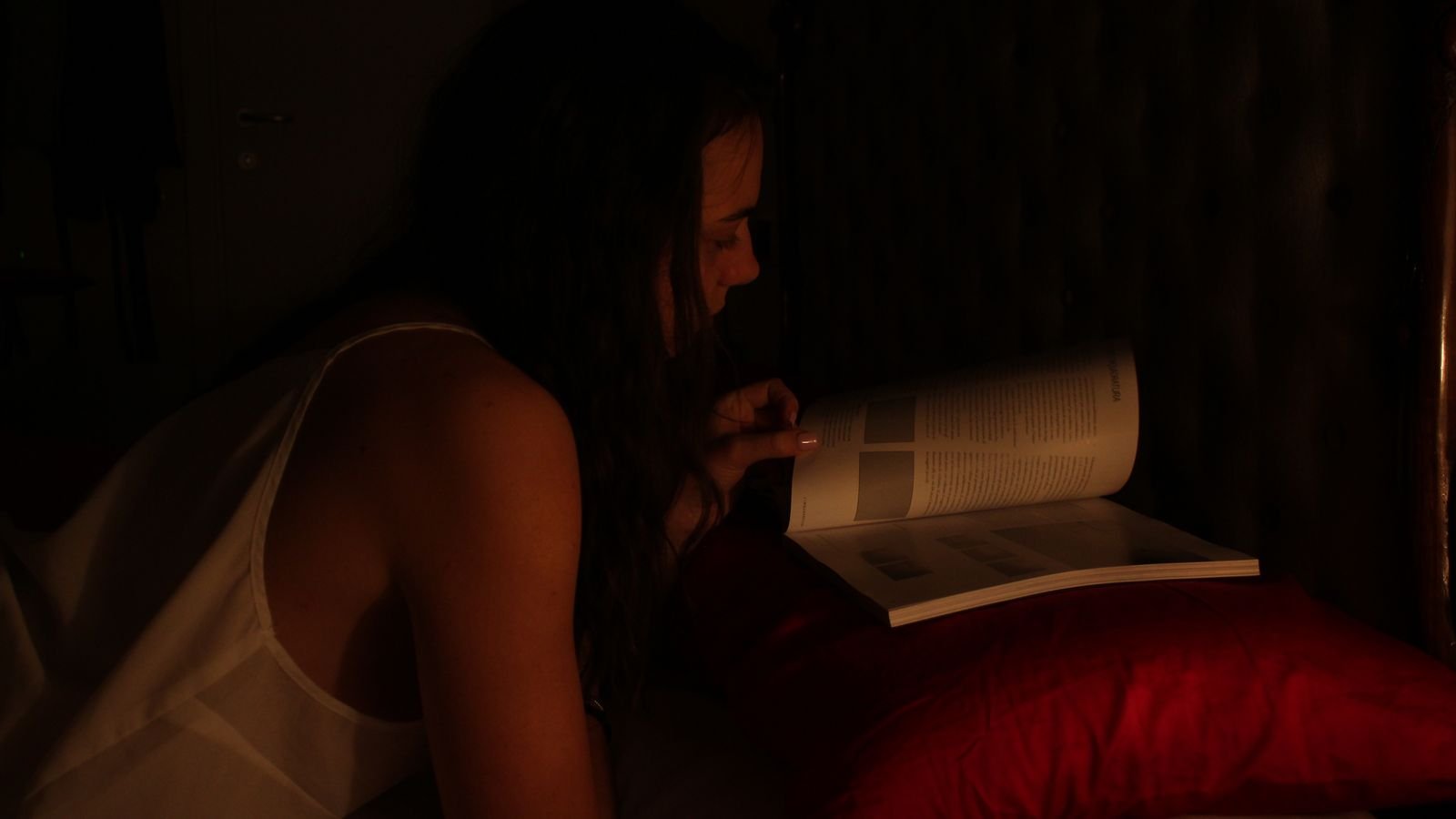
Focused illumination for specific activities: reading in an armchair, working at a side table, playing a board game, doing a craft. Task lighting is directional, positioned close to the activity, and brighter than the ambient layer around it. A floor lamp beside a reading chair is the archetype.
Accent Light
The layer that creates atmosphere. Accent lighting highlights specific objects and surfaces — artwork, a fireplace, a bookshelf, a textured wall, plants — creating the contrast that makes a room feel three-dimensional. It contributes little to overall brightness and everything to how the room feels. Skip it and the space looks flat no matter how well-lit it is.
Building the Layers in a Real Room
- Map how the room is used. Note where people sit, where they read, what you want noticed and what you would rather hide. Lighting follows use, not symmetry.
- Establish ambient coverage. Aim for even light across the floor plan without hot spots. Recessed downlights on a sensible grid, or several wall and ceiling sources rather than one central fixture.
- Add task light at each activity point. A lamp beside every seat where someone might read. Position the shade bottom at roughly eye level when seated so the bulb is never in view.
- Layer in accents. Picture lights, adjustable downlights aimed at a wall, uplights behind plants, LED strips under floating shelves or behind a media unit.
- Separate the controls. Each layer on its own switch or dimmer. This is the step that makes the layers useful rather than decorative.
- Test at night. Live with it for a week and adjust aim, brightness and bulb color before making anything permanent.
Getting Brightness Right
A living room is a relaxation space, so it needs less overall light than a kitchen or office. Around 10 to 20 lumens per square foot of ambient light is a comfortable target — a 250 square foot room lands somewhere between 2500 and 5000 lumens of ambient capacity. Task lighting adds on top of that locally, typically 400 to 800 lumens at the point of use.
The crucial word is capacity. Install enough capability to reach the upper end for cleaning or entertaining, then dim down to a fraction of it for everyday evenings. A room that can only run at one brightness will always be wrong for something.
Color Temperature and Consistency
For living rooms, 2700K to 3000K is the range that reads as warm, comfortable and residential. Going cooler makes a lounge feel commercial; going warmer than 2700K can muddy colors in the furnishings.
Consistency matters more than the exact number. Two different whites visible at once looks like a mistake — one lamp reading yellow while a downlight reads bluish is instantly noticeable even to people who could not name the problem. Buy bulbs for a room together, and note the Kelvin value so replacements match. Our comparison of the best light bulbs for living room spaces covers the warm, high-CRI options that suit this layer.
CRI deserves attention here. A living room contains wood, textiles, artwork and skin tones, all of which look noticeably better under bulbs with a CRI of 90 or above. It is the cheapest quality upgrade in lighting and the one people notice without knowing why.
Fixture Choices by Layer
For Ambient
- Recessed downlights on a grid, spaced roughly half the ceiling height apart, ideally with baffle trims to control glare.
- Wall sconces pointing upward, which wash the ceiling and make the room feel taller.
- A central fixture as a design element rather than the sole light source — a chandelier or drum shade on a dimmer, contributing rather than dominating.
- Torchieres in corners, bouncing light off the ceiling for soft, shadowless fill.
For Task
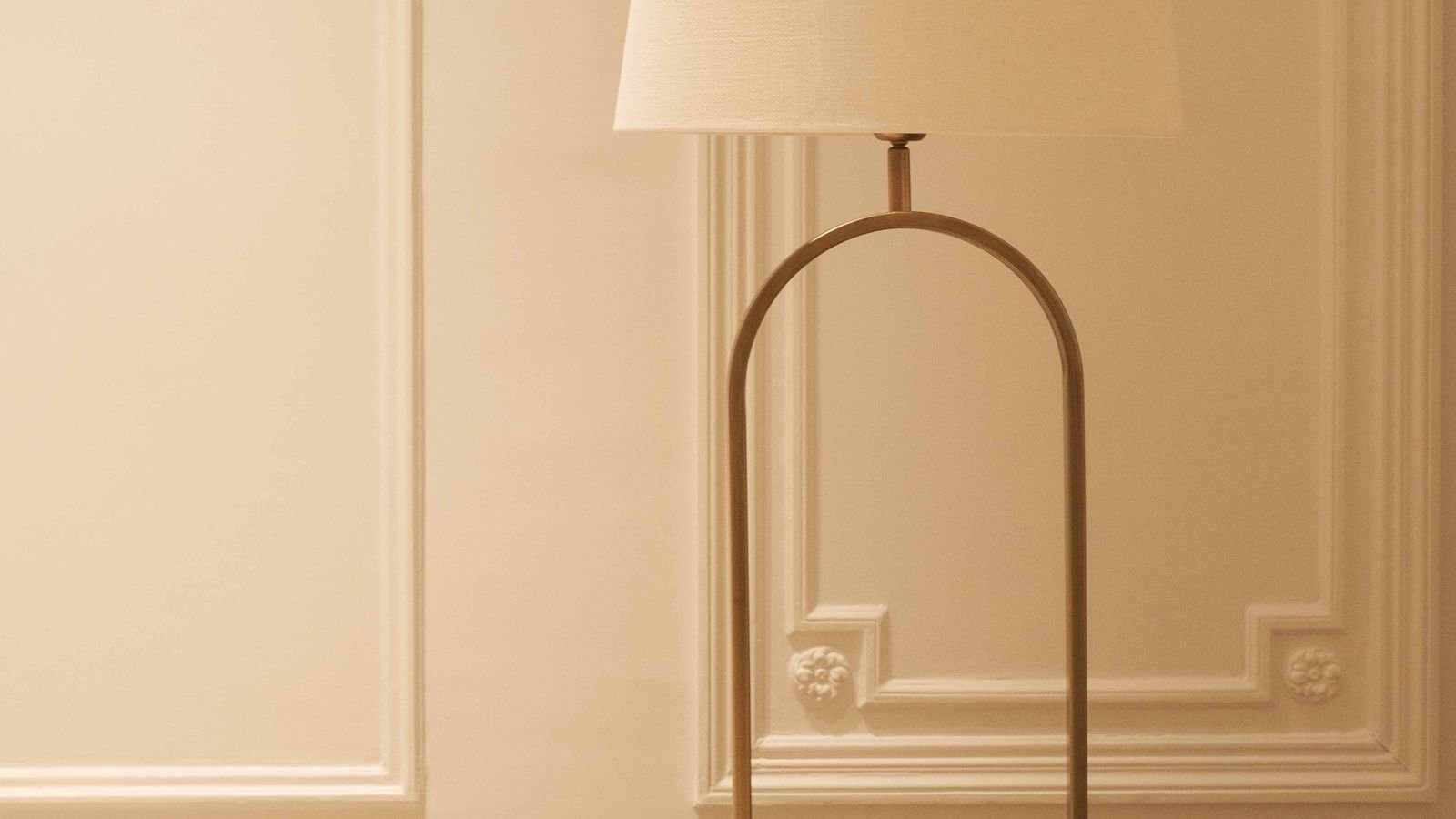
- Floor lamps beside seating, ideally with an adjustable head or a swing arm, fitted with one of the light bulbs for reading that give crisp contrast without glare.
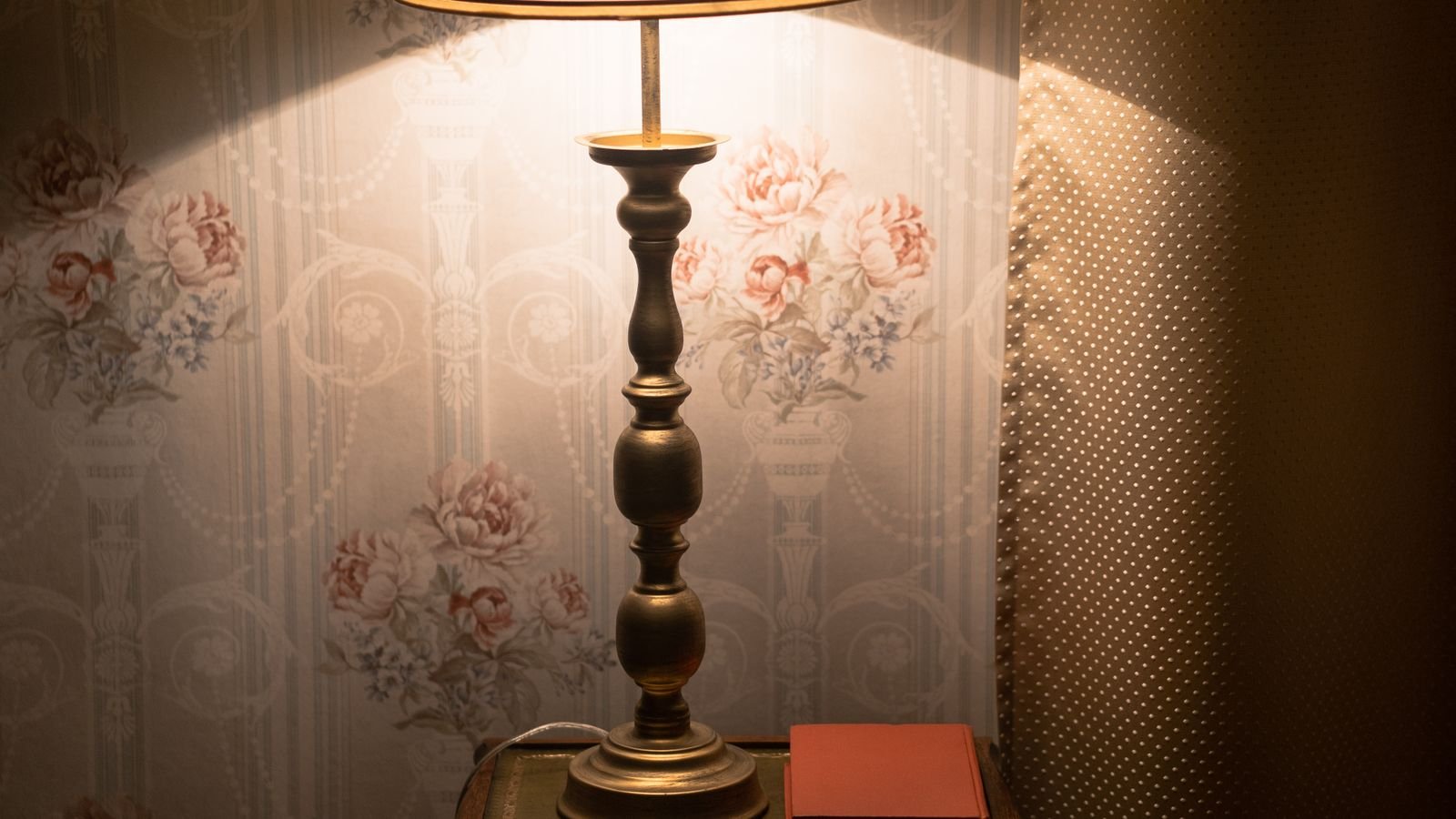
- Table lamps on side tables, at the right height so the shade blocks the bulb from seated eye level.
- Adjustable downlights aimed at a specific chair or table.
For Accent
- LED strip lighting under shelves, behind a television, along a cove or beneath a floating console. Hidden strips producing a glow are the most transformative low-cost accent available, and the LED lights for living room comparison covers the options worth considering.
- Picture lights and adjustable spots aimed at artwork at roughly a 30 degree angle to avoid reflections.
- Uplights on the floor behind large plants, casting shadow patterns on the wall.
- Candle-style bulbs in a decorative fixture, contributing sparkle rather than illumination.
Controls: Where Layering Becomes Real
Three layers on one switch is not layered lighting. The whole benefit comes from being able to run them independently.
At minimum, put ambient on a dimmer of its own, and have lamps switchable separately. Better still, build scenes:
- Bright. Everything up, for cleaning, hosting, or finding a lost item.
- Evening. Ambient at around a third, lamps on, accents on. The everyday default.
- Movie. Ambient off or very low, accents behind the screen only, no light in a direct sightline to the television.
- Conversation. Lamps and accents only, ceiling off entirely. Warm, intimate, flattering.
Smart bulbs or smart dimmers make these scenes recallable with a single tap, which is what determines whether they actually get used. Whichever route you take, keep a physical control on the wall — lighting that requires a phone gets abandoned. The smart LED light bulbs options handle scene recall without rewiring, which suits a room already full of lamps.
Common Living Room Lighting Problems
Television Glare
Never place a light source where it reflects in the screen. Bias lighting — a dim strip behind the television — reduces eye strain by lowering the contrast between the bright screen and a dark wall, and it is the single most effective fix.
Dark Corners
Corners read as the edges of the room, and dark edges make a space feel smaller. A floor lamp or an uplight in each far corner visually expands the room more than adding brightness in the center ever will.
Glare from Bare Bulbs
If you can see the filament or LED chip from a seated position, the fixture is wrong for that spot. Shades, baffles and frosted diffusers exist to solve this.
Low Ceilings
Avoid hanging fixtures. Use recessed lighting plus wall sconces and lamps, and wash the ceiling with upward light to raise it visually.
Open Plan Spaces
Use lighting to define zones. A distinct pool of light over the seating area separates it from the dining or kitchen zone far more effectively than furniture placement alone.
Mistakes to Avoid
- Relying on one ceiling fixture. The root cause of most bad living room lighting.
- Mixing color temperatures within a single sightline.
- Everything on one switch. Removes the entire benefit of layering.
- Skipping dimmers. A living room needs range far more than a kitchen does.
- Over-lighting. Bright is not cozy. Aim lower than you think and add task light where needed.
- Ignoring accent lighting. The layer that creates atmosphere is the one most often omitted.
- Placing lamps for symmetry rather than use. A lamp that looks balanced but sits nowhere near a chair does no work.
Frequently Asked Questions
How many lumens does a living room need?
Roughly 10 to 20 lumens per square foot for ambient light, so about 2500 to 5000 lumens in a 250 square foot room, with task lighting adding 400 to 800 lumens locally. Install to the top of the range and dim down.
What color temperature is best for a living room?
2700K to 3000K. Warmer than that can look muddy; cooler quickly reads as an office. Keep every bulb in the room at the same value.
Can I layer lighting without rewiring?
Easily. Floor and table lamps supply the task layer, plug-in LED strips and uplights supply accents, and smart bulbs give you independent control of each without touching a single wire.
Should the ceiling light and lamps be on at the same time?
Only when you need full brightness. For everyday evenings, the ceiling light dimmed low or off with lamps and accents carrying the room produces a far more comfortable result.
Do I need dimmers on every fixture?
Not literally every one, but dim the ambient layer at minimum. Accent lighting benefits greatly from dimming too; task lighting can often stay switched, since you either need it or you do not.
Final Thoughts
Layered lighting is the difference between a room that is illuminated and a room that is inviting. Start by adding what is almost certainly missing: task lamps next to where people actually sit, and hidden accent light on a shelf, behind the television or aimed at a wall. Then get the ceiling light onto a dimmer so it can step back rather than dominate. Keep every bulb in the room at the same warm color temperature with a high CRI, split your controls so each layer works independently, and build three or four scenes you can recall instantly. Do that in 2026 and the room will feel considered every evening, without you touching the furniture at all.