 Owen Bradley
 Short winter days leave many people flat, groggy, and reaching for a third coffee by mid-afternoon. A light therapy lamp is the most common non-medical response, and the market has grown crowded with boxes that all claim to deliver bright, mood-lifting light. The trouble is that the numbers printed on the packaging are easy to misread. A lamp advertising 10,000 lux may only reach that figure at 6 inches, while a smaller panel with an honest specification might serve you better at a realistic desk distance. This light therapy lamp buying guide walks through lux ratings, panel size, UV filtering, colour temperature, and session timing so you can judge any model on its merits in 2026 rather than trusting the front of the box.
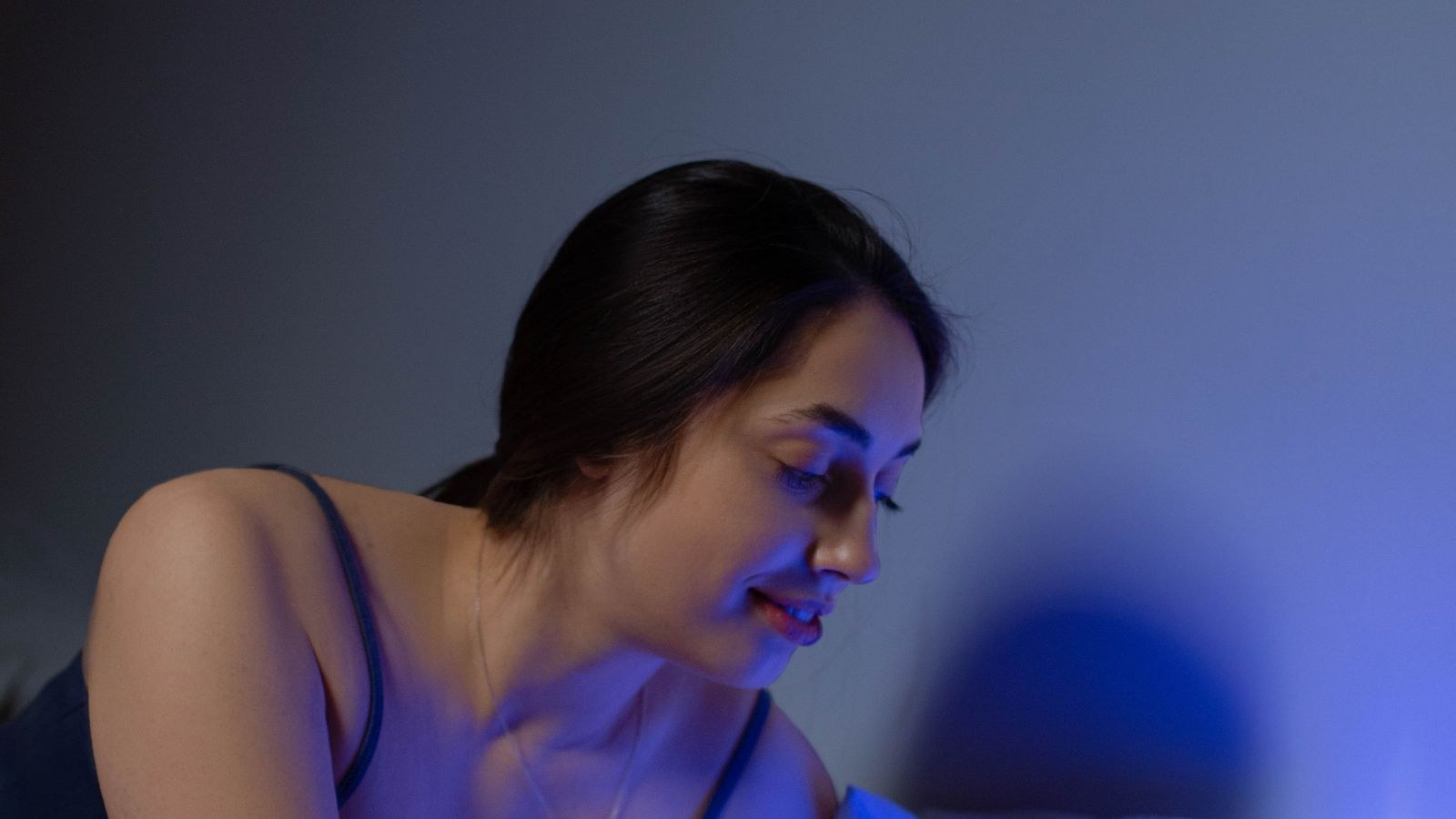
What a Light Therapy Lamp Is Meant to Do
Light therapy lamps, sometimes called SAD lamps or bright light boxes, deliver a controlled dose of bright white light to the eyes at a chosen time of day. The aim is to mimic the intensity of outdoor morning daylight, which is far brighter than typical indoor lighting. A well-lit office sits around 300 to 500 lux, an overcast winter morning outdoors is roughly 1,000 to 4,000 lux, and direct summer sunlight can exceed 50,000 lux. Ordinary room lighting simply is not in the same league, which is why a dedicated lamp exists at all.
These devices are wellness tools rather than medical treatments, and results vary from person to person. Anyone with an eye condition, bipolar diagnosis, or who takes photosensitising medication should speak to a doctor before starting. For most people the practical question is simpler: which lamp gives enough usable brightness at a distance they can actually sit at, for the length of time they will realistically commit to.
Understanding Lux and Why Distance Changes Everything
Lux measures how much light lands on a surface, in this case your eyes. It is not a fixed property of the lamp; it falls off sharply as you move away. Light intensity follows an inverse square relationship, so doubling your distance from the panel cuts the light reaching you to roughly a quarter. A lamp that genuinely produces 10,000 lux at 12 inches might deliver only about 2,500 lux at 24 inches, which is a completely different experience.
This is why the stated distance matters more than the headline lux number. A manufacturer quoting 10,000 lux at 6 inches is describing a position almost nobody can hold while working or eating breakfast. Look for lamps that specify their rating at 12 to 16 inches, or better still that publish a small table of lux figures at several distances. If no distance is stated at all, treat the figure with suspicion.
Panel Size Is the Underrated Specification
A large panel is more forgiving than a small one. Bigger emitting surfaces spread light across a wider field of view, so you can sit further back and shift position without dropping out of the effective zone. Small travel lamps often hit impressive lux figures on paper but only within a narrow cone directly in front of the panel. If you plan to use the lamp while reading, eating, or working at a computer, prioritise a panel roughly the size of a sheet of paper or larger over a compact unit with a bigger number on the box.
UV Filtering and Eye Safety
Any lamp intended for daily use near your face should state clearly that it filters ultraviolet light or is UV-free. Modern LED lamps naturally emit almost no UV, but the label should confirm it rather than leave you guessing. Avoid anything marketed for tanning, reptile enclosures, or plant growth, since those are engineered to emit UV or heavily skewed spectra and are entirely unsuitable for use near the eyes.
You should never stare directly into the panel. The correct technique is to place the lamp slightly above eye level and off to one side, roughly at a 30 to 45 degree angle, so light enters your field of vision indirectly while you read or work. Diffuser panels also matter: a well-diffused surface reduces glare and makes longer sessions comfortable, while a bare grid of LEDs produces harsh hotspots that cause squinting and headaches.
Colour Temperature and Spectrum
Most therapy lamps land between 4000K and 6500K. Cooler, bluer light in the 5000K to 6500K range most closely resembles overcast daylight and is what the majority of models target. Warmer 4000K panels feel gentler and cause less eye strain for people sensitive to blue-heavy light, though they generally need slightly longer sessions to feel equivalent. Neither is universally better, and comfort matters because a lamp you find unpleasant is a lamp you will stop using in a fortnight.
Colour rendering, given as CRI, describes how natural objects look under the light. A CRI of 90 or above keeps skin tones and room colours looking normal, which makes a big difference if the lamp doubles as a work light. If you want a lamp that serves both as a bright morning device and everyday task lighting, the roundup of the best daylight lamps covers models that balance intensity with sensible colour rendering.
Full Spectrum Claims Explained
The phrase “full spectrum” appears on a lot of packaging and has no strict regulatory definition. Broadly it signals a lamp aiming to reproduce the balanced output of natural daylight rather than the spiky output of a cheap white LED. In practice, look past the phrase to the measurable numbers: kelvin rating, CRI, lux at a stated distance, and confirmation of UV filtering. If a lamp publishes those honestly, the marketing label matters far less. Shoppers comparing bulbs that aim for the same effect in ordinary fixtures will find the best full spectrum light bulbs a useful complement to a dedicated panel.
Session Timing and Building a Routine
Timing is at least as important as hardware. The general guidance for a bright 10,000 lux lamp is 20 to 30 minutes shortly after waking, ideally within the first hour of getting up. Lower-output lamps around 2,500 lux need proportionally longer sessions, often 60 to 90 minutes, which is why intensity at a workable distance is worth paying for.
- Use it early. Morning sessions support a normal sleep-wake rhythm. Evening use can push your body clock later and make falling asleep harder.
- Be consistent. Daily use through the darker months works better than occasional long sessions when you already feel low.
- Pair it with an existing habit. Breakfast, email, or the first coffee of the day are natural anchors that make the routine stick.
- Position before you power on. Set distance and angle first so you are not adjusting a glaring panel at arm’s length.
- Start short. Begin with 10 to 15 minutes and build up if you notice headaches, eye strain, or restlessness.
Build Quality, Stand Design, and Placement
The physical design decides whether a lamp gets used. A stand that tilts and holds its angle lets you aim light correctly instead of shining it straight into your eyes. A stable base matters on a cluttered desk. Some models mount on a floor stand or clamp to a desk edge, which frees valuable surface space and makes it easier to position the panel above eye level where it belongs.
Consider where the lamp will live before you buy. A large panel on a small desk simply will not fit alongside a monitor and keyboard. Measure the space, then check the lamp’s footprint and whether it needs a wall socket nearby, since many use a chunky power adapter rather than a slim cable.
Dimming, Timers, and Extra Features
A built-in timer that shuts the lamp off after a set period removes the need to watch a clock and is genuinely useful. Multiple brightness levels help you ease into a routine and let the lamp serve as normal task lighting at lower settings. Adjustable colour temperature is a nice extra if you want cool light in the morning and warmer light in the evening from the same unit. Memory settings that recall your last configuration save fiddling every day. Skip gimmicks like colour-changing modes and built-in speakers, which add cost without improving the core function.
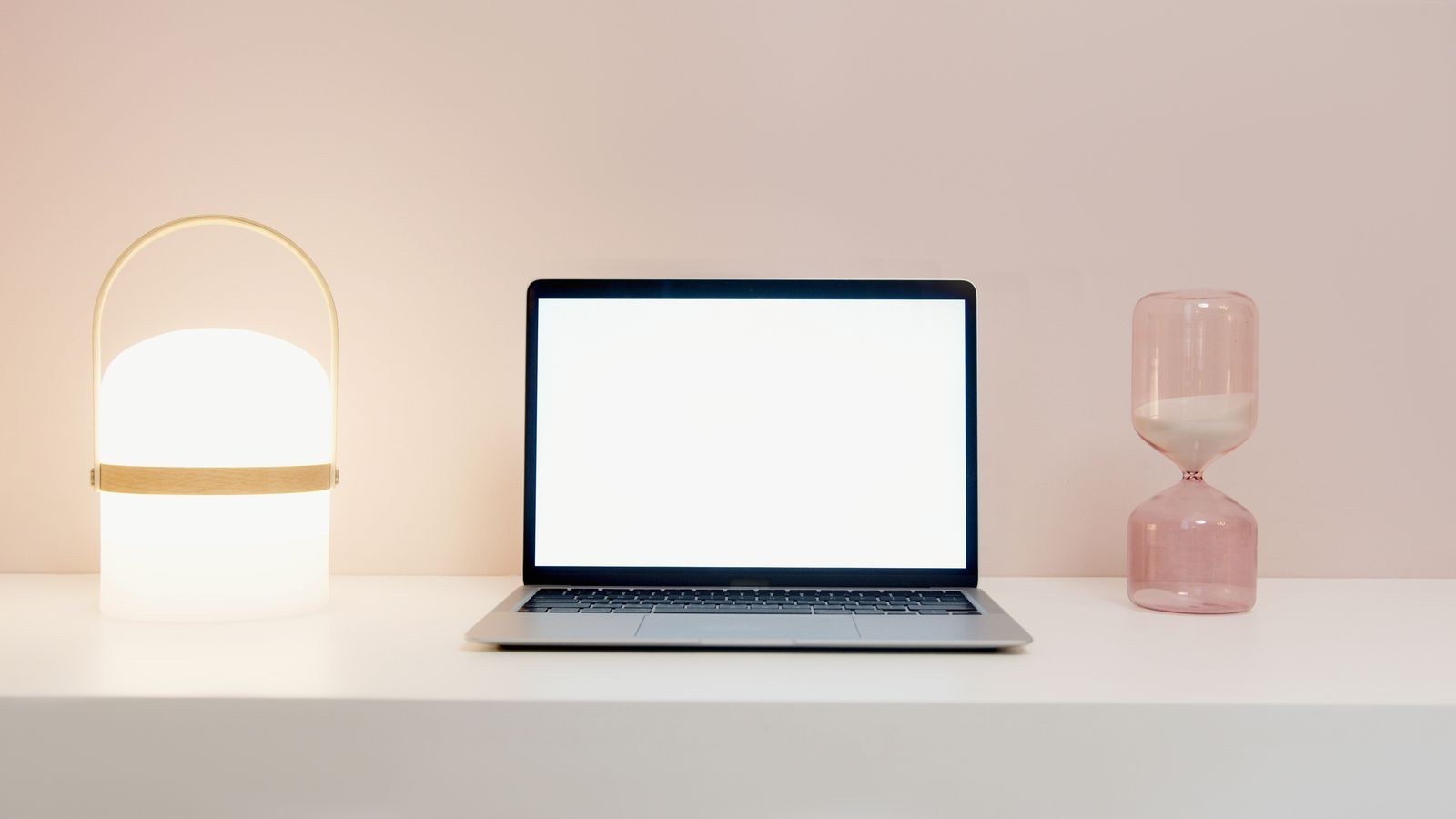
Budget Tiers and What Each Buys
Entry-level lamps are compact, often quote lux at very short distances, and typically lack diffusion or a proper tilting stand. They can work for someone with a small desk and the discipline to sit close, but expect glare. Mid-range models bring larger diffused panels, honest specifications at 12 inches or more, adjustable brightness, and a stand that actually holds position. This is where most buyers find the best value.
Premium lamps add very large emitting surfaces, high CRI, tunable colour temperature, refined dimming, and sturdier construction that survives daily handling. They earn their price mainly through comfort and dual use as everyday lighting. If you want something that feels like natural daylight in a room rather than a clinical panel, the guides to the best natural light lamps and the best light bulbs to mimic sunlight are worth reading alongside this one.
Common Buying Mistakes
- Trusting a lux figure with no distance attached. Without a stated distance the number means very little.
- Choosing the smallest lamp available. Tiny panels demand a close, uncomfortable sitting position to be effective.
- Buying a plant or tanning light by mistake. These emit unsuitable spectra and should never be used near the eyes.
- Ignoring glare and diffusion. An undiffused panel is the main reason lamps end up in a cupboard.
- Using it late in the day. Evening sessions can delay sleep and undo the benefit you were seeking.
- Expecting instant results. Most people report changes over one to two weeks of consistent use, not overnight.
Frequently Asked Questions
How far should I sit from a light therapy lamp?
Follow the distance the manufacturer used for its lux rating, commonly 12 to 16 inches for a 10,000 lux claim. Sitting further back is fine if you extend the session, since intensity drops quickly with distance.
Can I use it while working at a computer?
Yes, and that is one of the easiest ways to build the habit. Place the lamp above and to one side of the monitor so light reaches your eyes indirectly rather than reflecting off the screen.
Does a regular desk lamp work instead?
Not really. A standard desk lamp delivers a few hundred lux at working distance, an order of magnitude below what a therapy lamp is designed to provide.
Are these lamps safe for daily use?
For most people a UV-filtered lamp used as directed is considered safe. Anyone with an existing eye condition, a bipolar diagnosis, or on light-sensitising medication should consult a doctor first.
Final Thoughts
Choosing a light therapy lamp comes down to a handful of honest numbers rather than marketing language. Insist on a lux rating with a stated distance, favour a larger diffused panel over a compact unit with a flattering specification, confirm UV filtering, and pick a colour temperature you find comfortable enough to sit under every morning. Add a tilting stand and a built-in timer and you have a device that fits into a real routine instead of gathering dust. Get those basics right and the lamp you buy in 2026 will still be earning its place on your desk several winters from now.