
 Owen Bradley
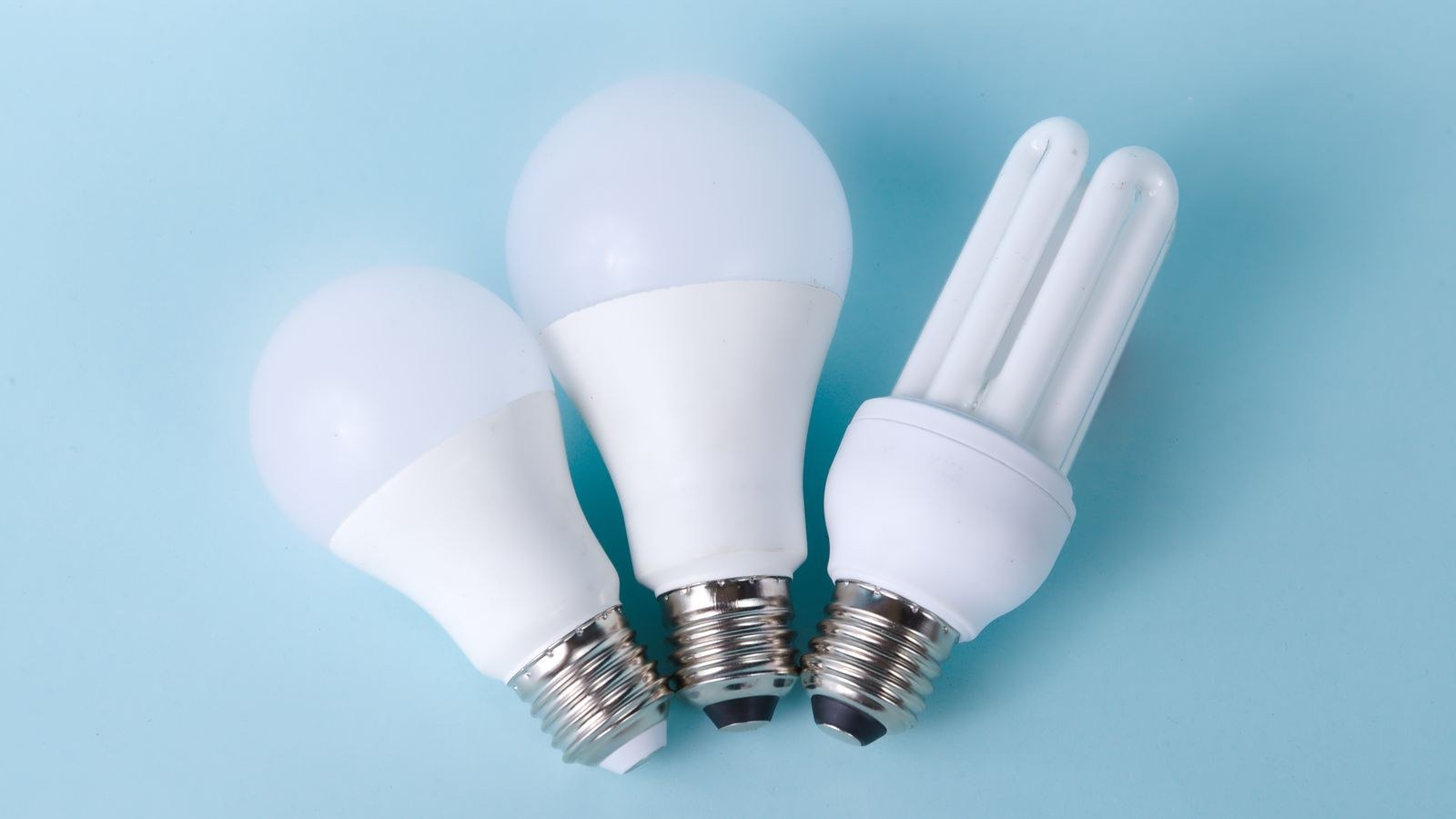
 Bulb packaging is covered in short codes that look like part numbers: A19, BR30, PAR38, E12 candelabra, MR16, T8. They are not arbitrary. Each one is a compact description of the bulb’s physical shape and its size, and once you can read them you can tell at a glance whether a bulb will fit a fixture and how its light will behave in the room. Shape determines beam spread, physical clearance, and whether a bulb looks right in an exposed fitting. This guide decodes the light bulb shapes you will actually meet in a home, explains which fixtures each belongs in, and shows how beam spread changes the feel of a space so you can shop confidently in 2026.
How Shape Codes Are Built
The formula is consistent: one or more letters naming the shape family, followed by a number giving the maximum diameter in eighths of an inch. Divide the number by eight to get inches.
So A19 is an A-shape bulb with a diameter of 19 eighths, which is 2.375 inches. BR30 is a bulged reflector 30 eighths across, or 3.75 inches. PAR38 measures 38 eighths, which is 4.75 inches. The system is used across North America and appears on most packaging worldwide. Some regions list the diameter directly in millimetres instead, so PAR38 also appears as PAR120, but the eighths convention remains the most common.
Shape Is Not the Same as Base
Two specifications work together and people frequently confuse them. The shape code describes the glass or plastic body: how wide, how long, and how the light is directed. The base code, such as E26 or GU10, describes the socket connection. A candelabra-shaped bulb almost always uses a small E12 base, but the two facts are independent, and you need both to be correct for a bulb to work. Check the base first for fit, then the shape for appearance and beam behaviour.
A-Series: The Everyday Bulb
The A shape is the classic pear-like household bulb that most people picture when they hear the word. The bulb widens from the base to a rounded shoulder and tapers to a domed top, and it throws light in nearly all directions, which is exactly what you want in a lamp with a shade or a general ceiling fixture.
A19 is the standard, at 2.375 inches across and around 4.3 inches long. It fits table lamps, floor lamps, pendants, ceiling fittings, and many enclosed fixtures. A21 is slightly larger at 2.625 inches and appears in higher-output bulbs where the extra body accommodates a bigger heat sink. A15 is the compact 1.875-inch version used in appliance lights, ceiling fan kits, and small decorative fittings.
The practical caution with A-series bulbs is length. High-lumen LED versions are often noticeably longer than the incandescent bulbs they replace, and in a lamp with a tight harp or a shallow shade, that extra half inch means the bulb pokes out visibly. For general lamp use, our comparison of the best light bulbs for lamps flags dimensions alongside brightness so you can avoid that surprise.
Reflector Shapes: BR and R
Reflector bulbs have an internal reflective coating that pushes light forward rather than in all directions. They look like a shallow bowl with a domed face and are designed for recessed cans and directional fittings.
BR stands for bulged reflector, with a wider bulge behind the face that produces a soft, wide flood typically spreading 100 degrees or more. BR30 at 3.75 inches is the workhorse for standard six-inch recessed cans in living rooms and hallways. BR40 at 5 inches suits larger cans and higher ceilings. BR20 at 2.5 inches fits small four-inch housings.
Plain R bulbs are the older reflector style without the bulge, producing a slightly narrower and less even spread. They still appear in older fixtures but have largely been superseded. For recessed applications generally, our guides to the best recessed light bulbs and the best can light bulbs both cover how BR sizing relates to housing diameter and trim style.
PAR: Precision Beams and Outdoor Duty
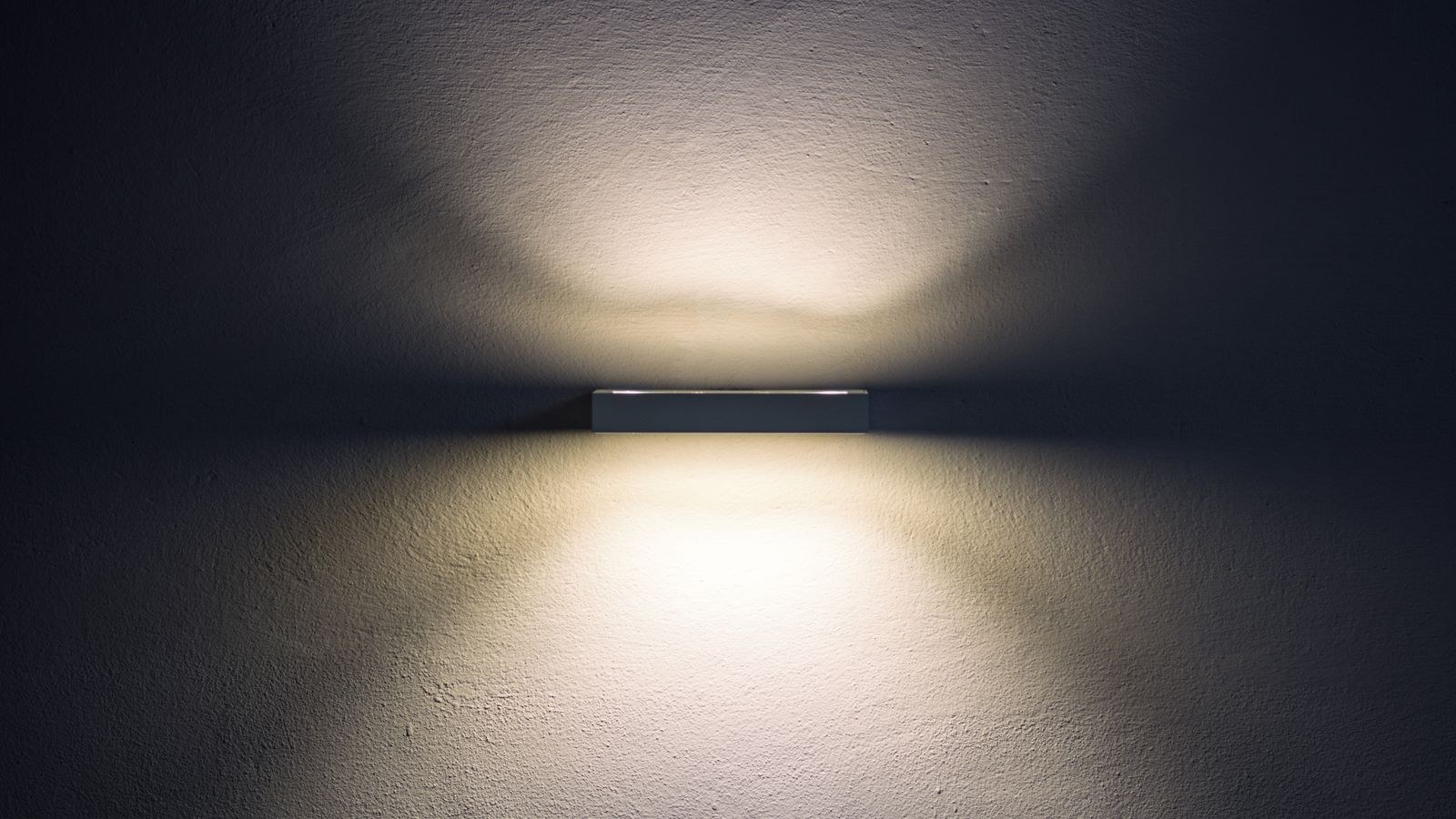
PAR stands for parabolic aluminised reflector, and these are the bulbs built for control. A precisely shaped internal reflector and a thick, often ridged lens produce a tightly defined beam with clean edges rather than a soft fade. The glass is also considerably tougher, which is why PAR bulbs dominate outdoor and security lighting.
PAR16 at 2 inches works in small track heads and accent fittings. PAR20 at 2.5 inches is common in track lighting and small recessed cans. PAR30 at 3.75 inches comes in short-neck and long-neck versions to suit different housing depths, so check which your fixture needs. PAR38 at 4.75 inches is the standard for outdoor floodlights, security fittings, and large recessed cans.
Beam angle is where PAR bulbs earn their place, and it is usually printed on the package. A spot beam around 10 to 25 degrees concentrates light for accenting artwork or architectural features. A narrow flood near 25 to 40 degrees suits task areas. A wide flood at 40 degrees and above covers general areas. The same lumen output looks dramatically brighter in a narrow beam and dramatically dimmer spread wide, which is the single most useful thing to understand about directional bulbs. For exterior and yard lighting, our roundup of the best LED flood light bulbs compares beam spreads and weather ratings for outdoor PAR fittings.
BR Versus PAR: Which to Choose
Both fit recessed cans, and the choice changes the room’s character. BR gives a soft, wide wash with gently blended edges, which suits general ambient lighting in living areas and corridors where you want even coverage without visible pools. PAR gives a defined beam with a brighter centre, which suits kitchen islands, artwork, and any surface you want emphasised. In practice, many homes use BR for general ceiling coverage and PAR where a specific target needs highlighting.
Decorative Shapes for Exposed Fixtures
When the bulb is visible rather than hidden behind a shade, its appearance matters as much as its output. Several shape families exist purely for this.
- B and CA (candle and bent-tip candle): slim tapered bodies designed to echo a flame. B10 and CA10 are the common sizes in chandeliers, sconces, and dining fittings.
- C (cone): smaller and simpler than the candle shapes, used in night lights and small decorative fixtures.
- G (globe): perfectly spherical. G25 at 3.125 inches is the standard bathroom vanity bulb, G16.5 suits smaller decorative fittings, and G40 at 5 inches makes a statement in pendants and exposed fixtures.
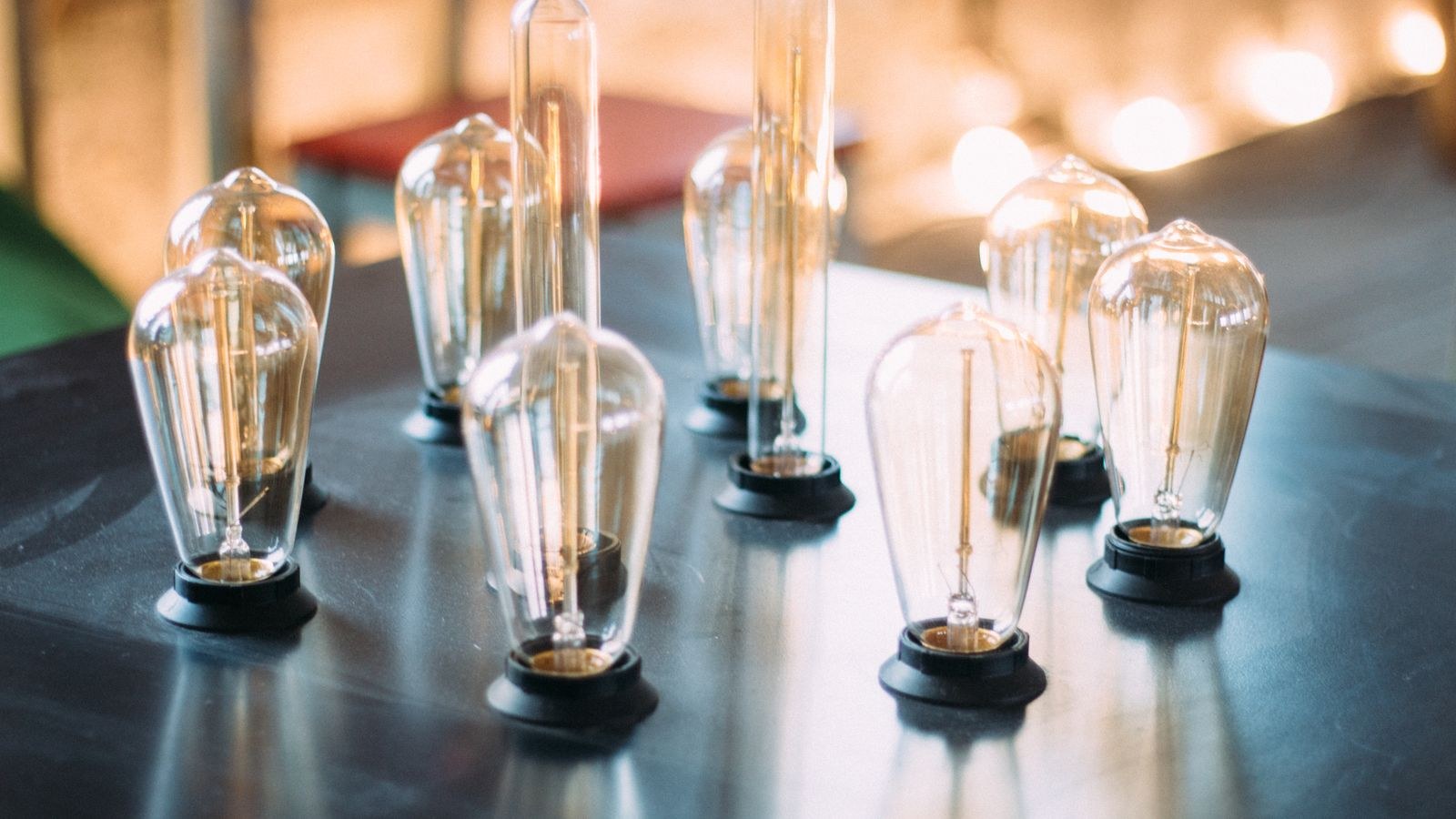
- ST (straight tubular with a curve): ST19 and ST64 are the vintage Edison shapes with visible filament styling, popular in open pendants and industrial fittings.
- T (tubular): narrow cylinders. T8 and T5 are the fluorescent and LED tube standards, while smaller T-shapes appear in appliance and cabinet lights.
- MR (multifaceted reflector): MR16 is the small faceted spotlight used in track and display lighting, usually at low voltage.
Matching Shape to Fixture
A few reliable pairings cover most of a house. Table and floor lamps with shades take A19. Six-inch recessed cans take BR30. Four-inch cans take BR20 or PAR20. Outdoor floodlights and security fittings take PAR38. Bathroom vanity bars take G25 globes. Chandeliers and wall sconces take B10 or CA10 candles. Track heads take PAR20, PAR30, or MR16 depending on the fitting. Exposed pendants where the bulb is the feature take ST19 or a large G40 globe.
Where fixtures are enclosed, add one more check. A bulb in a sealed glass shade runs considerably hotter than one in open air, and heat is what kills LEDs. Look for explicit “suitable for enclosed fixtures” marking before putting any LED into a sealed globe or a fully covered ceiling fitting.
Measure Before You Buy
Shape codes give diameter but not length, and length is what usually causes returns. Before ordering, measure the available space inside the shade, the housing depth of a recessed can, and the clearance below a fan blade. Then compare against the overall length listed in the bulb’s specifications. Two minutes with a tape measure prevents most fitting problems.
Common Mistakes With Bulb Shapes
The most frequent is buying an omnidirectional A19 for a recessed can. It will screw in and light the room, but much of its output goes sideways into the housing rather than down into the space, wasting light and building heat. Reflector shapes exist precisely to avoid this.
The second is ignoring beam angle on PAR bulbs and then wondering why a 1000-lumen spot leaves the room dim outside one bright circle. The third is picking a decorative shape for an enclosed fixture without checking heat rating, which shortens bulb life dramatically. The fourth is mixing beam angles across a run of identical downlights, which produces uneven scalloping on walls and ceilings that looks like an installation error. Keep shape, beam angle, and colour temperature consistent within any single row or room.
Frequently Asked Questions
What does the number in A19 mean?
It is the maximum diameter in eighths of an inch. Nineteen eighths equals 2.375 inches. The same rule applies across shape codes, so BR30 is 3.75 inches wide and PAR38 is 4.75 inches wide.
Can I use a BR30 in place of a PAR30?
Usually they will physically fit the same housing, but the light changes noticeably. BR gives a soft wide wash while PAR gives a defined beam with a brighter centre. Choose based on whether you want even coverage or a highlighted target.
Is A19 the same as E26?
No, though they very often appear together. A19 describes the bulb’s pear shape and 2.375-inch diameter, while E26 describes the medium screw base. Most A19 bulbs use an E26 base, but the two codes describe entirely different things.
Which shape works best in a ceiling fan?
It depends on the light kit. Many fans use A15 or candelabra shapes because of limited clearance beneath the housing. Measure the space between the socket and the glass shade before choosing, since a standard A19 is often too long.
Do vintage Edison shapes produce enough light?
Not usually for general room lighting. Filament-style ST bulbs are chosen for appearance and typically produce modest output at warm colour temperatures. Use them as decorative accents and provide separate fixtures for the actual illumination a room needs.
Final Thoughts
Shape codes stop being cryptic the moment you know the letters name a family and the number gives diameter in eighths of an inch. From there the decisions follow naturally: A-series for lamps and general fittings where light should go everywhere, BR for soft even coverage from recessed cans, PAR for controlled beams outdoors and over specific surfaces, globes for vanities, candles for chandeliers, and filament styles where the bulb itself is meant to be seen. Check the base separately, confirm overall length against the space you actually have, note beam angle on anything directional, and verify enclosed-fixture rating for sealed housings. Read the code, match the fixture, and every bulb you buy in 2026 will fit properly and light the room the way you intended.









