Owen Bradley
 Buying a light bulb used to require one piece of information: the wattage. That shorthand worked for decades because every incandescent bulb converted power to light at roughly the same dismal rate, so 60 watts meant a predictable amount of brightness. LED technology broke that relationship permanently, and the packaging never quite caught up. Today a bulb box carries lumens, watts, Kelvin, a colour rendering index, a base code, a shape code, a beam angle and a dimming note, and most shoppers still reach for the number they recognise. This guide unpacks every figure on the label so you can buy the right bulb the first time.
Lumens: The Number That Actually Matters
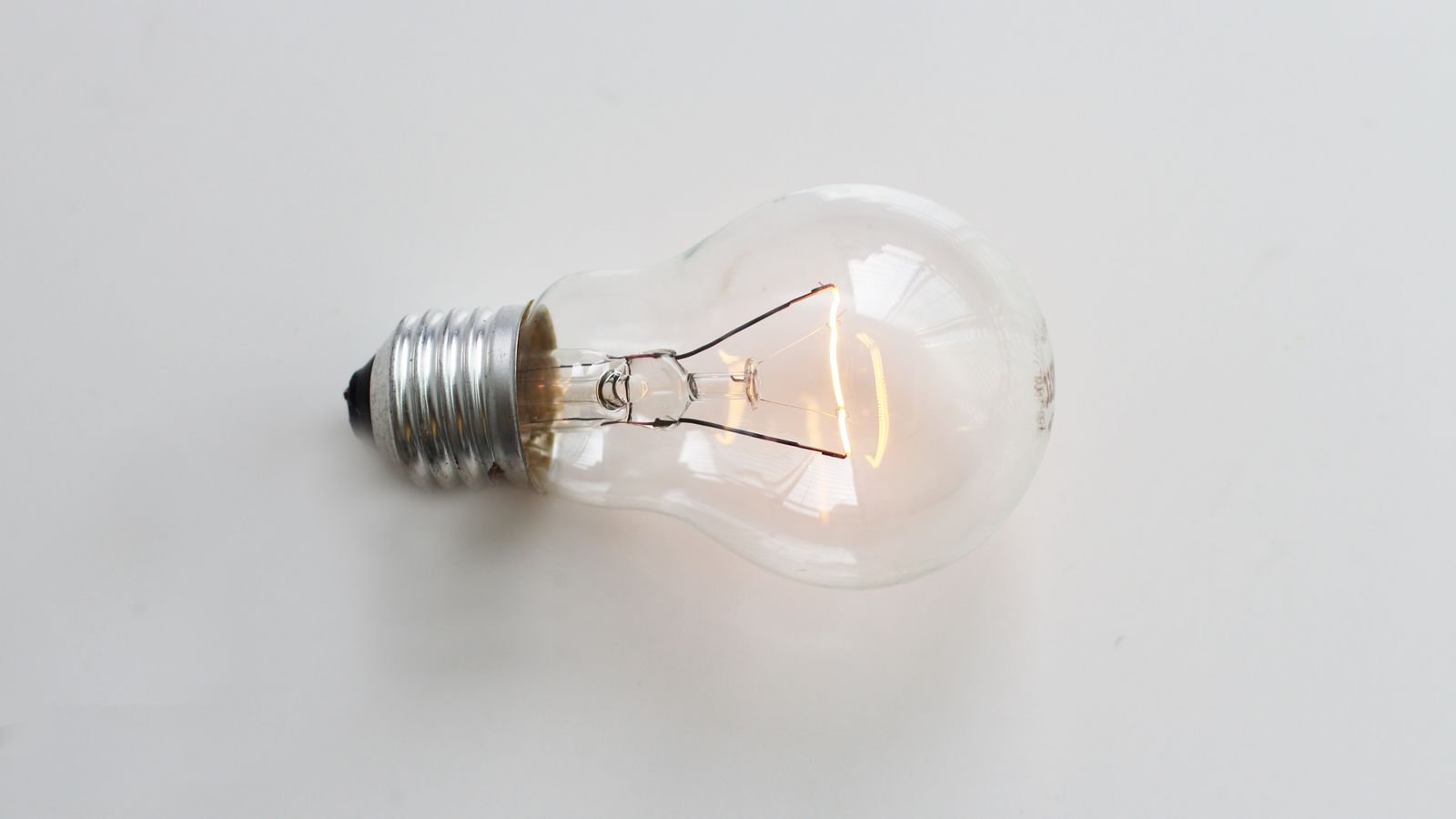
Lumens measure light output. Watts measure energy consumed. When every bulb was incandescent, the two tracked closely enough that people used watts as a proxy for brightness. With LEDs producing the same light for a fraction of the power, that proxy is meaningless, and buying by wattage is how people end up with rooms that are far too dim.
The useful conversions from the old incandescent world are worth memorising:
- 25 W incandescent equals roughly 250 lumens.
- 40 W equals roughly 450 lumens.
- 60 W equals roughly 800 lumens.
- 75 W equals roughly 1,100 lumens.
- 100 W equals roughly 1,600 lumens.
- 150 W equals roughly 2,600 lumens.
An LED producing 800 lumens typically draws 8 to 10 watts, which is where the efficiency story lives. To work out how many lumens a room needs, multiply the floor area in square feet by a target figure: around 20 lumens per square foot for a relaxed living room or bedroom, 30 to 40 for a kitchen or bathroom, and 50 or more for a workshop, garage or detailed task area. A 150 square foot bedroom therefore needs about 3,000 lumens in total, spread across several fixtures rather than concentrated in one.
Watts and What Efficiency Really Buys You
Wattage now tells you only about running cost. Efficacy, expressed in lumens per watt, is the meaningful efficiency figure. A basic LED manages around 80 lumens per watt; a good one reaches 100 to 130. Older compact fluorescents sat near 60, and incandescents managed barely 15.
The practical impact is easy to calculate. Replacing ten 60 watt incandescent bulbs with 9 watt LEDs saves 510 watts while they are lit. Over four hours a day for a year, that is roughly 745 kWh. Longevity compounds the saving: a decent LED is rated for 15,000 to 25,000 hours against roughly 1,000 for an incandescent, so you also stop buying replacements. The list of energy efficient light bulbs is where to compare efficacy figures directly, and the broader roundup of the best LED light bulbs covers general-purpose replacements for most fittings.
Colour Temperature: Warm, Neutral or Daylight
Colour temperature is measured in Kelvin and describes the character of the white light, from the orange glow of a candle to the blue-white of an overcast sky. Lower numbers are warmer. It is purely about appearance and has nothing to do with heat output or brightness.
- 2200K to 2400K: very warm amber, decorative and filament bulbs, evening ambience.
- 2700K: warm white, the classic incandescent look. Bedrooms, living rooms, dining.
- 3000K: soft white, slightly crisper. Kitchens, bathrooms, hallways.
- 3500K to 4000K: neutral to cool white. Offices, laundry rooms, garages.
- 5000K to 6500K: daylight. Task work, detailed crafts, makeup, reading fine print.
The most common household mistake is mixing temperatures within one sightline. Two 2700K bulbs and one 4000K bulb in the same fitting look broken rather than varied, because the eye compares them directly. Pick one temperature per room and stay with it. Where you want the warm, restful feel, the guide to warm light bulbs covers the 2700K band, while the roundup of daylight bulbs handles the higher Kelvin end for task areas.
Colour Rendering Index: The Spec Nobody Reads
CRI describes how accurately a light source reveals colour compared to natural daylight, on a scale to 100. It matters far more than most buyers realise. Under a low-CRI bulb, skin looks sallow, wood looks flat and grey, food looks unappetising and navy is indistinguishable from black.
Below 80 CRI is poor and should be avoided indoors. 80 to 89 is acceptable for hallways, garages and utility spaces. 90 and above is what you want in kitchens, bathrooms, wardrobes, dining rooms and anywhere you judge colour. The premium for a high-CRI bulb is small and the visible difference is large, which makes it the best value upgrade on the entire label.
Base Types and Bulb Shapes
Getting the fitting wrong is the most annoying mistake because it is discovered only on the ladder. The base code describes the connector, and the shape code describes the glass.
- E26 and E27: standard medium screw bases used by most household lamps and fixtures.
- E12 and E14: candelabra bases for chandeliers, wall sconces and small decorative fittings.
- GU10 and GU5.3: twist-lock and pin bases for spotlights and downlights.
- B22: bayonet cap, pushed and twisted rather than screwed.
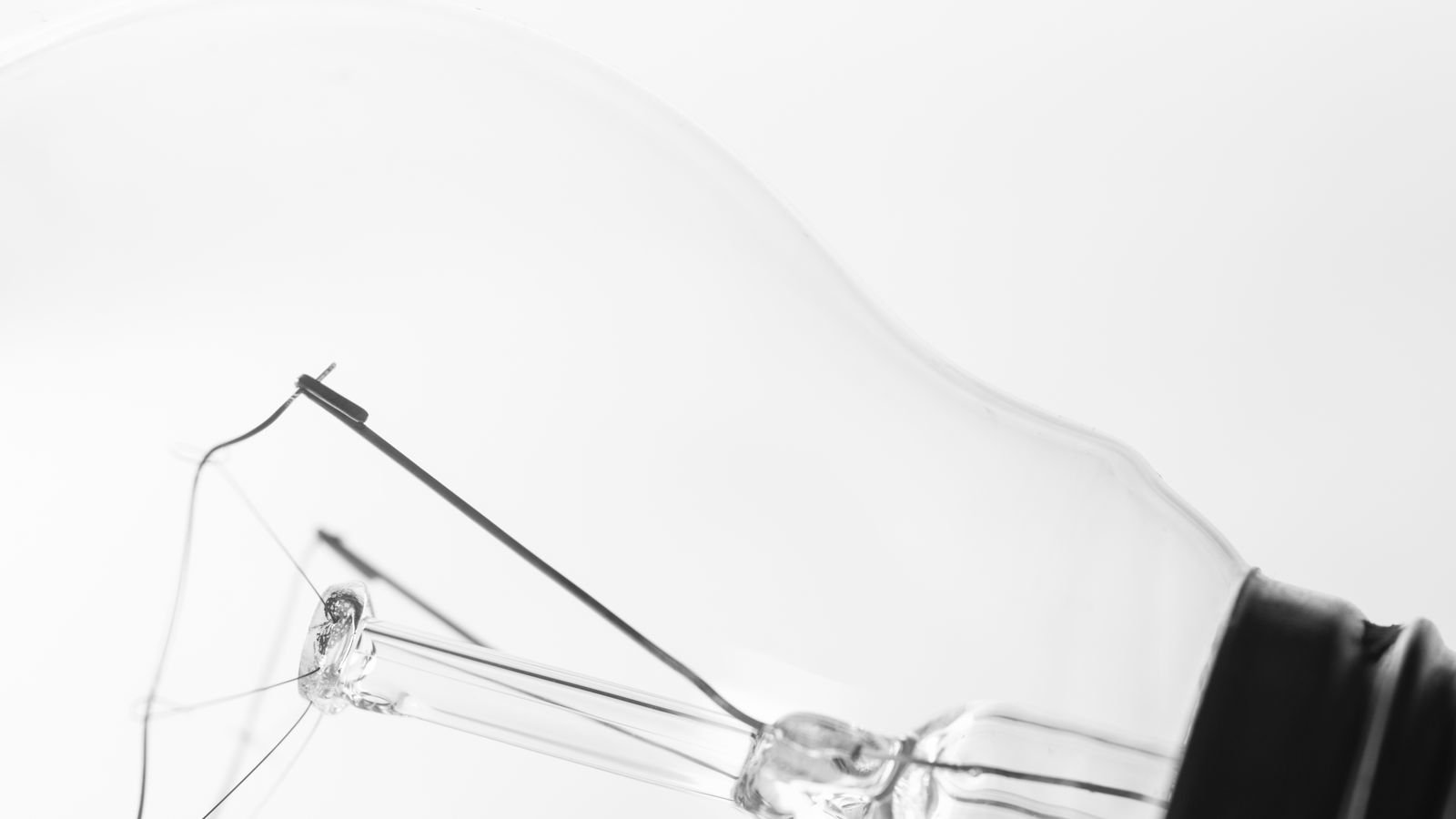
Shape codes pair a letter with a diameter in eighths of an inch. A19 is the familiar pear-shaped household bulb. BR30 and PAR38 are reflector shapes for recessed cans and floodlights. G25 is the round globe used above bathroom mirrors. Candle shapes are labelled B or C. Match both codes before ordering, and check physical length too, since some LED bulbs are taller than the incandescent they replace and will not fit inside a shallow shade.
Dimming: Where LEDs Cause Most Trouble
Not every LED dims, and not every dimmer suits LEDs. A non-dimmable LED on a dimmer circuit will flicker, buzz, dim in unpredictable steps or fail early. Older dimmers designed for incandescent loads often have a minimum load higher than a few LED bulbs can draw, which causes flicker at the low end and a refusal to switch on at all.
The fix is to buy bulbs explicitly labelled dimmable and pair them with an LED-compatible trailing-edge dimmer. Check the dimmer’s compatibility list, and keep all bulbs on one circuit the same make and model, since mixing brands is a reliable way to produce flicker. The comparison of dimmable LED light bulbs covers models that dim smoothly to low levels rather than cutting out at 20 percent.
Beam Angle and Light Distribution
Beam angle determines whether light spreads across a room or concentrates on a spot. Standard A-shape bulbs throw light roughly 180 to 270 degrees and are the right choice for general lighting. Reflector and spot bulbs narrow that to between 25 and 60 degrees, concentrating output where it is aimed.
Use narrow beams deliberately: over a kitchen island, on artwork, in a display cabinet. Use them accidentally and a living room ends up with bright pools on the floor and gloomy walls. Wall washing generally calls for wider beams placed closer to the wall than instinct suggests.
A Practical Buying Checklist
- Calculate the room’s total lumen requirement from its square footage and use.
- Choose a single colour temperature for that room and stick to it.
- Insist on CRI 90 or above anywhere colour matters.
- Confirm the base code and shape code against the existing bulb.
- Check physical dimensions against the shade or enclosure.
- Decide whether the circuit is dimmed, and if so buy dimmable bulbs plus a compatible dimmer.
- Check whether the fixture is fully enclosed, and buy bulbs rated for enclosed use if so.
- Compare rated lifespan and warranty, not just price per bulb.
If you want a shortlist that already balances these factors, the general roundup of the best light bulbs is a sensible starting point, and rooms that simply need maximum output are covered by the guide to bright light bulbs.
Frequently Asked Questions
Can I put a higher-lumen LED in a fixture rated 60 watts?
Usually yes. The wattage rating on a fixture is a heat limit, and a 15 watt LED producing 1,600 lumens draws far less power than the 60 watt incandescent the rating assumed. Check the LED’s own maximum ambient temperature if the fitting is fully enclosed.
Why do my LED bulbs keep failing early?
The three usual causes are heat in enclosed fittings, incompatible dimmers, and cheap driver electronics. LEDs fail from heat at the driver rather than the diode, so ventilation and dimmer compatibility fix most premature failures.
Is higher colour temperature brighter?
No. A 2700K and a 5000K bulb of the same lumen output emit identical amounts of light. Cooler light simply appears crisper, which people often misread as brighter.
What does an enclosed-rated bulb mean?
It means the bulb is designed to tolerate the trapped heat inside a sealed fitting such as a flush-mount ceiling dome. Using a non-rated bulb in one shortens its life dramatically and usually voids the warranty.
Do smart bulbs need different specifications?
They follow the same lumen, Kelvin, base and CRI rules, with the addition of a wireless protocol and the requirement that the wall switch stays powered on. Never put a smart bulb on a dimmer circuit.
Final Thoughts
The single change that improves most people’s lighting is to stop shopping by wattage. Work out the lumens the room needs, choose a colour temperature that suits its purpose, insist on a high CRI, and verify the base and shape before you buy. Those four decisions cover nearly everything that goes wrong with household lighting, and getting them right costs no more than getting them wrong.