 Owen Bradley
 An empty house advertises itself. Overflowing mail, dark windows every night, a lawn that keeps growing and a package sitting on the step for four days all say the same thing to anyone paying attention. Securing a home before a long vacation is less about buying hardware in a panic the night before and more about running a countdown that starts a week out, so each task lands when it is actually useful. This walkthrough gives you that countdown: what to arrange seven days ahead, what to set up the day before, and the final ten-minute lap you do with your bags already at the door.
Why the Week Before Matters More Than the Day Of
Most vacation break-ins are opportunistic. Someone notices a house that looks unoccupied, watches for a day or two, then tries the easiest entry point. Almost every signal that draws that attention accumulates over days, which means the countermeasures have to be arranged before you leave, not improvised at the airport. A mail hold takes a few days to activate, a neighbour needs advance notice to help, and a camera you install the night before will not have any baseline footage to compare against.
The second reason to start early is testing. Timers, locks and cameras all fail quietly. If you set them up a week ahead you get several evenings to confirm they behave the way you expected, which is the only way to know the lights really come on at dusk and the app really sends the alert.
What to Gather Before You Start
- Light timers or smart plugs for at least three rooms on different floors.
- A screwdriver and a tape measure for any lock or strike plate you plan to upgrade.
- 3-inch screws to replace the short screws in door strike plates and hinges.
- A phone with every relevant app installed and logged in, tested on cellular rather than home Wi-Fi.
- A written one-page sheet for whoever is checking the house: alarm code, your contact numbers, which lights are on timers, and what is normal.
The Seven-Day Countdown, Step by Step
- Seven days out: stop the deliveries. Place a mail hold, pause newspaper delivery, and reschedule any subscription boxes so nothing accumulates on the porch. If you cannot pause a delivery, redirect it to a work address or a neighbour. A single visible parcel is the cheapest signal a house is empty, and it costs nothing to remove.
- Six days out: recruit one human. Technology cannot move a flyer off the doorknob or park a car in your driveway. Ask one trusted neighbour to collect stray deliveries, put a bin out on collection day, and walk past once. Give them your travel dates, a contact number and a key only if you genuinely trust them with it. Tell them what will look unusual so they know when to call.
- Five days out: set the lighting schedule. Program timers so a living area lights up in the early evening, a bedroom or hallway takes over later, and everything goes dark at a believable hour. Vary the times by fifteen or twenty minutes rather than firing at exactly 7:00 every night. Choosing hardware with randomisation and dusk-to-dawn modes makes this far more convincing, and our roundup of the best indoor light timers covers models that do it without fuss. For the programming detail itself, our walkthrough on how to program a light timer for vacation security steps through building a realistic schedule.
- Four days out: audit every lock. Walk the perimeter and test each exterior door, window, garage side door, gate and basement hatch. Replace the short screws in strike plates and hinges with 3-inch screws that reach the wall stud, which is the single cheapest upgrade against kicked-in doors. If any deadbolt feels loose, sticky or older than you can remember, this is the week to change it. Keyless options that let you issue a temporary code to a house-sitter and revoke it later are worth considering, and the best smart locks comparison explains which mechanisms suit which door types.
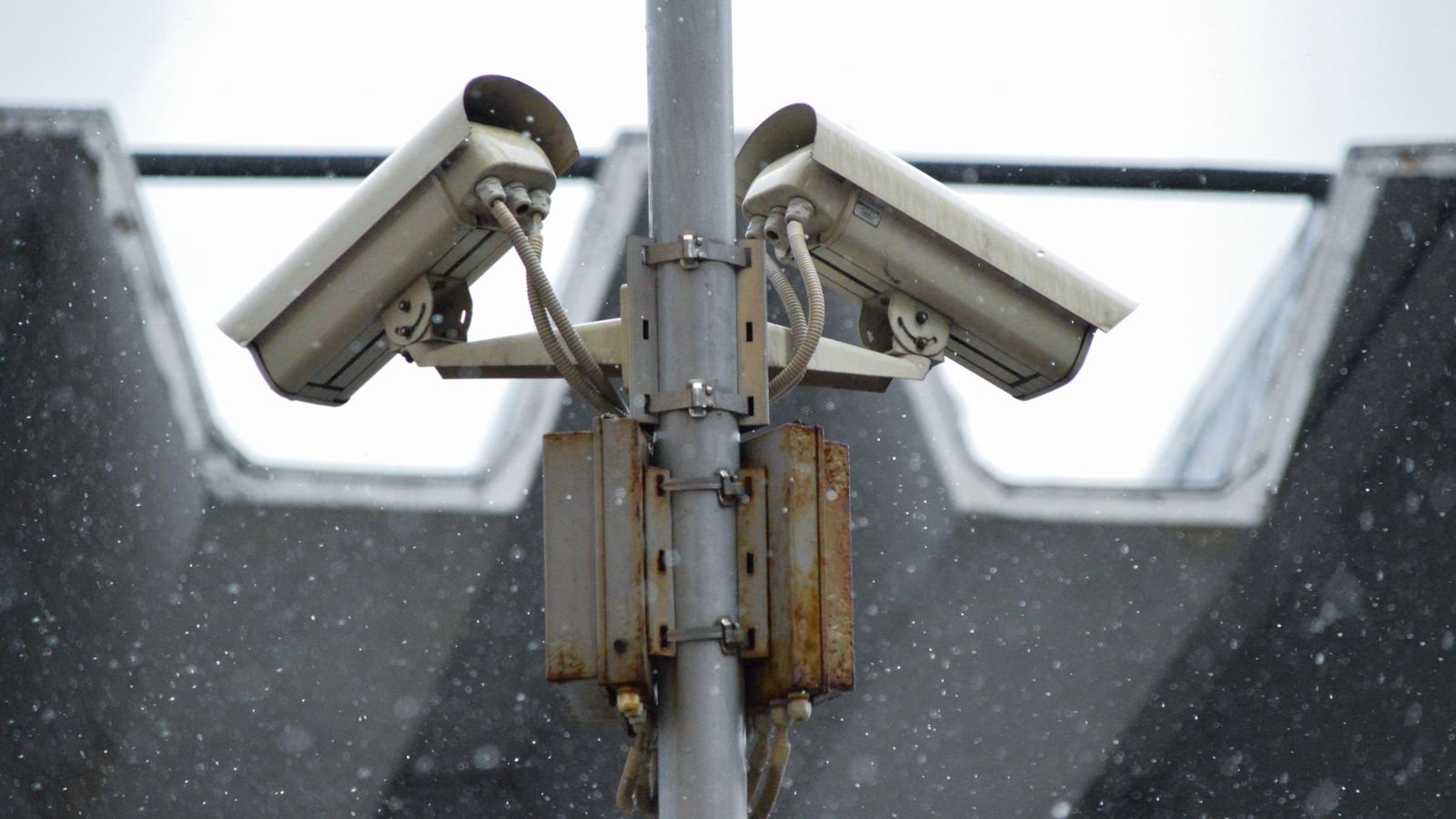
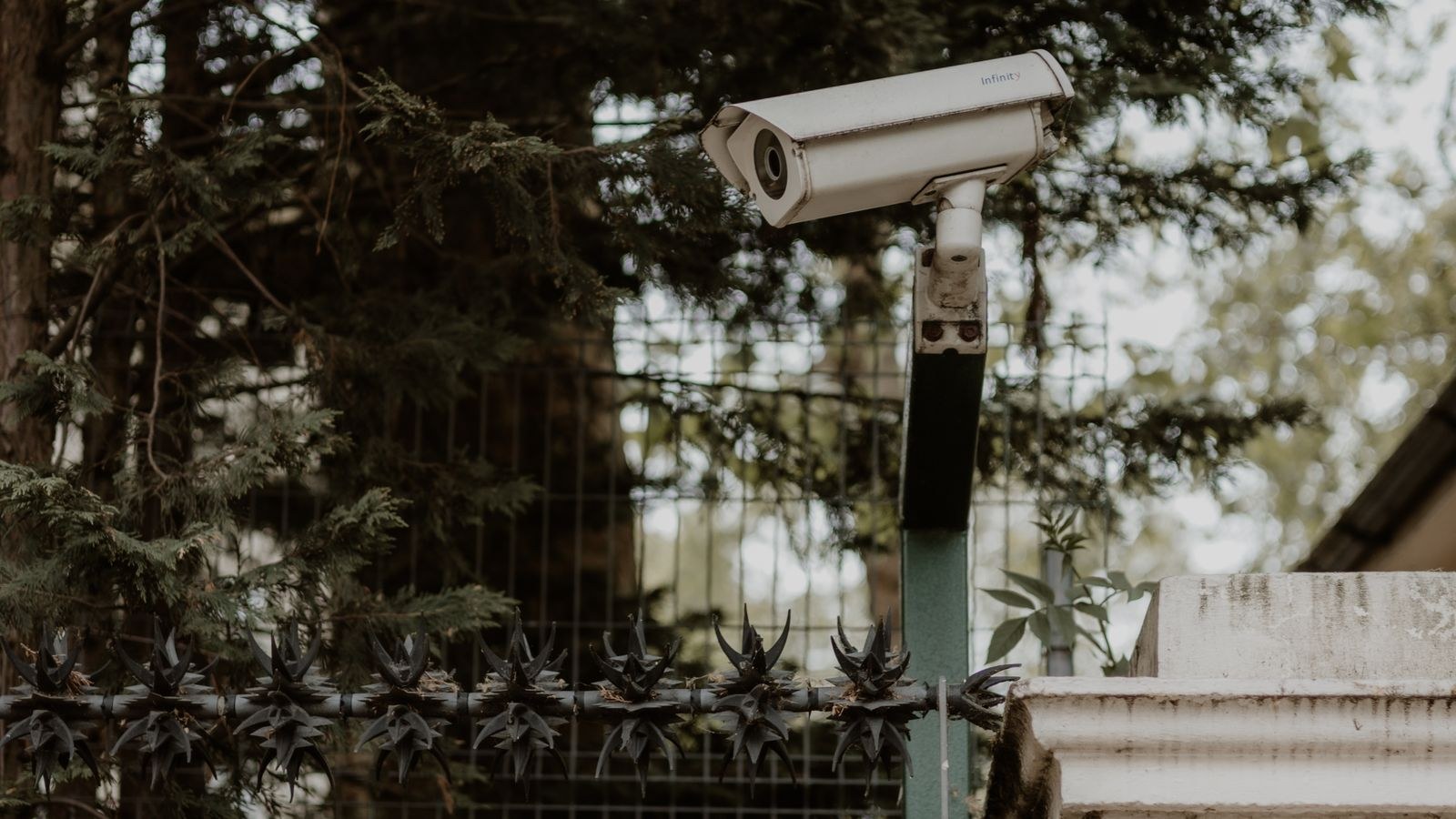
- Three days out: verify the cameras and the alarm. Open each camera feed on cellular data, not home Wi-Fi, so you know it works the way it will while you are away. Check the field of view actually covers the approach to the door, confirm motion alerts arrive within seconds, and make sure recordings are saved to the cloud rather than only to a card an intruder could take. If coverage has gaps, our guide to the best security cameras helps you pick placements that read faces instead of silhouettes, and full home security systems add monitored sensors for households that want an alert going somewhere other than a phone in another time zone.
- Two days out: deal with the outside of the house. Mow the lawn, trim shrubs that screen ground-floor windows, and put away ladders, garden tools and anything else that could be used to reach a second-floor window. Arrange lawn care or snow clearing if you will be gone long enough for it to show. Point one motion light at the darkest approach.
- One day out: reduce what a burglary would cost. Move small valuables, spare keys, passports and jewellery out of the master bedroom, which is where searches always begin. Photograph serial numbers of expensive electronics. Take the spare key from under the mat, the planter and the fake rock, because every one of those hiding places is checked within a minute.
- Departure day: run the physical lap. Lock and pin every window, drop a bar into any sliding door track, close the blinds on rooms holding electronics but leave curtains in normal daytime positions elsewhere so the house does not look sealed. Unplug unnecessary electronics, turn the water supply off at the main if freezing is possible, set the thermostat to a safe holding temperature, and empty the kitchen bin.
- Last ten minutes: arm and confirm. Arm the alarm, check that each camera reports online, confirm the timers are enabled rather than paused, and send your house-sitter a message with your dates. Do a final walk-through of every exterior door with the handle in your hand, since a door that looks shut is not always latched.
Safety and Privacy Considerations
Say nothing about the trip publicly until you are home. Real-time posts, an out-of-office auto-reply that names your dates, and even a voicemail greeting mentioning travel all leak the one fact you want withheld. Ask family members, especially teenagers, to hold their photos until you return.
Do not leave a note for a courier taped to the door explaining you are away. Do not leave every light burning around the clock, which reads as artificial as total darkness. And keep at least one person able to reach the house physically; a camera can only tell you something is wrong, it cannot do anything about it.
Troubleshooting Common Problems
If a timer fires but the lamp stays dark, check whether the bulb is dimmable and compatible with the timer or plug, since LED bulbs sometimes flicker or fail on older mechanical units. If a camera drops offline overnight, its signal is probably marginal; move the router, add a mesh node, or reposition the camera before you leave rather than hoping.
If motion alerts flood your phone, tighten the detection zone to exclude the street and any tree that moves in wind, and raise the sensitivity threshold. An alert stream you learn to ignore is worse than no alerts. If a smart lock refuses a remote command, confirm its bridge is powered and on the same network, and always keep a physical key with a trusted local contact as a fallback.
Mistakes That Undo the Whole Plan
The classic error is leaving a garage door opener clipped to the visor of a car parked outside, which hands over the least protected entrance in the house. Another is the fully symmetrical light schedule that switches identical lamps at identical times every night. A third is arranging every digital measure and forgetting the mail hold, so the porch quietly announces the truth anyway.
Two smaller ones matter more than people think: leaving the alarm unarmed because a pet triggers it, rather than adjusting the sensor zones properly, and giving out the alarm code so widely that it stops being a secret. Fix the sensor, and issue individual codes you can revoke.

Frequently Asked Questions
How many lights should be on timers?
Three is the practical minimum: a downstairs living space, an upstairs room, and a hallway or bathroom. Staggering them creates the impression of someone moving through the house rather than one lamp burning alone.
Should I tell the police I am away?
Some departments run vacation-watch programmes where a patrol drives past occasionally. It costs nothing to ask, though a neighbour who checks daily is far more useful than an occasional drive-by.
Is a barking dog recording worth it?
It can add a moment of hesitation, but it is a novelty layer, not a deterrent by itself. Spend the money on lighting, locks and a visible camera first.
Do I need to turn off the water?
For trips longer than a week, yes. A failed washing machine hose or a frozen pipe causes far more damage over ten unattended days than most burglaries, and the shutoff takes thirty seconds.
Final Thoughts
Securing a home before a long vacation comes down to removing the signals that say nobody is here and making entry slow enough to be unattractive. Stop deliveries, get one neighbour involved, stagger the lights, upgrade the strike plates, verify the cameras on cellular, clear the yard, and finish with a physical lap of every door and window. None of it takes long individually, and spread across a week it barely registers. Run the countdown once, save it as a note on your phone, and every trip you take in 2026 and after starts from a house that looks lived in and behaves like it is.