Owen Bradley
 Bedrooms collect more dust than any other room in the house, and they are also where you spend eight uninterrupted hours breathing it. Skin flakes, textile fibres from bedding and carpet, pet dander and outdoor particles all settle onto surfaces overnight and get stirred back into the air every time you move. If you wake congested, sneeze in the first ten minutes of the day, or find grey fluff returning to the nightstand two days after cleaning, the fix is a routine rather than a one-off blitz. This guide sets out a weekly system covering bedding, filters, vacuuming order and airflow, in the sequence that actually works.
Where Bedroom Dust Actually Comes From
Household dust is mostly a blend of shed skin cells, fabric fibres, soil tracked in on shoes, pet dander, and fine outdoor particulate that drifts in through windows and gaps. In a bedroom the balance tilts heavily towards skin and fibre, because a bed sheds both continuously.
The part that matters for allergies is smaller than the fluff you can see. Dust mites feed on skin flakes and thrive in mattresses, pillows and carpet whenever humidity climbs above about 50 percent. Their waste particles are the actual allergen, and they are light enough to stay airborne for a long time once disturbed. That is why reducing dust in a bedroom is really two jobs at once: removing what has settled, and stopping what remains from becoming airborne.
What You Need
- A vacuum with a sealed HEPA filtration system, plus a crevice tool and an upholstery head.
- Microfibre cloths, which trap fine particles rather than pushing them into the air the way dry dusters do.
- Zippered allergen-proof covers for the mattress, pillows and duvet.
- A hygrometer to keep bedroom humidity between 40 and 50 percent.
- An air purifier sized for the room, and fresh HVAC filters at MERV 11 to 13.
Step-by-Step: The Weekly Bedroom Dust Routine
- Start high, finish low, every single time. Dust falls. If you vacuum the carpet before wiping the shelves, you simply resettle everything you just picked up. Work ceiling fan and light fittings first, then tops of wardrobes, then shelves and picture frames, then furniture surfaces, then skirting boards, then the floor last.
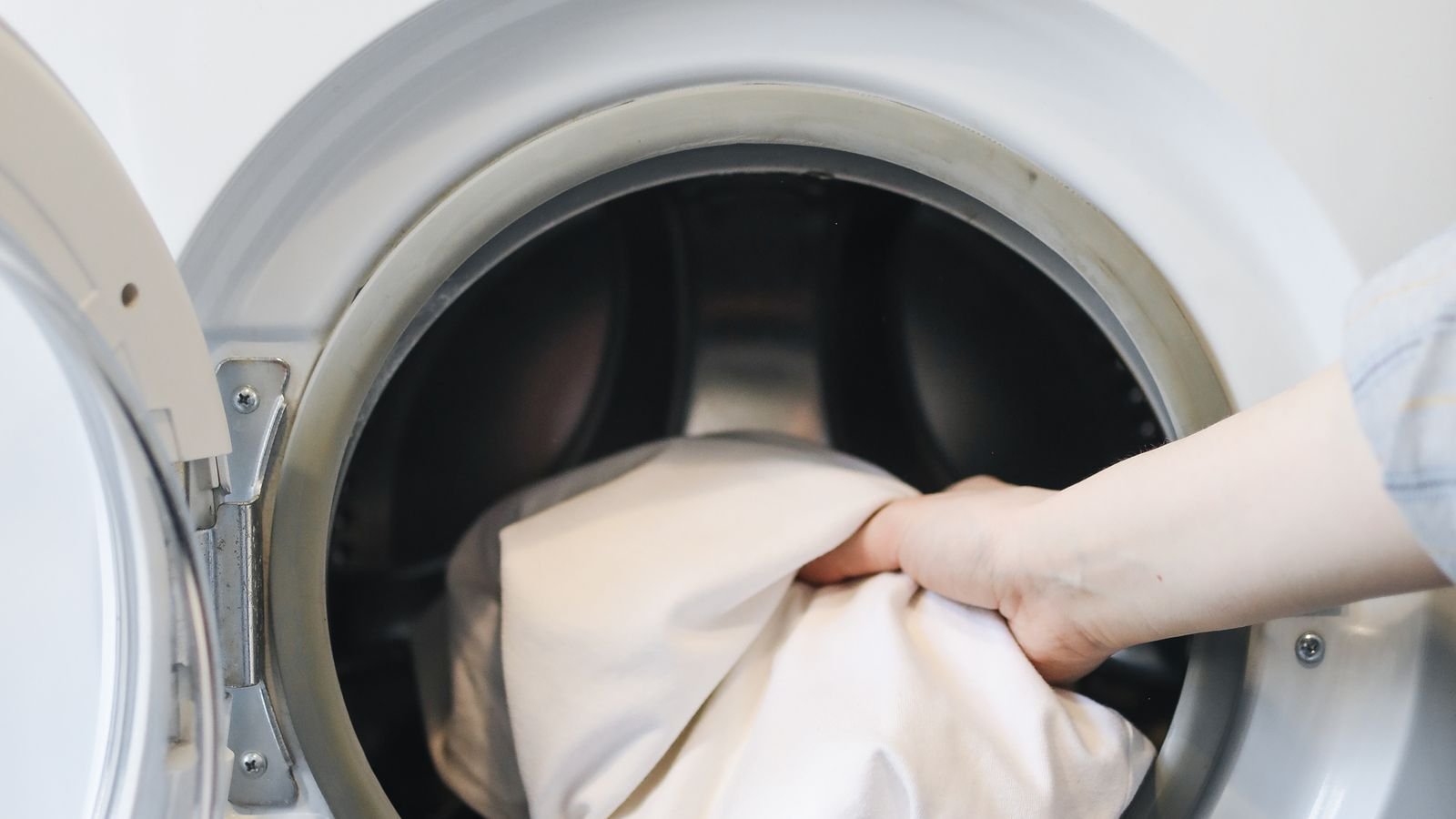
- Strip and wash bedding weekly at 130F or above. Temperature is the point, not detergent. Water at 130F or hotter kills dust mites; a cool wash simply relocates them. Sheets and pillowcases weekly, duvet covers every two weeks, and pillows and duvets themselves every three to six months.
- Fit allergen-proof encasements. A tightly woven zippered cover on the mattress and each pillow physically separates you from the largest mite reservoir in the house. This is the single highest-impact change for most allergy sufferers, and it costs less than a new pillow.
- Wipe with damp microfibre, never dry feather dusters. Lightly dampen the cloth so particles bond to it. Rinse the cloth in a bucket rather than the bathroom sink, and wash the cloths separately on a hot cycle afterwards.
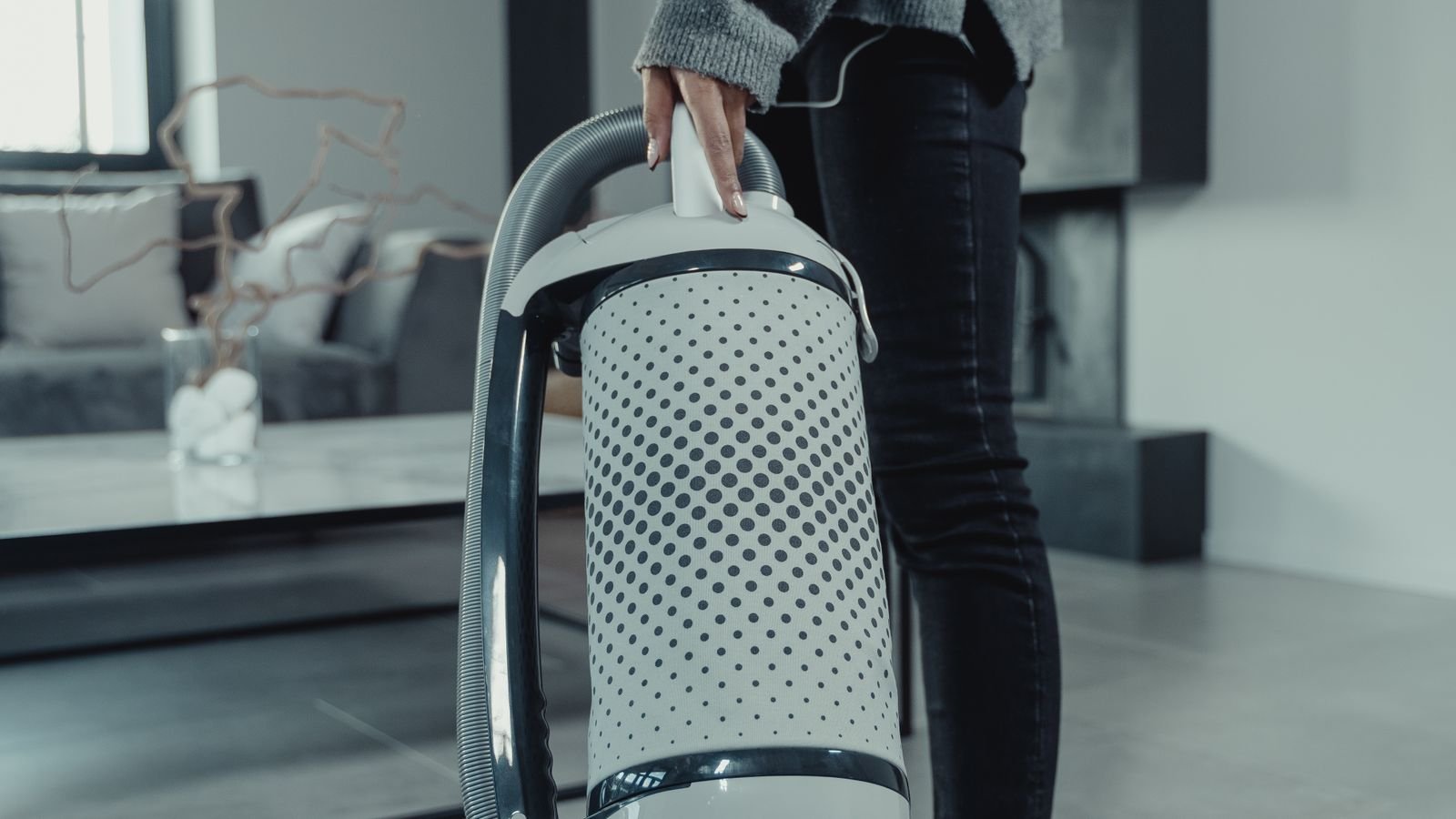
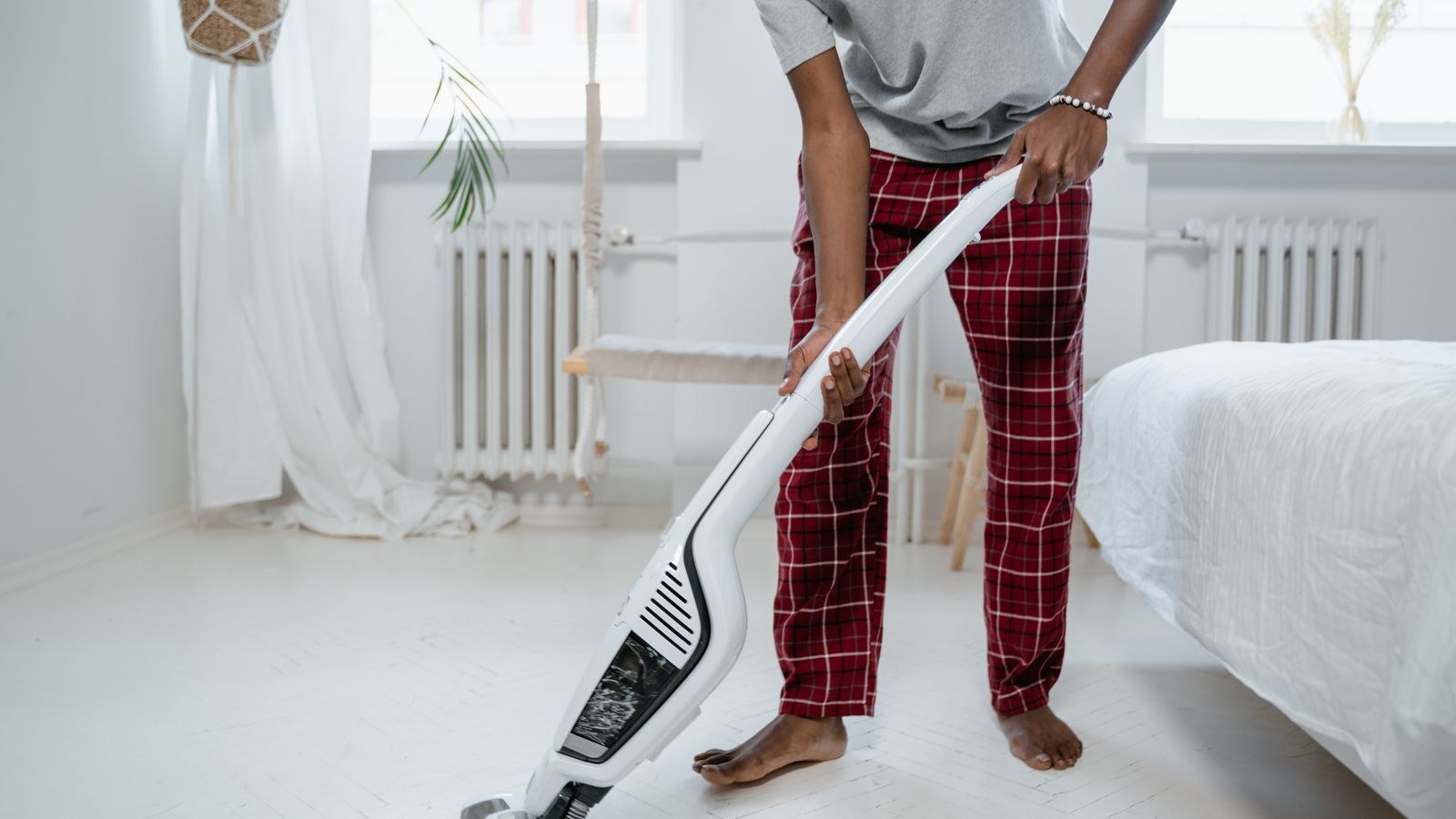
- Vacuum slowly and in overlapping passes. Speed is the most common error. Two slow passes in perpendicular directions lift far more embedded dust than six quick strokes. Cover the whole floor including under the bed, which is usually the heaviest deposit in the room.
- Vacuum the mattress and upholstery monthly. Use the upholstery head across the mattress surface and sides, then the crevice tool along seams and buttons. Do the same for fabric headboards and any bedroom chair.
- Attack the hidden reservoirs. Curtains, blinds, lampshades, radiator fins, the tops of door frames and behind the wardrobe hold enormous amounts of dust. Wash curtains twice a year, wipe blind slats monthly, and vacuum radiator fins with the crevice tool.
- Cut the clutter on flat surfaces. Every ornament, stack of books and open shelf is another surface to dust. Moving items into closed storage removes the work rather than adding to it.
- Change your HVAC filter on schedule. A MERV 11 to 13 pleated filter captures a large share of circulating dust before it reaches the bedroom. Replace it every 90 days, or every 60 with pets, and check that supply and return vents are not blocked by furniture.
- Run an air purifier continuously. A HEPA unit sized for the room removes fine particles that settle out too slowly on their own. Run it on a low, quiet speed overnight rather than switching it on for an hour before bed.
- Control humidity. Keep the room between 40 and 50 percent. Above 50 percent mites multiply rapidly; below 30 percent the air feels harsh and dust becomes more easily airborne through static.
- Change the entry rules. Shoes off at the door, pets off the bed if you can manage it, and clothes worn outdoors kept in a closed wardrobe or hamper rather than draped over a chair.
Choosing Equipment That Makes the Routine Easier
Vacuum filtration is where most people lose the battle. A machine without sealed HEPA filtration passes fine dust straight through the motor housing and back into the room, which is why some people feel worse right after cleaning. Sealed systems keep captured particles inside the body of the machine. Our roundup of the best vacuums for allergies focuses specifically on sealed filtration and the attachments that matter for mattresses and upholstery.
For air cleaning, match the unit’s clean air delivery rate to your bedroom square footage so it can turn the air over four or five times an hour at a fan speed quiet enough to sleep through. The units in our list of the best room air purifiers for allergies combine true HEPA media with carbon layers, and our best air purifiers for bedrooms comparison prioritises low noise on the overnight setting. If you want to compare pure filtration performance across sizes, the best HEPA room air purifiers roundup covers the range. Placement then decides how much of that capability you actually get, and our walkthrough on how to set up an air purifier in a bedroom explains why a corner position behind furniture wastes most of the airflow.
Airflow and Ventilation
Ventilation is a balancing act. Fresh air dilutes indoor particles and keeps humidity in check, but an open window on a high pollen or high traffic day pulls in more than it clears. Ventilate when outdoor air quality is good, ideally in the morning, and keep windows closed during pollen peaks with the purifier running instead.
Inside the room, avoid pointing fans directly at carpet or bedding, which resuspends settled dust rather than removing it. Aim airflow across the room or towards the ceiling. Check that supply vents are open and unobstructed, and vacuum vent grilles when you do the skirting boards.
Common Mistakes to Avoid
- Dusting after vacuuming. Always work top to bottom or you double the work.
- Dry feather dusters. They launch particles into the air instead of capturing them.
- Washing bedding cool. Below 130F the mites survive the cycle.
- Vacuuming too fast. Slow overlapping passes remove several times more embedded dust.
- Using a bagless vacuum without sealed filtration. Emptying the bin indoors undoes the whole session.
- Ignoring under the bed. It is usually the single dustiest square metre in the room.
- Running the purifier only when the room feels stuffy. Continuous low-speed operation works far better than short bursts.
Frequently Asked Questions
How often should I wash bedding to control dust mites?
Sheets and pillowcases weekly at 130F or above. Duvet covers every two weeks, and pillows and duvets themselves every three to six months.
Do air purifiers actually reduce settled dust?
They capture airborne particles before those particles settle, so surfaces get dusty more slowly. They do not remove dust already lying on a shelf, which is why cleaning and filtration work together.
Is carpet worse than hard flooring for dust?
Carpet holds far more dust and mite allergen, though it also holds it down until disturbed. Hard flooring shows dust sooner but releases it into the air more readily, so it needs damp mopping rather than sweeping.
Should I use a dehumidifier in the bedroom?
If humidity sits above 55 percent, yes. Bringing the room into the 40 to 50 percent band substantially slows dust mite reproduction without drying the air uncomfortably.
Why is there more dust in winter?
Closed windows, heating systems circulating air constantly and heavier bedding all raise indoor particle levels. Filter changes and continuous purifier use matter most during the heating season.
Final Thoughts
Reducing dust in a bedroom is a system rather than a deep clean. Encase the mattress and pillows, wash bedding hot every week, clean from ceiling to floor in that order with damp microfibre, vacuum slowly with sealed HEPA filtration, keep humidity between 40 and 50 percent, and run a properly sized purifier around the clock. Give it two or three weeks and most people notice easier mornings before they notice cleaner shelves. Build the routine into one regular slot each week and you can keep your bedroom air genuinely clear all through 2026.