Owen Bradley
 Airport security seizes power banks every day, and almost never because the traveler was doing anything reckless. The rules are specific, the printed markings on many batteries are unhelpful, and screening officers apply the limits strictly because lithium cells are one of the few genuine fire risks on an aircraft. The good news is that the requirements are simple once you know what to look for, and the vast majority of consumer battery packs are perfectly legal to fly with. What gets them confiscated is packaging them in the wrong bag, failing to show a capacity rating, or exceeding a watt-hour limit the owner never checked. This guide walks through how to fly with a power bank without losing it, from calculating the rating to packing it so it clears screening on the first pass.
The Two Rules That Decide Everything
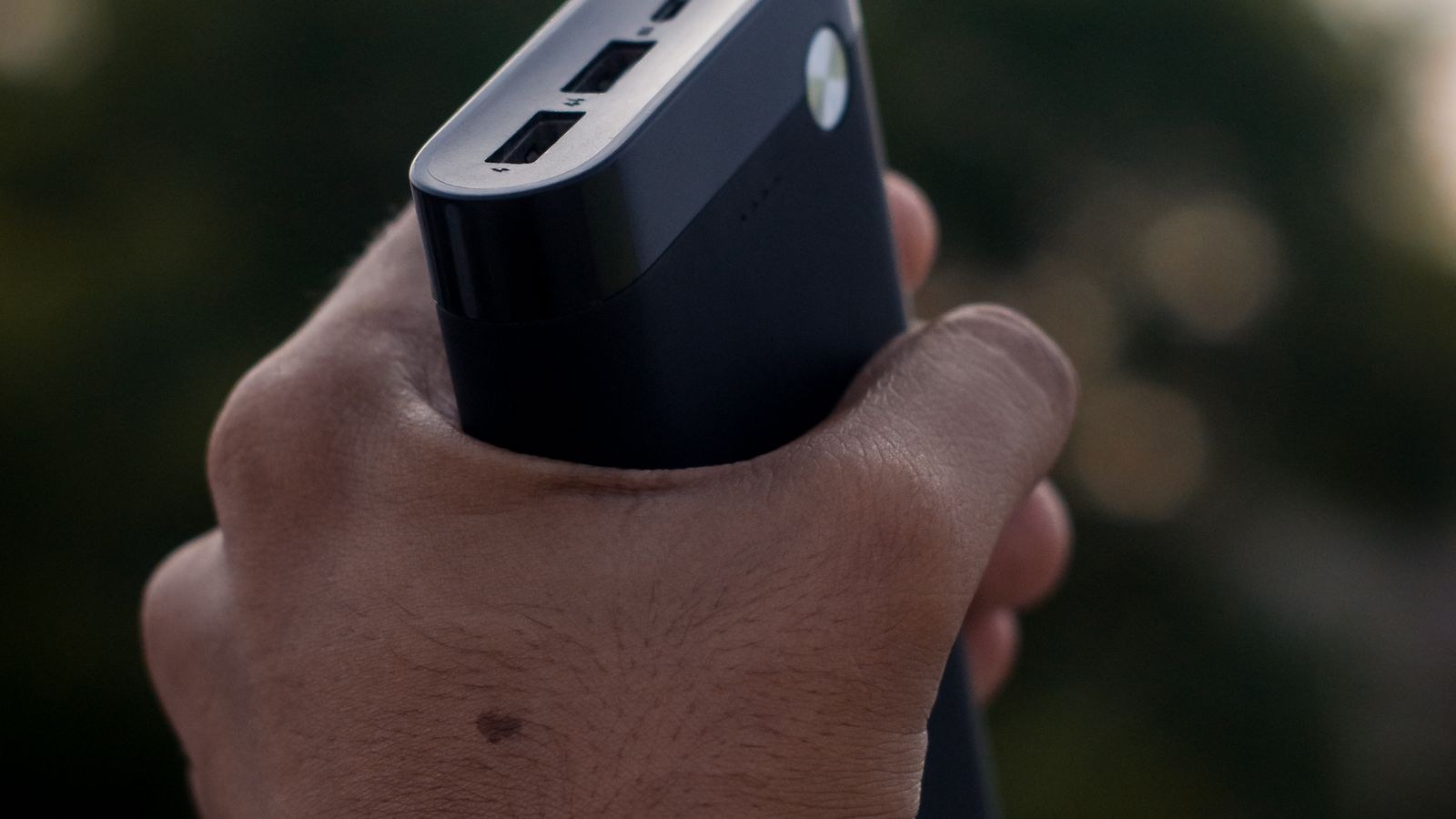
Nearly every confiscation traces back to one of two rules, and both are consistent across most of the world’s aviation authorities.
First, lithium batteries must travel in the cabin. Spare batteries and power banks are prohibited in checked baggage. The reasoning is straightforward: a battery fault in the hold is undetectable and unreachable, while in the cabin it can be seen and dealt with immediately. This applies even if you plan to gate-check a roller bag, which is where a lot of travelers get caught out.
Second, capacity is measured in watt-hours, not milliamp-hours. Packs under 100Wh are generally allowed without any approval. Packs between 100Wh and 160Wh usually require airline approval in advance and are typically limited to two per passenger. Anything above 160Wh is normally refused outright on passenger aircraft. Since most consumer packs advertise milliamp-hours instead, you often have to do the conversion yourself.
What to Prepare Before You Leave
- The watt-hour figure for each pack, either read off the case or calculated.
- Electrical tape or the original caps for covering exposed terminals on loose batteries.
- A clear plastic bag or padded pouch for each spare pack, so they are not loose against keys and coins.
- Your airline’s battery policy, checked on their site if you carry anything near 100Wh.
- A carry-on bag you will genuinely keep with you, not one likely to be gate-checked on a full flight.
Step-by-Step: Getting Your Power Bank Through Security
- Find the rating printed on the pack. Look on the underside or along an edge. Many packs print the watt-hour figure directly, often as something like “74Wh”. If it is there, you are done with the math.
- Convert milliamp-hours if no watt-hour figure exists. Multiply the milliamp-hour rating by the cell voltage, which is 3.7V for almost all lithium-ion packs, then divide by 1000. A 20,000mAh pack works out to 74Wh, comfortably under the limit. A 26,800mAh pack lands near 99Wh, right at the edge but still legal.
- Identify anything over 100Wh. Large packs sold for powering laptops all day, and portable power stations, frequently exceed the limit. Contact the airline before the day of travel. Approval is often granted for the 100 to 160Wh band, but it must be arranged in advance and is rarely given at the checkpoint.
- Make the rating readable. If the label has worn off, the officer has no way to verify capacity and the safe decision for them is to refuse it. Rewrite the figure with a permanent marker, or carry a photo of the original packaging or product listing.
- Tape exposed terminals on loose cells. This applies to spare camera batteries, AA lithium cells, and any bare battery rather than an enclosed power bank. A strip of electrical tape over the contacts prevents a short circuit against metal objects in your bag.
- Pack every battery in your carry-on. Place them where you can reach them quickly, because officers often ask for larger electronics and battery packs to be removed and screened separately.
- Separate each pack. Keep power banks from touching one another or loose metal. A dedicated pouch or a simple zip bag is enough.
- Declare when asked, and do not argue at the belt. Present the pack, point to the printed rating, and let the officer verify it. If your bag might be gate-checked, remove the batteries and carry them on your person before boarding.
Special Cases Worth Knowing
Some destinations and carriers apply additional restrictions on top of the standard limits. A growing number of airlines now prohibit using or charging a power bank during the flight, and some require it to stay in the seat pocket or under the seat rather than in the overhead bin, so it stays visible. Check the carrier’s current rules rather than relying on what was true a few trips ago.
Smart luggage with built-in batteries is treated as a special case almost everywhere. If the battery is removable, remove it and carry it in the cabin. If it is not removable, many airlines will not accept the bag at all. Solar chargers with integrated cells fall under the same watt-hour rules as any other pack.
Quantity limits also apply in practice. Even when each pack is legal, carrying a dozen of them looks like commercial transport rather than personal use, and officers may refuse the excess. Two or three packs for personal devices raises no eyebrows.
Protecting Your Gear in Transit
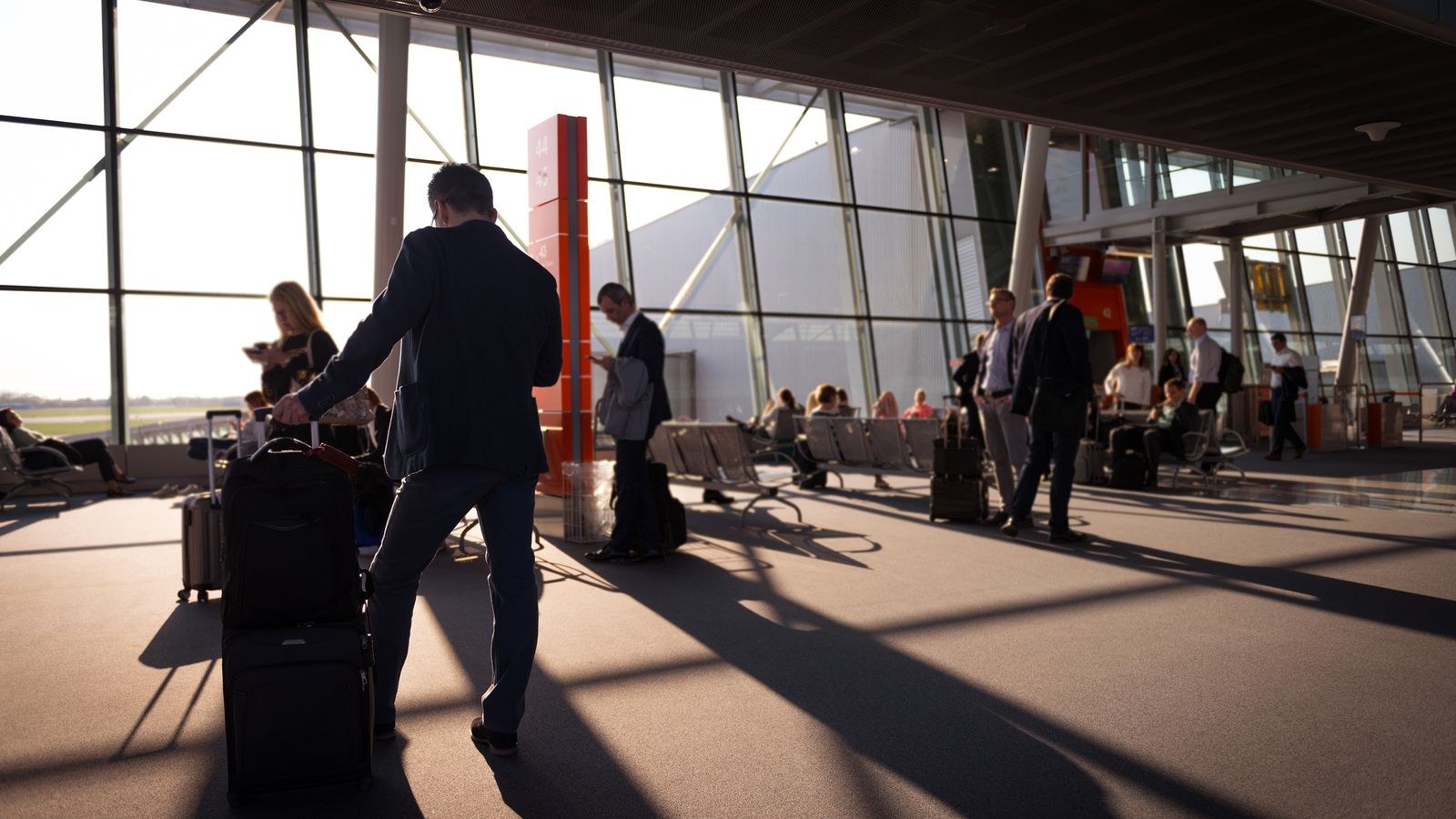
Losing a power bank to a screening officer is one risk. Losing it to theft in a crowded terminal is another, and it happens more often than most travelers expect, usually at security trays and gate seating areas. A bag with lockable zips and slash-resistant panels makes casual theft far harder, and the roundup of the best anti-theft bags for travel compares designs that still open quickly for screening, which matters when you need to pull out batteries and laptops at speed.
Keep your charging chain small and deliberate. One capable pack, one high-wattage cable, and one wall adapter cover almost every scenario, and a smaller kit is easier to keep track of. If connectivity is part of your travel setup, a compact router from the best travel routers can share a single hotel connection across your devices, while the ultralight options in the best portable routers run happily off the same USB-C pack you use for phones. For a broader look at building a mobile setup that stays online from airports to rentals, the guide on using a travel mobile router for staying connected anywhere covers the tradeoffs between tethering, hotel networks, and dedicated hardware.
At home, the recharge side deserves as much thought as the pack. Refilling a large battery through a low-wattage adapter can take most of a night, which is fine before a trip and useless during a layover. Wall receptacles with built-in high-wattage ports, such as those covered in the best USB-C outlets, top a pack up fast enough to be useful between flights.
Common Mistakes Travelers Make
The most frequent error is assuming milliamp-hours and watt-hours are interchangeable. A 30,000mAh pack sounds fine to someone who has heard the number 100 associated with the limit, but it converts to roughly 111Wh and needs airline approval.
The second is packing a battery in a bag that ends up in the hold. Overhead bins fill fast on full flights, and a gate-check announcement is not the moment to start digging through a packed bag on a jet bridge. Decide in advance where your batteries live and keep them in a personal item.
The third is buying an unlabeled pack. Cheap unbranded batteries frequently ship with no capacity marking or an obviously inflated one. Without a credible rating, you are relying on the officer’s goodwill.
Frequently Asked Questions
Can a power bank go in checked luggage?
No. Spare lithium batteries and power banks must travel in the cabin. This is one of the most consistently enforced rules in aviation.
What size power bank is allowed on a plane?
Up to 100Wh with no approval needed, which covers most packs up to roughly 26,000mAh. Between 100Wh and 160Wh you generally need advance airline approval, usually for a maximum of two units.
How do I convert mAh to Wh?
Multiply the milliamp-hour rating by 3.7, then divide by 1000. A 10,000mAh pack is 37Wh, and a 20,000mAh pack is 74Wh.
Can I charge my phone from a power bank during the flight?
It depends on the airline. Several carriers now prohibit in-flight use of power banks and require them to be stowed where cabin crew can see them. Check before you board.
What if my power bank has no rating printed on it?
Assume it will be questioned. Carry a photo of the product listing or the original box showing capacity, or replace it with a clearly marked pack before you travel in 2026.
Final Thoughts
Flying with a power bank is routine when you handle three things: know the watt-hour figure, keep every battery in the cabin, and make sure the rating is readable. Those three checks take about two minutes at home and eliminate nearly every reason a pack gets pulled at screening. Choose clearly labeled batteries under 100Wh, pack them in something you will never hand over at the gate, and your charging kit will land with you every time.