Owen Bradley
 Every home seems to have that one room where Wi-Fi barely works — the basement, the far bedroom, or the backyard patio. These dead zones are frustrating but almost always fixable once you understand what’s actually causing them. This guide walks through the real reasons Wi-Fi signals fail to reach certain areas and the most effective solutions for each scenario, starting with the free fixes before you spend a dollar.
What Causes Wi-Fi Dead Zones
Wi-Fi signals weaken with distance and are further degraded by physical obstructions. Dense materials like concrete, brick, and metal significantly block wireless signals, while everyday interference from microwaves, cordless phones, baby monitors, and neighboring Wi-Fi networks can also degrade performance. Multi-story homes add another layer of difficulty, since signals have to pass through floors as well as walls to reach upper or lower levels.
It helps to distinguish between two different problems that both feel like dead zones. A true dead zone has essentially no usable signal, usually due to distance or heavy obstruction. A weak or unstable zone has signal that comes and goes, typically due to interference. The fixes differ, so identifying which you’re facing saves time and money.
Diagnosing the Problem Before Buying Anything
Before spending money on new equipment, use a Wi-Fi analyzer app on your phone to walk through your home and identify exactly where signal strength drops. This helps distinguish between a true dead zone, where signal is essentially absent, and a weak zone, where signal exists but is unreliable. The fix for each can be different, so accurate diagnosis saves you from buying the wrong solution.
Pay attention to whether the problem is constant or intermittent. A spot that’s fine in the morning but unusable in the evening points to congestion from neighboring networks during peak hours, while a spot that’s always weak points to distance or obstruction. This simple observation guides your entire approach.
Simple Fixes: Router Placement
Often the cheapest and most effective fix is simply relocating your router. Central, elevated placement away from walls, metal furniture, and electronics dramatically improves coverage in many homes. Avoid tucking the router into a closet, behind the TV cabinet, or in a basement corner — these common placements are a leading cause of dead zones that have nothing to do with the router’s actual capability.
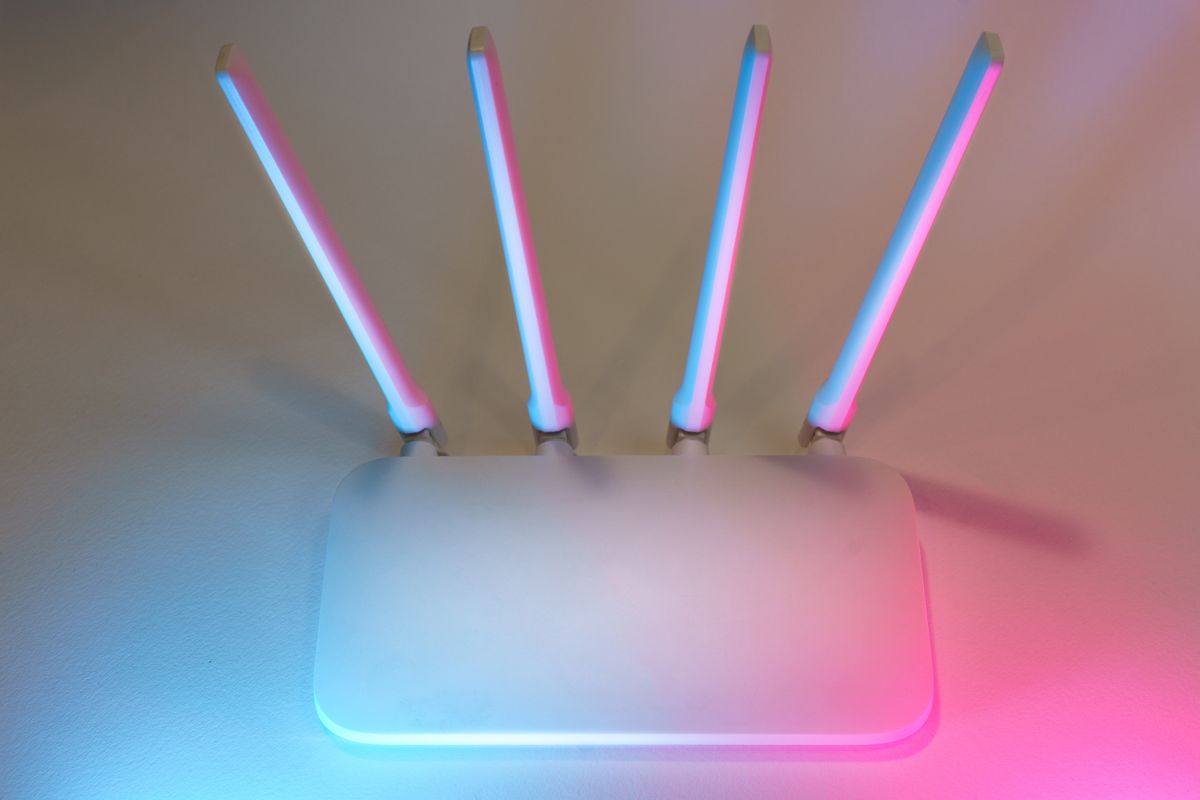
If your router has external antennas, experiment with their orientation. Positioning some vertically and some horizontally can help reach devices on different floors, since a router’s signal radiates outward perpendicular to its antennas. A few minutes of adjustment can noticeably improve a marginal room.
Adjusting Wi-Fi Channels and Bands
In crowded areas like apartment buildings, dead zones can actually be interference zones caused by overlapping Wi-Fi channels from neighboring networks. Switching your router to a less congested channel, or ensuring it automatically selects the best channel, can resolve intermittent weak spots without any new hardware. The 5GHz band also handles congestion better than 2.4GHz in these environments, though it has shorter range.
A practical strategy is to use 2.4GHz for devices that are far from the router and need range, while reserving the faster, less congested 5GHz band for devices close to the router. Many routers let you steer devices between bands automatically, which balances range and speed intelligently.

Using Mesh Extenders for Persistent Dead Zones
When simple placement adjustments aren’t enough, mesh extenders provide the most reliable long-term fix. Unlike older-style range extenders that simply rebroadcast a weaker signal, true mesh extenders communicate directly with your main router and hand off your devices seamlessly as you move through the house, maintaining a single unified network name throughout. For homes with one or two stubborn dead zones, the best mesh extenders are specifically designed to integrate smoothly with an existing router setup.
The seamless handoff matters most for devices you carry around, like phones and laptops. With a mesh extender, a video call won’t drop as you walk from the living room to the back bedroom, because your device transitions to the nearest node automatically without switching networks.
Using Internet Extenders for Broader Coverage Gaps
If your dead zones cover a larger portion of the home rather than just one or two rooms, a more comprehensive extender solution designed for broader coverage may be a better fit than adding several individual mesh nodes. These systems are built to stretch coverage across bigger distances while still maintaining reasonable speed. The best internet extenders are a good option when you need to cover significant additional square footage beyond your router’s natural reach.
Replacing Your Router Entirely
Sometimes the underlying issue is simply that your router is outdated or underpowered for your home’s size. If dead zones exist throughout much of the house rather than in just one or two rooms, upgrading to a router with stronger antennas and better range may solve the problem more efficiently than adding extenders. The best long-range routers are built with more powerful radios and antenna arrays specifically to push signal further without additional hardware.
A router that’s more than four or five years old may also lack modern efficiency features that help it manage many devices and reach further. In these cases, a single upgrade can resolve multiple weak spots at once, making it more cost-effective than patching the problem with extenders.
Wired Backhaul for the Best Results
Whenever possible, connect extenders or mesh nodes to your main router using an Ethernet cable rather than relying entirely on wireless backhaul. This eliminates the bandwidth penalty that comes from nodes communicating wirelessly, resulting in faster, more consistent speeds in the previously dead zone, particularly important for streaming or gaming in that area.
Considering Powerline Adapters
In homes where running Ethernet cable isn’t practical but wireless backhaul performs poorly due to thick walls, powerline adapters that use your home’s electrical wiring to carry network signal can be a useful alternative. Performance varies depending on your home’s electrical system and wiring age, but it’s worth testing in stubborn cases where other solutions have failed, especially for reaching detached areas like a garage or basement office.
Testing After Each Change
After making any adjustment — whether repositioning the router, adding an extender, or switching channels — retest the affected area with your Wi-Fi analyzer app. Dead zones are sometimes caused by multiple overlapping factors, so it may take more than one change to fully resolve a particularly stubborn spot. Change one thing at a time so you can tell which adjustment actually made the difference.
How Building Materials Affect Your Signal
The materials in your walls and floors play a huge role in where dead zones form. Drywall and wood framing let signals pass through relatively easily, while brick, concrete, stone, and metal dramatically weaken them. Mirrors and windows with metallic coatings can also reflect or block Wi-Fi in surprising ways. Water is another culprit — large aquariums, water heaters, and even densely packed bookshelves absorb signal. Understanding what your home is made of helps you predict where problems will occur and decide whether a simple fix will work or whether you’ll need wired backhaul to punch through dense obstructions.
Interference From Everyday Household Devices
Many common household items operate on or near the 2.4GHz frequency and can interfere with Wi-Fi. Microwave ovens, cordless phones, baby monitors, wireless security cameras, and even some Bluetooth devices can degrade your signal, particularly on the crowded 2.4GHz band. If a dead zone appears near the kitchen or a home office full of electronics, interference may be the cause rather than distance. Moving the router away from these devices, or shifting sensitive connections to the 5GHz band, often clears up mysterious slowdowns that seem to come and go without explanation.
Optimizing for Outdoor Coverage
Dead zones aren’t limited to indoor rooms — patios, decks, garages, and yards are common problem areas since exterior walls block much of the signal trying to reach them. For reliable outdoor coverage, consider placing a mesh node near a window or exterior wall facing the outdoor space, or use an outdoor-rated access point connected by a wired backhaul. Because pushing a signal through exterior walls and across open distance is inherently unreliable, a dedicated node or wired connection is almost always more effective than hoping your indoor router will reach far enough on its own.
Keeping Your Network Fast After Fixing Dead Zones
Once you’ve eliminated dead zones, a few ongoing habits keep your network performing well. Keep your router and any nodes updated with the latest firmware, restart your equipment occasionally to clear temporary glitches, and periodically re-run a Wi-Fi analyzer scan to catch new weak spots as you rearrange furniture or add devices. As your household adds more connected gadgets over time, revisit your setup to ensure your equipment still handles the load. A network that was perfectly tuned a couple of years ago may need small adjustments as your needs grow.
Frequently Asked Questions
What’s the difference between a mesh extender and a traditional Wi-Fi extender?
Mesh extenders create a single seamless network that hands off devices automatically, while traditional extenders often create a separate network name that requires manually switching connections as you move around.
Why does my Wi-Fi work fine sometimes and fail other times in the same room?
This is usually caused by interference from other wireless devices or neighboring networks rather than a true coverage gap, and switching Wi-Fi channels often resolves it.
Do I need a new router if I add mesh extenders?
Not necessarily — many extenders work with your existing router, though true mesh performance is best when all nodes are from the same compatible system.
Will moving my router really make a difference?
Yes, placement is one of the biggest factors in coverage. Moving a router out of a closet or corner to a central, elevated location often resolves dead zones with no new hardware.
Can too many devices cause dead zones?
An overloaded router can slow down or drop connections, which can feel like a dead zone. Upgrading to a router that handles many simultaneous devices efficiently often helps in busy households.
Final Thoughts
Wi-Fi dead zones almost always have an identifiable cause, whether it’s poor placement, interference, or simply a home too large for a single router to cover. Starting with free fixes like repositioning and channel adjustments, then moving to mesh extenders or a stronger router when needed, gives you a clear, cost-effective path to eliminating weak spots for good.