Owen Bradley
 A fireproof safe is one of the few purchases you hope never to test. It sits in a closet for years doing nothing, and then one bad night it either saves your birth certificates, your passports, the deed to your house and the backup drive holding a decade of family photos, or it does not. The difference between those two outcomes almost never comes down to price. It comes down to whether the rating on the label matches the contents you put inside, whether the safe survived the water from the fire hose as well as the flames, and whether it was big enough that you actually used it. This fireproof safe buying guide walks through fire ratings, water resistance, lock types, sizing and placement so you can choose confidently rather than guessing at a store shelf.
What a Fire Rating Actually Promises
Every credible fire safe carries a rating written as a time and a temperature, such as one hour at 1700°F. That figure is not marketing shorthand. It describes a laboratory test in which the safe was placed in a furnace that climbed to that external temperature, held there for the stated duration, and the interior was monitored to confirm it stayed below a threshold that protects the contents.
The critical detail most buyers miss is that the interior threshold differs by content type. Paper chars at roughly 400°F, so paper-rated safes only promise to keep the inside under about 350°F. Digital media such as hard drives, SSDs, USB sticks and memory cards fail far earlier, typically around 125°F with humidity control, and photographic film and negatives sit somewhere in between. A safe that legitimately protects documents can still cook a backup drive to uselessness. If you plan to store data as well as paper, look for a media rating explicitly, or use an insulated media insert inside a paper-rated safe.
UL, ETL and Manufacturer Claims
Ratings verified by an independent laboratory such as UL or ETL carry weight because the test protocol and the pass criteria are published and repeatable. Some also include a drop test, where the heated safe is dropped roughly 30 feet onto rubble to simulate a floor collapsing, then reheated to confirm the seals held. Manufacturer-tested or self-certified claims are not automatically worthless, but they are not comparable across brands. When two safes look identical and one costs noticeably more, third-party certification is often the reason.
Duration matters more than most people expect. A 30-minute rating suits a small apartment with fast fire service response and few combustibles. A one-hour rating is the sensible default for most houses. Two-hour ratings make sense for rural properties with long response times, homes with attached garages full of fuel, or anyone storing irreplaceable originals. A structure can smoulder long after the flames are knocked down, and the safe stays hot the entire time.
Water Resistance Is Not Optional
House fires are extinguished with water, and a great many safes that survive the heat drown afterwards. Sprinklers, fire hoses, melted plumbing and a collapsed upper floor all deliver far more water than people picture. A safe sitting in a basement can end up partly submerged for hours before anyone reaches it.
Water resistance is usually stated as a submersion depth and a duration, for example eight inches for 24 hours. Look for a gasket seal around the door rather than a bare metal lip. Some fire safes achieve their fire rating using insulation that releases moisture as steam when heated, which is exactly what keeps the interior cool, so a sealed interior also traps that humidity. That is fine for paper for a few hours but hostile to electronics, which is another argument for keeping drives in a sealed bag or a dedicated media box inside. If flooding is a realistic risk where you live, comparing the best fire and waterproof safes is a better starting point than shopping on fire rating alone.
Lock Types and How They Fail
The lock decides how quickly you can open the safe on a normal day and whether you can open it at all after a disaster. There are four common options and each has a distinct failure mode.
- Key locks are simple, cheap and have no battery to die. They are also the weakest against tampering, and the key inevitably ends up stored somewhere near the safe, which defeats the point.
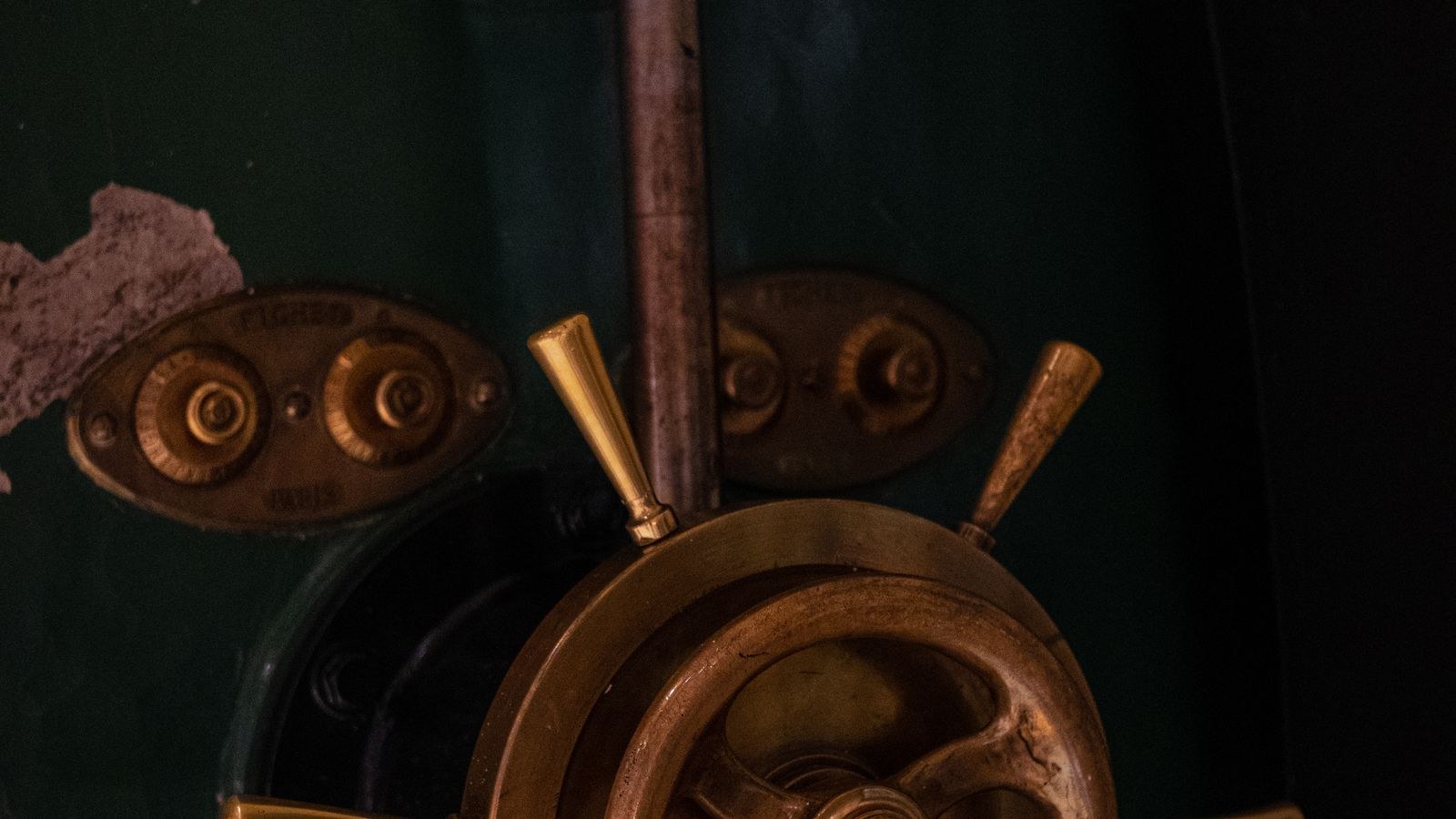
- Mechanical dial combinations never need power and last decades, but they are slow to open, hard to change, and awkward in low light or under stress.
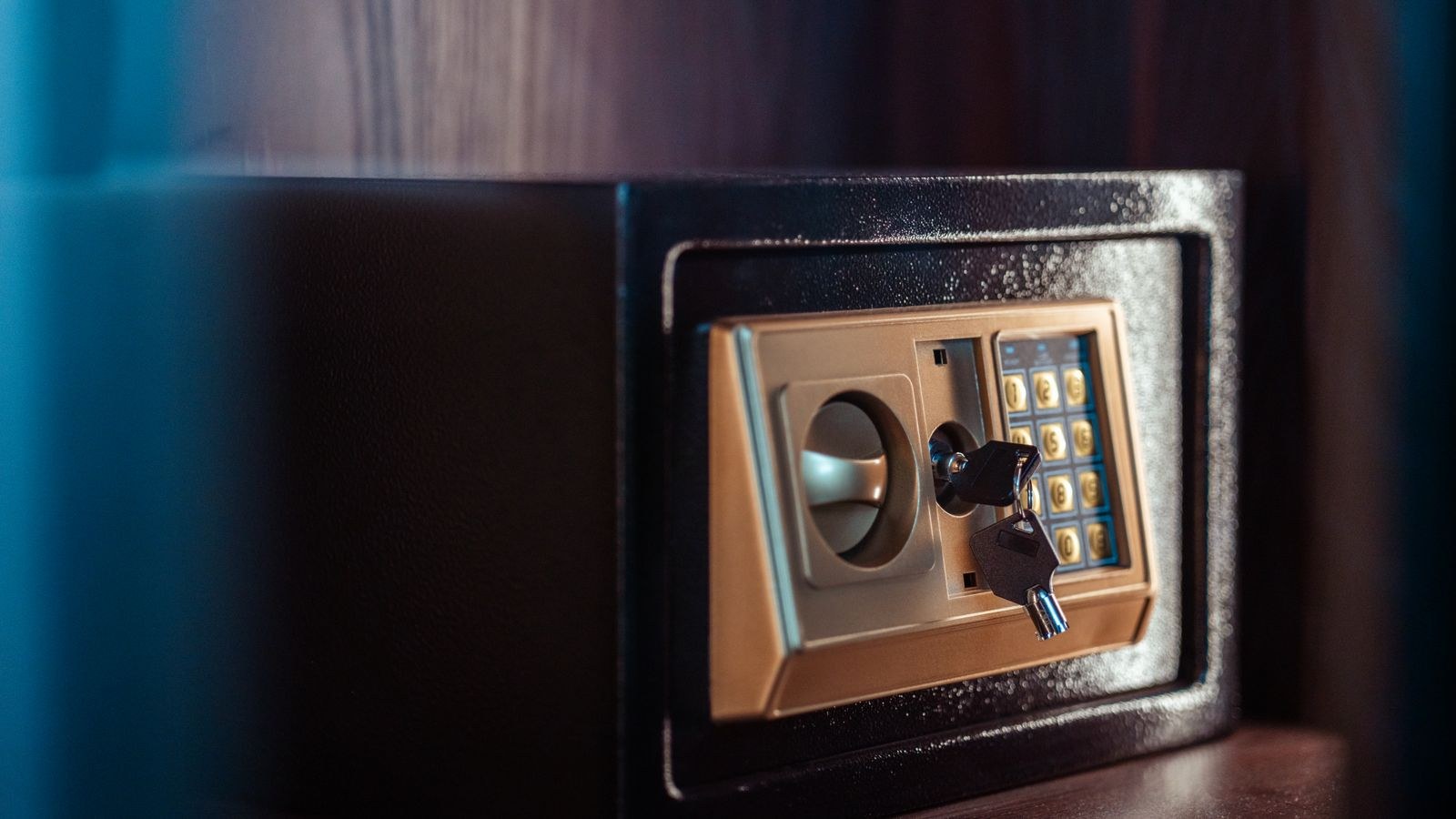
- Electronic keypads are the most common choice: fast, easy to reprogram, and typically backed by an override key. They depend on batteries, so replace them on a schedule rather than waiting for the low-battery beep.
- Biometric fingerprint locks open fastest of all, which matters for anything you access regularly. Read quality varies with dry or dirty fingers, so treat the backup keypad or key as part of the design, not an afterthought.
Whatever you choose, write the combination down and store it somewhere off site, such as with a trusted relative or in a bank deposit box. Locksmiths open many safes for owners who simply forgot.
Sizing the Interior Correctly
Undersizing is the single most common regret. Insulation is thick, so a safe with a substantial external footprint offers a modest interior, and the published cubic-foot figure is always the inside volume. Before shopping, physically stack what you intend to store and measure it.
A useful frame of reference: about 0.5 cubic feet handles passports, birth certificates, a couple of drives and some cash. Around 1.0 to 1.2 cubic feet fits letter-size folders laid flat, several years of tax records and a few small valuables. Anything approaching 2 cubic feet starts accommodating hanging file folders upright, which is the point at which a safe stops being a lockbox and becomes genuinely usable filing storage. Buy roughly a third more capacity than your current pile, because the contents always grow.
Interior Layout and Fittings
Look at how the space is divided. Removable shelves let you adapt as contents change, while a fixed shelf at an unhelpful height wastes volume. A door pocket keeps small items from burying themselves at the bottom. Interior lighting helps in a dark closet, and padded floors reduce scratches on jewellery. If most of what you are protecting is cash and small valuables rather than bulky paperwork, a compact model from the best safes for cash category is usually better value than a large document safe you fill halfway.
Weight, Anchoring and Theft Protection
Fire protection and burglary protection are separate engineering problems, and most affordable fire safes are weak at the second one. The insulation that resists heat is not hardened steel, and a lightweight safe is simply carried away to be opened elsewhere at leisure. Any safe under roughly 100 pounds must be bolted down to mean anything.
Check for pre-drilled anchor holes in the base and whether hardware is included. Bolting into a concrete slab is ideal; into floor joists is acceptable; into a bare particleboard closet floor is close to pointless. If you want meaningful resistance to a determined intruder, look for a burglary rating such as a residential security container standard, thicker body steel, and multiple live-locking bolts rather than a single latch. The trade-off is real: heavier bodies with more steel are harder to place and move, which is why many households end up with a mid-weight fire resistant safe anchored properly rather than a heavier model left standing loose.
Where to Put It
Placement changes real-world performance more than a step up in rating does. Fire rises and heat concentrates near ceilings, so ground-floor or basement placement generally exposes a safe to lower peak temperatures than an upstairs bedroom. Interior walls beat exterior walls, and avoid the kitchen, garage and utility room where most house fires start.
Balance that against burglary logic. The master bedroom closet is the first place an intruder looks, followed by dresser drawers and the home office. A safe anchored in a basement corner, obscured by ordinary storage, is both cooler in a fire and less obvious to a thief. Just make sure it is not somewhere that floods.
Budget Tiers and What Each Buys
Entry-level fire safes in the lowest tier typically offer a 30-minute paper rating, a small interior, a keypad lock and light body steel. They are appropriate for a renter protecting a passport and a lease, and little more. Bolt them down.
The mid tier is where most households should shop. Expect a UL-verified one-hour paper rating, real water submersion resistance, roughly one cubic foot of usable space, anchor holes and a keypad with an override key. This tier represents the best protection per dollar by a wide margin, and the best fireproof safes in this range cover the needs of a typical family without pushing into commercial territory.
The upper tier adds two-hour ratings, media-grade interior temperature control, thicker steel with a burglary rating, and substantially more capacity. It makes sense for home businesses, collectors, firearm owners and anyone storing original artwork, bullion or client records. Buyers protecting business paperwork alongside personal documents often do better with a model from the best fire safe boxes and safes built for office duty, since those prioritise file-folder capacity over jewellery fittings.
Common Mistakes Buyers Make
The first is treating a fire rating as universal. A one-hour paper safe will not save an external hard drive, and people discover this only after the fact. The second is buying too small, which leads to leaving overflow items outside the safe where they burn. The third is never anchoring the safe, converting an expensive fire safe into a convenient carrying case for a burglar.
The fourth mistake is storing the only copy of something irreplaceable. A safe reduces risk; it does not eliminate it. Family photos, business records and password vaults should also exist in cloud backup or at a second physical location. The fifth is neglecting maintenance: batteries die, gaskets dry out, hinges stiffen, and nobody notices because the safe is rarely opened. Test the lock and change the batteries at the same time each 2026 when you test your smoke alarms.
A Quick Pre-Purchase Checklist
- List what goes inside and note whether any of it is digital media.
- Measure the stack and add roughly a third for growth.
- Choose a rating duration based on your fire service response time and home construction.
- Confirm the rating is verified by an independent lab, not self-declared.
- Require a stated water submersion rating with a gasketed door.
- Pick a lock type you will realistically use, and record the backup code off site.
- Verify anchor holes and hardware, then actually bolt it down.
- Choose a low, interior, non-obvious location that does not flood.
Frequently Asked Questions
Can I put a hard drive in a normal fireproof safe?
Only inside additional protection. Standard paper-rated safes let the interior reach temperatures that destroy drives and flash media, and the steam released by fire insulation adds humidity. Use a dedicated media insert or a sealed, insulated media box within the safe.
Does a fire rating expire?
The insulation itself does not have a shelf life, but a safe that has already been through a fire is finished. The insulation gives up its moisture once and cannot be regenerated. Replace any safe that has been exposed to a real fire, even if it looks intact.
Is a bigger safe always better?
Not always. Larger safes are heavier to place, more expensive per cubic foot of protection, and harder to hide. The right size is one you can fill with room to grow while still placing it where risk is lowest.
How much does anchoring really matter?
Enormously. Published statistics on residential burglary consistently show that small safes are removed intact rather than opened on site. Four bolts into concrete take an hour and transform an entry-level safe into a genuine obstacle.
Final Thoughts
Choosing a fireproof safe well is mostly a matter of honesty about what you are storing and where the real risks lie. Decide first whether digital media is involved, since that single answer changes the rating you need. Then size generously, insist on independent certification and a water rating, choose a lock you will use without frustration, and bolt the thing down somewhere low, interior and unremarkable. Do those things and a moderately priced safe will outperform a costly one bought on specifications alone, and the documents that matter most will still be readable when you need them.