
 Owen Bradley
 Walk into any furniture showroom and the seating splits into two obvious camps. On one side sit the tall, padded, leather-wrapped thrones with sweeping backrests and wide armrests. On the other sit the smaller, mesh-backed, lever-covered chairs that look like they belong in an engineering lab. That is the executive chair vs task chair divide in a nutshell, and choosing between them shapes how your spine feels at the end of every working day. The confusing part is that both categories claim to be comfortable, both claim to be ergonomic, and both span the same enormous price range. This guide breaks the two apart by what actually matters: adjustability, support geometry, materials, footprint and long-term cost, so you can decide which style genuinely fits the way you work in 2026.
What Actually Defines an Executive Chair
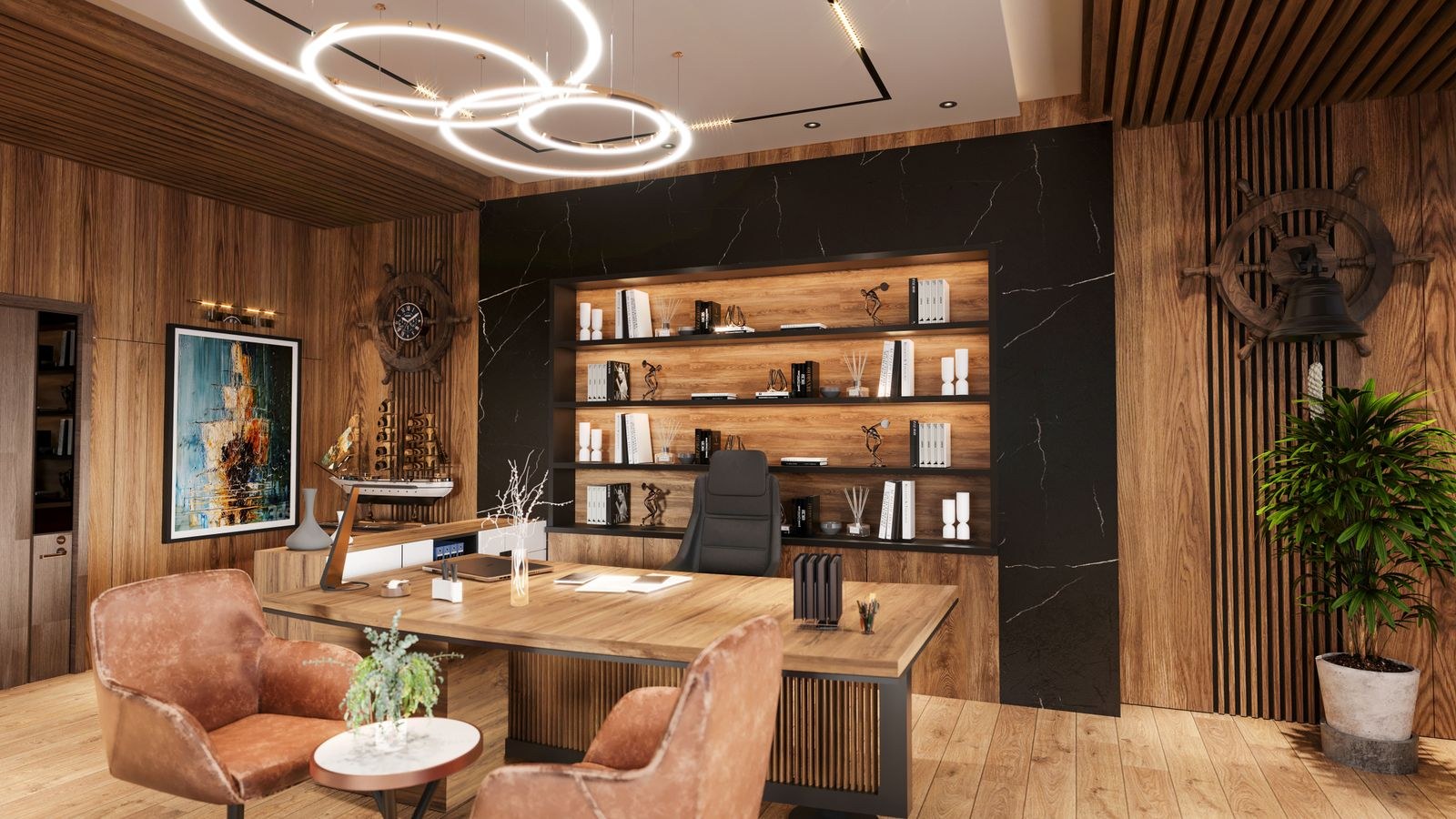
An executive chair is defined more by presence than by any single mechanical feature. It typically has a high backrest that rises past the shoulders, generous padding across the seat and back, an integrated or fixed headrest, and upholstery in leather, faux leather or heavy woven fabric. The frame is usually larger and heavier, and the styling leans traditional or luxurious rather than technical.
The design intent is comfort during a mix of activities rather than sustained typing. Executive chairs suit people who spend a lot of their day on calls, reading documents, in meetings or leaning back to think, and who want the chair to look appropriate in a room clients might see. Most offer a tilt mechanism with tension control and a recline lock, plus height adjustment, but they often stop there.
Materials carry a lot of the value in this category. Full-grain leather breathes better and ages more gracefully than bonded leather, which tends to peel within a few years of daily use. If a chair is described simply as “leather” at a low price, it is almost certainly a bonded or PU surface. Padding density matters more than padding thickness: a thick but soft foam seat compresses and bottoms out, while a firmer high-density foam holds its shape for years. Browsing curated lists such as the best executive chairs is a fast way to see how those material tiers translate into real price bands.
What Actually Defines a Task Chair
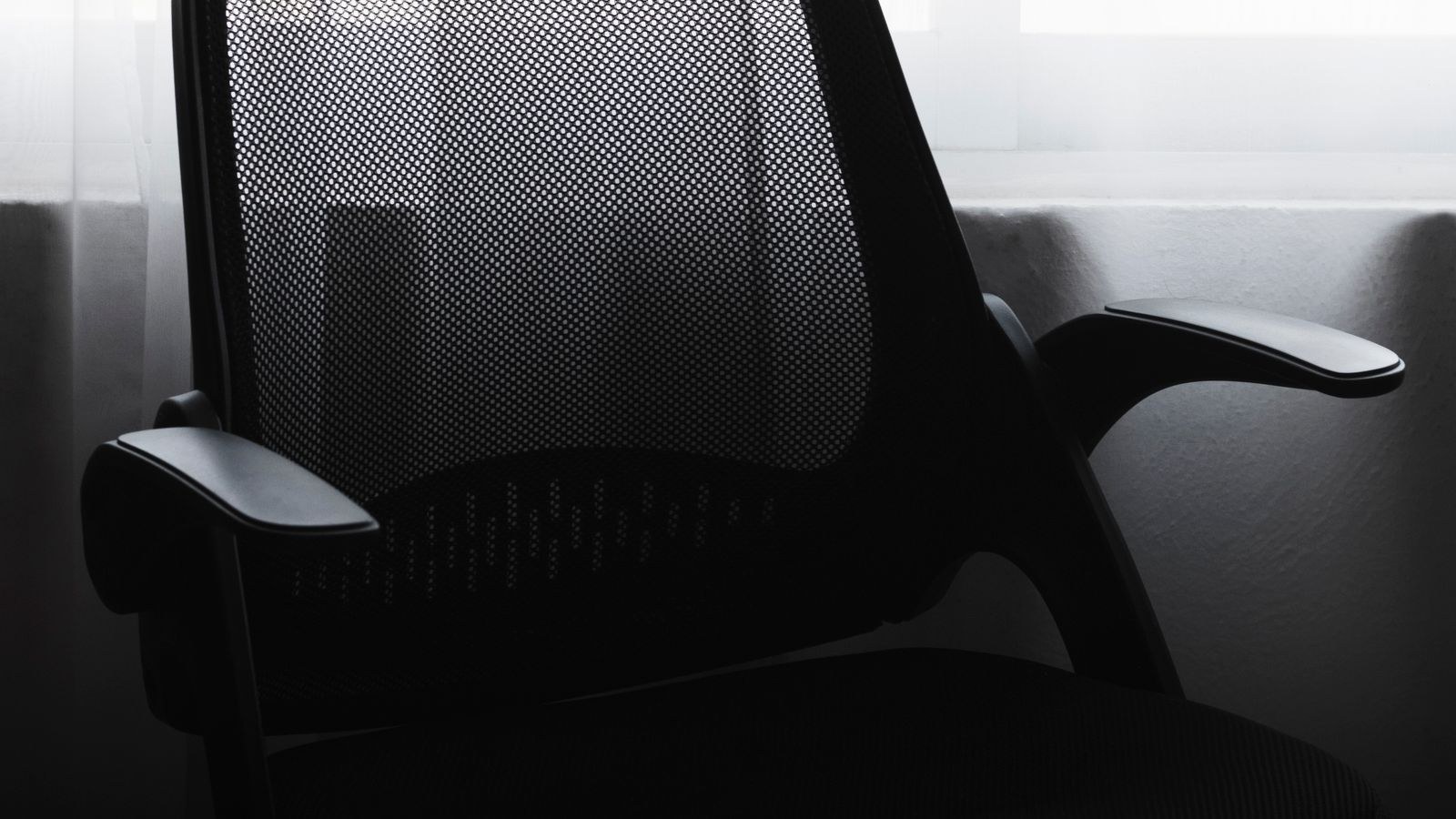
A task chair is engineered around one activity: focused desk work. Backrests are shorter, usually ending at or just below the shoulder blades, and the emphasis shifts from padding to posture control. Expect a breathable mesh or thin foam back, a contoured seat with a waterfall front edge, and a bank of adjustment levers under the seat.
The defining trait is adjustability. A serious task chair offers seat height, seat depth, backrest height or lumbar depth, armrest height, and often armrest width and pivot. Synchro-tilt mechanisms move the back and seat at different rates so your feet stay planted as you recline. That is a fundamentally different philosophy: instead of surrounding you with cushioning, the chair is shaped to hold your pelvis and lumbar curve in a neutral position for hours.
Task chairs also run cooler. Mesh backs let heat and moisture escape, which matters enormously in warm rooms or during long summer stretches without air conditioning. If you want to see how far the adjustability spectrum runs before you shop, our roundup of the best task chairs lays out which mechanisms appear at which price points.
Head-to-Head: The Six Differences That Matter
- Adjustability. Task chairs win decisively. Executive chairs often have two or three adjustments; task chairs commonly have five to seven.
- Back support geometry. Executive chairs support the whole back including shoulders and head. Task chairs concentrate support at the lumbar curve and leave shoulders free to move.
- Breathability. Mesh task chairs stay cool. Padded leather executive chairs trap heat, though perforated leather narrows the gap.
- Footprint. Executive chairs are wider and deeper and need more room behind a desk. Task chairs tuck away neatly in small home offices.
- Aesthetics. Executive chairs read as formal and authoritative. Task chairs read as technical and modern.
- Longevity per dollar. Mid-priced task chairs usually outlast mid-priced executive chairs, because upholstery failure is the most common early death for padded seating.
Which One Is Better for Back Pain?
This is the question most buyers really want answered, and the honest reply is that it depends on where the pain sits and why. If your discomfort is lower-back fatigue from long typing sessions, a task chair with adjustable lumbar depth and seat depth almost always helps more, because it lets you dial the support to your own spine rather than accepting a fixed curve. If your discomfort comes from neck and upper-back strain, or you need to recline frequently to relieve pressure, the taller back and headrest of an executive chair can be the better tool.
A crucial detail is seat depth. If the seat is too long for your thighs, you will slide forward and lose lumbar contact no matter how good the backrest is. Executive chairs are often built for larger frames, which means shorter users end up perching. Whatever style you choose, aim to leave roughly two to three fingers of clearance between the seat edge and the back of your knees.
Body Size and Fit Considerations
Chair categories carry implicit assumptions about who is sitting. Many executive chairs are built around a broad seat pan and a tall backrest, which suits taller and larger users well but leaves smaller users floating with unsupported feet and an unreachable backrest. Task chairs generally cover a wider size range, and many are sold in small, standard and tall back variants.
Check three measurements before buying anything. Seat height range should let your feet rest flat with knees near a right angle at your desk height. Seat width should give you a couple of inches on each side of your hips without armrests pinching. Backrest height should place the lumbar bulge at your natural inward curve, roughly at belt level, not above or below it. If a chair fails any of those three, no amount of padding will rescue it. Broad comparison lists like the best office chairs are useful precisely because they surface these dimension ranges alongside price.
Armrests: The Quiet Deciding Factor
Armrests get overlooked and then cause months of shoulder trouble. Fixed padded arms on many executive chairs sit at a single height, which forces you to either shrug your shoulders or let your arms dangle. Neither is neutral. Height-adjustable arms solve most of that, and 3D or 4D arms that also slide in, out and forward let you keep your elbows close to your body while typing.
There is a practical constraint too. Wide, tall executive armrests frequently collide with the underside of a desk, which pushes the whole chair backward and destroys your reach to the keyboard. Measure the clearance under your desk before you commit, and prefer arms that drop low enough to tuck underneath.
Materials, Durability and Maintenance
The material decision is really a decision about how you want the chair to age. Full-grain leather softens and develops character but needs occasional conditioning and dislikes direct sunlight. Bonded leather looks identical on day one and typically flakes at contact points within two to four years of heavy use. Woven fabric resists wear well and hides marks, but absorbs spills and holds heat. Mesh is the lowest maintenance of all, though a cheap mesh panel can sag or dig into the thighs where it meets the frame.
Look past the surface to the frame and base. A five-star aluminium or steel base outlasts nylon, especially for heavier users. Gas cylinders carry a safety rating, and a higher class means a more robust lift that is less likely to sink after a year. Casters should match your flooring, with soft polyurethane wheels for hard floors and harder wheels for carpet.
Budget Tiers and What You Get
At the entry level, roughly under $200, executive-styled chairs dominate the shelves because padding and faux leather are cheap to produce. You get impressive looks and a comfortable first month, but usually a fixed lumbar shape, basic tilt and short-lived upholstery. Task chairs at this price are plainer but often include seat height, tilt tension and height-adjustable arms, which is more useful ergonomics per dollar.
In the middle tier, around $250 to $600, the two categories converge. Task chairs add adjustable lumbar depth, seat slide and multi-axis arms, while executive chairs improve foam density and switch to better upholstery and metal bases. This is where most people find the best value, and where the best executive office chairs shortlists tend to concentrate.
Above that, you are paying for engineering, materials and warranty length. Premium chairs offer weight-responsive tilt mechanisms, twelve-year warranties and replaceable parts. Hybrids exist here too: chairs with executive proportions and full task-chair adjustment, which show up in guides to the best ergonomic executive office chairs for buyers who refuse to compromise on either front.
Common Mistakes to Avoid
The most expensive mistake is buying for the room instead of the body. A handsome leather chair that photographs beautifully but locks your arms at the wrong height will cost you far more in physiotherapy than you saved on the purchase. The second mistake is treating thick padding as proof of comfort. Soft foam feels wonderful for twenty minutes and then compresses into an unsupportive hollow that tips your pelvis backward.
A third trap is ignoring the desk. Chair and desk work as a pair, and a chair that cannot rise high enough for a tall fixed desk, or drop low enough for a short one, will never be comfortable regardless of its specifications. Finally, many buyers skip the return policy. Ergonomic fit is personal, and the only reliable test is a full working week. Buy from a retailer that lets you send it back.
Frequently Asked Questions
Is an executive chair worse for your posture?
Not inherently. A well-made executive chair with adjustable lumbar support and height-adjustable arms can hold excellent posture. The problem is that many budget executive chairs skip those adjustments and rely on padding alone, which is where posture quietly suffers.
Can a task chair look professional enough for client meetings?
Yes. Modern task chairs in dark mesh or fabric with polished aluminium bases look deliberately contemporary rather than utilitarian. If you want visual authority, choose a high-back task chair with a coordinated frame colour instead of defaulting to leather.
Do I need a headrest?
Only if you recline regularly. A headrest is genuinely useful for calls, reading and thinking breaks, but during upright typing your head should be balanced over your spine and not resting on anything. If you sit upright all day, a headrest mostly adds bulk.
Which style lasts longer?
Task chairs typically last longer at the same price, because mesh and dense-foam-over-fabric resist wear better than budget upholstery. At the premium end the gap closes, and warranty length becomes the more reliable predictor than category.
Is it worth buying both?
For most people, no. A better strategy is one properly adjustable chair for the desk plus a separate lounge chair or sofa for reading and calls, which spreads your posture across the day more effectively than owning two similar office chairs.
Final Thoughts
The executive chair vs task chair decision comes down to what your working day actually looks like rather than which chair looks more impressive. If you spend most of your hours typing, coding, editing or on detailed screen work, the adjustability, breathability and lumbar precision of a task chair will serve your body better and usually cost less over its lifetime. If your day is built around calls, reading, meetings and frequent reclining, and the room needs to look formal, an executive chair with genuine adjustment and dense foam is the smarter fit. The worst outcome is buying either style purely on appearance and discovering three months later that the seat is too deep or the arms are locked at the wrong height. Measure yourself, measure your desk, insist on a real return window, and let those numbers rather than the showroom lighting make the call.









