Owen Bradley
 Two products sit side by side online at wildly different prices, both promising to cool your room, and one of them claims it needs no window venting at all. The evaporative cooler vs portable AC question is really a question about physics and geography, because a swamp cooler that transforms a room in Phoenix will do almost nothing useful in Miami, and the marketing rarely says so plainly. Understanding how each machine actually removes heat, what “ventless” genuinely means, and how your local humidity determines the outcome will save you from buying the wrong box entirely.

Two Completely Different Machines
A portable air conditioner is a refrigeration machine. A compressor circulates refrigerant, a cold coil absorbs heat from your room air, and a hot coil dumps that heat into an exhaust stream that must leave the building through a duct. It genuinely lowers the room’s temperature and removes moisture from the air as a by-product.
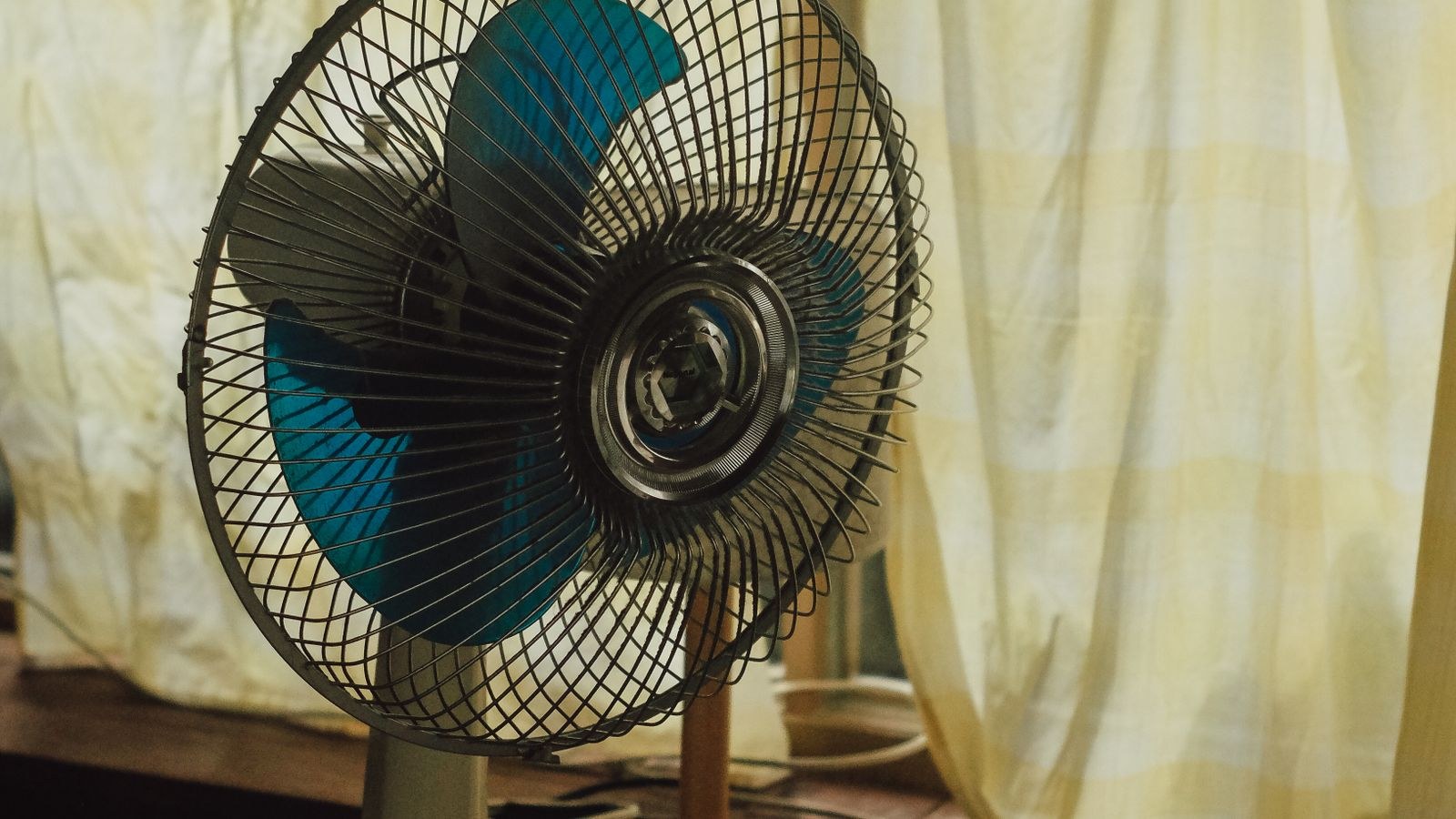
An evaporative cooler, often called a swamp cooler, has no compressor and no refrigerant. It draws warm dry air through a wet pad. Water evaporating from that pad absorbs heat, and the air leaving the machine is cooler and considerably more humid. It is the same reason stepping out of a pool feels cold on a breezy day.
That single difference drives everything. One removes heat from the room and sends it outside. The other converts heat into humidity and leaves it inside. Neither is a scam; they are simply tools for different climates.
Why Humidity Decides the Winner
Evaporation only happens readily when the surrounding air has room to absorb more water. In dry air at twenty percent relative humidity, a swamp cooler can drop the air temperature substantially, sometimes fifteen to twenty degrees, and the added moisture actually improves comfort in an environment that feels parched.
In humid air the effect collapses. At seventy percent relative humidity the air already carries close to as much water as it can hold, so very little evaporates and very little cooling occurs. Worse, the small amount of moisture that does evaporate pushes humidity higher still, and a room at 84°F with eighty-five percent humidity feels considerably worse than one at 86°F and sixty percent.
As a rough guide, evaporative cooling works well below roughly forty percent relative humidity, works marginally between forty and fifty, and is counterproductive above about sixty. Check your local summer averages before buying, not the temperature forecast, which is the number people usually look at.
Which Climates Suit Which Machine
Arid and semi-arid regions with hot dry summers are ideal evaporative territory. Coastal, subtropical, and continental regions with muggy summers rule it out almost entirely. Some places have both, dry heat early in summer and monsoon humidity later, which is a genuine argument for a portable AC that works reliably in either condition.
What “Ventless” Really Means
Evaporative coolers are legitimately ventless in the sense that they need no exhaust duct. They still need ventilation, which is a different thing entirely and frequently misunderstood. A swamp cooler works best with a window cracked open so the humid air it produces can escape and be replaced by fresh dry outside air. Run one in a sealed room and humidity climbs until cooling stops and the room feels swampy, which is where the nickname came from.
Portable air conditioners marketed as ventless are usually one of two things: an evaporative cooler under a different name, or a small personal air cooler that does the same job over a very short distance. There is no compressor-based air conditioner that works without exhausting heat outside, because the compressor itself generates heat on top of what it moves. Running a true AC unvented makes the room warmer, not cooler.
That said, ventless products have a genuine place in dry climates and in spaces where no window venting is possible. Shoppers in that position should look carefully at what they are actually buying, and comparing the best ventless air conditioners alongside the alternatives listed as best portable air conditioner ventless models makes the distinction between the technologies clearer than product names alone do.
Cooling Performance Compared
A portable air conditioner delivers a predictable result. Set 74°F and, if the unit is sized correctly for the room, the space reaches roughly 74°F regardless of what the outdoor humidity is doing. It works in any climate, at night, with the windows shut, and it dries the air rather than wetting it.
An evaporative cooler’s output depends entirely on conditions. The theoretical limit is the wet-bulb temperature, which you cannot cool below no matter how large the unit. On a dry 100°F day, that might mean air leaving at around 75°F, a genuinely dramatic improvement. On a humid 90°F day, it might mean 86°F, which you would barely notice.
The other difference is coverage. An evaporative cooler produces a stream of cool moving air rather than conditioning a whole sealed room, so its benefit is strongest where the airflow reaches you and fades across the space. Portable ACs condition the room’s air continuously and reach a more even result.
Running Cost and Power Draw
This is where evaporative coolers win decisively when they work at all. Their only significant electrical load is a fan and a small water pump, typically drawing somewhere between 60 and 200 watts. A portable air conditioner runs a compressor and generally draws between 900 and 1,400 watts.
The practical difference over a hot summer is large. Running an evaporative cooler eight hours a day costs a small fraction of what a portable AC costs over the same hours. In a dry climate where the swamp cooler genuinely performs, that combination of low purchase price and low running cost is compelling.
Water use is the offsetting cost. Evaporative coolers consume several gallons a day in heavy use, which in some drought-prone regions is a real consideration, both financially and otherwise. Portable ACs consume no water but do produce condensate that must be drained or evaporated out with the exhaust. If a portable is the right answer for your climate, budget for the electricity as well as the unit, because the compressor is what you are paying to run.
Noise, Size, and Living With Each
Evaporative coolers are mechanically simple: a fan and a pump. They produce a steady airflow noise but no compressor hum and no cycling, which many people find easier to sleep through than the on-off rhythm of a compressor. Portable ACs are noticeably louder overall because every component, including the compressor, sits in the room with you.
Both take up floor space, but evaporative coolers are typically lighter and easier to move, since they carry no compressor. Portables are heavy, often 60 to 80 lb, and tethered to a window by their exhaust hose, which limits where in the room they can sit.
Personal and Small-Space Options
For desks, bedsides, and single-person work areas, a small dedicated cooler often beats scaling up a whole-room solution. These units cool the air immediately around you rather than attempting the whole space, use very little power, and cost far less than either full-size option. Anyone whose problem is really “I am hot at my desk” rather than “this room is hot” should compare the best personal air conditioners and the more compact best mini portable air conditioners before buying something much larger than the problem requires.
Maintenance Requirements
Evaporative coolers demand more routine attention than most buyers expect. The water reservoir needs refilling regularly, often daily in heavy use. Pads accumulate mineral scale and must be cleaned or replaced periodically, especially in hard-water areas. Standing water requires the tank be emptied and cleaned to prevent biological growth, which is a genuine health consideration rather than a fussy detail. Draining the unit fully before storage is essential.
Portable ACs are lower maintenance. Wash the filter every few weeks, keep the exhaust hose clear and as short and straight as practical, and empty the condensate reservoir when humidity is high enough that the self-evaporation system cannot keep up. Setting up a continuous drain hose where a floor drain is available removes even that chore.
How to Decide
- Choose an evaporative cooler if your summer humidity regularly sits below forty percent, you can leave a window open, running cost matters a great deal, and you accept regular water and pad maintenance.
- Choose a portable AC if you live anywhere humid, need reliable results regardless of weather, want the room sealed against outside air, or need to control humidity as well as temperature.
- Choose a personal cooler if the real problem is one workstation or bedside rather than an entire room.
- Consider both if your climate genuinely swings between dry and humid seasons, though most people are better served by one reliable machine.
Where neither fits neatly, it is worth stepping back and looking at the broader set of options for cooling a room without central air, since shading, airflow management, and insulation frequently outperform any appliance you can plug in.
Common Mistakes
The most expensive error is buying an evaporative cooler in a humid region on the strength of the low running cost. It will not perform, and the added moisture makes the room feel worse. The second is running a swamp cooler in a sealed room, which defeats the mechanism entirely.
On the portable side, the frequent mistake is believing a ventless compressor unit exists and buying something described that way, then discovering it is either an evaporative cooler or requires venting after all. A third recurring problem is undersizing a portable, since single-hose models deliver noticeably less than their rating suggests and often need a size step up.
Frequently Asked Questions
How much cooling can I expect from a swamp cooler?
In genuinely dry air, drops of fifteen to twenty degrees at the outlet are realistic. In moderate humidity, expect five to ten. Above sixty percent humidity, expect very little and a wetter-feeling room.
Can I add ice to an evaporative cooler to improve it?
Marginally and briefly. The cooling comes from evaporation, not water temperature, and colder water evaporates more slowly, so the benefit is short-lived and small.
Does a portable AC dehumidify the room?
Yes, that is a natural by-product of cooling air across a cold coil. Most models also have a dedicated dry mode that prioritises moisture removal over temperature drop.
Can I run an evaporative cooler overnight in a bedroom?
In a dry climate with a window slightly open, yes, and many people prefer the steady fan noise to a compressor. In a humid climate it will leave the room feeling damp by morning.
Do evaporative coolers work outdoors?
Better than indoors, in fact, since outdoor air is constantly replaced and humidity never builds. Patios and garages in dry climates are among the best applications for them.
Final Thoughts
This comparison is unusual in that geography answers it more decisively than budget or preference does. If you live somewhere dry, an evaporative cooler is cheap to buy, cheap to run, quiet, and genuinely effective, and it will handle a patio or a garage that no portable AC would sensibly serve. If you live somewhere humid, it is the wrong machine no matter how attractive its running cost looks, and a properly sized portable air conditioner with a well-sealed vent kit is the option that will actually make the room comfortable.
Look up your area’s average summer relative humidity before you look at any product page. That one number narrows the decision to a single category, after which sizing the unit correctly and sealing the window kit properly are what determine whether you spend 2026 comfortable or frustrated.