Owen Bradley
 Somewhere on the side of an LED bulb box, usually in small print near the bottom, sits a line that reads “suitable for enclosed fixtures” or, far more commonly, “not for use in totally enclosed fixtures.” Most shoppers never read it, and that single overlooked sentence is responsible for an enormous share of premature LED failures in homes. Sealed globes, flush ceiling domes, outdoor lanterns and recessed cans all create a thermal environment that ordinary bulbs were never designed to survive. This guide explains why heat behaves so differently inside a sealed housing, how to read the rating label properly, and which fixtures in your home genuinely require enclosed-rated bulbs in 2026.
What Counts as an Enclosed Fixture
A fixture is enclosed when the bulb sits inside a housing that has no meaningful path for air to enter and leave. The test is simple: if warm air cannot rise out of the top and cooler air cannot be drawn in from below, the bulb is running in a sealed box regardless of what the fixture is called.
- Flush and semi-flush ceiling domes where a glass or acrylic shade screws tightly against the ceiling plate.
- Outdoor lanterns and porch fixtures sealed against rain, which by definition are sealed against airflow too.
- Bathroom and hallway globes, the classic frosted sphere or jar shape.
- Recessed cans with a lens or trim gasket, especially those rated for insulation contact.
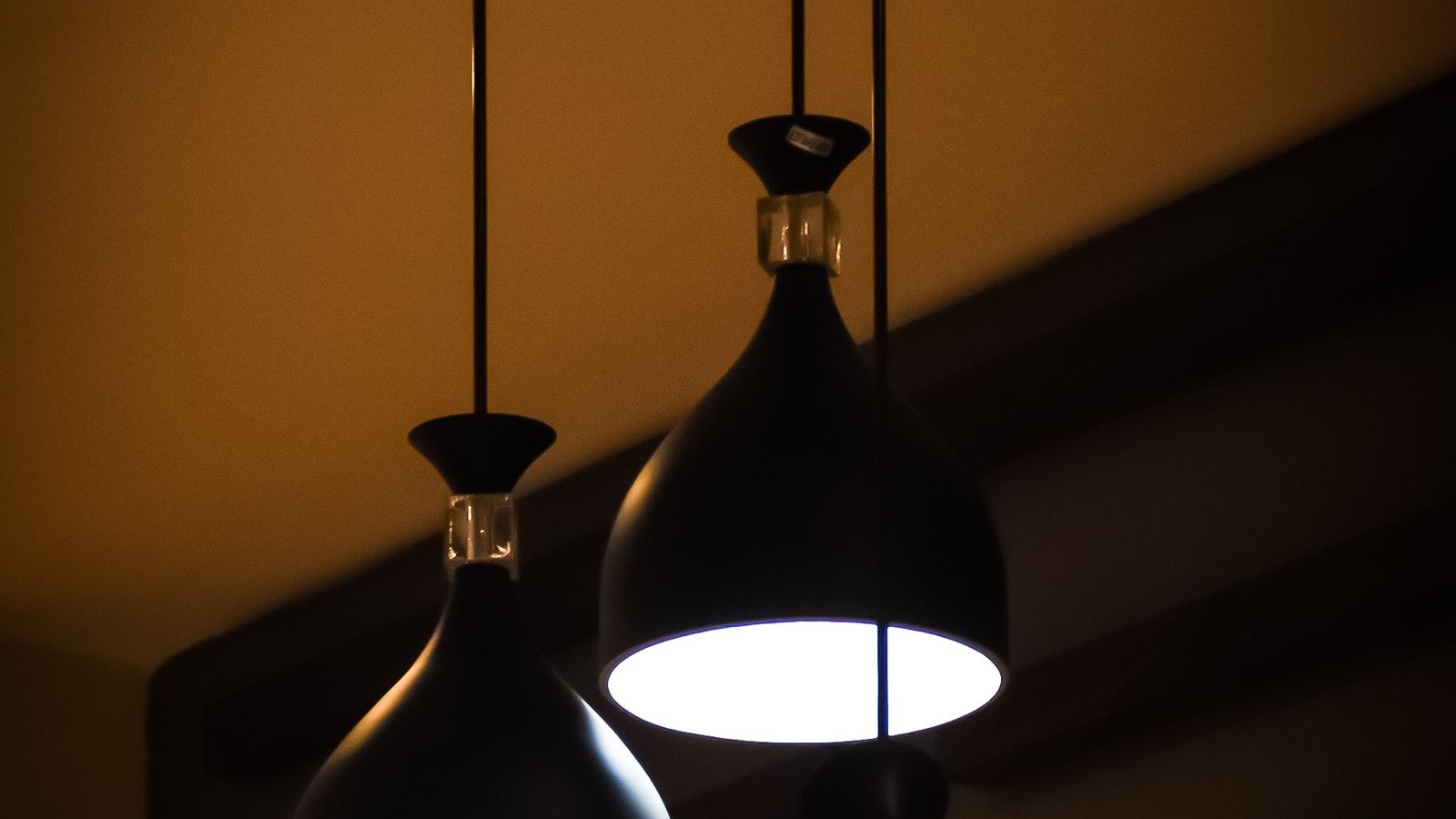
- Sealed pendant shades that fully surround the bulb rather than opening downward.
- Vapour-tight and garage fixtures designed to keep out dust and moisture.
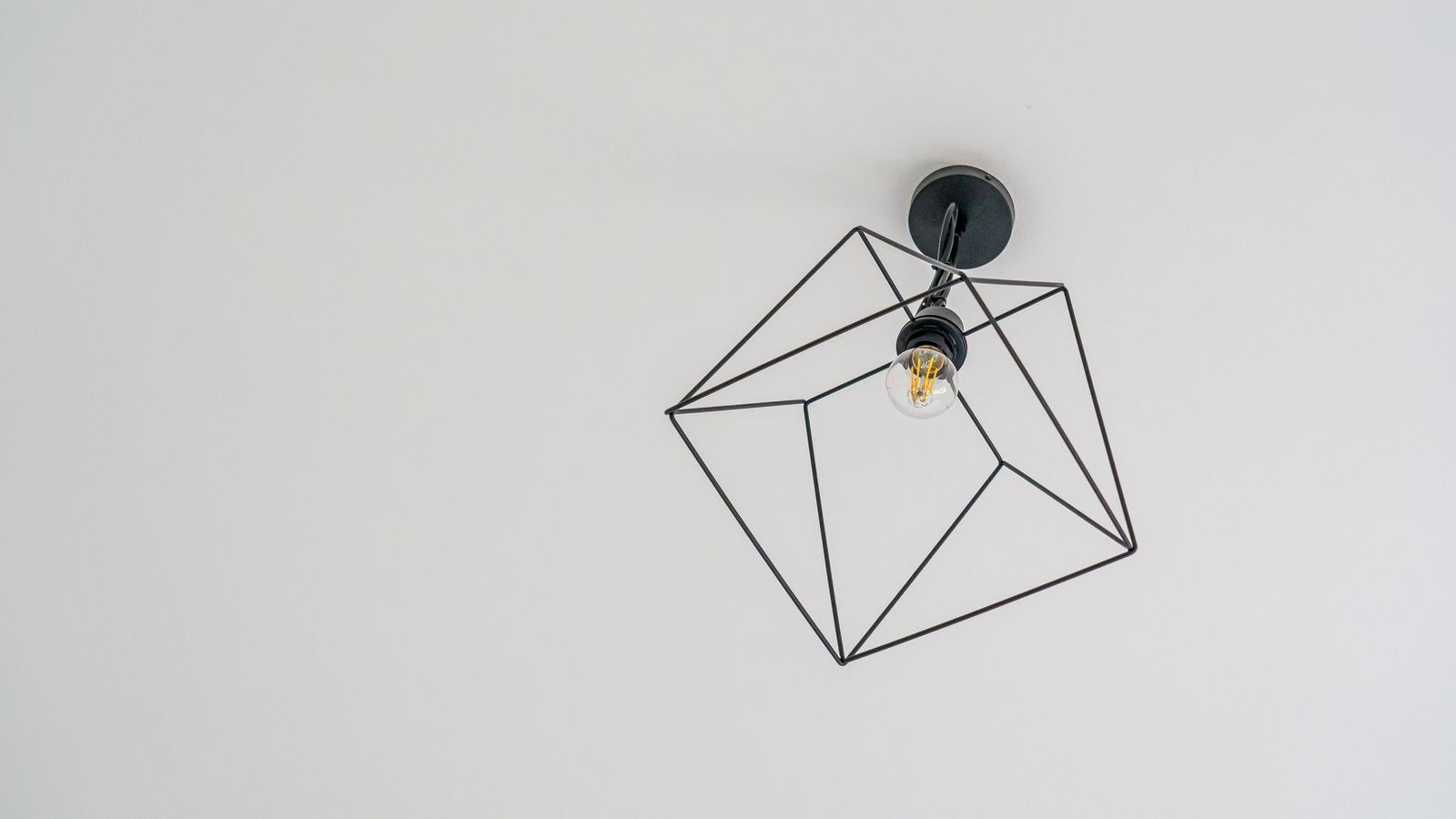
By contrast, a fixture is open if it has an upward-facing shade, a downward-open drum, visible ventilation slots, or a bulb that is simply exposed. Open fixtures let convection do its job and place far less stress on the bulb’s electronics.
The Half-Enclosed Grey Area
Plenty of fixtures fall between the two categories. A shade that is open at the bottom but tight at the top traps rising heat around the bulb’s base, which is precisely where the driver electronics sit. A deep recessed can without a lens still restricts airflow considerably. When you are unsure, treat the fixture as enclosed. An enclosed-rated bulb works perfectly well in an open fixture, so erring toward the stricter rating costs nothing but a little extra on the purchase price.
Why Heat Destroys Standard LEDs in Sealed Globes
The persistent myth is that LEDs run cool. They run cool at the front, because they do not radiate infrared forward the way an incandescent filament does. Internally they still convert most of their input power into heat, and that heat has to travel out through the base of the bulb by conduction and then dissipate into the surrounding air by convection. Take away the moving air and the heat has nowhere to go.
Inside a sealed globe, air temperature climbs steadily for the first thirty to sixty minutes after switch-on and then stabilises well above room temperature, sometimes 40 to 50 degrees Celsius higher. The bulb’s heatsink, which was engineered assuming ambient air of around 25 degrees Celsius, is now trying to shed heat into air that is already hot. Junction temperature rises, and everything inside the bulb ages faster.
What Actually Fails First
The diodes themselves rarely die. The casualty is the driver, the small circuit board converting mains voltage into low-voltage DC. Its electrolytic capacitors are highly temperature sensitive, and a widely used electronics rule of thumb holds that capacitor life halves for every 10 degrees Celsius of extra operating temperature. Run a standard bulb 30 degrees hotter than designed and you can lose the majority of its expected lifespan.
Before outright failure you will usually see warning signs: gradual dimming, a colour shift toward a dull or greenish tone as phosphors degrade, flickering when the fixture has been on for a while, or a bulb that works fine when cold and misbehaves after an hour. Those symptoms in a sealed fixture are almost always thermal rather than electrical faults.
How to Read the Label
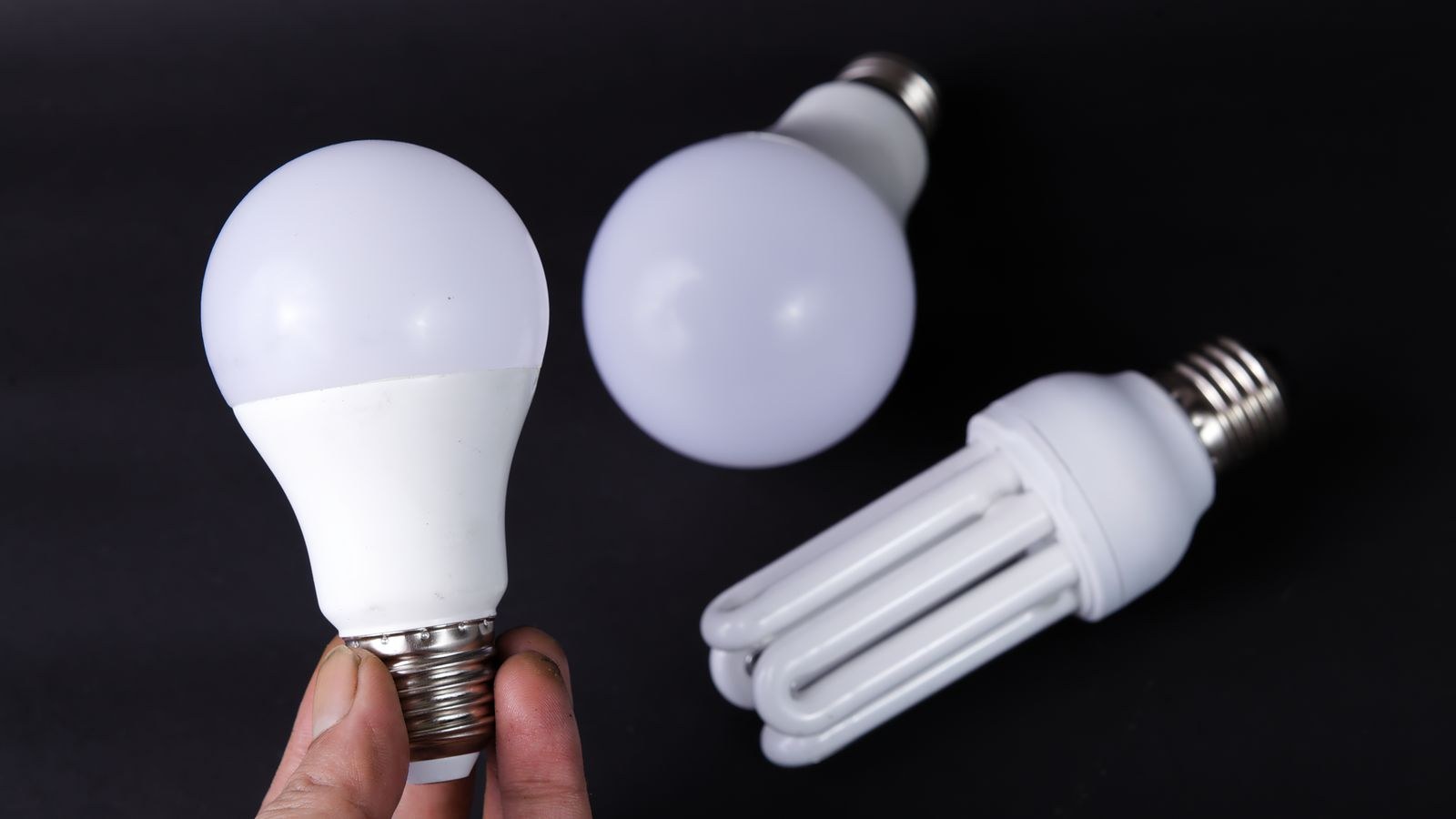
Manufacturers state enclosed compatibility in several different ways, and none of them is standardised. Look for any of the following on the box, in the online listing specifications, or on the bulb’s own printed sleeve.
- Explicit approval. Phrases such as “enclosed fixture rated”, “suitable for enclosed fixtures”, or “damp location and enclosed rated” are the clearest possible signal.
- Explicit prohibition. “Not for use in totally enclosed luminaires” is the most common phrasing, and it means exactly what it says.
- Ambient temperature range. A bulb rated to 40 degrees Celsius ambient is a standard bulb. One rated to 55 or 60 degrees has real headroom for sealed housings.
- Silence. If nothing is stated anywhere, assume the bulb is not rated. Manufacturers advertise this capability when they have it because it justifies a higher price.
Be aware that a damp or wet location rating is a different thing entirely. Those describe moisture ingress protection, not thermal capability. An outdoor lantern needs both ratings, and a bulb carrying only the wet rating can still cook itself inside a sealed housing.
What Makes an Enclosed-Rated Bulb Different
Bulbs certified for sealed fixtures are engineered with thermal margin built in at several points rather than one clever fix. Diodes are underdriven, meaning they run below their maximum rated current, so they produce less waste heat for the same light output. Drivers use capacitors rated for higher temperatures, often 105 degrees Celsius parts instead of 85 degrees. Heatsinks carry more mass, frequently using ceramic or aluminium rather than metallised plastic. Some designs also spread the diodes across a larger surface area rather than clustering them, lowering the peak temperature at any single point.
All of this costs money, which is why enclosed-rated bulbs typically sit a tier above the cheapest options on the shelf. The arithmetic still favours them comfortably: paying roughly double for a bulb that survives five times as long in a sealed globe is straightforwardly cheaper, before you count the hassle of climbing a ladder to a ceiling dome. The roundup of the best LED bulbs for enclosed fixtures compares models built to this standard, and the wider best light bulbs for enclosed fixtures guide adds options across different base types and shapes.
Choosing Wattage and Brightness Sensibly
Even with a rated bulb, restraint helps. A 15W LED generates roughly twice the waste heat of an 8W one, so in a small sealed globe choosing a lower-output bulb meaningfully extends life. If a fixture needs to be bright, check whether the housing has any capacity to shed heat, and prefer a physically larger bulb, since a bigger body has more surface area for dissipation. Two moderate fixtures almost always outlast one very bright one in enclosed applications.
Alternatives to Swapping Bulbs
Sometimes the better answer is to change the fixture rather than keep feeding it bulbs. Integrated LED fixtures have the light engine, heatsink and driver designed together as a single thermal system, so they handle enclosed geometry far better than any screw-in bulb retrofitted into a housing designed for incandescents. The trade-off is that when the fixture eventually fails you replace the whole unit, though a good one should outlast several generations of bulbs. For ceiling applications where sealed domes are common, the best LED ceiling lights guide covers integrated options worth considering.
Another approach is modest ventilation. Some flush fixtures can accept a shade with a small gap at the top, and some recessed housings have knockouts that improve airflow. Never drill holes in a wet-rated outdoor fixture, since you will defeat the moisture seal and create a genuine hazard. Ventilation modifications belong only on interior fixtures where moisture is not a concern.
A Quick Fixture Audit
- Walk each room and note sealed fixtures. Ceiling domes, globes, lanterns and lensed recessed cans.
- Check what is currently installed. Read the small print on the next bulb you change.
- Track failures. A fixture that eats bulbs in under two years is telling you something specific.
- Prioritise hard-to-reach positions. High ceilings and stairwells justify the best bulbs you can buy.
- Buy in matched sets. Same batch means consistent colour across a room and predictable ageing.
For open fixtures elsewhere in the house you do not need to pay the enclosed premium, though general build quality still matters for lifespan. The best quality LED bulbs comparison is a sensible reference for those remaining sockets.
Frequently Asked Questions
What happens if I use a standard bulb in an enclosed fixture?
It will work, often for many months, then dim, shift colour, flicker or fail well short of its rated life. There is no immediate safety hazard with a quality bulb, but the lifespan penalty is severe.
Can I use an enclosed-rated bulb in an open fixture?
Yes, with no downside beyond the higher purchase price. The extra thermal headroom simply goes unused, and the bulb should last at least as long as a standard one.
Is a damp-rated bulb the same as enclosed-rated?
No. Damp and wet ratings describe moisture resistance, not heat tolerance. An outdoor sealed lantern needs both, and many bulbs carry only one.
Do recessed ceiling lights count as enclosed?
Usually yes, particularly if they have a lens or trim gasket or are rated for insulation contact. Treat them as enclosed unless the housing is clearly ventilated.
Why did my bulb fail faster in summer?
Higher ambient temperature adds directly to the heat inside the housing. Fixtures in attics, garages and conservatories see the largest seasonal swing and the shortest bulb lives.
Final Thoughts
The enclosed fixture rating is a small line of text with an outsized effect on how long your lighting lasts. Sealed housings trap heat, trapped heat kills driver electronics, and the bulb that failed after a year was almost certainly a standard product installed in a job it was never rated for. Audit your sealed fixtures, buy bulbs that explicitly state enclosed compatibility, keep wattage sensible in small globes, and consider an integrated fixture where the geometry is genuinely hostile. Handle it that way and the bulbs you fit in 2026 will keep their brightness and colour for years rather than becoming an annual ladder chore.