Owen Bradley
 A dorm room is a strange security environment. The door is often propped open, dozens of people have legitimate reason to walk the corridor, resident advisers and maintenance staff hold master keys, and you may be sharing a room the size of a garden shed with someone you met three days ago. Most dorm losses are not dramatic break-ins; they are a laptop taken during a ten-minute shower, cash gone from an unlocked drawer, or a bike lifted from a rack outside. This dorm room security guide covers the practical layers that fit campus rules, a student budget and a very small amount of floor space: locks, portable safes, discreet cameras and the habits that matter more than any of them.
Understand the Rules Before You Buy
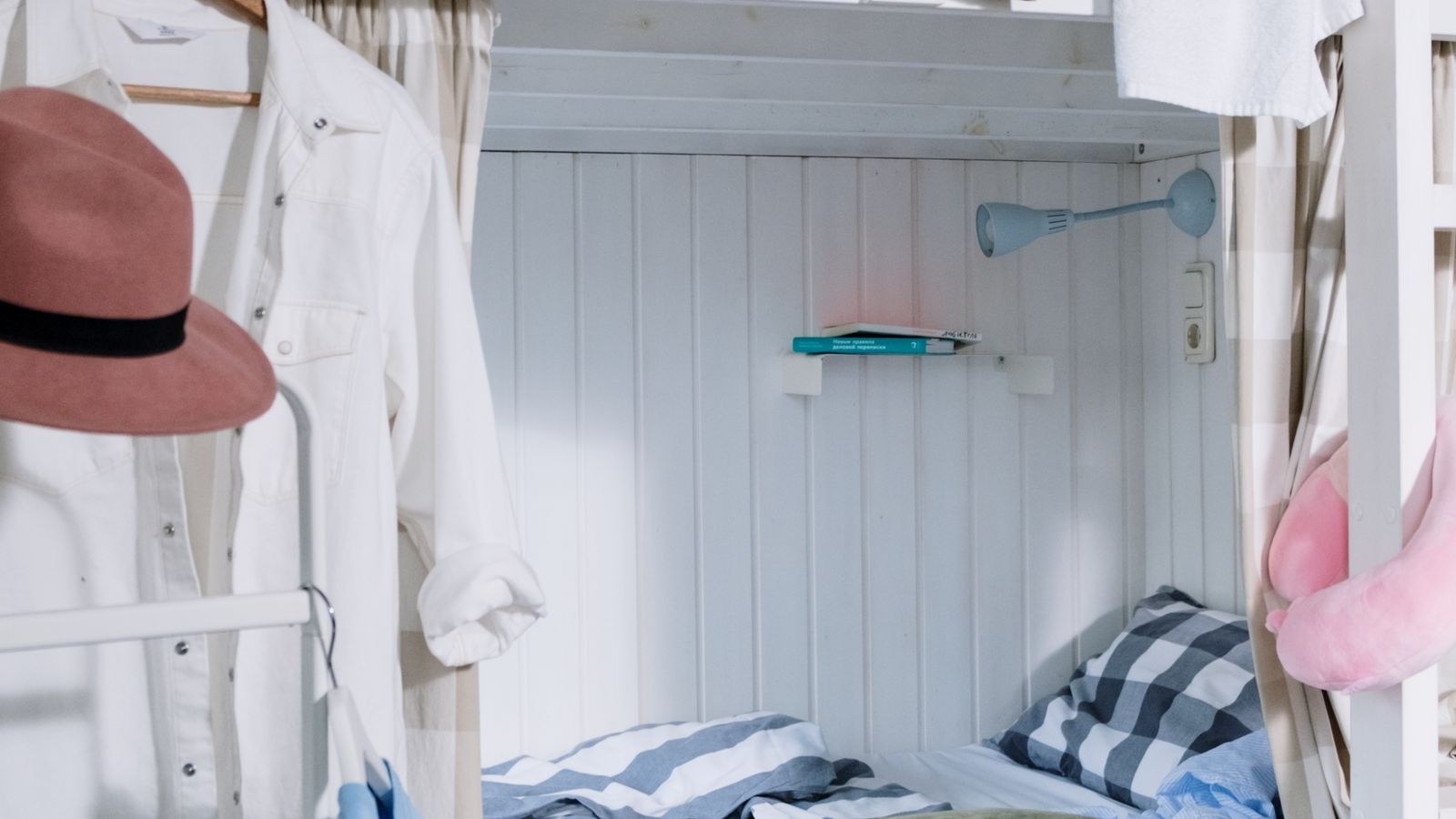
Campus housing contracts almost always restrict what you can install. Common prohibitions include changing or adding locks to the room door, drilling into walls or furniture, mounting anything on doors, and installing devices that block staff access. Cameras are usually permitted inside your own space but frequently banned in shared rooms without your roommate’s consent, and always banned in bathrooms and communal areas.
Read the housing handbook and, when in doubt, email the residence office. The devices covered below are chosen specifically because they are freestanding, portable or lockable to existing furniture, which keeps them within nearly every campus policy. Anything requiring a screwdriver and a wall is the wrong answer in a dorm.
Also check what the building already provides: card-access exterior doors, corridor cameras, a front desk, and whether room doors self-lock. Those facts change what you personally need to cover.
Layer One: Lock What You Cannot Watch
Since you cannot change the door lock, the practical defence is locking the containers rather than the room. That means securing the desk drawer, the wardrobe, the storage trunk and the laptop itself.
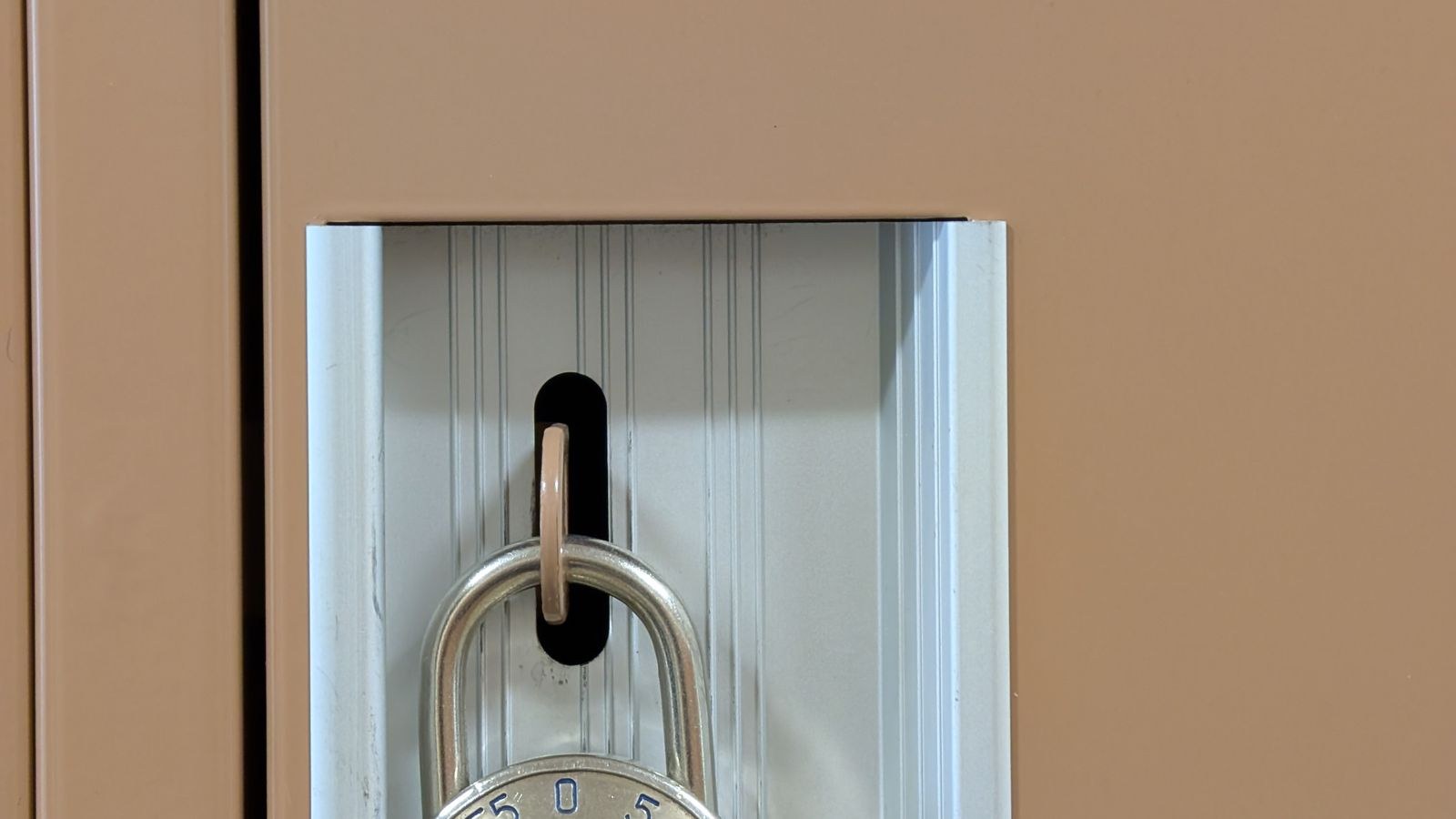
A quality padlock on a footlocker or wardrobe is the workhorse of dorm security. Choose a hardened shackle rather than a cheap laminated body, and prefer a shrouded or closed-shackle design that resists bolt cutters. For lockers, gym storage and shared cupboards, the options in the best locker locks guide cover the sizes and shackle clearances that actually fit standard campus hardware.
Combination models remove the biggest student risk, which is losing a key. Look for a four-digit resettable dial or a solid mechanical combination mechanism rather than a three-digit budget lock that can be brute-forced in a couple of minutes. Comparisons across mechanisms and shackle types appear in the best combination padlocks roundup.
Cable Locks for Laptops and Bikes
A laptop cable lock threaded through a desk leg or radiator pipe will not stop a determined thief with tools, but it comfortably stops the opportunist who spots an unattended machine through an open door. That is the actual threat model in a dorm. For bikes, spend properly; a sturdy U-lock through the frame and rear wheel to a fixed rack outperforms any cable.
Layer Two: A Safe Small Enough to Fit, Heavy Enough to Matter
Passports, spare cash, backup keys, medication and small electronics belong in a lockable box rather than a drawer. In a dorm the challenge is that any safe small enough to fit under a bed is also small enough to carry away, so anchoring matters more than the lock itself.
Look for a compact safe with pre-drilled anchor holes and either bolt it to a permitted surface, secure it with a steel cable to a bed frame or radiator, or place it inside a lockable wardrobe so a thief must defeat two barriers. Electronic keypads are convenient, but choose a model with a mechanical key override and check the battery type. Compact models suited to this role are covered in the best safes for cash guide.
Fire resistance is a secondary consideration in a dorm, since campus buildings are usually well protected, but a rating does no harm if the price difference is small. Prioritise anchoring and body construction first, then rating.
Layer Three: Discreet Cameras Within the Rules
A small camera facing the room door creates a record of who came in while you were out, which is often enough to resolve a dispute or recover an item. Compact designs fit on a bookshelf or desk without dominating the room, and the smallest units among the best mini security cameras take up less space than a coffee mug.
Three rules keep this ethical and compliant. First, tell your roommate the camera exists and where it points, and get their agreement; recording someone in their own living space without consent is a serious matter and often illegal. Second, never point a camera at a bed, a changing area or out into the corridor. Third, check that your housing contract permits cameras at all before buying one.
A camera aimed at your desk and the door, running only when you are out, gives you the coverage without the friction. Use the privacy shutter or a scheduled-off setting when you are both in the room.
Storage and Connectivity on Campus Wi-Fi
University networks often block the device-to-device traffic that smart cameras rely on, and many require devices to be registered by MAC address on a separate network. Before you buy, check whether the model works on a captive-portal network or needs a phone hotspot. A camera with local microSD recording is the safer choice because it keeps working even when the network does not.
Layer Four: Door and Room Habits
Hardware fails when habits do. The single most effective dorm security measure costs nothing: lock the door every time you leave, including for a two-minute trip down the hall. Most dorm theft happens through unlocked doors during short absences.
Do not prop the exterior building door, and do not hold it open for people you do not recognise, however awkward that feels. Do not lend your key card, and report a lost card immediately so it can be deactivated. Keep valuables out of sight of the corridor when the door is open, because a visible laptop on a desk is an advertisement.
Record the serial numbers of your laptop, tablet, phone and bike, photograph each item, and store that list in cloud storage. Recovery of a stolen device is nearly impossible without a serial number and nearly routine with one.
Building the Kit on a Student Budget
You do not need everything at once. A sensible order of purchase, cheapest and highest impact first:
- A solid combination padlock for your wardrobe or trunk
- A laptop cable lock for the desk
- A small anchored safe for documents, cash and medication
- A door alarm or portable door stop alarm for use while sleeping
- One compact camera facing the door, with roommate agreement
- A quality U-lock if you bring a bike
Buy fewer, better items rather than a drawer full of cheap ones. A single hardened padlock outperforms three flimsy locks, and locker-specific hardware from the best locks for lockers category tends to be sized correctly for campus furniture rather than requiring guesswork on shackle width.
Digital Security Deserves Equal Weight
In a dorm, the laptop matters twice: as hardware and as data. Enable full-disk encryption, set a strong login password with automatic lock after two minutes, and turn on device tracking so a stolen machine can be located or wiped remotely.
Use a password manager rather than reusing credentials across student portals, and enable two-factor authentication on your university account and email. Shared printers, shared Wi-Fi and shared study spaces make credential theft easy for anyone paying attention. Never leave an account logged in on a communal computer, and back up coursework continuously; the most painful dorm loss is usually a dissertation, not a device.
Fire, Health and Roommate Realities
Security in a dorm is not only about theft. Know where the fire exits are, never disable a smoke detector, and keep a small torch and a charged power bank for outages. Keep prescription medication locked away, both for your own safety and because it is commonly targeted.
Roommate friction causes more losses than strangers do. Agree early on whether the door gets locked, whether guests are allowed in when the other is out, and what is shared and what is not. Write it down informally. A five-minute conversation in week one prevents most of the disputes that residence staff spend the year mediating.
Common Dorm Security Mistakes
The most common is treating a short absence as safe. The second is hiding valuables in obvious places, since a desk drawer, a sock drawer and under the mattress are the first three places anyone looks. The third is buying a safe and never anchoring it, which simply packages your valuables for easy removal.
Others include installing a camera without telling a roommate, using the same three-digit combination on every lock, propping building doors for convenience, and never recording serial numbers. None of these cost money to fix.
Frequently Asked Questions
Are security cameras allowed in dorm rooms?
It varies by institution. Many permit cameras inside your own room with roommate consent, while banning them in shared and communal areas entirely. Always check the housing contract and ask residence staff before installing one.
Can I add my own lock to the dorm door?
Almost never. Campus staff must retain access for safety and maintenance, so additional door locks breach nearly every housing agreement. Secure containers and furniture inside the room instead.
What is the best place to keep cash and documents?
A small keypad safe anchored to a bed frame, radiator pipe or the inside of a lockable wardrobe. Anchoring is more important than the safe’s price.
Does renters or parents’ insurance cover dorm theft?
Often a parent’s home policy extends limited cover to a student in halls, but limits and excesses vary widely. Check the wording, and consider a small dedicated student contents policy for expensive laptops or instruments.
How do I secure a bike on campus?
Use a hardened U-lock through the frame and rear wheel to a fixed rack, add a secondary cable for the front wheel, park in well-lit areas covered by campus cameras, and register the frame number with campus security.
Final Thoughts
Dorm security is a stack of small, cheap, portable measures rather than one big purchase. Lock the containers you cannot watch, anchor a small safe for the things you cannot replace, add a discreet camera only with your roommate’s agreement, and above all lock the door every single time you leave the room.
None of this requires drilling, permission or much money, and every item packs into a box at the end of term. Set it up in the first week and the same kit will follow you through halls, a shared house and beyond, staying useful long after 2026 and costing far less than a single replacement laptop.