Owen Bradley
 Some rooms simply do not get light. A north-facing bedroom, a basement den, an apartment overshadowed by the building next door, a hallway with no window at all: no amount of rearranging furniture fixes the fundamental shortage. The good news is that a dark room is a solvable problem, and the solution is rarely one enormous ceiling light. It is a stack of small decisions about lumens, color temperature, fixture placement and how much light your walls give back. This guide covers what actually brightens a dark space, in the order that gives you the biggest return for the least money.
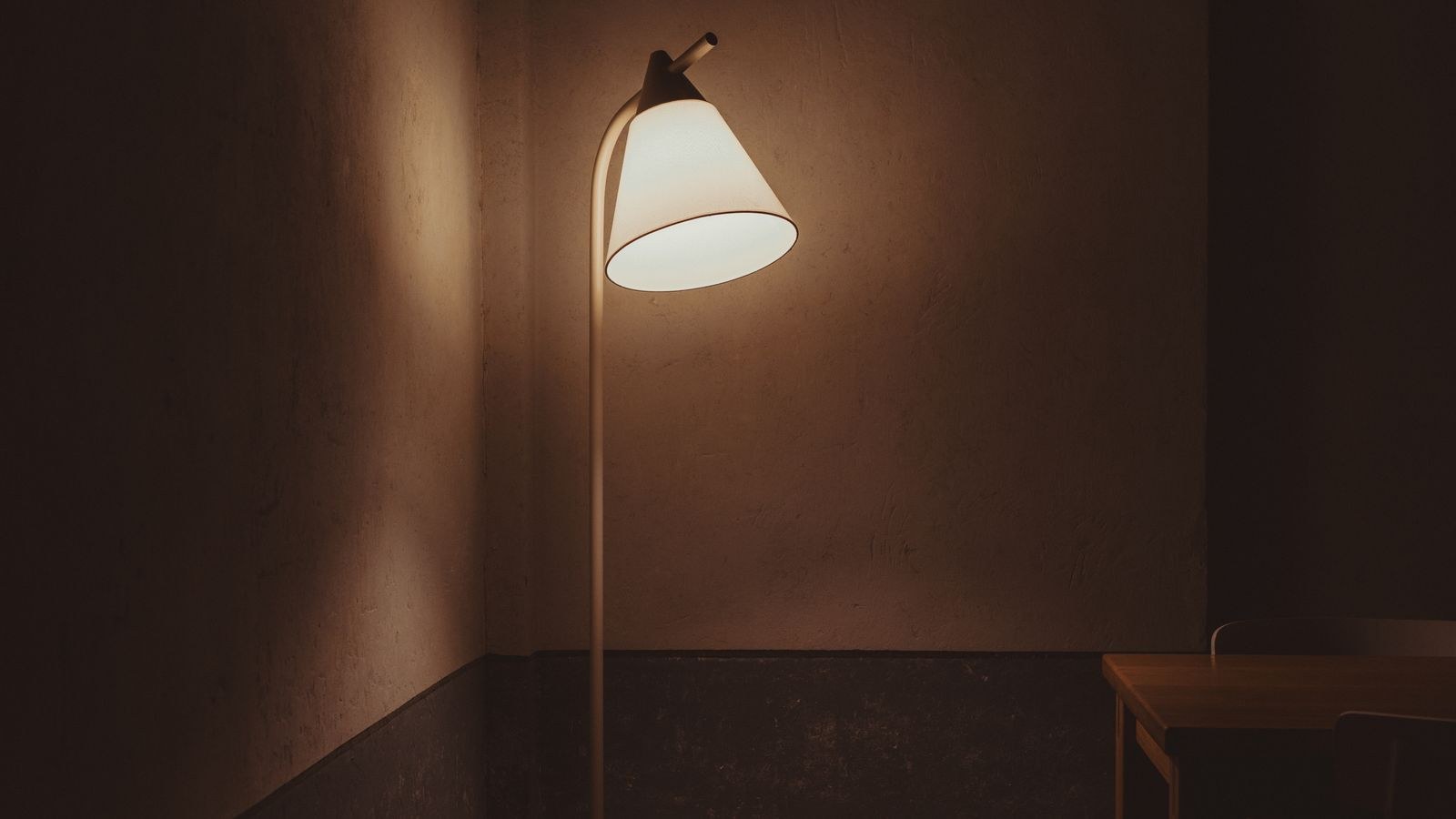
First, Diagnose Why the Room Is Dark
Dark rooms fail for different reasons, and the fix depends on which one you have.
- No daylight at all (basements, interior rooms, windowless bathrooms). Artificial light has to do everything, so raw output is the priority.
- Weak or indirect daylight (north-facing rooms, ground floors blocked by trees or buildings). You get soft, cool light for part of the day and nothing useful the rest of it. The fix is supplementing rather than replacing.
- Light-absorbing surfaces (dark paint, deep wood paneling, heavy carpet, matte navy walls). The room may receive plenty of light and simply eat it. A matte black wall reflects under 10 percent of the light hitting it; flat white reflects over 80 percent.
- Bad fixture design (one dim ceiling bulb, downward-only shades, fixtures in the wrong corner). Common, and the cheapest of all to fix.
Most dark rooms suffer from two or three of these at once. Working through them in order stops you from overspending on hardware when a can of pale paint and a repositioned lamp would have done half the job.
Set a Real Lumen Target
Forget watts. Lumens measure actual light output, and a dark room needs a deliberately high number.
For a room with decent daylight, 20 lumens per square foot is a comfortable baseline. For a genuinely dark room, aim for 30 to 40 lumens per square foot, and push toward 50 in a basement or windowless space where artificial light is the only source. A 12 by 14 ft room at 168 sq ft therefore wants roughly 5,000 to 6,700 lumens, versus the 800 lumens a single standard bulb provides.
That gap explains why swapping one bulb never fixes a dark room. You are not short by 20 percent; you are short by a factor of six or seven. The practical answer is high-output bulbs distributed across multiple fixtures, which is exactly what our roundup of the best bright light bulbs is built around, covering the 1,500 to 3,000-lumen bulbs that fit standard sockets.
Watch the Fixture’s Maximum Rating
Before installing a very bright bulb, check the fixture’s rated maximum. That rating exists for heat reasons and was written for incandescent bulbs, so an LED drawing 15W while producing 1,600 lumens is usually safe in a fixture rated for 60W incandescent. Do not exceed the physical wattage rating, but do not let the old wattage number cap your lumens.
Choose the Right Color Temperature
Color temperature dramatically changes whether a room reads bright or gloomy at the same lumen output. Warm 2700K light is cozy but feels dimmer to the eye than the same output at 4000K. In dark rooms this matters more than usual, because you are already fighting a perception of dimness.
The workable compromise for most living spaces is 3000K to 4000K. That is bright and clear without tipping into the clinical blue of 5000K-plus. For basements, home offices and utility spaces, 4000K to 5000K is appropriate and helps counteract the sluggishness that windowless rooms produce.
A worthwhile upgrade is tunable bulbs. Cool bright light during the day makes a dark room feel awake; warm light in the evening keeps it from feeling like an office at 10 p.m. Also check CRI. Bulbs at CRI 90-plus make colors in a dark room pop rather than looking flat and gray, which contributes to the impression of brightness even without extra lumens.
Layer the Light: The Technique That Does the Heavy Lifting
A single ceiling fixture creates one bright pool and leaves the corners in shadow, and the eye reads a room by its darkest areas. Three or four light sources at different heights make a room feel dramatically brighter than one source of equal total output.
- Ambient: the overhead layer. Replace a single-bulb fixture with a multi-bulb or high-lumen flush mount, or add recessed lighting if you are renovating.
- Task: reading lamps, desk lamps, under-cabinet strips. These put light where you actually use it and reduce the demand on the ceiling.
- Accent and fill: the layer people skip. Floor lamps in corners, uplights behind furniture, and lit shelving eliminate the dark edges that make a room read as gloomy.
Corners are the highest-value target. A dark corner drags the whole room down visually. A single uplight aimed at the ceiling in the darkest corner often does more for perceived brightness than doubling the ceiling fixture’s output. Our comparison of the best floor lamps for dark rooms focuses on torchiere and multi-head designs built to fill corners rather than just light a chair.
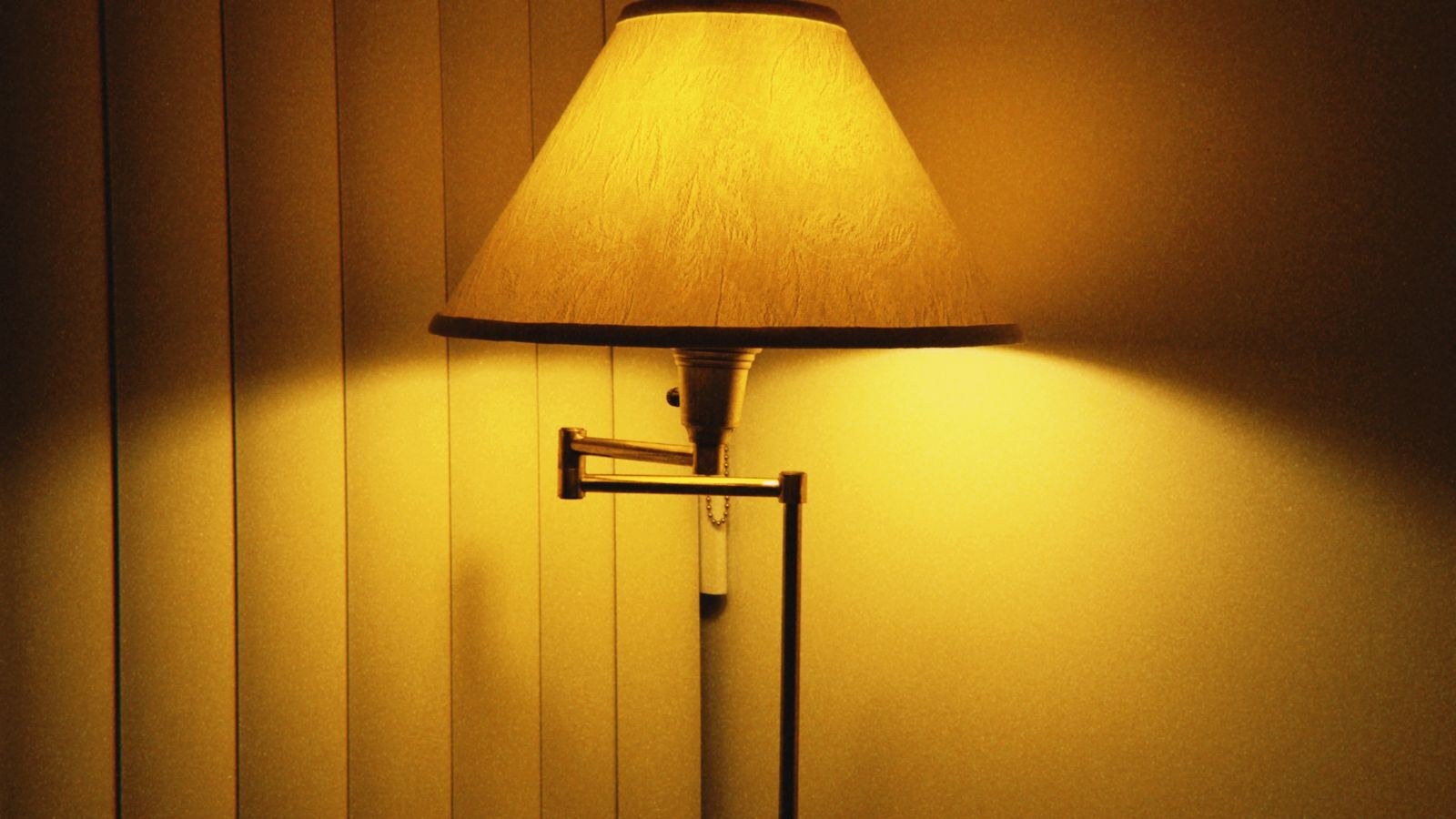
Uplighting and the Ceiling Bounce Trick
The most underused technique for dark rooms is bouncing light off the ceiling. A torchiere lamp aimed upward turns the entire ceiling into a large, soft light source. Because the light is spread over dozens of square feet rather than emitted from one bulb, it produces almost no glare and no harsh shadows.
Ceiling bounce works best with a white or very pale ceiling. If yours is beige, cream or wood, you lose a substantial portion of the light and the reflected light picks up that color cast. Painting a ceiling flat white is one of the single most cost-effective brightness upgrades available, and flat finishes scatter light better than gloss.
Two or three uplights placed at opposite ends of a room create an even wash that eliminates shadows entirely. This is the technique that makes low-ceilinged basements feel taller as well as brighter.
Surfaces: Free Brightness You Already Own
Lighting a dark room is partly an optics problem. Every surface either returns light to the room or absorbs it.
- Wall color. Moving from a mid-tone to an off-white can effectively double how much light the room retains, with no change to the fixtures. Eggshell and satin finishes reflect more than flat, though flat is more forgiving on imperfect walls.
- Mirrors. A large mirror opposite or adjacent to a window recycles daylight deep into the room. Placed to reflect a lamp, it acts as a second light source.
- Furniture and textiles. Pale rugs, light upholstery and glass or light wood tabletops all bounce light back up. A dark rug absorbs a surprising amount of what your ceiling fixture delivers.
- Window treatments. Heavy drapes eat what little daylight you get. Sheer panels or top-down shades preserve privacy while letting light through, and mounting rods wider than the window lets curtains stack clear of the glass.
None of this replaces adequate fixtures, but it multiplies whatever you install. A room with white walls and a pale rug will look brighter at 4,000 lumens than a dark-painted room at 6,000.
Fixture Choices by Room Type
North-Facing Living Rooms
You get soft, cool, indirect daylight for much of the day. Supplement rather than overwhelm: a couple of floor lamps, a table lamp on each side of the seating, and a high-output ceiling fixture for evenings. Warm-toned lamps counteract the cool cast of north light. Options suited to this kind of supplementation are covered in the best lamps for dark rooms.
Basements
The hardest case, and the one where you should be most aggressive with lumens. Low ceilings rule out pendants, so slim flush-mount panels plus corner uplights work best. Paint everything, including the ceiling, in flat white. Consider 4000K throughout because there is no daylight to blend with.
Windowless Bathrooms and Hallways
Small spaces where a single high-output flush mount plus a mirror does most of the work. In bathrooms, add vanity lighting at face height on both sides of the mirror rather than above it, which otherwise casts shadows under the eyes.
Rented Rooms
If you cannot change fixtures or paint, everything shifts to plug-in solutions: floor lamps, table lamps, clip-on uplights, and swapping whatever bulbs the existing fixture takes for the highest-output ones it will hold. A comprehensive look at the plug-in and bulb-swap approach is in our guide to the best lighting for dark rooms, alongside the best light bulbs for dark rooms for socket-level upgrades.

Budget Tiers
- Under $75: swap every bulb for a high-lumen LED and add one corner floor lamp. This alone transforms most dark rooms.
- $75 to $250: two or three lamps including at least one uplight, plus a multi-bulb ceiling fixture and a gallon of pale paint.
- $250 and up: recessed or track lighting, tunable smart bulbs on a schedule, under-cabinet and shelf lighting, and dimmers throughout.
Common Mistakes to Avoid
- One giant ceiling fixture. Creates a hotspot and leaves the room’s edges dark. Spread the output instead.
- Only warm bulbs. 2700K in a room with no daylight reads dim and heavy. Move to 3000K to 4000K.
- Downward-only shades. Opaque drum shades throw light at the floor and leave walls and ceiling black. Choose open-top or translucent shades.
- Dark accents everywhere. Dark rugs, dark upholstery and dark curtains together cancel out a substantial fixture upgrade.
- Ignoring CRI. Low-CRI light makes a room look gray and lifeless even when it is technically bright.
- Skipping dimmers. Bright light is the goal during the day, not at midnight. Dimmable fixtures let one setup serve both.
Frequently Asked Questions
How many lumens does a dark room need?
Aim for 30 to 40 lumens per square foot, and up to 50 in a basement or windowless space. A 150 sq ft room needs roughly 4,500 to 6,000 lumens in total.
Does painting walls white really help?
Substantially. Flat white reflects over 80 percent of the light hitting it while a dark color may reflect under 15 percent, so paint effectively multiplies the fixtures you already have.
What color temperature makes a room look brightest?
Cooler light reads brighter at the same lumen output. 3000K to 4000K is the sweet spot for living spaces; 4000K to 5000K suits basements and work areas.
Are floor lamps or ceiling lights better for a dark room?
Both, and the floor lamps matter more than people expect. Ceiling fixtures give overall coverage, but corner floor lamps and uplights eliminate the shadowed edges that make a room feel dim.
Can I fix a dark rented room without rewiring?
Yes. Higher-lumen bulbs in the existing fixtures plus two or three plug-in lamps, at least one aimed at the ceiling, will handle nearly any rental.
Final Thoughts
Brightening a dark room is mostly arithmetic followed by placement. Work out your lumen target from the floor area, choose bulbs in the 3000K to 4000K range with a CRI of 90 or better, spread that output across three or four sources instead of one, aim at least one of them at the ceiling, and give the light pale surfaces to bounce off. Done in that order, a room that felt like a cave in the morning becomes somewhere you are happy to spend an afternoon, usually for less than the cost of a single piece of furniture.