Owen Bradley
 Every December the same scene repeats in garages across the country: a tangle of strands pulled from a bin, half of them dead, a frustrated hour of testing bulbs, and a last-minute trip to buy replacements that do not match what is already on the tree. Buying Christmas lights well is not about spending more. It is about understanding a handful of specifications that determine whether a strand lasts one season or ten, whether it can safely go outdoors, and whether it will look right next to the strands you already own. This Christmas light buying guide covers LED versus incandescent, bulb shapes and sizes, spacing math for trees and rooflines, outdoor ratings, and the safety details that matter when you are running power across a wet lawn in 2026.
LED vs Incandescent: The Core Decision
This is the choice that shapes everything else, so it is worth understanding properly rather than assuming LED always wins.
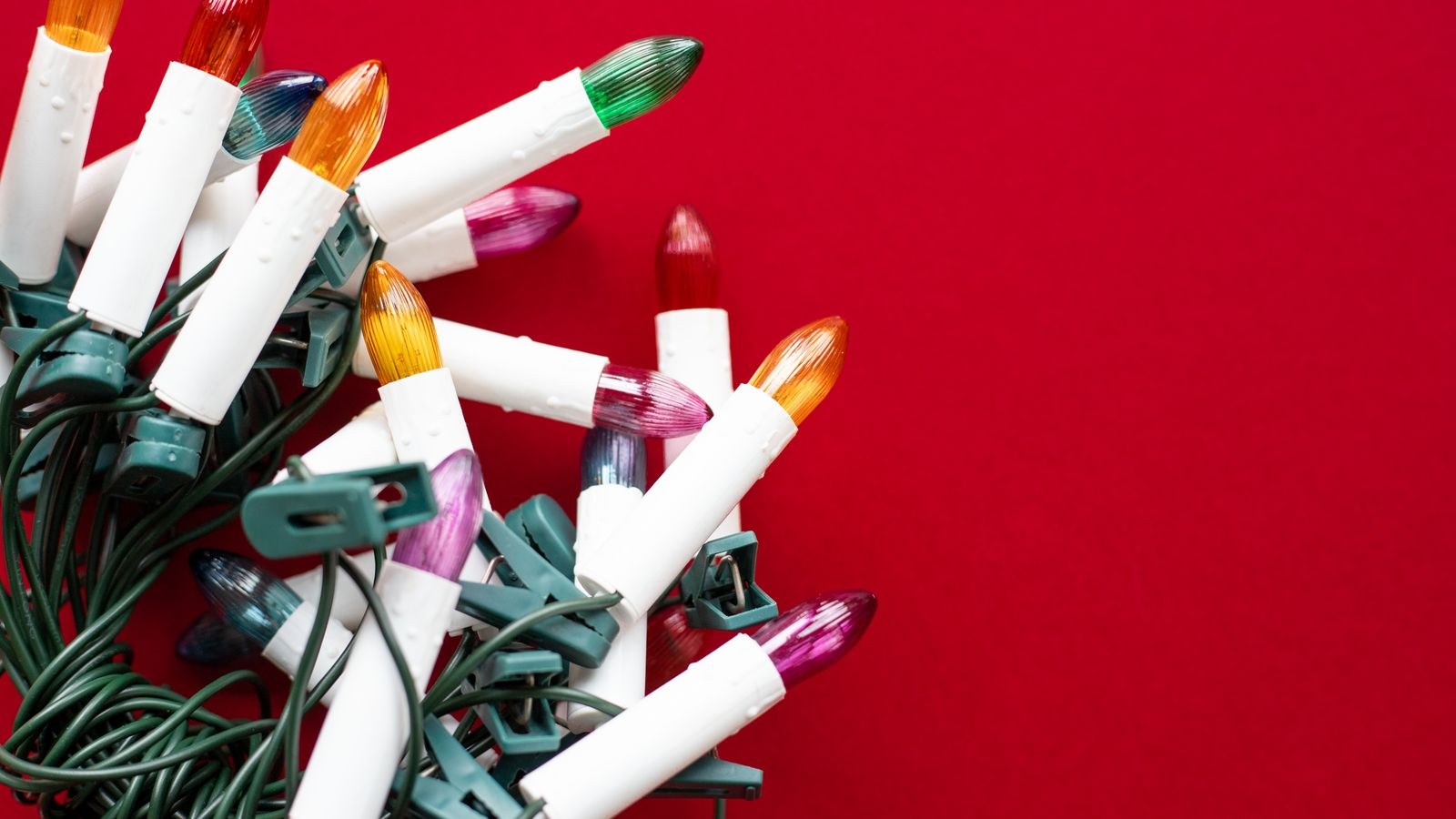
Incandescent strands produce light by heating a filament. The result is a warm, slightly golden glow with a natural falloff in color that many people find nostalgic and hard to replicate. They are cheap to buy, dim smoothly on any dimmer, and the classic look is genuinely distinctive. The costs are real though: a single strand of 100 mini incandescent bulbs draws around 40 watts, the bulbs run hot enough to feel, and filaments fail steadily so you are replacing bulbs every season. Typical rated life is around 1,000 to 3,000 hours.
LED strands use semiconductors instead of filaments. A comparable 100-bulb LED strand draws roughly 4 to 8 watts, about a tenth of the incandescent figure. They run cool to the touch, survive being dropped and stepped on, and are rated for 25,000 hours or more. Crucially for large displays, the low draw means you can safely connect far more strands end to end, often 20 to 40 sets on a single run versus three to five for incandescent.
The old complaint about LEDs, that they look cold and artificial, is largely obsolete. Warm white LEDs at 2400K to 2700K now closely match the incandescent look, and premium strands add a faceted lens that scatters light the way a glass bulb does. Where LEDs still differ is in dimming behavior and in the way cheap ones can flicker on certain circuits.
For nearly everyone, LED is the right buy today. The higher upfront price pays back within two or three seasons in electricity alone, and the durability difference is dramatic. If you love the incandescent glow, buy warm white LEDs with a glass or faceted lens rather than the standard smooth plastic ones. A comparison of the best Christmas lights across both technologies is the fastest way to see how far warm white LED strands have come.
Bulb Shapes and Sizes Explained
The letter-and-number codes on Christmas light packaging confuse almost everyone. Here is what they mean.
- Mini lights. The small teardrop bulbs used for most tree wrapping. Discreet, dense, and the default for interior trees and garland.
- M5 and 5mm wide-angle. Small conical LED bulbs that throw light sideways as well as forward. Excellent for wrapping trunks and branches because they read as bright from every angle.
- C6. Small strawberry-shaped bulbs, a traditional look scaled for indoor trees and mantels.
- C7. Medium bulbs roughly an inch across, the classic roofline light. Usually spaced 12 inches apart.
- C9. The large, unmistakable roofline bulb. Bold and highly visible from the street, usually spaced 12 to 15 inches apart. This is the shape people picture when they think of a traditional house outline.
- G-series globes (G12, G25, G40, G50). Round bulbs in ascending sizes. G40 and G50 are the big patio-style globes now common on porches and pergolas year-round.
- Net, icicle and curtain sets. Pre-arranged geometries for hedges, gutters and windows. They save enormous time but only fit the shape they were designed for.
As a rule, larger bulbs read better from a distance and smaller bulbs read better up close. A roofline seen from the street wants C9 or C7. A wreath by the front door wants mini or C6. Mixing sizes on purpose, big bulbs on the roof and small ones in the shrubs, adds depth that a single-size display never achieves.
How Many Lights Do You Actually Need?
Guesswork here is why people run out mid-project. Use these figures instead.
Christmas Trees
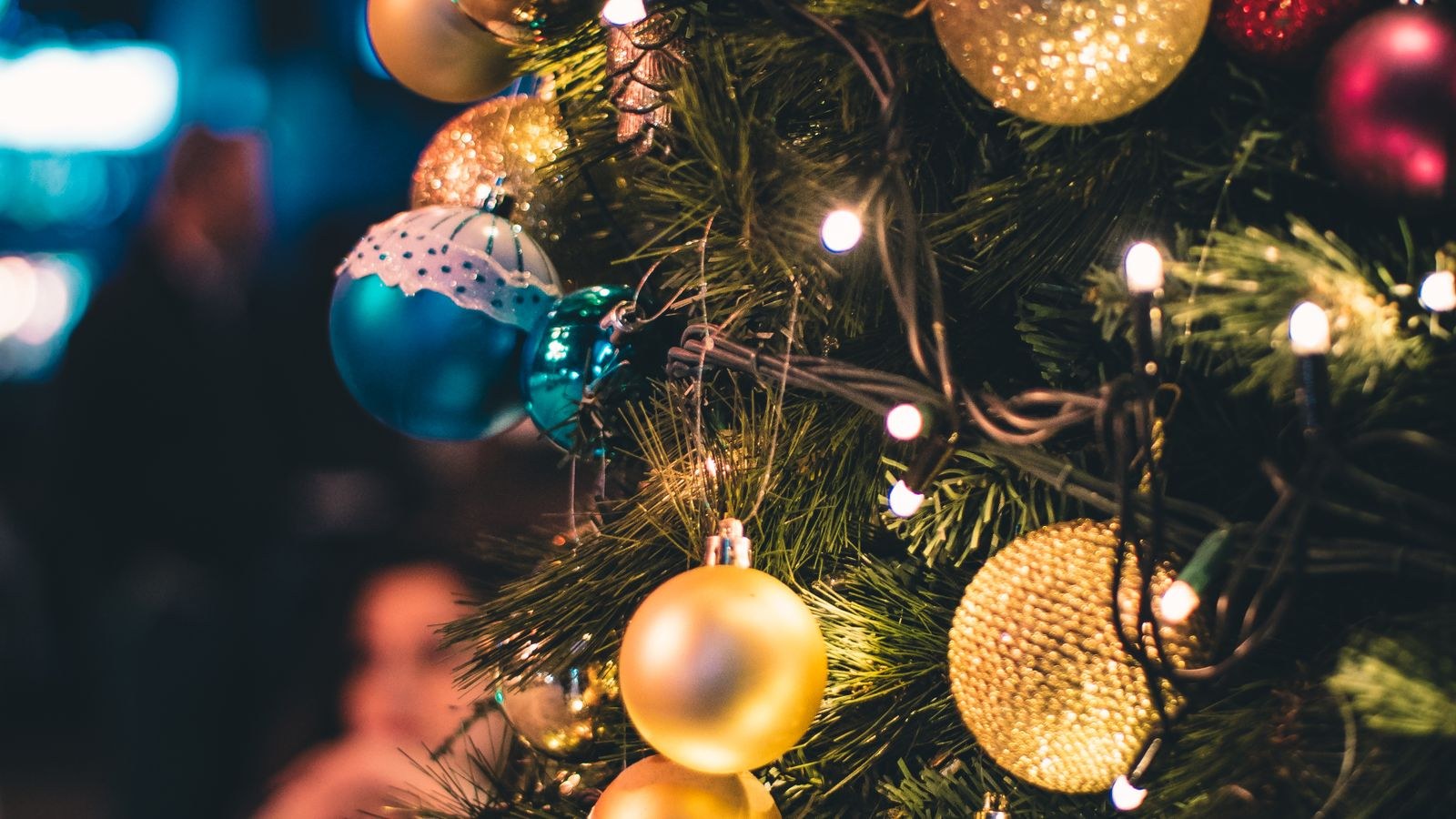
The traditional rule is 100 bulbs per vertical foot of tree for a full look. A 7-foot tree therefore wants about 700 lights. If you prefer a dense, glowing tree, go to 150 per foot. For a sparse, minimal look, 50 per foot works. Wrapping individual branches rather than circling the tree uses roughly twice as many lights but looks dramatically better because the light comes from inside the foliage instead of sitting on the surface. If you are building a tree display from scratch, the best Christmas lights for trees comparison covers the strand lengths and spacing that make branch-wrapping practical.
Rooflines and Eaves
Measure the total linear feet of every edge you plan to trim, then add 10 percent for slack and corners. With C9 bulbs at 12-inch spacing, one foot of roofline equals one bulb. A 120-foot roof outline needs about 130 bulbs, or roughly five 25-bulb strands.
Shrubs, Trunks and Railings
A medium shrub takes 100 to 200 mini lights. Wrapping a tree trunk takes about 100 lights per vertical foot of trunk at tight spacing. A porch railing takes roughly one strand per 10 feet at typical mini-light density.
Indoor, Outdoor and Weather Ratings
The UL rating tag on the cord tells you where a set can legally and safely be used. A green tag means indoor use only. A red tag means indoor and outdoor. There is no meaningful workaround: indoor-only strands lack the insulation and sealing to survive rain, snow and ultraviolet exposure, and using them outside is a genuine fire and shock hazard, not a technicality.
Beyond the basic rating, look for these outdoor features:
- Sealed or molded bulb bases that keep water out of the socket.
- Heavier gauge wire, typically 20 or 22 AWG, which resists cracking in cold and supports longer runs.
- UV-stabilized insulation so the cord does not turn brittle after two seasons in the sun.
- A stated operating temperature range if you live somewhere that gets seriously cold.
Commercial-grade outdoor sets cost noticeably more than big-box consumer strands and last several times longer, which is why anyone who decorates the same roofline every year eventually switches. Reviewing the best Christmas lights for outside makes the difference between consumer and commercial construction easy to spot.
Power, Connections and Electrical Safety
Every strand has a maximum number of sets that can be connected end to end, printed on the tag and dictated by the wire gauge and total current. Exceeding it is the most common cause of melted plugs and tripped breakers during the holidays.
Practical rules to work by:
- Respect the max-connect number. Incandescent mini sets typically allow three to five in series. LED sets often allow 20 or more. Never assume; read the tag.
- Use GFCI protection outdoors. Every exterior receptacle should be GFCI-protected. If yours is not, use a portable GFCI adapter. This is non-negotiable around wet ground.
- Size extension cords properly. Use outdoor-rated cords of 16 gauge for short runs and 14 or 12 gauge for runs over 50 feet. Thin indoor cords overheat under sustained load.
- Keep connections off the ground. Elevate plug junctions or use a cord-protecting cover so meltwater does not pool around them.
- Do not staple through the wire. Use plastic light clips designed for gutters and shingles. Nails and staples that pierce insulation cause shorts.
- Put the display on a timer. Six hours a night instead of twenty-four extends strand life and cuts running cost by more than half.
On the cost side, LEDs make large displays affordable. A 500-bulb LED display running six hours a night for six weeks uses only a few kilowatt-hours in total. The same display in incandescent bulbs would cost roughly ten times as much to run.
Color, Wire Color and Consistency
Two strands both labeled “warm white” from different manufacturers frequently do not match, and the mismatch is glaringly obvious once they are on the same tree. Buy all the strands for a single surface at the same time, from the same product line, and ideally from the same production batch.
Wire color matters more than people expect. Green wire disappears in evergreens. White or clear wire disappears against snow, white trim and light-colored walls. Black or brown wire disappears on dark roofs and bare branches. Choosing the right base color is free and makes a display look considerably more professional in daylight.
For multicolor displays, decide early between a traditional five-color mix and a limited palette. Two colors, such as warm white with red, almost always looks more deliberate than the full rainbow.
If you want the same strands to work year-round on a patio or in a bedroom, general-purpose LED string lights with globe bulbs and a plain cord are a better buy than holiday-specific sets, since they do not read as seasonal in July.
Budget Tiers
Under $50. Enough warm white LED mini strands to light one indoor tree properly, plus a timer. Focus the whole budget on a single surface rather than spreading it thin.
$50 to $200. An indoor tree plus a modest exterior: a roofline in C9 LEDs, wrapped porch columns, and a couple of shrubs. Add outdoor-rated extension cords and clips to this figure; they are always forgotten.
$200 and up. Commercial-grade outdoor strands, full roofline and landscape coverage, and possibly a controller for animated or color-changing effects. At this level buy for durability, because you are investing in something you will reuse for a decade.
Common Christmas Light Mistakes
- Using indoor-rated sets outside. A real hazard, not a shortcut.
- Chaining too many strands. Melted plugs and tripped breakers follow immediately.
- Buying strands in mismatched batches. Warm white varies enough between runs to ruin a tree.
- Ignoring wire color. A display that looks great at night can look like a cable spill at noon.
- Under-buying for the tree. One hundred bulbs per vertical foot is the minimum for a full look.
- Storing lights loose in a bin. Wrap each set on a reel or a piece of cardboard and you will not lose an hour untangling next season.
Frequently Asked Questions
How many lights do I need for a 7-foot tree?
About 700 for a standard full look at 100 bulbs per vertical foot. Go to 1,000 for a dense, glowing tree, or double the count if you are wrapping individual branches.
Are LED Christmas lights worth the extra cost?
Yes for almost everyone. They use roughly a tenth the power, last many times longer, run cool, and let you connect far more strands on a single circuit.
What is the difference between C7 and C9 bulbs?
C9 bulbs are larger and brighter, best for rooflines viewed from the street. C7 bulbs are a size down, good for smaller homes, windows and shorter viewing distances.
Can I leave Christmas lights on all night?
You can with outdoor-rated LEDs, but a timer set to six hours saves energy and significantly extends the life of the strands and connectors.
How do I stop lights from tangling in storage?
Wind each strand onto a reel, a cord wrap or a rectangle of cardboard, secure the end, and store sets in a labeled bin by location rather than mixing them together.
Final Thoughts
Buying Christmas lights well comes down to four decisions: LED over incandescent for almost every application, a bulb size matched to viewing distance, a red UL tag on anything going outdoors, and enough strands bought at once to cover a surface consistently. Measure your rooflines and count your tree footage before you shop, budget for cords, clips and a timer alongside the lights themselves, and buy the better outdoor-rated set if you plan to decorate the same house next year. Do that and the annual ritual stops being an afternoon of troubleshooting and becomes what it should be, which is an hour of hanging lights and then stepping back to look at them.