Owen Bradley
 The bagged versus bagless argument has been running since the first clear-bin cyclonic vacuum arrived and made the bag look old-fashioned overnight. Two decades later the debate is more balanced than the marketing suggests, because the two designs are genuinely good at different things. Bagless machines cost nothing to feed and let you see what you have picked up. Bagged machines contain dust properly, hold more before they need attention, and stay closer to full performance for longer. Which is better depends on your budget, your lungs, your patience with maintenance, and how much of your home is carpet. This guide compares bagged vs bagless vacuums on the points that decide daily satisfaction rather than the points that fill a spec sheet.
How the Two Systems Work
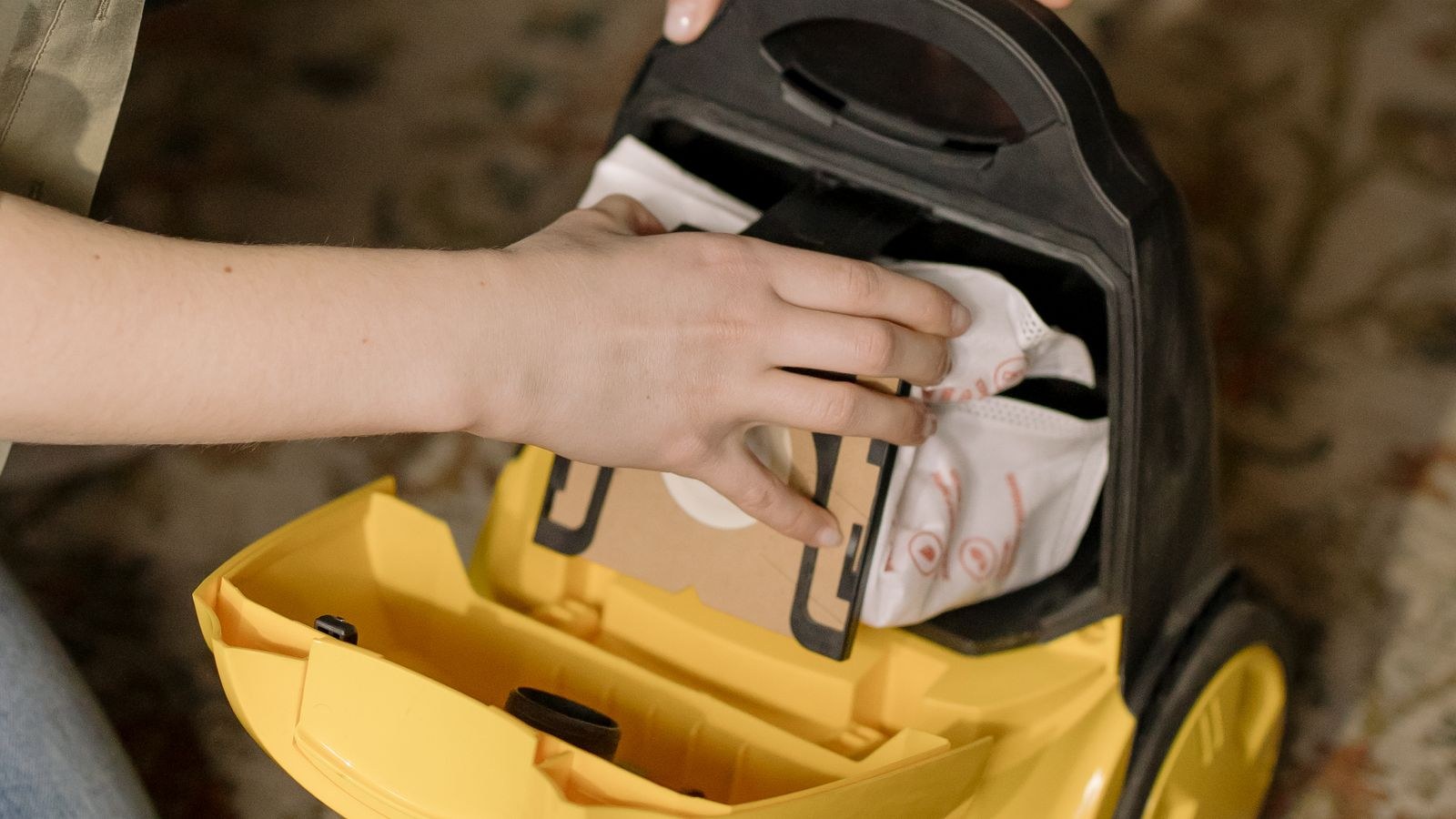
A bagged vacuum pulls the dirty airstream into a disposable bag that acts as the primary filter. Air passes through the bag’s porous wall, leaving dust behind, then continues through a secondary motor filter and an exhaust filter before returning to the room. Modern bags are multi-layer synthetic fleece rather than the paper of old, which means they filter finer particles and tear far less readily.
A bagless vacuum uses cyclonic separation instead. Air spins rapidly inside a chamber and centrifugal force throws heavier debris outward and down into a clear bin, while the lighter remainder passes through a washable filter before reaching the motor. Nothing is consumed in the process, so the only ongoing item is the filter, which is washed periodically and replaced occasionally.
Both Rely on Filters Either Way
It is a common misconception that bagless vacuums have no filters. They do, and those filters do more work because they are not shielded by a bag catching the bulk of the dust first. That is exactly why bagless machines demand regular filter washing while bagged machines can go far longer between filter changes. Neither system is maintenance-free; they simply move the maintenance to different places.
Running Costs Over the Long Term
Bagless wins here and it is not close. There are no bags to buy, ever. Filters need washing every month or two and replacing perhaps once a year or two, which is a modest cost. Over a decade of ownership the consumable spend on a bagless machine is small.
Bagged machines need a steady supply of bags, and the frequency depends on household size, pets, and how much carpet you have. A typical household gets through somewhere between six and fifteen bags a year, and prices vary considerably between generic and manufacturer-branded packs. Generic bags are usually fine provided the collar fits properly and the material is genuine multi-layer fleece rather than thin paper, but a poor-fitting bag can leak dust into the machine body and undermine the whole point of the system. Our roundup of the best vacuum bags covers what to look for and where generics are safe to use.
Purchase Price Is Not the Deciding Factor
At any given quality level the two formats cost broadly the same to buy. Bagless dominates the budget end because manufacturers can advertise “no bags to buy”, but plenty of premium bagless machines exist and plenty of budget bagged ones do too. Do not let purchase price steer you toward a format; let it steer you toward build quality within whichever format you have chosen.
Allergy Control and Dust Containment
This is where bagged machines have a real, measurable advantage. When you empty a bagless bin, you are tipping loose fine dust into a bin at close range, and a visible cloud escapes no matter how carefully you do it. For anyone with asthma, hay fever, or a dust mite allergy, that moment undoes some of the cleaning you just did.
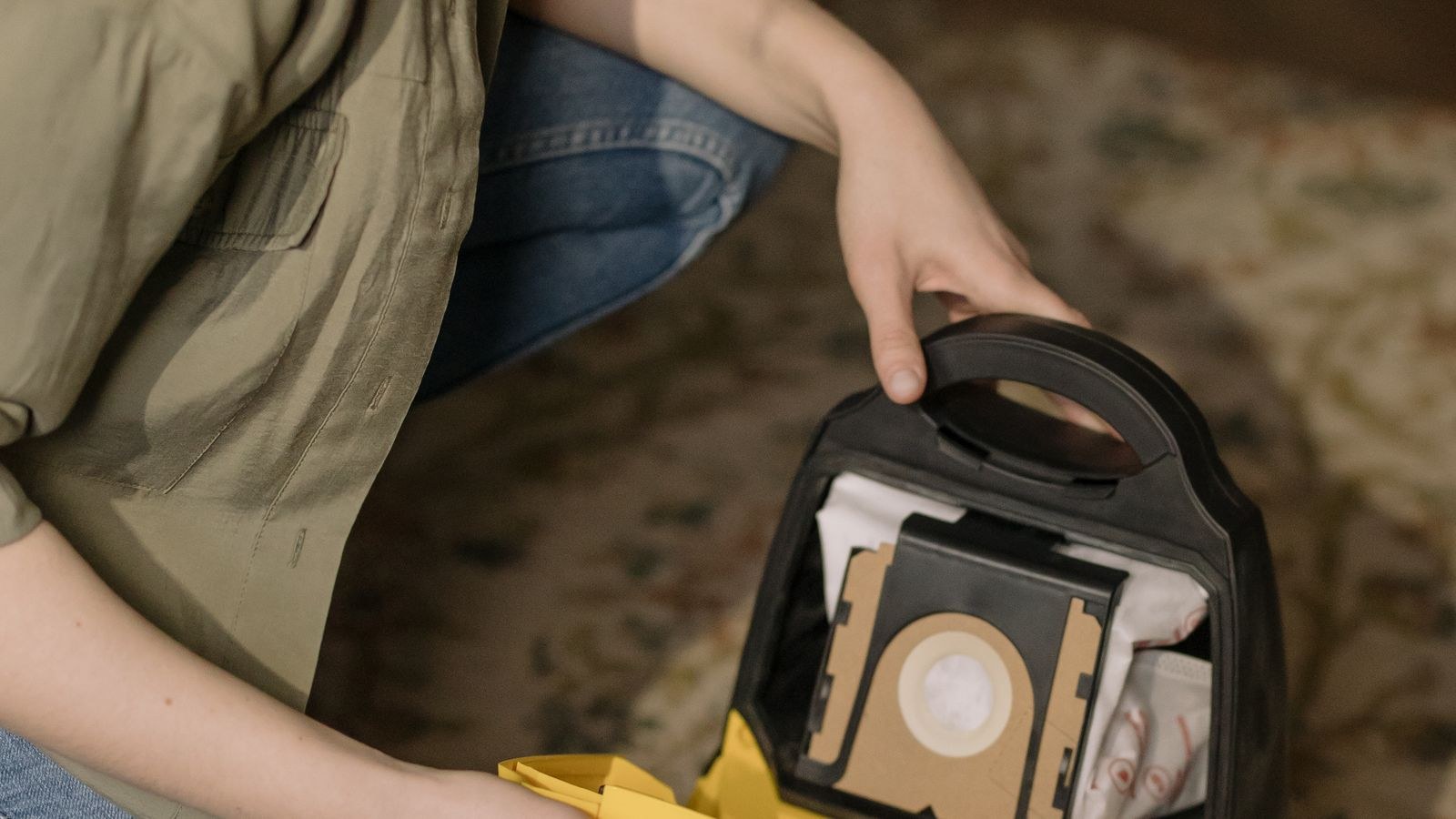
A bagged machine avoids this entirely. You remove a sealed bag, often with a self-closing collar that shuts as it detaches, and drop it in the bin without the contents ever meeting open air. Combine that with a sealed HEPA exhaust filter and the machine becomes genuinely allergen-friendly rather than nominally so. If allergies are a factor in your household, this alone is usually enough to settle the format question, and our guide to the best vacuums for allergies explains what sealed filtration means in practice.
Emptying: Convenience Versus Mess
Bagless machines are more convenient in the narrow sense. You detach the bin, hold it over a waste bin, press a release, and the contents drop out. There is no need to keep spares in a cupboard, no risk of running out mid-clean, and no moment where you cannot use the vacuum because the right bag is not in stock.
The cost is mess and frequency. Bins are small, typically 0.5 to 0.8 litres on cordless models and around 1.5 to 2.5 litres on uprights, so they need emptying often. Fine dust clings to the bin walls and cyclone shroud and does not fall out cleanly, and hair wraps around the central cone and has to be pulled off by hand. Bagged capacity is usually two to four litres, so emptying happens far less often, and when it does it is a clean, two-second operation. Whether that trade is worth it depends on whether you would rather do a slightly unpleasant job often or buy a consumable occasionally.
The Odour Question
Bagless bins retain smells because organic debris sits in a plastic chamber that is rarely washed. Rinsing the bin periodically, and drying it completely before reassembly, resolves this. Bagged machines are less prone to it because the bag is discarded before contents have time to become unpleasant, though a bag left too long in a home with pets will still develop an odour.
Sustained Suction as the Machine Fills
Manufacturers of bagless machines have long claimed “no loss of suction”, and cyclonic separation does genuinely keep airflow steadier than an old paper bag ever did. But no design is immune to restriction: as the fine filter behind the cyclone loads with dust, airflow drops, which is why bagless machines require frequent filter washing to maintain performance.
Bagged machines lose airflow gradually as the bag fills, because the bag itself is the filter and its pores clog. The mitigation is that a large bag has an enormous surface area, so the decline is slow and predictable, and a fresh bag restores full performance instantly. In practical terms, a bagged machine with a half-full bag often outperforms a bagless machine with a filter that has not been washed in three months. The real variable is not the format but whether the owner keeps up with maintenance, and bagged machines are more forgiving of neglect.
Which Type Suits Which Household
- Allergy or asthma sufferers: bagged, with sealed HEPA filtration and self-sealing bag collars.
- Large carpeted homes: bagged, because the larger capacity means fewer interruptions during a full-house clean.
- Small flats and hard floors: bagless, since small debris volumes make the bin size irrelevant and consumables pointless.
- Households with pets: either works, but bagged contains dander better while bagless lets you see and clear hair tangles more easily.
- Anyone who dislikes maintenance: bagged, because a full bag is obvious and swapping it is trivial compared with washing and drying a filter.
- Tight budgets over many years: bagless, since the absence of consumables adds up.
For a broader view of what is available in each camp, compare our picks for the best bagged vacuums against the best bagless vacuum cleaners, and see how both formats sit alongside the wider field in our roundup of the best vacuum cleaners.
Practical Maintenance for Each Format
If you go bagless, wash the primary filter on a schedule rather than when you notice weak suction, because by then you have been cleaning poorly for weeks. Rinse in cold water, never use detergent, and dry it fully for at least 24 hours before refitting; a damp filter breeds mould and restricts airflow badly. Rinse the bin every month or two and clear hair from the cyclone cone by hand.
If you go bagged, change the bag when it reaches roughly two thirds full rather than waiting for it to be stuffed, since performance falls off in the last third. Keep two or three spares in the cupboard so you are never stranded. Check the secondary motor filter every six months and the exhaust filter annually, and always verify the bag collar seats fully before closing the housing, because a misaligned bag dumps dust straight into the machine.
Common Mistakes
The most common bagless mistake is treating the filter as optional maintenance. A neglected filter is the single biggest cause of “my vacuum has lost suction” complaints, and no amount of motor power compensates for it. The second is refitting a filter before it is dry, which restricts airflow and creates a musty exhaust smell.
On the bagged side, the two frequent errors are buying the cheapest possible paper bags, which tear and filter poorly, and pushing a bag well past full to save money. Both cost more than they save, in performance and sometimes in motor life. A third mistake applies to both formats: choosing on bag or bin capacity alone while ignoring the floor head, which contributes more to actual cleaning results than the dirt container ever will.
Frequently Asked Questions
Do bagged vacuums really lose suction as the bag fills?
Yes, but gradually. The bag’s large surface area means the decline is slow, and a fresh bag restores full airflow. Change at around two thirds full to stay near peak performance.
Are bagless vacuums bad for allergies?
They are not inherently poor cleaners, but emptying the bin releases fine dust into the air at close range. If that is a problem, either empty outdoors while wearing a mask or choose a bagged machine with sealed filtration.
Can I use generic bags instead of branded ones?
Often yes, provided the collar fits the machine exactly and the material is multi-layer synthetic fleece. Thin paper generics tear and filter less finely, which lets dust reach the motor filter sooner.
How often should I wash a bagless filter?
Roughly every one to three months depending on use, and more often in a home with pets or a lot of carpet. Always dry it completely, ideally for a full day, before refitting.
Which format lasts longer?
Build quality matters far more than format. That said, a bagged machine’s motor sees less fine dust when bags are changed on time, which is a modest longevity advantage over a bagless machine whose filter is neglected.
Final Thoughts
Neither format is objectively better; they optimise for different owners. Choose bagged if anyone in the house has allergies, if your home is large and mostly carpeted, or if you would rather buy a consumable than perform a chore. Choose bagless if your home is small, mostly hard floored, and you would rather spend a few minutes on filter maintenance than money on bags. In both cases, spend your attention on the floor head, the quality of the seal, and the filtration rating, because those determine how well the machine cleans. The dirt container is how you deal with what it collects, and the best system is simply the one whose maintenance routine you will actually keep up with.