Owen Bradley
 Wireless earbuds have become the default way most people listen to anything, and the market has responded with hundreds of near-identical-looking options. Yet the difference between a pair you love and a pair that ends up in a drawer usually comes down to unglamorous details: whether the tips seal properly in your ears, whether the battery survives your actual day, and whether the noise cancelling works on the noise you actually face. This wireless earbuds buying guide walks through fit, battery, codecs, cancelling and controls, so you can read a spec sheet critically and buy once instead of twice.
Fit Comes First, and It Is Not Close
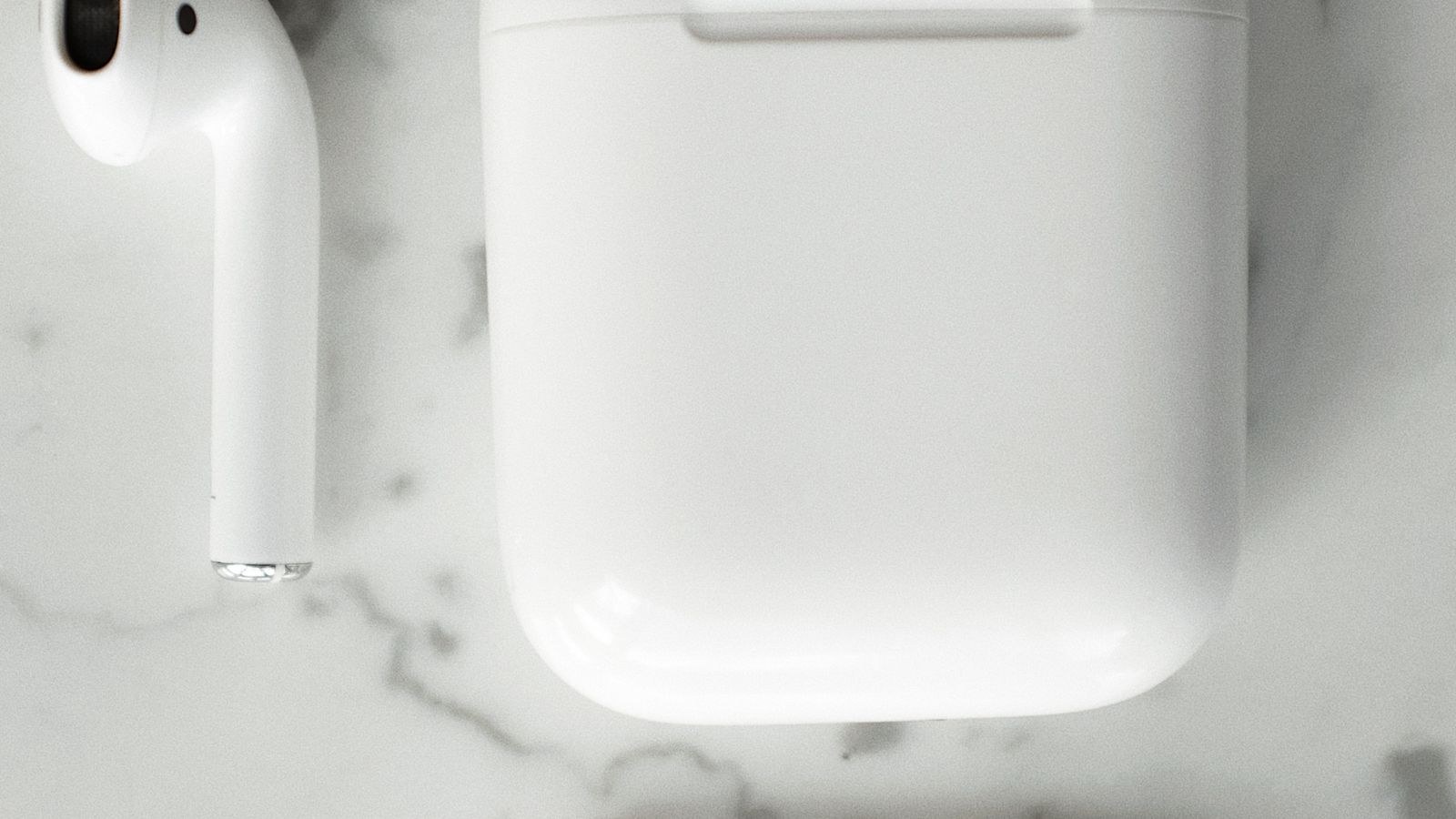
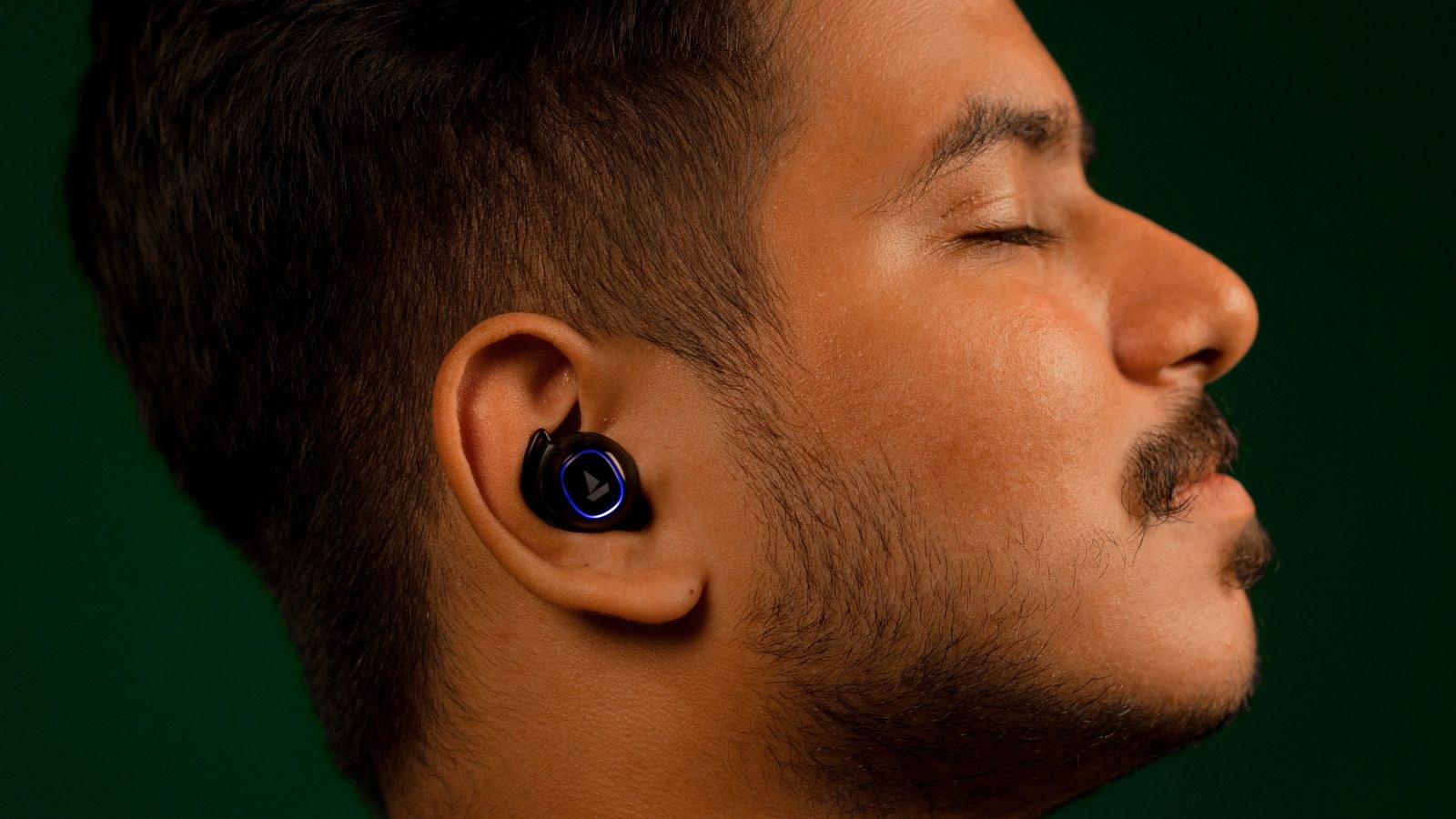
No other factor influences your experience more. A wireless earbud that does not seal properly loses bass, loses isolation, and works loose whenever you move your jaw. People frequently conclude that a pair sounds thin or that the cancelling is weak when the real problem is a tip one size too small.
Every serious set ships with multiple tip sizes, and trying all of them is not optional. Insert with a gentle twist so the tip seats inside the canal rather than resting at the entrance. Play a bass-heavy track and swap sizes until the low end arrives with weight. If one ear seals and the other does not, use different sizes on each side, which is completely normal since ear canals are rarely symmetrical.
Beyond silicone, foam tips expand inside the canal and typically improve both comfort and isolation for people who struggle to get a seal. If you exercise, look for designs with a wing or fin that braces against the ear ridge, since a seal alone does not always survive running. The best in-ear headsets vary widely in nozzle shape and angle, and that geometry matters more than any published specification.
Signs of a Bad Fit
- Bass sounds weak or absent even at higher volumes.
- Outside noise reaches you almost unchanged with cancelling on.
- The bud gradually works its way loose during the day.
- You hear your own footsteps or chewing unusually loudly.
- One ear sounds noticeably different from the other.
Battery Life: Read Past the Headline
Manufacturers quote two numbers: runtime from the buds themselves and total runtime including the charging case. The bud figure is the one that governs your day, since the case only helps if you have it with you and are willing to stop listening while it charges.
Those figures are also measured under favourable conditions, usually at moderate volume with noise cancelling disabled and a basic codec in use. Turn cancelling on, raise the volume, and use a higher-bitrate codec, and real runtime can drop by a third. When comparing models, look specifically for the cancelling-enabled figure and treat it as an optimistic ceiling rather than a promise.
Quick charging matters more than most buyers realise. A case that delivers a couple of hours of playback from ten minutes of charging rescues you far more often than a long total runtime does. Check whether the case supports wireless charging too, and remember that batteries degrade over time, so a set that barely covers your commute today will not cover it in two years. If long sessions are your reality, comparing the best headsets with long battery life is a sensible filter before anything else.
Codecs and What They Actually Change
A codec is the compression scheme used to send audio over Bluetooth. Every device supports the baseline codec, which is adequate but the weakest link in the chain. Higher-quality codecs carry more data and can sound better, but only if both your phone and your earbuds support the same one, so a codec listed on the earbuds is worthless if your source cannot speak it.
Be realistic about how much this matters. Codec differences are audible on good recordings through a well-sealed earbud in a quiet place, and largely irrelevant on a noisy bus with a poor fit. Fit and tuning influence what you hear far more than codec choice does. Treat a better codec as a bonus rather than a deciding factor.
Latency is the more practical consideration for many people. If you watch video or play games, look for a low-latency mode or a codec designed for it, otherwise lip sync drifts noticeably. Most streaming apps compensate automatically for video, but games rarely do.
Bluetooth Version and Multipoint
A newer Bluetooth version generally means a more stable connection, better range and improved power efficiency, all of which reduce the dropouts that plague crowded environments. Multipoint pairing, which keeps the buds connected to a laptop and a phone simultaneously, is a genuine daily convenience for anyone who works and takes calls. Compare the best bluetooth headsets on connection reliability rather than headline version numbers alone, since implementation quality varies.
Noise Cancelling and Transparency
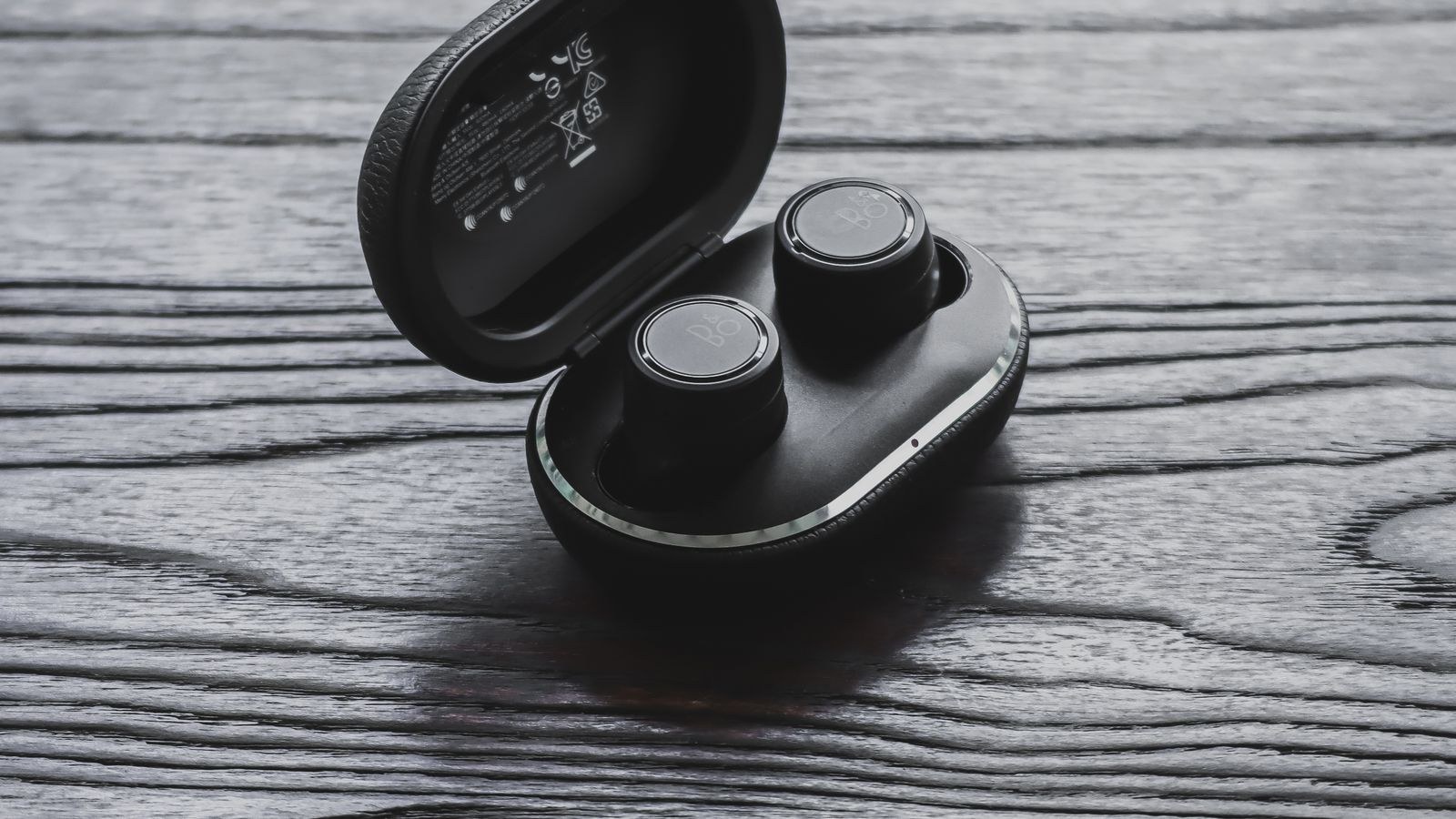
Active noise cancelling on earbuds has improved enormously, but its strengths are specific. It works best against constant low-frequency drone: aircraft cabins, trains, road noise, air conditioning. It is far weaker against speech, sudden clatter and high-pitched sounds, which the physical seal of the tip handles better.
This is why fit and cancelling are inseparable. A leaky tip undermines the cancelling circuit, because more noise reaches your eardrum by paths the system cannot correct. If you commute or fly regularly, the best noise cancelling headsets are worth the premium, provided you commit to finding the right tip.
Transparency mode is the reverse feature, using the same microphones to pipe outside sound in so you can hear announcements or a conversation without removing anything. Quality varies considerably: good implementations sound natural, weaker ones sound hissy and artificial. If you walk in traffic or need situational awareness, test this as carefully as you test the cancelling.
Comfort, Weight and Wear Style
Earbud comfort is a function of weight, nozzle angle, insertion depth and how much of the shell contacts your outer ear. A heavy bud pulls at the canal and works loose. A deep-insertion design isolates well but causes fatigue for some people within an hour. Shallow, half-in-ear designs are comfortable and let ambient sound through naturally, at the cost of bass and isolation.
Pressure buildup is a common complaint, sometimes described as a plugged feeling. Vented designs relieve this, and it is worth looking for if you have found earbuds uncomfortable before. There is no substitute for wearing a pair for a genuine hour before deciding, so buy where returns are straightforward.
Case size matters too, since the case travels everywhere with you. A bulky case defeats the portability that made you choose earbuds in the first place. Anyone prioritising pocketability should look at the best portable headsets, where compact cases and light buds are the design goal.
Controls, Microphones and Water Resistance
Touch controls look elegant and are frequently frustrating, registering accidental taps when you adjust a bud and missing deliberate ones in cold weather. Physical buttons are more reliable but push the bud further into your ear when pressed. Neither is universally better, but check whether the controls are customisable in the companion app, and whether essential functions such as volume are available at all, since some designs omit them entirely.
Microphone quality is a separate skill from music playback, and the two rarely correlate. If you take calls outdoors, look specifically for how a set handles wind and background voices. Bone conduction sensors and multi-microphone beamforming genuinely help here, but the only real test is listening to a recorded sample.
Water and dust resistance is expressed as an IP rating. A rating suitable for sweat and light rain covers most people; higher ratings matter if you train hard or work outdoors. Note that many cases carry a lower rating than the buds themselves, so a case left in a wet bag is still vulnerable.
Budget Tiers and Where the Money Goes
Entry-level buds now offer competent sound, reliable pairing and basic cancelling. What you give up is refinement: call quality in wind, cancelling depth, app features and long-term battery health. The mid tier is where the most meaningful improvements land, particularly in noise cancelling effectiveness, microphone performance and comfort engineering.
At the top, sound quality gains become incremental while features multiply: adaptive cancelling, spatial audio, wear detection, hearing personalisation and better materials. Decide which of those you will genuinely use. Paying a flagship price for spatial audio you never enable is the most common way to overspend in this category.
A Practical Buying Checklist
- Confirm the buds come with at least three tip sizes, and plan to try all of them.
- Check the cancelling-enabled battery figure, not the headline number.
- Verify multipoint if you switch between a phone and a laptop.
- Look for quick charge support and check whether the case charges wirelessly.
- Read call quality impressions separately from music impressions.
- Match the IP rating to your actual activity level.
- Buy where returns are easy, because fit cannot be judged from a listing.
Frequently Asked Questions
Why do my earbuds keep falling out?
Almost always a tip size or shape mismatch. Try a larger size first, then foam tips, then look for designs with an ear fin. Insertion technique matters too: a gentle twist as you insert seats the tip far more securely than pushing straight in.
How long do wireless earbuds last?
Two to four years is typical, with battery capacity being the limiting factor. Tiny cells degrade faster than large ones, and most buds do not have user-replaceable batteries. Avoid leaving them at full charge in a hot car to slow the decline.
Do expensive codecs make a real difference?
They can, on good recordings in a quiet setting with a proper seal. In everyday noisy use the difference is usually swamped by the environment and the fit. Prioritise fit and tuning first, and treat codec support as a tiebreaker.
Are earbuds good enough for calls?
Many are excellent indoors and merely acceptable outdoors, where wind noise is the main challenge. If most of your calls happen while walking or commuting, make microphone performance a primary criterion rather than an afterthought.
Final Thoughts
The specifications that dominate marketing are rarely the ones that determine whether you enjoy a pair of earbuds. Fit governs sound, isolation and security all at once, and it is the one variable entirely in your hands. Battery figures need translating into your real usage, codecs matter less than the internet suggests, and cancelling only performs as well as the seal supports. Work through fit, honest battery expectations, connectivity and controls in that order, and you will end up in 2026 with a pair that stays in your ears and in your routine rather than in a drawer.