Owen Bradley
 Travel security is less about paranoia and more about friction. Almost no theft on the road is a dramatic heist; it is an opportunist noticing an unattended bag, an unlocked zip, or a hotel room door that swings open with a single push. Every layer you add slows that opportunist down and pushes them toward an easier target. This travel security guide walks through the gear that actually earns its place in a bag, from luggage locks and portable door alarms to anti-theft backpacks, and explains how to secure a hotel room, a hostel bunk, and your electronics while you are moving. The goal is simple: make your trip in 2026 boring for anyone hoping to make money from your carelessness.
Think in Layers, Not in Gadgets
The single most useful mental shift is to stop shopping for one perfect device and start thinking about layers. A thief needs time, privacy, and low risk of being seen. Each layer you add removes one of those. A cable lock through a backpack strap removes the grab-and-run option. A door alarm removes the privacy of a quiet hotel corridor. A slash-resistant panel removes the quick blade trick used in crowded markets.
Practically, that means dividing your belongings into three tiers. Tier one is irreplaceable and small: passport, cards, phone, backup cash, and any medication you cannot buy abroad. This stays on your body or in a room safe you actually trust. Tier two is valuable but replaceable: laptop, camera, headphones. This lives inside a locked bag with a lock or cable attached. Tier three is clothing and bulk, which barely needs securing at all. Once you sort your gear this way, choosing the right hardware becomes obvious rather than overwhelming.
Luggage Locks: What They Really Do
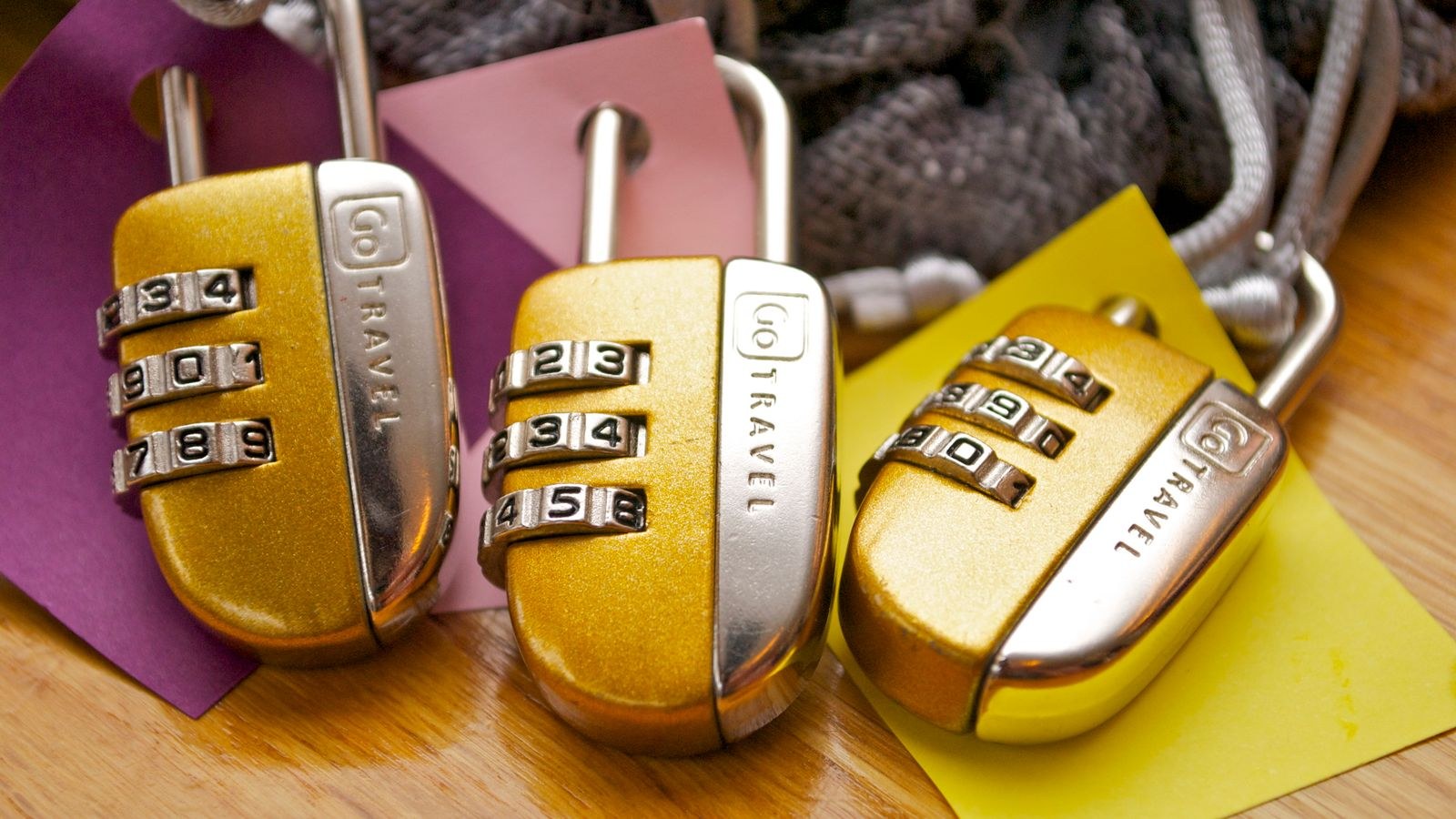
A luggage lock will not defeat a determined thief with tools, and anyone who tells you otherwise is selling something. What a good lock does is stop casual opening: the baggage handler with thirty seconds, the dorm-mate who wants to look inside, the person on a night bus who nudges a zip open while you sleep. That is a genuine and common threat, and a small lock handles it well.
Choose based on how you will use it. Keyed locks are marginally harder to defeat but add a key you can lose in a country where you cannot cut a replacement. Combination models remove that risk entirely and are the sensible default for most travellers, and our roundup of the best combination padlocks covers the dial and push-button styles that survive being knocked around in a bag. For hostel lockers, gym-style cages, and anything with a thick hasp, a larger shackle from the best padlocks selection is a better fit than a tiny travel lock that will not physically reach around the bar.
Shackle Size, Cable Locks and Flexibility
Measure before you buy. Hostel lockers commonly need a shackle clearance of at least 25mm to 40mm, and nothing is more frustrating than a strong lock that will not close around the loop. Flexible cable shackles solve this by threading through awkward gaps, and they also let you loop a backpack to a bed frame or a train luggage rack. The trade-off is that a cable is easier to cut than a hardened steel shackle, so treat it as a deterrent rather than a vault. Weight matters too: a lock heavy enough to feel serious is a lock you leave in the hotel because you got tired of carrying it.
Airport Rules and Inspection-Friendly Locks
Some countries allow screeners to open checked baggage, and if they cannot open a lock they may cut it off. Inspection-friendly locks with a universal override let staff open and relock your bag without destroying the hardware. This is worth having for checked luggage specifically. For carry-on and day bags, where nobody will be forcing entry, a standard lock is fine and slightly more secure.
Anti-Theft Bags and Backpacks
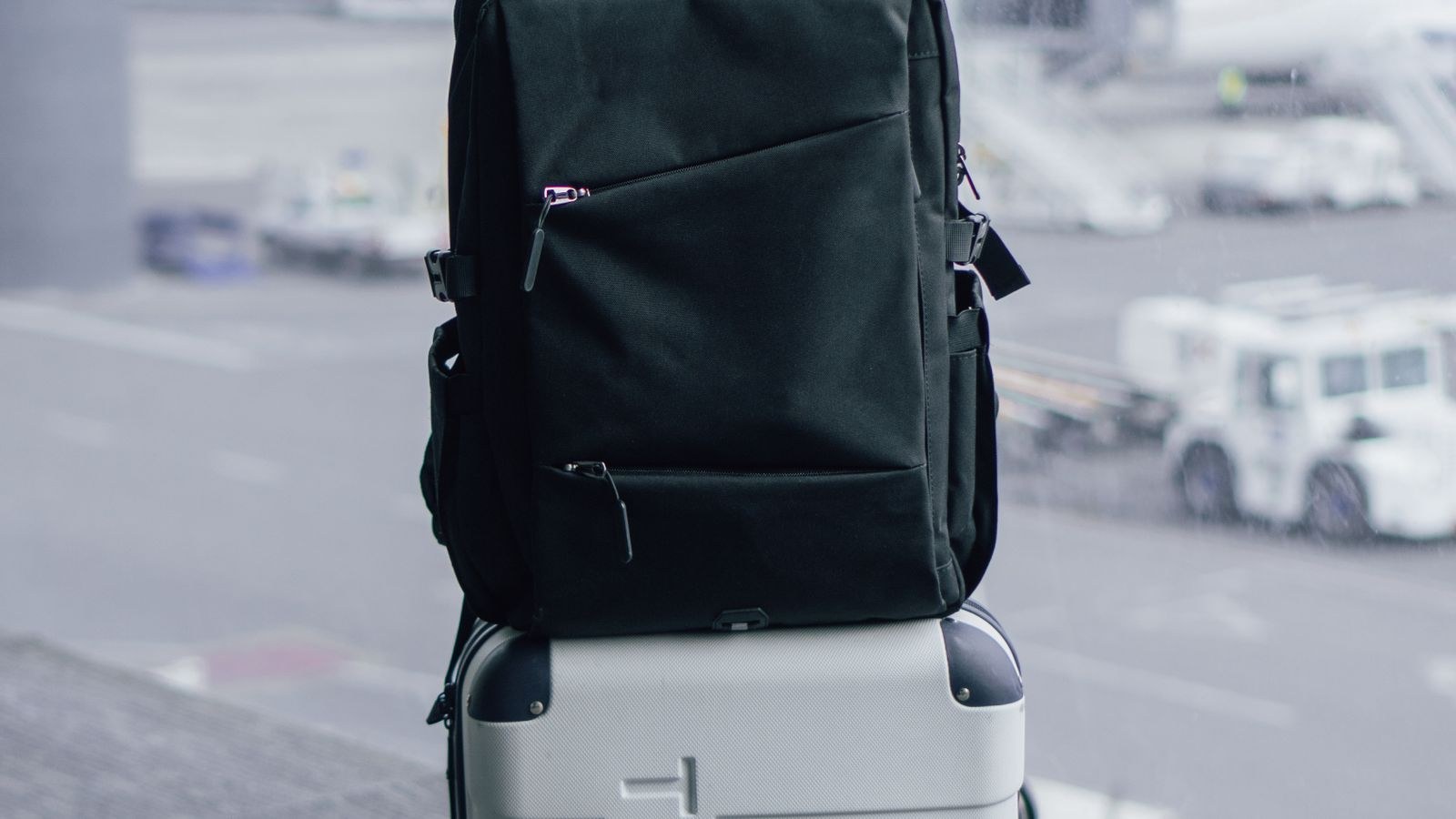
An anti-theft bag builds the lock into the luggage itself. The genuinely useful features are lockable zip pulls that clip together, hidden or reverse-facing main compartments that sit against your back, slash-resistant fabric or wire mesh in the panels, and a strap with an internal cable so it cannot be cut off your shoulder. Features that mostly serve marketing include vast numbers of tiny pockets and heavy branding that advertises you carry something worth stealing.
Fit matters more than most buyers expect. A bag that is uncomfortable gets swung round to the front or set down on a café floor, which is exactly when it gets taken. Look at how the laptop sleeve sits, whether the bag stands up on its own, and whether you can reach a water bottle without opening the secure compartment. Our comparison of the best anti-theft backpacks for travel is a good starting point for daypack-sized options, while broader shoulder bag, sling, and crossbody styles are covered in the best anti-theft bags for travel guide.
RFID Blocking: Useful or Overhyped?
RFID-blocking pockets get heavy promotion, and the honest answer is that contactless card skimming is a real but rare and low-value crime compared with straightforward bag theft. Modern payment cards use one-time codes that make cloning largely impractical, and card limits cap the damage. If a bag you like includes an RFID pocket, use it for your passport and treat it as a small bonus. Do not pay a significant premium for it, and never let it distract you from the physical features that stop an actual snatch.
Securing a Hotel or Hostel Room
Most accommodation doors are more secure than they look, but the weak point is not the lock: it is the number of people who legitimately hold a key. Housekeeping, maintenance, front desk staff, and previous guests with an uncancelled card all reduce the value of the door lock alone. That is why portable door security matters even in a good hotel.
A portable door alarm hangs on the handle or wedges under the door and sounds a piercing tone when it detects movement or vibration. It costs very little, weighs almost nothing, and works in rooms where you cannot install anything permanent. A door wedge with a built-in alarm adds physical resistance as well as noise. Our roundup of the best door alarms covers both the hanging and wedge styles, including battery life and how loud each type actually gets in a hotel corridor.
A Two-Minute Room Routine
- Check the deadbolt and secondary latch the moment you enter, and confirm both physically engage rather than just look present.
- Test the windows and any connecting door, especially on ground and first floors and rooms opening onto a shared balcony.
- Set the portable alarm before you sleep and whenever you shower, which is the most common time gear disappears.
- Set your own room safe code and never leave the factory default in place.
- Split your cash and cards between the safe, your day bag, and your person, so one loss never ends the trip.
Room Safes and Where to Actually Store Valuables
In-room safes are convenient but should be treated as a deterrent, not a strongbox. Many use a manager override code, and a bolted-down cabinet the size of a shoebox is not a serious barrier. The useful rule is that the safe is for things you would be annoyed to lose, while things you cannot replace stay with you. A passport in a hotel safe is generally sensible; a passport in a hostel safe shared by twenty guests usually is not.
If a property offers a front-desk safe deposit with a signed receipt, that is often more secure than the in-room unit because access is logged. For long stays, a small lockable pouch that you can cable-lock inside your main luggage gives you a portable version of the same idea.
Protecting Electronics and Data on the Road
Losing a laptop hurts twice: once for the hardware and again for the accounts and files on it. Before you leave, enable full-disk encryption, set a strong device passcode rather than a four-digit PIN, turn on device tracking, and confirm your backup has actually run. That way a stolen device is a purchase you have to repeat, not a data breach you have to explain.
On the move, avoid the classic mistakes: no laptop left on a café table while you queue, no bag hung on the back of a chair, no charging cable stretched across a walkway inviting a snatch. Public charging points are best used with your own power bank or a data-blocking adapter rather than plugging directly into an unknown USB port. On shared networks, stick to sites you would be comfortable using in public, or route traffic through a service you trust.
Budget Tiers: What to Spend
You can cover the basics for very little. An entry setup of two small combination locks and a portable door alarm typically lands under $40 total and removes most opportunistic risk. A mid-tier setup adds an anti-theft daypack and a longer cable lock, which is where most frequent travellers settle, usually in the $100 to $200 range depending on the bag. The premium tier adds a slash-resistant carry-on, a purpose-built laptop cable lock, and duplicate hardware so you never travel with a single point of failure.
Spend in that order. A $200 bag with an unlocked zip does less for you than a $10 lock used consistently. The other rule worth remembering is that travel security gear is cheap relative to the cost of replacing a passport abroad, but only if you actually carry and use it, which favours light, simple items over impressive-looking ones.
Common Travel Security Mistakes
The most frequent error is inconsistency. Travellers lock up carefully for the first three days, then relax, and the loss happens on day nine. Security only works as a habit, so make the routine short enough that you will repeat it when tired. The second common mistake is advertising value: expensive luggage brands, visible camera straps, and a phone held loosely in a crowd all mark you out before anything is stolen.
Two more worth naming. Keeping every valuable in one place means a single theft ends your trip, so always split cash, cards, and copies of documents across at least two locations. And relying on a single high-tech gadget while ignoring basics is a trap: an app that tracks a bag tells you where your stolen property is, but it does not stop the theft. Physical friction first, technology second.
Frequently Asked Questions
Are travel padlocks worth it if they can be picked?
Yes, because most travel theft is opportunistic rather than skilled. A lock removes the effortless option and pushes a thief toward an unlocked bag nearby. Treat it as a deterrent that buys time and attention, not as an impenetrable barrier.
Do portable door alarms work in hotels?
They do, and they are one of the highest-value items per gram in a bag. Hanging and wedge models need no installation, run on small batteries, and produce enough volume to wake you and alert neighbouring rooms. Test yours at home so the sound does not surprise you at 3am.
Is an anti-theft backpack better than a normal bag with a lock?
For daily city use, generally yes, because the protection is built in and always active rather than depending on you remembering to attach something. A normal bag plus a lock is still a solid budget option, especially if the bag has zips that can be clipped together.
Should I use the hotel room safe?
Use it for convenience items and moderate-value gear, but keep truly irreplaceable documents and primary cards on your person or split across locations. Always change the code from any factory default and confirm the safe locks before you walk away.
Final Thoughts
Good travel security is unglamorous by design. It is two small locks you actually close, a bag whose zips face your body, an alarm on the hotel door, and a habit of splitting your valuables so no single mistake ruins a trip. Build the layers in order of how easily they are defeated, spend on the ones you will use daily, and skip anything that adds weight without removing a real risk. Do that and your gear in 2026 becomes the least appealing option in the room, which is exactly what you want. Start with a lock and a door alarm, add an anti-theft bag when you travel often enough to justify it, and let good habits do the rest of the work.