Owen Bradley
 Space heaters are one of the most useful appliances in a cold house and one of the most dangerous when used carelessly. They are a leading cause of home heating fires, and the overwhelming majority of those incidents trace back to a handful of avoidable mistakes: something flammable too close to the unit, an extension cord that could not carry the load, or a heater left running unattended overnight. The heater itself is rarely at fault. Using one safely in a bedroom is entirely achievable, but it requires you to treat it as a 1500-watt appliance with a real fire load rather than as a portable convenience you can set down anywhere. The rules below cover placement, power, settings and habits, and they take minutes to apply.
Understand What Type of Heater You Have
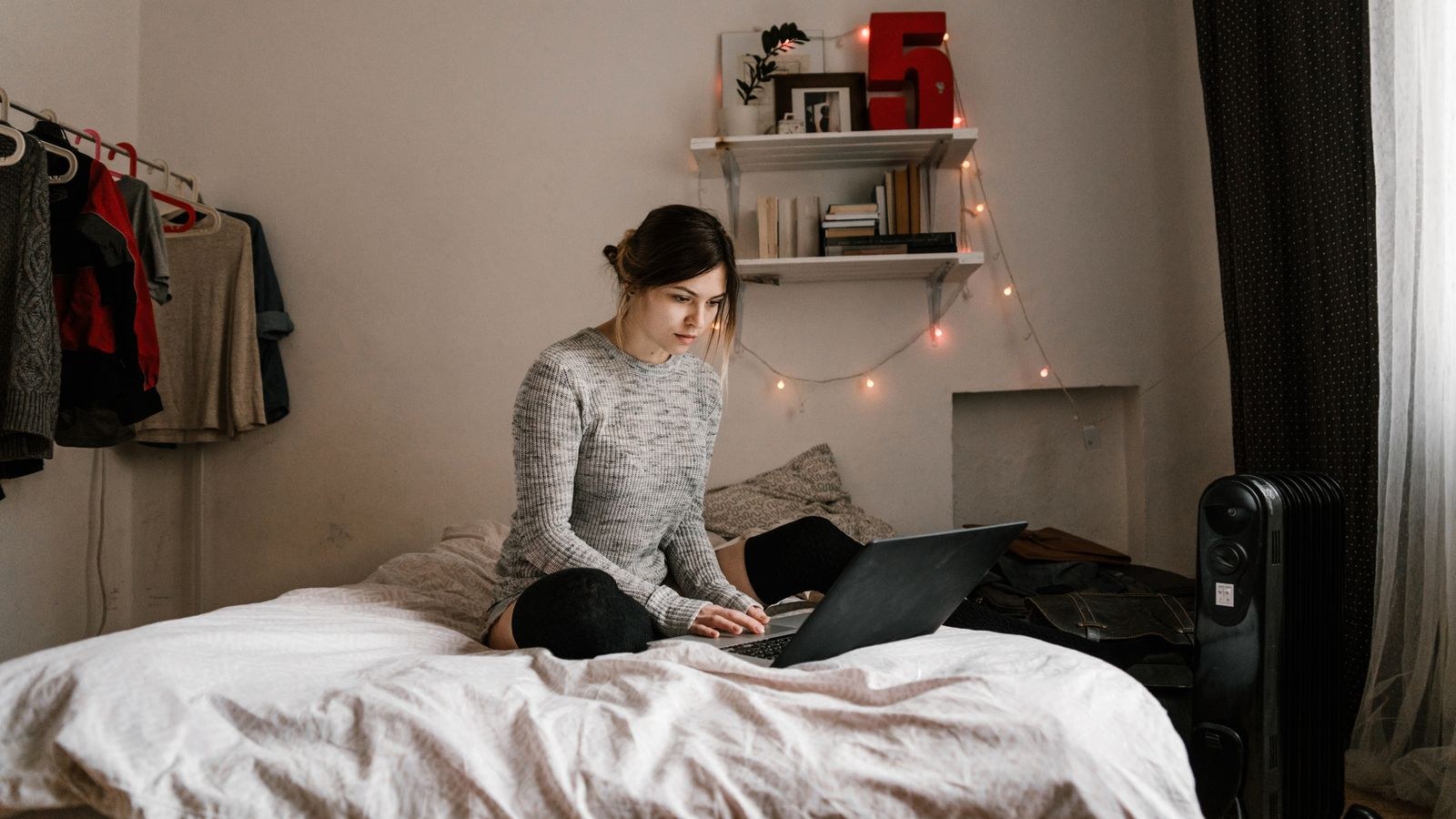
Different designs carry different risks. Radiant and infrared heaters warm objects and people directly and have very hot exposed surfaces or elements, so clearance and contact burns are the main concern. Ceramic fan heaters blow warm air, heat a room faster and generally run cooler on the outside, but they need unobstructed intake and outlet grilles. Oil-filled column radiators have no exposed element and no fan, run near-silently and hold heat well, which makes them the usual recommendation for bedrooms, though the fins still get hot enough to burn skin and to scorch fabric.
Regardless of type, look for a current safety certification mark from a recognised testing laboratory on the label. Also confirm the unit has both tip-over shutoff, which cuts power if the heater falls, and overheat protection, which cuts power if internal temperature climbs. For overnight bedroom use, treat both as non-negotiable and skip any heater that lacks them.
Before You Switch It On
- Inspect the cord and plug. Any cracking, fraying, discolouration or a plug that feels loose in the outlet means the heater does not get used until it is fixed or replaced.
- Read the label for wattage. Most portable heaters draw 1500 watts, which is roughly 12.5 amps on a standard 120-volt circuit.
- Clear the floor area. Measure three feet in every direction and move anything combustible outside that radius.
- Check your smoke alarms. Test them and confirm one is working on the bedroom level. If the room has any fuel-burning appliance, a carbon monoxide alarm is essential too.
- Find a hard, level surface. Heaters belong on the floor, on a flat hard surface, never on carpet edges, rugs with deep pile, tables, shelves or furniture.
Step-by-Step: Setting Up a Space Heater Safely
- Establish the three-foot rule and enforce it. Keep bedding, curtains, clothing, upholstered furniture, paper, laundry and rugs at least three feet from the heater on every side, including above it. This single rule prevents the majority of space heater fires. Beds are the biggest hazard in a bedroom because duvets hang down and shift during the night.
- Place the heater on a hard, level floor. A hard surface keeps the unit stable, allows the tip-over switch to work as designed, and prevents heat building beneath it. Thick carpet can insulate the base and trap heat, and it also makes the heater easier to knock over.
- Plug directly into a wall outlet. This is the second critical rule. Never use an extension cord, power strip, surge protector, timer or smart plug with a space heater. Those accessories are almost never rated for a sustained 12.5-amp load, and the resulting heat at the connection is a common ignition point. If the nearest outlet is too far away, move the heater or use a different room, not a longer cord.
- Give the outlet a circuit to itself. Unplug other high-draw appliances on the same circuit. A 1500-watt heater uses most of the capacity of a typical 15-amp branch circuit on its own, and adding a hairdryer or a kettle is what trips breakers and overheats wiring.
- Check the outlet condition before and during use. Loose, discoloured or warm outlets are a warning sign. Feel the plug and the wall plate after fifteen minutes of running. Warm is borderline; hot means stop immediately and have the outlet inspected by an electrician.
- Keep the cord where nobody will trip on it. Run it along a wall, never under a rug or carpet, and never across a doorway. Cords under rugs suffer hidden abrasion and cannot shed heat.
- Position the heater away from the bed and out of walkways. Aim for a spot where you can walk to the door at night without passing close to it, ideally on the far side of the room from the bed. This gives the airflow room to circulate and keeps a sleepy 3am trip to the bathroom from becoming a burn.
- Use the thermostat, not the maximum setting. Set the built-in thermostat to a comfortable temperature, usually between 68F and 70F, and let it cycle. A heater held permanently on high runs hotter, costs far more and offers no benefit once the room reaches temperature.
- Set the built-in timer if the unit has one. Many heaters offer a shutoff timer, which is the safe way to have warmth as you fall asleep without the unit running all night. This is a feature that must be built into the heater; an external plug-in timer is not an acceptable substitute.
- Never leave it running unattended or while you sleep. This is the rule most often broken and it is the one behind the deadliest incidents. Turn the heater off when you leave the room and before you go to sleep. Warm the bedroom for thirty minutes beforehand, then switch off, unplug and get into a warm bed instead.
- Keep children and pets clear. A dog’s tail, a curious toddler or a cat that likes warm surfaces can all knock a heater over or make contact with a hot element. If either is in the house, choose an oil-filled or fully enclosed model with a cool-touch housing and keep the heater in a spot they do not pass through.
Warning Signs to Stop Immediately
Switch off and unplug at once if you notice a burning or plastic smell that persists past the first few minutes of the first use, any visible sparking or arcing, a plug or cord that is hot rather than warm, scorch marks on the outlet or wall plate, a breaker that trips repeatedly, or unusual buzzing or crackling from inside the housing. A heater that shuts itself off repeatedly is telling you its overheat protection is triggering, which usually means blocked airflow or an internal fault. Do not simply restart it and hope.
Cutting the Need for a Heater in the First Place
The safest space heater is the one you barely have to use. Before running one every night, address the reasons the bedroom is cold. Weatherstrip the door, seal gaps around window frames, use heavy curtains at night and check that supply registers are open and unobstructed. If the room is cold because central heating is not reaching it, a heating schedule that raises overnight temperatures slightly is often cheaper and much safer than a portable unit.
A better-managed thermostat does more than most people expect. Our guide to setting up a thermostat schedule explains how to balance overnight comfort against energy use, and the picks for the best programmable thermostats cover models that let you warm a bedroom before bedtime automatically. If you prefer a simple dial without an app, the best non-smart thermostats offer the same scheduling reliability with fewer moving parts, and the wider roundup of best thermostats compares both categories together. In the warmer half of the year, the same room usually swings the other way, and the shortlist of the best cooling fans for bedrooms covers the summer side of bedroom comfort.
Common Mistakes
- Using an extension cord or power strip. The most dangerous shortcut of all. Wall outlet only, every time.
- Running the heater overnight while asleep. Warm the room first, then switch it off before bed.
- Placing it on carpet or a rug. Reduces stability, blocks the tip-over switch and traps heat under the base.
- Putting it near the bed or curtains. Fabric within three feet is how most heater fires start.
- Using it to dry clothes or shoes. Draping anything over a heater blocks airflow and puts fabric directly against a heat source.
- Ignoring an old or damaged unit. Frayed cords, missing tip-over protection and heaters older than a decade should be retired.
- Using an outdoor or fuel-burning heater indoors. Propane and kerosene units produce carbon monoxide and must never be used in a bedroom.
Frequently Asked Questions
Can I leave a space heater on overnight?
No. Fire services and manufacturers agree that heaters should be switched off when you sleep or leave the room. Warm the bedroom beforehand, then turn the unit off and unplug it.
Is it safe to plug a space heater into a power strip?
No. A 1500-watt heater draws around 12.5 amps continuously, which exceeds what most strips, surge protectors, timers and extension cords can handle safely. Use a wall outlet directly.
How far should a space heater be from furniture?
At least three feet in every direction, including above. Keep bedding, curtains, clothing, paper and upholstered furniture well outside that radius at all times.
Which heater type is safest for a bedroom?
An oil-filled column radiator with tip-over and overheat protection is usually the best choice, since it has no exposed element and no fan noise. Whatever the type, certification and both safety cutoffs matter more than the format.
Why does my heater keep tripping the breaker?
Almost always because the circuit is shared with other loads. Move other appliances to a different circuit. If it still trips on a dedicated outlet, the heater or the wiring has a fault and needs professional inspection.
Final Thoughts
Safe space heater use comes down to four habits that never change: three feet of clearance in every direction, a hard level floor, a direct wall outlet with no cord or strip in between, and switching the unit off whenever you leave the room or go to sleep. Add a certified heater with tip-over and overheat protection, a working smoke alarm on the same floor, and a quick check of the plug and outlet temperature after the first fifteen minutes, and you have covered nearly every failure mode that puts homes at risk. Better still, spend an afternoon sealing drafts and setting a sensible heating schedule so the heater becomes an occasional top-up rather than a nightly necessity.