Owen Bradley
 Nothing erodes trust in a home security system faster than a dog. The alarm fires at two in the morning, the hallway lights snap on while everyone is asleep, and after the third night somebody disarms the sensor permanently. The fix is not a more expensive alarm; it is understanding why passive infrared sensors react to animals at all and then combining the right hardware with the right mounting and settings. A properly configured pet immune motion sensor can ignore a large dog crossing directly beneath it while still catching a person walking through the same space. This tutorial explains how to get there.

Why Pets Trigger Motion Sensors
A passive infrared sensor detects moving heat against a background. It does not measure size, weight, or shape in any direct sense. Instead, the lens divides the room into a stack of detection zones, and the sensor reacts when a heat source crosses enough zones quickly enough. A cat sprinting along a wall can cross as many zones as a person walking slowly, which is why animals set off sensors so reliably.
Two factors make it worse. Animals climb, so a cat on the back of a sofa is suddenly at chest height where the sensor expects a human. And animals move erratically, producing sharp signal changes that the detection logic reads as a strong event. Pet immunity works by manipulating which zones exist near the floor and how much signal is required before an alarm fires.
What Pet Immunity Actually Means
Manufacturers rate pet immunity by weight, commonly up to about 40 or 80 pounds. That figure is not a scale reading; it describes the amount of infrared signal the sensor will ignore. It assumes the animal stays on the floor, within a certain distance, and that the sensor is mounted at the specified height. Violate any of those assumptions and the rating means nothing, which is why so many people conclude that pet immunity does not work when in fact the installation was wrong.
What You Will Need
- A sensor rated for pet immunity at or above your animal’s weight, ideally with a dual-element or mirror-optic lens
- A tape measure, because mounting height is the variable most often guessed at
- A screwdriver and appropriate wall anchors, since a stable mount matters more here than elsewhere
- Lens masking material, often included with the sensor as adhesive strips
- Your app open to the sensor’s live activity log so you can watch events as they happen
- An evening of observation, which is when most pet false alarms occur
Step-by-Step: Eliminating Pet False Alarms
- Watch what your pet actually does. Before changing anything, review a week of triggers in the activity log and note the times. Then observe the room. Does the cat use the window sill? Does the dog jump onto the sofa that sits directly in the sensor’s line of sight? The pattern almost always points to one piece of furniture or one route.
- Set the mounting height precisely. Most pet immune sensors specify roughly seven and a half feet. Higher and the lower detection zones point too steeply at the floor near the sensor, catching pets close in. Lower and the pet occupies more of the field. Measure rather than eyeballing, and follow the specific model’s stated height rather than a general rule.
- Keep it level, not tilted down. A common instinct is to angle the sensor toward the floor for better coverage. With pets, that is exactly wrong. Mount flat against the wall so the lower zones extend out across the room rather than down into the pet’s path.
- Mount in a corner facing across the room. Corner placement gives the widest coverage of human-height movement while keeping the near-floor area at the outer edge of the field. Aim across the room’s traffic path, not down it.
- Mask the lower lens zones. Nearly every pet immune sensor ships with small adhesive masks. Apply them to the bottom segments of the lens to remove the zones closest to the floor. Start with one strip, test for several days, and add another only if needed, since each mask reduces genuine coverage too.
- Remove furniture from the field of view. Sofas, cat trees, shelving, and countertops within the detection area let a pet reach human height. Either move the furniture, mount the sensor so that area falls outside its view, or accept that this room needs a different sensor type.
- Lower the sensitivity by one step at a time. If your sensor exposes a sensitivity setting, reduce it gradually and test after each change. Dropping straight to the lowest setting usually creates the opposite problem, where a person walking slowly goes undetected.
- Add pulse-count or dual-trigger logic. Many sensors let you require multiple detection events before alarming, and some systems support requiring two separate sensors to trigger within a short window. Both dramatically reduce animal false alarms with only a small delay for genuine events.
- Verify human detection after every change. This is the step people skip. After tuning, walk the room slowly along several paths, including crawling low if you want to be thorough. A sensor that ignores your dog and also ignores an intruder is worse than useless.
- Run a full week with the system armed. Real conditions include the pet alone in the house, sunlight moving across the floor, and heating cycling on. Check the log daily and make one adjustment at a time.
When Pet Immunity Is Not Enough
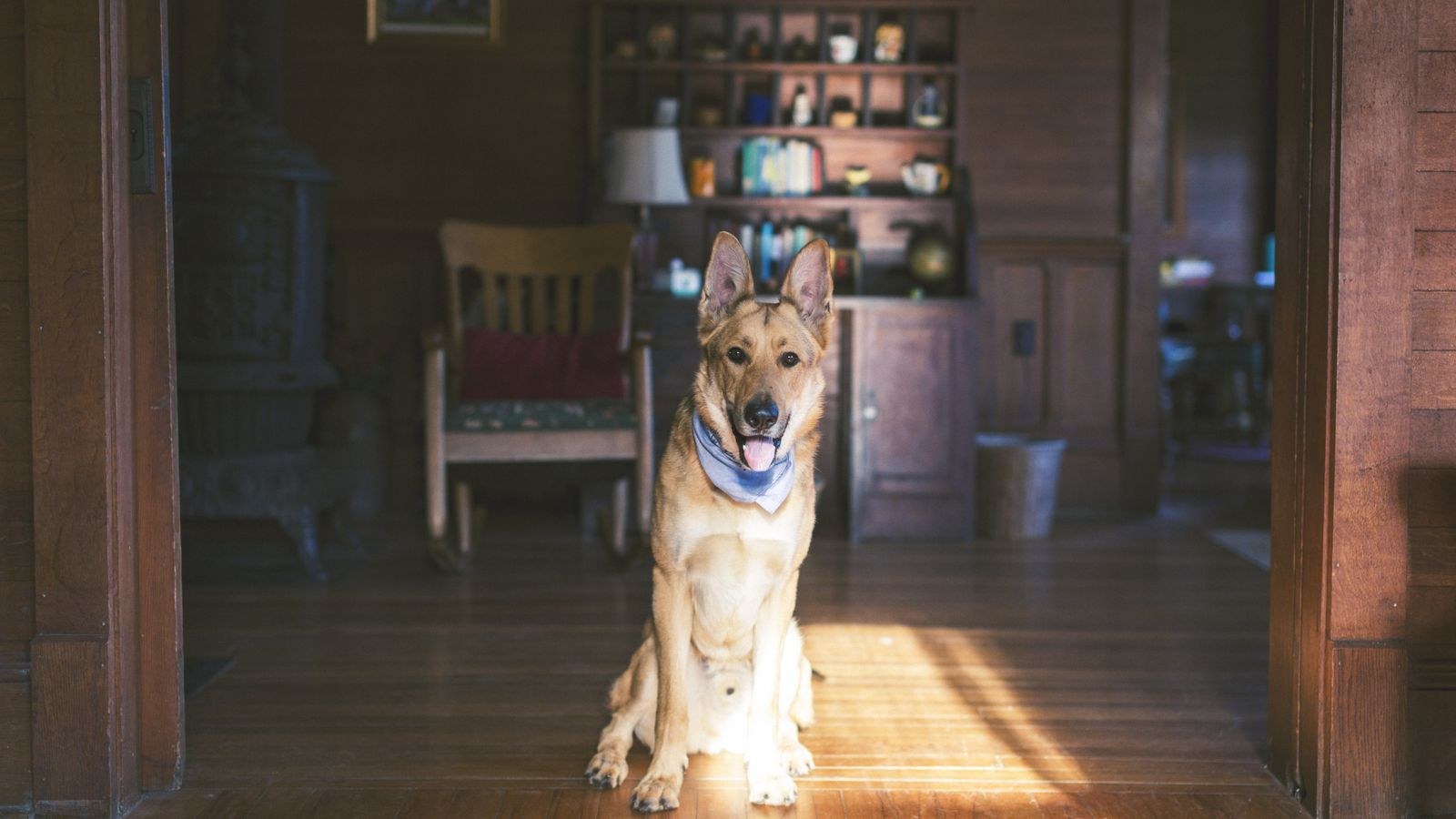
Some situations defeat even a well-configured PIR sensor. Multiple large dogs, cats that treat every surface as a walkway, and open-plan rooms with tall furniture throughout are the usual offenders. In those homes, change the detection strategy rather than continuing to tune.
Perimeter detection is the strongest alternative. Contact sensors on doors and windows do not care about animals at all, and they detect entry rather than movement, which is arguably more useful anyway. Glass-break detectors listen for a specific acoustic signature and ignore pets entirely. Pressure-based and beam sensors placed at human height across a doorway are another option in tricky rooms.
If you find yourself fighting a single problem room, it is often cheaper to fully cover the perimeter and reduce interior motion coverage than to keep buying interior sensors. Comparing the detection technologies available across the best motion sensors and the underlying performance differences between the best PIR sensors makes it clearer which rooms are worth a hardware upgrade and which are better solved at the door.
Cameras Add Their Own False Alarm Problem
Motion-activated cameras suffer the same issue in a different form, flooding your phone with clips of a cat crossing the kitchen. The fixes there are different, relying on activity zones, person detection, and sensitivity sliders rather than lens masking. Our companion tutorial on how to reduce false alerts from a motion camera covers those settings in detail, and pairing both approaches is what finally quiets a household’s notification stream.

Room-by-Room Strategy
Different rooms need different answers. In hallways, pet immunity works well because the space is narrow, furniture is minimal, and the sensor can be mounted high with a clear cross-view. In living rooms, furniture is the enemy; either mount so the seating falls outside the field or rely on perimeter sensors instead. In kitchens, cats on countertops make interior motion detection largely futile, so protect the exterior door and any window instead.
Stairs and landings are worth special attention, since anyone moving between floors must pass through them. A sensor mounted high on a landing wall, aimed across the stairwell rather than down it, catches human movement reliably while a dog on the treads stays in the masked lower zones.
Consider also whether the system as a whole supports the tuning you need. Some platforms expose sensitivity, pulse count, and per-sensor schedules; others give you a single on-off toggle. If yours is the latter, no amount of mounting skill will fix it. Reviewing the best DIY home security systems or the wider field of best home security systems shows which platforms offer genuine per-sensor control.
Mistakes That Cause Repeat False Alarms
- Mounting too high to be safe. It feels like it should help and it actually points the near zones straight at the floor.
- Tilting the sensor downward. This puts the pet’s path directly into the most sensitive part of the field.
- Masking the entire lower half of the lens at once. You lose crawling and low-approach detection completely.
- Leaving a sofa or cat tree in the field. Height defeats pet immunity outright, regardless of the weight rating.
- Disabling the sensor instead of fixing it. A disabled sensor is a permanent hole in the system that everyone forgets about.
Frequently Asked Questions
Does a higher weight rating always work better?
No. A higher rating ignores more infrared signal, which also reduces sensitivity to people, especially children and anyone moving slowly. Choose the lowest rating that comfortably covers your animals.
Will pet immunity work with two dogs?
Often not. Two animals moving together produce a combined signal larger than either alone, which can exceed the threshold. Treat a multi-pet household as needing roughly double the rating, or switch to perimeter detection.
Can I just turn sensitivity all the way down?
You can, but it usually creates the worse failure. A sensor set too low may miss a person walking calmly through the room, which defeats the entire purpose. Combine moderate sensitivity with correct mounting and masking instead.
Do birds and small animals in cages cause alarms?
Caged animals rarely trigger sensors because their movement is confined and small. Free-flying birds and free-roaming small pets can, in which case masking the relevant zones or repositioning the sensor is the practical fix.
Final Thoughts
Stopping pet false alarms is a process of elimination, not a single purchase. Choose a sensor rated appropriately for your animals, mount it at the specified height flat against a wall in a corner, aim it across the room, mask the lowest lens zones one strip at a time, and remove or avoid furniture that lets a pet reach human height. Then verify that people are still detected. Where a room resists every adjustment, switch to perimeter protection rather than accepting nightly alerts. A system that stays armed because nobody has a reason to disable it is worth far more than a sensitive one that lives permanently switched off.